

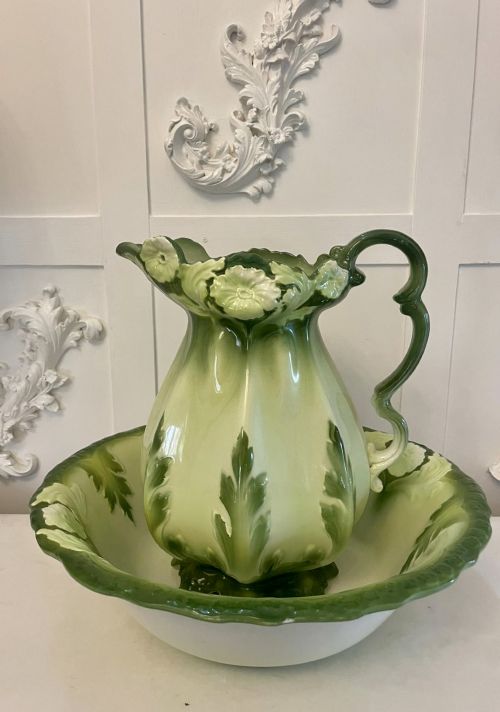
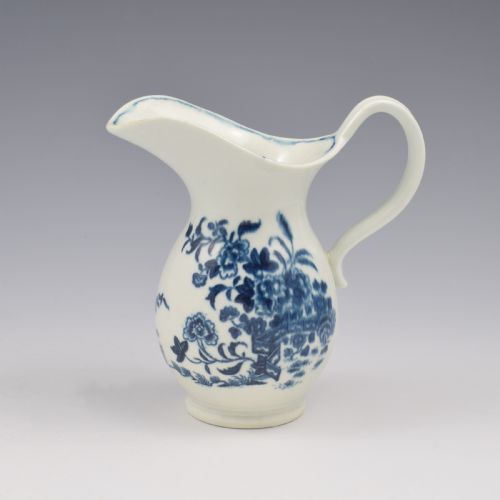
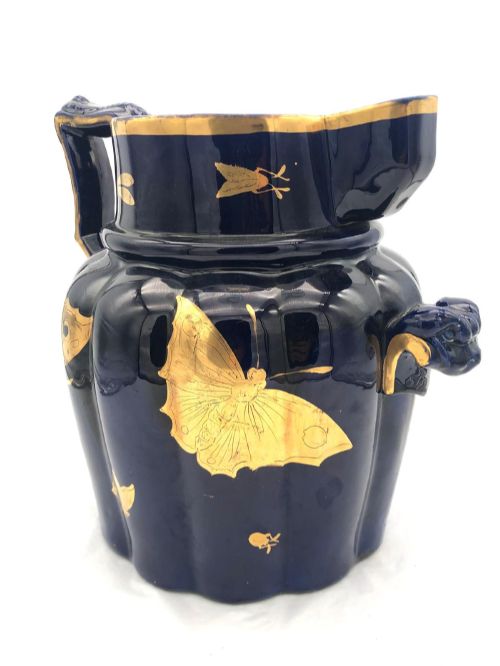
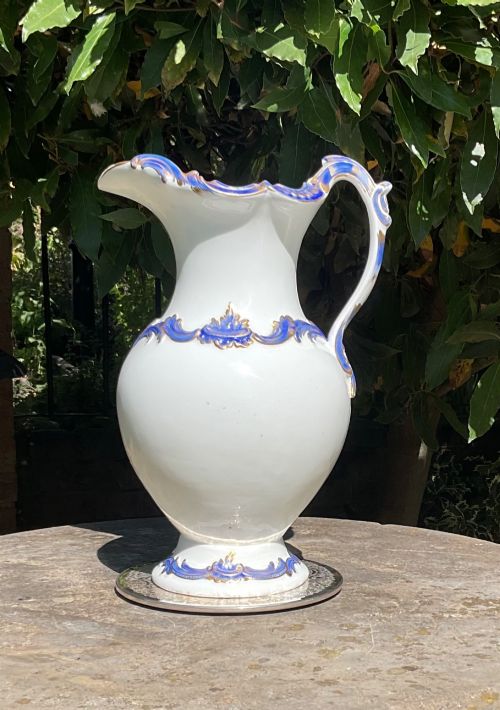
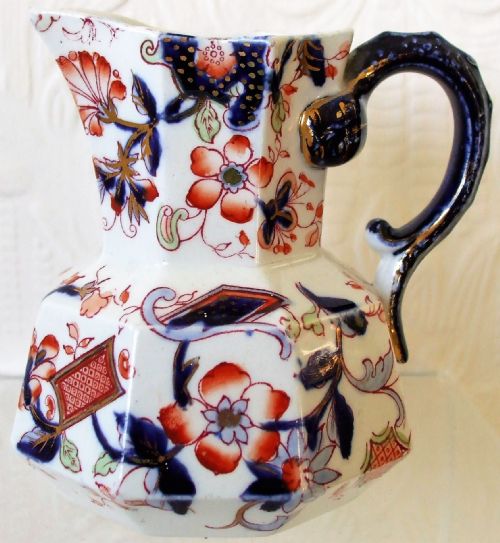
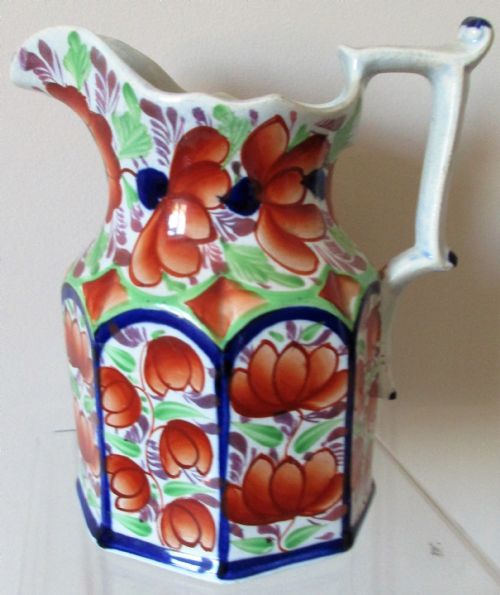


Antique Porcelain Water Jug
An antique porcelain water jug brings fine ceramic craft and historic utility to the table or washstand.
Antique Porcelain Water Jug
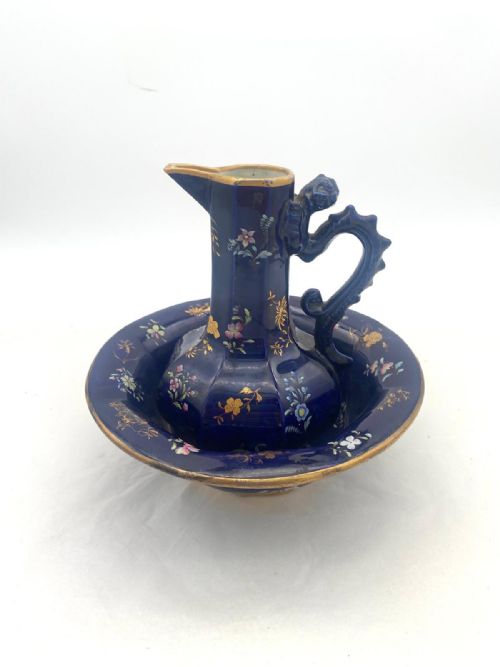
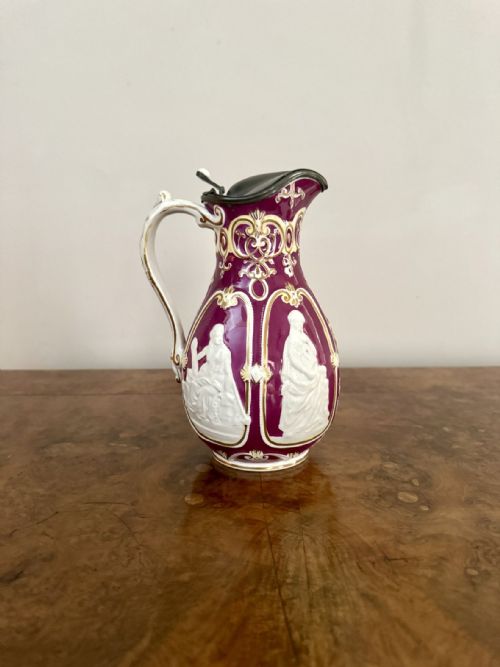
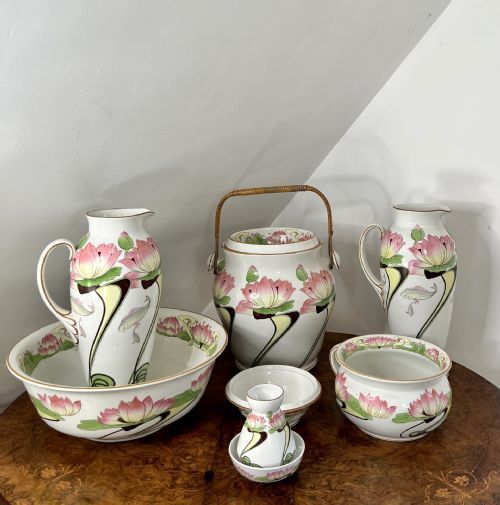
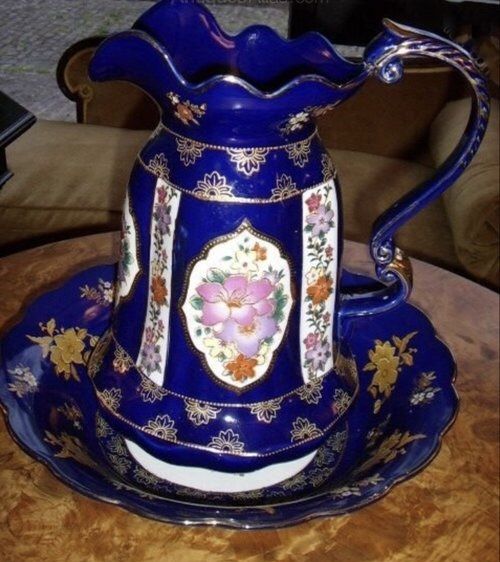
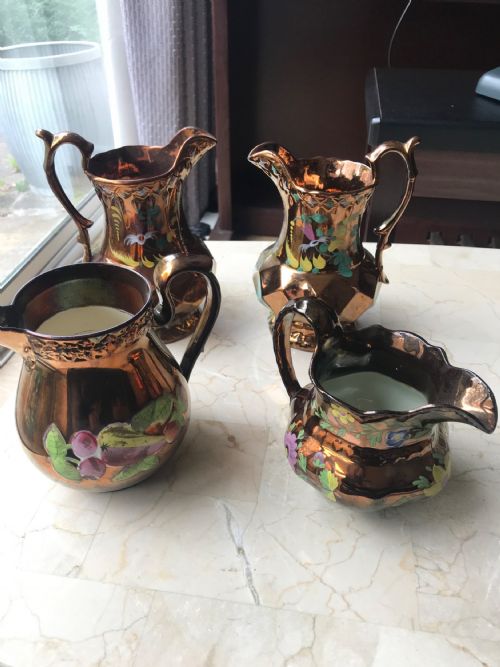
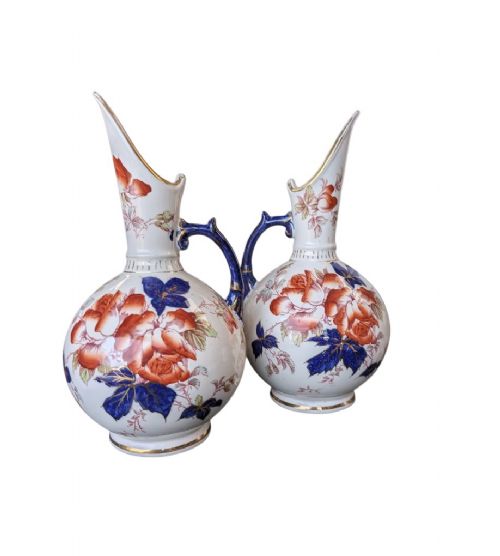
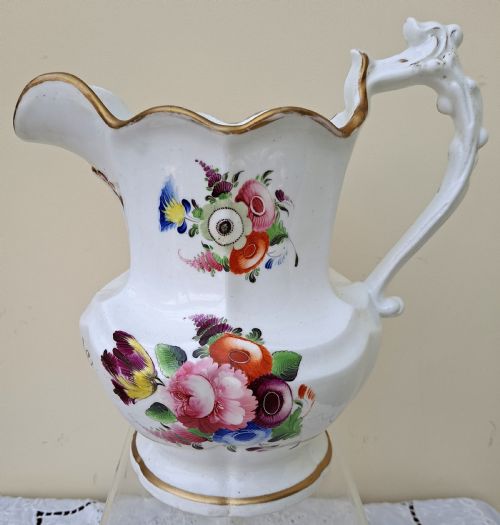
An antique porcelain water jug serves both practical and decorative purposes, appearing across various forms including pitchers, ewers, and basin sets. When searching for an antique porcelain water jug, buyers encounter pieces spanning the Georgian, Regency, and Victorian periods, as well as continental and Asian origins.
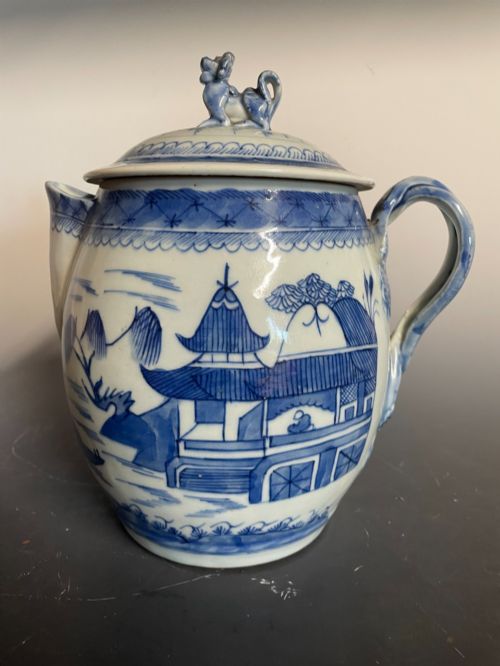
The selection ranges from simple wash set vessels to elaborate decorative ewers and armorial jugs. English factories such as Worcester, Royal Worcester, and Coalport dominate the domestic offerings, alongside Staffordshire wares and imported Chinese porcelains.
How they were made
Potters shaped these vessels using porcelain, earthenware, and ceramic pastes, often applying a clear or coloured glaze before firing. Decoration relied heavily on hand-painted botanical or pictorial scenes, blue and white underglaze, and cobalt blue pigments.
Antique Porcelain Water Jug Retail Price Guide 2026
Typical asking prices for porcelain water jug among the pieces listed under this phrase on Sellingantiques today, from the lower quarter to the upper quarter. They describe what is for sale here now, not the wider market.
Listings feature porcelain water jugs spanning the seventeenth to the twentieth centuries, including pieces from English, French, Chinese, and Persian origins.
What varies in quality
The refinement of the ceramic body and the crispness of the moulded details distinguish standard domestic ware from top-tier examples. Finer pieces display delicate, controlled hand-painting, well-preserved gilding, and sophisticated armorial crests or landscape views.
Makers' marks provide a reliable indicator of pedigree, with established factory stamps confirming the origin and period of the manufacture.
Royal Worcester·Chamberlain Worcester·Coalport·Meissen·Doulton Burslem
The Antique Porcelain Water Jug Glossary
- Ewer
- A large jug with a wide spout and a curved handle, traditionally used for holding and pouring water. These vessels often served a decorative function within wash sets.
- Parian ware
- A fine-grained bisque porcelain resembling marble, developed in the nineteenth century. It gained popularity for unglazed figural jugs and decorative objects.
- Underglaze
- A decoration applied to ceramic ware before the glaze is fired in the kiln. This technique protects the pigment beneath a glossy vitreous layer.
- Armorial
- A ceramic design featuring a family coat of arms or heraldic crest. These bespoke motifs denote custom commissions for prominent households.
Antique Porcelain Water Jug: Frequently Asked Questions
How do I date an antique water jug?
Examine the base for factory marks, pattern numbers, or printed ciphers that correspond to known operational dates. Style, paste consistency, and decorative motifs also help narrow the period.
Changes in ceramic technology and glazing methods across the Georgian and Victorian eras offer further chronological clues.
Were these jugs used for daily washing?
Many large vessels formed part of larger wash sets intended for bedroom use alongside matching basins and slop pails. Smaller pitchers functioned as milk or water jugs at the dining table.
Decorative ewers served primarily as ornamental display pieces rather than working utensils.
Can I use an antique jug for serving drinks?
Most antique ceramic jugs remain structurally sound for holding liquids, though historic enamel and gilt decorations require gentle handling. Hand washing preserves the delicate surface details.
Avoid exposing older porcelain to sudden temperature extremes to prevent thermal shock.