





Antique Porcelain Medallion
An antique porcelain medallion brings hand-painted colour and intricate design into a room, most often found here in nineteenth-century Chinese Canton and Rose Medallion pieces.
Antique Porcelain Medallion
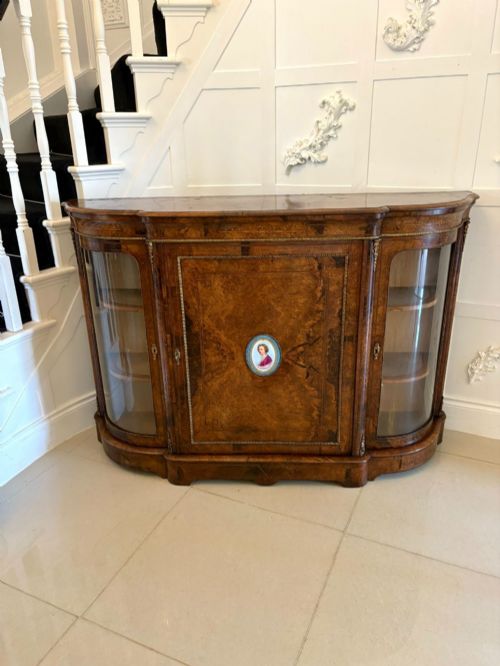
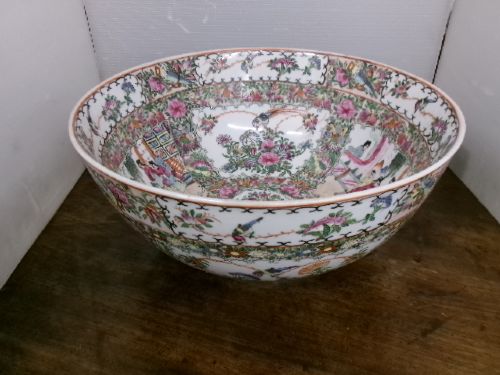
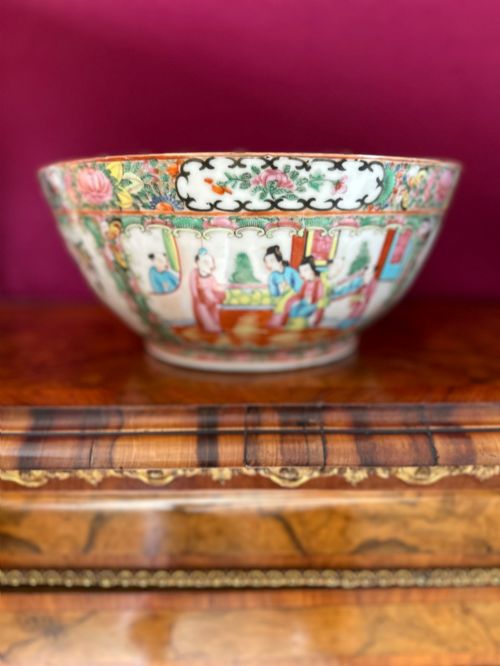
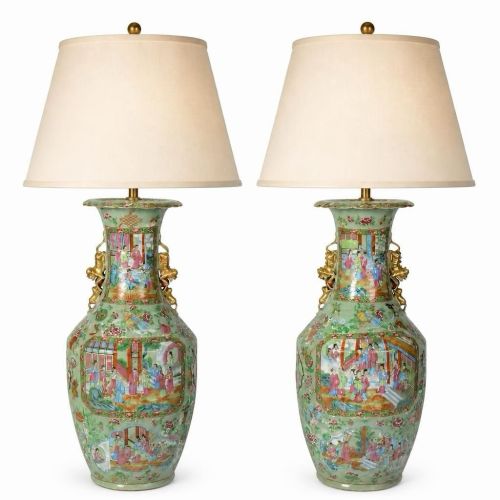
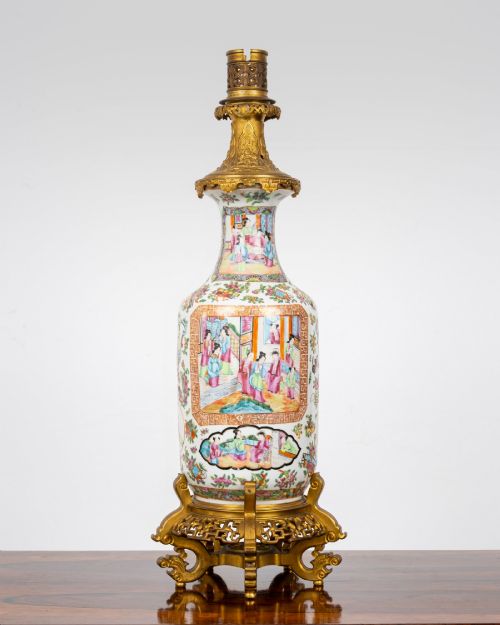
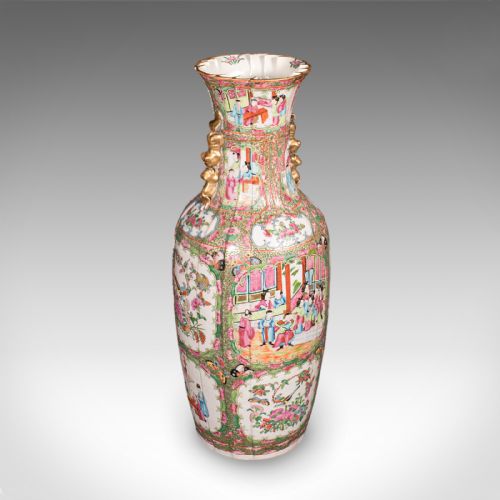
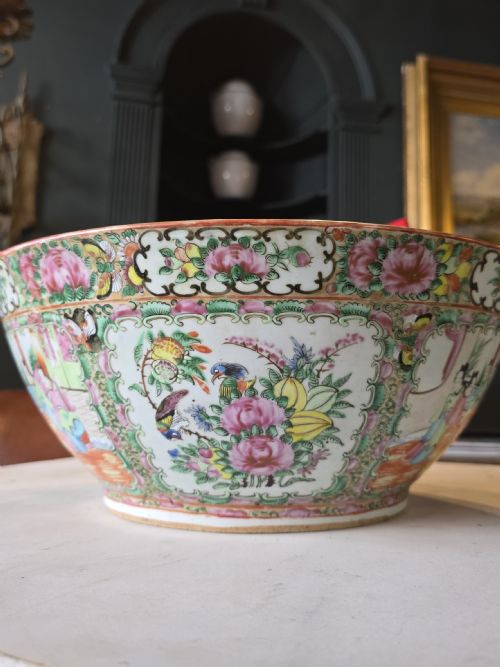
When you search for an antique porcelain medallion, you encounter richly decorated items dominated by panelled scenes of figures, birds and flowers. The pieces on this page span large punch bowls, garden seats, umbrella stands and vases, many adapted as table lamps.
The aesthetic heavily reflects nineteenth-century Chinese export production, particularly Cantonese wares alongside Japanese Kutani and occasional English ceramic plaques. These objects served both domestic utility and international export markets, combining robust ceramic bodies with meticulous polychrome painting.
Vases and bowls form the majority of the selection, often accompanied by gilt bronze or ormolu mounts added during later European or British interventions. Buyers select these items to anchor a room with distinct historical character and traditional craft.
Materials and manufacturing methods
The foundation rests on dense ceramic porcelain bodies shaped into bowls, vases or plates, then fired to create a durable base. Artisans applied white glazes as a ground before executing detailed hand-painted enamel designs.
Polychrome enamel palettes incorporated vibrant pinks, greens and golds, frequently supplemented with applied gold leaf and gilding. Metal components such as brass, gilt bronze and ormolu were utilised for mounts, stands and lamp fittings.
Listings span the nineteenth and early twentieth centuries, featuring porcelain, enamel, gold leaf, and ormolu across Chinese Export and Victorian styles.
Distinctions in craftsmanship
Quality separates through the precision and density of the hand-painted enamels, where superior examples display finer brushwork and tightly controlled panel borders. The clarity of the porcelain body and the richness of the gilding further elevate certain items above standard production pieces.
The integration of metalwork also marks a difference, as heavier, more accurately fitted ormolu and gilt bronze mounts indicate higher-tier commissions or luxury conversions. Conversely, simpler decorative application and heavier glaze pooling denote more commercial workshop output.
The Antique Porcelain Medallion Glossary
- Rose Medallion
- A distinct style of nineteenth-century Cantonese porcelain decorated with alternating panels of figures and birds, surrounded by floral enamel motifs.
- Famille Rose
- A palette of opaque rose-pink and other soft enamel colours introduced in Chinese ceramics during the Qing dynasty.
- Ormolu
- Gilt bronze mounts applied to furniture, vases and bowls, popular in nineteenth-century decorative adaptations.
- Kutani
- Japanese coloured porcelain originating from Ishikawa prefecture, known for bold designs and extensive use of iron red and gold.
- Pate-sur-Pate
- A ceramic technique where liquid clay is built up in layers on a dark body to create a low relief cameo effect.
Antique Porcelain Medallion: Frequently Asked Questions
How do I care for antique porcelain?
Clean these surfaces gently using a soft, dry cloth to remove dust without disturbing older gilding or enamel work.
Avoid immersion in water, particularly for pieces with metal mounts or lamp wiring.
Were these vases made as lamps?
Most large vases and punch bowls started as decorative vessels and were converted into table lamps during the nineteenth or twentieth century.
Wiring and mounts were typically added by European retailers to suit contemporary domestic lighting needs.
What is the difference between Canton and Rose Medallion?
Canton porcelain encompasses a broad category of decorative wares produced in Guangzhou for export during the nineteenth century.
Rose Medallion specifically defines the panelled pattern featuring distinct alternating medallions of human figures and natural scenes.
How can I date these porcelain items?
Dating relies on stylistic markers such as enamel saturation, floral border patterns, and the presence of Qing dynasty reign marks.
Accompanying hardware, such as brass or ormolu bases, also assists in establishing the period of European assembly.