



Antique Porcelain Container
An antique porcelain container is a vessel made for holding small treasures, tea, or powders, bringing historical utility and fine ceramic craft into a room.
Antique Porcelain Container
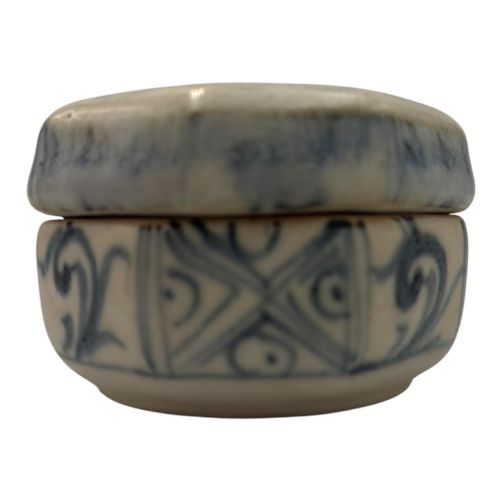
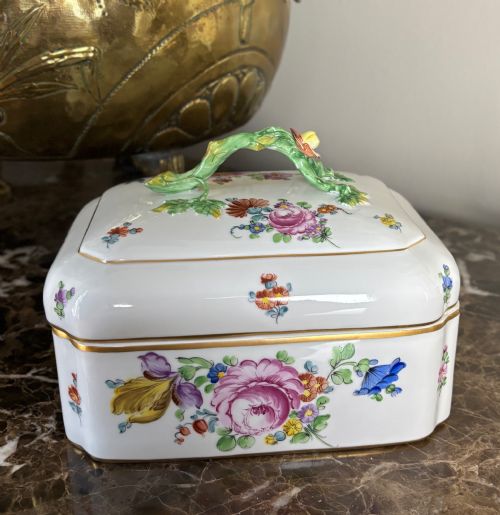
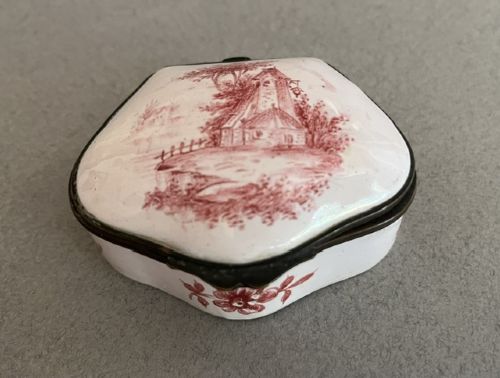
An antique porcelain container encompasses diverse forms such as trinket boxes, tea caddies, biscuit barrels, and small decorative jars. When exploring this selection, buyers most frequently encounter functional vessels from the nineteenth and twentieth centuries, originating from European factories and Asian kilns.
The objects serve varied historical domestic roles, ranging from holding loose tea leaves and biscuits to storing cosmetics, powder, or personal trinkets. Pieces span specific eras including the Victorian period, Edwardian years, and the Art Deco movement, alongside earlier Asian dynasties.
European examples often reflect revival styles or playful novelty designs, while Asian pieces display traditional blue and white painting or intricate polychrome enamel work. Each item combines ceramic body formation with specialised glaze or overglaze decoration suited to its original purpose.
Materials and construction
Makers formed these containers using refined white clay or paste, fired at high temperatures to achieve a vitreous ceramic body. Glaze was then applied to seal the surface, sometimes complemented by hand-painted enamel colours and underglaze blue pigments.
Many European and Asian vessels incorporate metal mounts, utilising gilt metal, silver plate, or solid brass for rims, hinges, and clasps. Artisans also applied gold leaf, gilding, and raised gold details to accentuate painted panels and borders.
Antique Porcelain Container Retail Price Guide 2026
Typical asking prices for porcelain container among the pieces listed under this phrase on Sellingantiques today, from the lower quarter to the upper quarter. They describe what is for sale here now, not the wider market.
The selection includes European factories and Asian kilns, showcasing forms ranging from tea caddies to figural powder bowls.
Judging quality and craftsmanship
Quality rests in the crispness of the porcelain moulding, the refinement of the glaze, and the precision of the hand-painted decoration. Finer pieces display detailed brushwork and secure mounting hardware that aligns cleanly with the ceramic edges.
The reputation of the maker or kiln heavily influences the standing of a piece, with established European manufactories and skilled Asian workshops achieving superior definition and artistic execution. The complexity of the form, whether an octagonal box or a figural powder bowl, further distinguishes standard production from exceptional work.
Royal Worcester·Edme Samson Of Paris·Tokyo Taizan·Meissen·Limoges
The Antique Porcelain Container Glossary
- Biscuit barrel
- A ceramic container fitted with a lid and often a metal handle, designed for storing dry biscuits at the table. These vessels typically date to the Victorian and Edwardian periods.
- Bonbonniere
- A small decorative box or jar originally intended for holding sweets or bonbons. They are frequently fashioned from fine porcelain with painted motifs.
- Gilding
- The application of gold leaf or gold powder to the surface of porcelain or metal mounts. It provides metallic contrast to the glazed ceramic body.
- Kamcheng
- A traditional covered jar originating from Chinese kilns, often decorated in blue and white or polychrome enamels. These vessels served functional storage roles in historical households.
- Pot pourri
- A decorative jar or vase featuring a pierced cover, designed to hold scented dried plant material. They allow fragrance to diffuse gently into a room.
Antique Porcelain Container: Frequently Asked Questions
What is an antique porcelain container used for?
These vessels were originally made for holding specific household goods, such as tea leaves, biscuits, cosmetics, or personal trinkets. Their varied forms reflect the practical domestic needs of past centuries.
Today, they serve equally well as decorative objects on a mantelpiece or as small storage vessels for modern dressing tables and desks.
How do I care for a porcelain container?
Keep the pieces away from direct sunlight and sudden temperature changes to protect the ceramic body and any delicate overglaze enamel painting. Dust them gently with a soft, dry cloth.
Avoid using liquid cleaners or abrasive materials, particularly on items that feature gilding, gold leaf, or delicate metal mounts.
How do I identify different periods?
Dating relies on observing stylistic markers, such as the geometric lines of Art Deco pieces or the ornate decoration typical of Victorian and Rococo Revival items. Maker marks stamped or painted on the base offer further chronological clues.
Comparing the painting style and the integration of metal mounts helps place a piece within its manufacturing era.
Were these containers made in sets?
Some vessels, such as tea caddies or matched pairs of jars and vases, were produced as part of larger dining or parlour sets. Other items, like individual trinket boxes or powder bowls, were created as standalone pieces.
Examining the scale and decorative theme helps determine if a container belonged to a larger grouping.