




Antique Porcelain Case
These antique porcelain cases are fitted vessels and decorative enclosures designed to safeguard delicate wares and objects of vertu.
Antique Porcelain Case
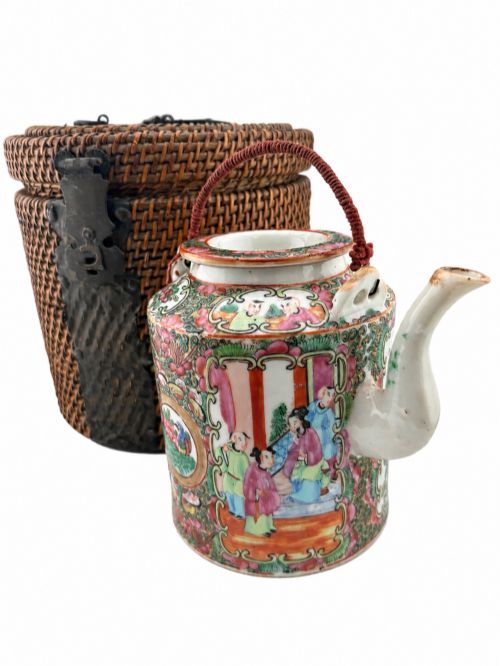
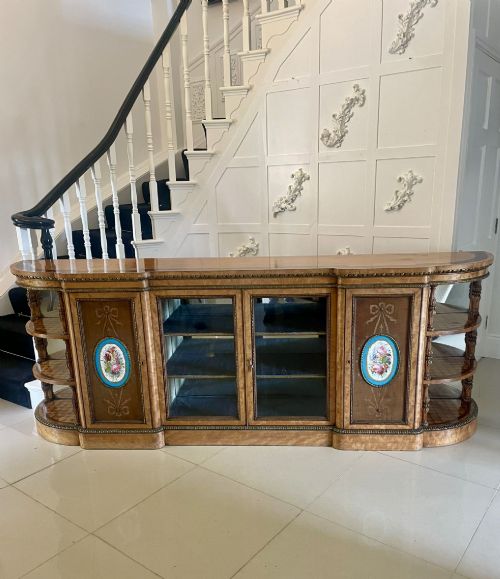
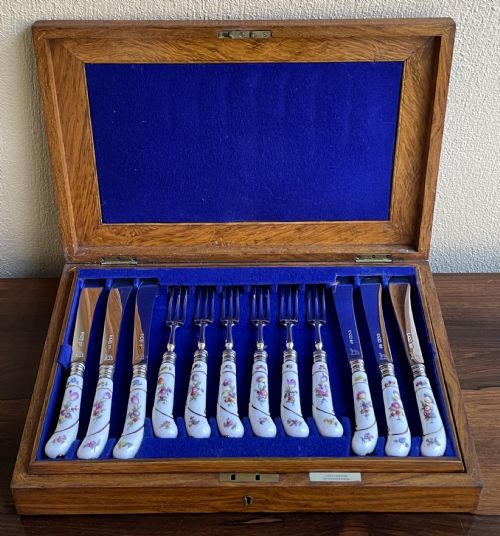
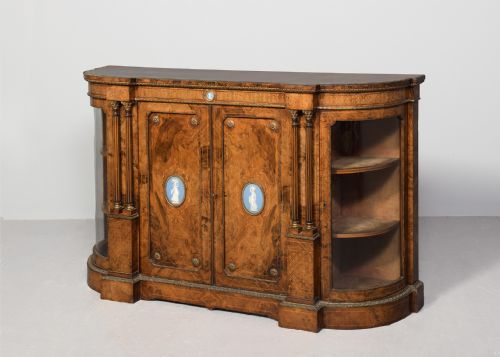
When you search for an antique porcelain case, you encounter a varied group of items ranging from fitted presentation boxes and etuis to large display furniture holding porcelain components. The selection includes smaller protective housings alongside substantial display cabinets mounted with porcelain plaques.
The objects span multiple eras, including the mid-eighteenth century, the Victorian and Edwardian periods, and the early twentieth century. Styles encompass Victorian, Edwardian, Rococo, French Napoleon III, and Chinese Republic Period aesthetics.
Smaller examples comprise fitted cases for specific services, such as dessert cutlery sets and demitasse cups. Larger items include glazed display cabinets and credenzas incorporating ceramic elements within their structures.
How they were made
Makers utilised fine base materials such as porcelain, glass, ormolu, satinwood, and burr walnut. Ormolu mounts and gilt-metal framing provide structural enhancement and decorative contrast to the ceramic surfaces.
Surface ornamentation involves marquetry inlay, hand-painting, and ebonising. Woodwork includes mahogany and satinwood construction paired with glazed panels to protect the contents within.
Antique Porcelain Case Retail Price Guide 2026
Typical asking prices for porcelain case among the pieces listed under this phrase on Sellingantiques today, from the lower quarter to the upper quarter. They describe what is for sale here now, not the wider market.
The listings here feature items from the mid-eighteenth century up to the Edwardian era, incorporating porcelain, glass, ormolu, and satinwood.
What varies in quality
The standard of execution depends on the precision of the metal mounts, the fineness of the hand-painted porcelain details, and the quality of the timber veneers. Pieces featuring finely chased ormolu and intricate marquetry demonstrate superior workshop capability.
Construction methods also define the tier of the piece, with exhibition quality items displaying complex joinery, precise glass fitting, and well-integrated ceramic plaques.
Meissen·Carrington·Drocourt·Royal Worcester·Royal Crown Derby
The Antique Porcelain Case Glossary
- Ormolu
- Gilded bronze used for decorative mounts and furniture trimming. It provides a bright metallic contrast to porcelain and timber surfaces.
- Etui
- A small decorative case designed to hold needles, cosmetics, or small implements. These fitted housings often feature ceramic or precious metal construction.
- Marquetry
- Inlaid wood veneers forming decorative patterns on furniture surfaces. Craftsmen combine contrasting timbers such as satinwood and walnut.
- Credenza
- A large sideboard or display unit used in formal reception rooms. These pieces frequently incorporate glazed doors and ceramic plaques.
- Demitasse
- A small cup used for serving strong black coffee or espresso. They frequently appear within fitted presentation cases alongside saucers.
Antique Porcelain Case: Frequently Asked Questions
What is an antique porcelain case?
An antique porcelain case refers to both protective housings for ceramic items and large display furniture featuring porcelain elements. These objects range from small etuis to substantial cabinets.
They serve to store, protect, or exhibit fine wares within domestic interiors.
How were these cases used?
Smaller cases safeguarded delicate personal items, teapots, or specialised sets of cutlery and cups. Larger glazed units displayed precious ceramics and decorative objects.
They functioned as both practical storage and prominent drawing room display furniture.
How do I date a porcelain case?
Dating relies on stylistic markers such as Rococo curves, Victorian ebonisation, or Edwardian mahogany framing. Material combinations and mounting techniques also indicate specific periods.
Maker marks on the porcelain or metalwork help pinpoint the decade of manufacture.
Where should I place a display case?
Display cabinets and credenzas suit principal reception rooms where their glazed panels protect contents from dust. Smaller cased sets require stable surfaces away from direct sunlight.
Proper placement ensures the timber and ceramic components remain in stable atmospheric conditions.