



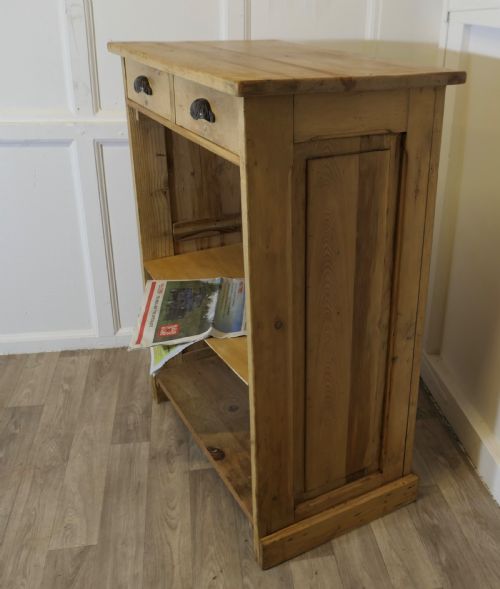


Antique Podium
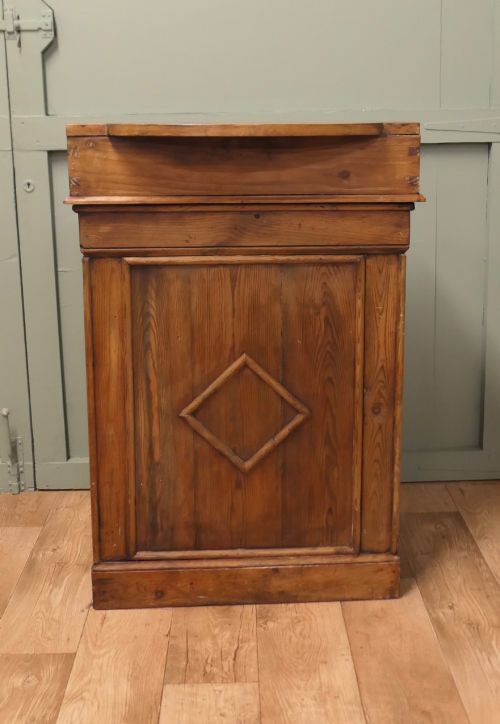
An antique podium brings sculptural presence to any room, offering a sturdy architectural pedestal designed for reading, greeting, and public address.
Antique Podium
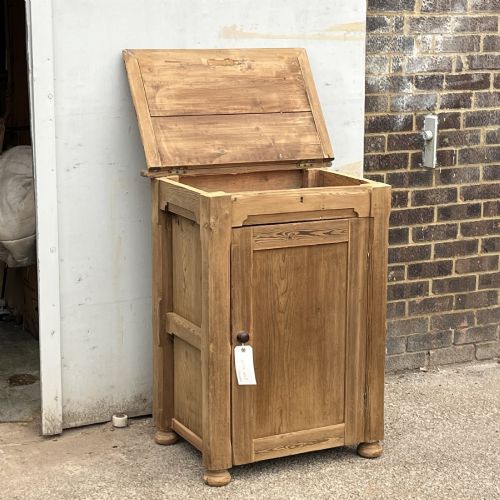
When buyers search for an antique podium, they encounter a specialised category encompassing church lecterns, reading stands, restaurant reception greeters, and music desks. These pieces span the nineteenth century into the 1930s, reflecting periods such as Victorian, Edwardian, and William IV.
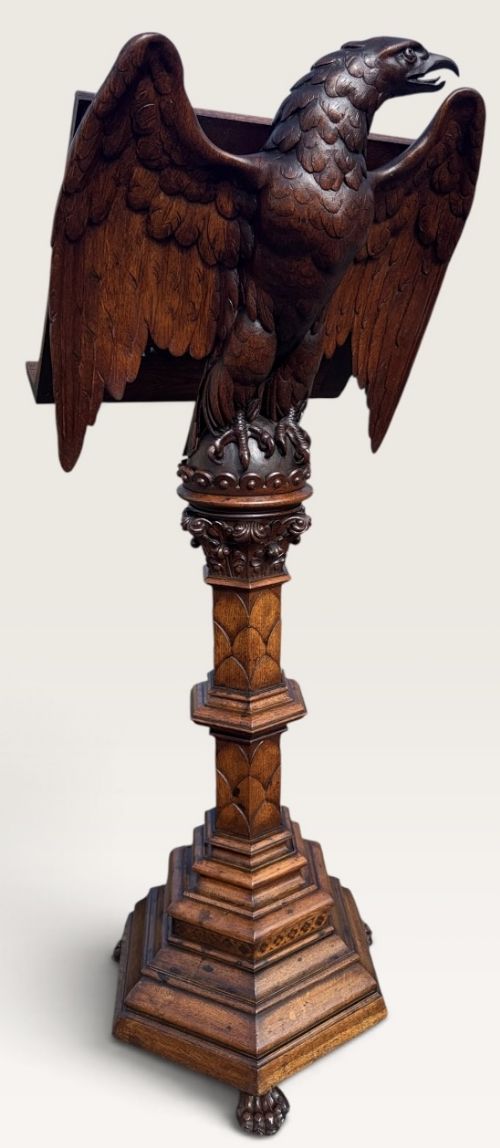
Oak forms the backbone of these pieces, alongside pine, mahogany, and rosewood. Forms range from heavy carved church furniture featuring eagles to adjustable tables and hotel greeting stations.
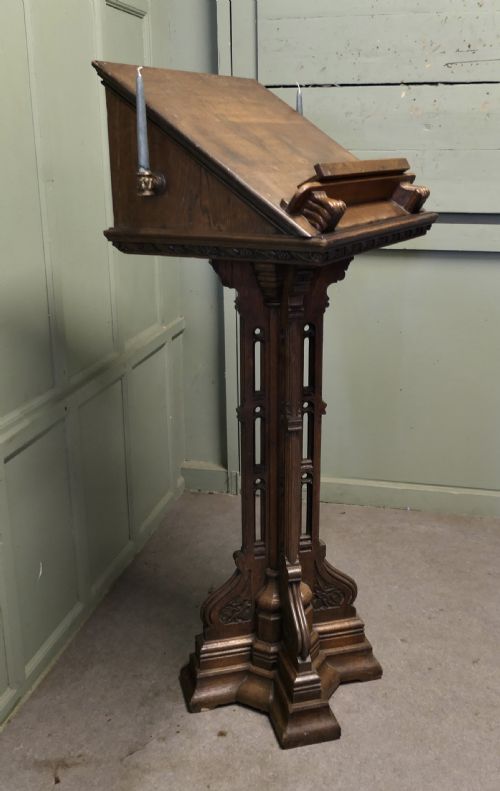
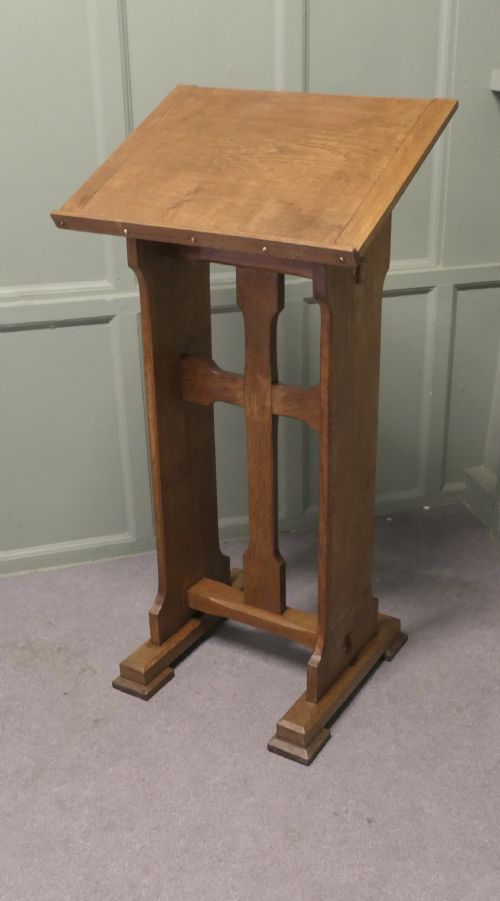
The version most commonly met on this page is the oak lectern or reading stand, often showing Gothic Revival or Arts and Crafts influence, designed either for ecclesiastical use or public hospitality.
Materials and construction
Construction relies heavily on solid timbers like oak and pine, frequently joined with traditional methods to support heavy books and daily handling. Carved wooden details define ecclesiastical pieces, particularly sculptural figures such as eagles.
Metal components play a structural and functional role, incorporating brass work and cast iron mechanisms to allow height adjustment and tilting book rests. Selected tables also utilise glass elements alongside mahogany or rosewood surfaces.
Antique Podium Retail Price Guide 2026
Typical asking prices for podium among the pieces listed under this phrase on Sellingantiques today, from the lower quarter to the upper quarter. They describe what is for sale here now, not the wider market.
Listings feature pieces spanning the nineteenth century, the Victorian period, Edwardian utility, and the nineteen-thirties, constructed in oak, pine, mahogany, and rosewood.
Assessing quality and craftsmanship
Quality in these pieces rests upon the depth of the carving, the integration of adjustable brass or iron mechanisms, and the choice of primary timber. Heavier carved oak items show distinct sculptural ambition compared to simpler utility tables.
The transition from utilitarian church furniture to refined reception stations demonstrates variations in design ambition, from straightforward pine construction to richly figured rosewood and mahogany with marine themes.
Harrods
The Antique Podium Glossary
- Lectern
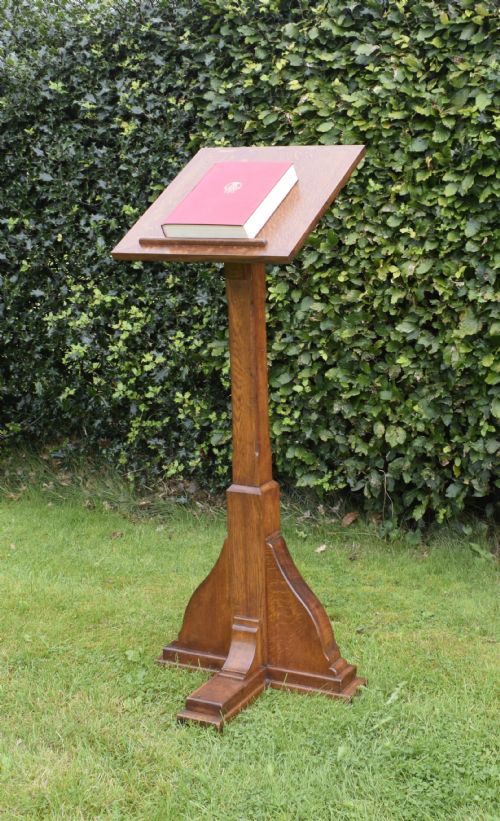
- A tall stand with a sloping book rest designed to hold a book for reading aloud. These pieces often feature adjustable heights and decorative carving.
- Gothic Revival
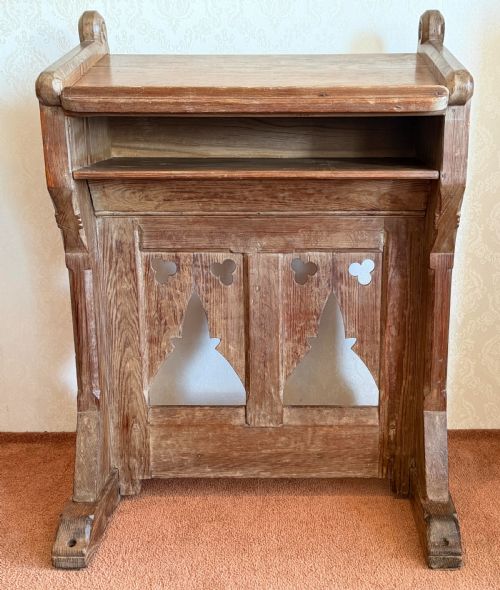
- An architectural and decorative style popular during the nineteenth century characterised by pointed arches, trefoils, and heavy carved tracery.
- Arts and Crafts
- A design movement valuing handcraftsmanship, simple forms, and honest materials. Pieces in this style display solid oak construction and understated joinery.
- Reading Stand
- A smaller table or support designed specifically to hold books at an angle for comfortable reading. They frequently incorporate adjustable brass mechanisms.
- William IV
- A stylistic period bridging the Regency and Victorian eras known for robust proportions and dark woods like rosewood and mahogany.
Antique Podium: Frequently Asked Questions
What is an antique podium used for?
These pieces function primarily as elevated supports for reading, delivering speeches, or holding large volumes in domestic and ecclesiastical settings. Modern interiors also utilise them as reception greeter stations in hospitality venues.
Their adjustable book rests and sturdy pedestals make them practical for displaying open books or greeting guests at an entrance.
How do I adjust the height?
Adjustment mechanisms vary depending on the period and origin, often utilising brass screws, iron ratchets, or sliding wooden pillars. Nineteenth-century examples frequently rely on turned wooden collars and metal pins.
Careful handling of the mechanism prevents damage to the internal shafts, particularly on heavier oak and pine reading stands.
Are these pieces suitable for home use?
Their architectural presence allows them to serve as striking focal points in studies, hallways, or living rooms. They hold open art books or function as standing desks.
Smaller reading tables and music stands fit easily into residential spaces while retaining their original utilitarian character.
How do I date an antique podium?
Dating relies on stylistic clues, timber selection, and mechanical hardware. Pieces exhibiting Gothic Revival carving or heavy oak construction typically point to the nineteenth century.
Later Edwardian utility examples and twentieth-century items show simpler lines, reflecting shifts in interior taste and manufacturing methods.