




Antique Pocket Scent
These antique pocket scent bottles and vinaigrettes are small, portable vessels designed to carry perfumes or aromatic vinegars.
Antique Pocket Scent
When you search for antique pocket scent, you are looking at small personal containers designed to hold perfumes, salts, or aromatic vinegars during the Georgian, Victorian, and early twentieth-century periods. These items were carried in pockets or reticules by individuals who needed to mask unpleasant odours or revive themselves in crowded spaces.
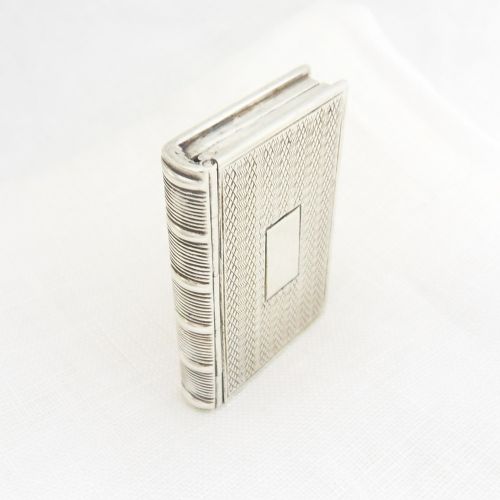
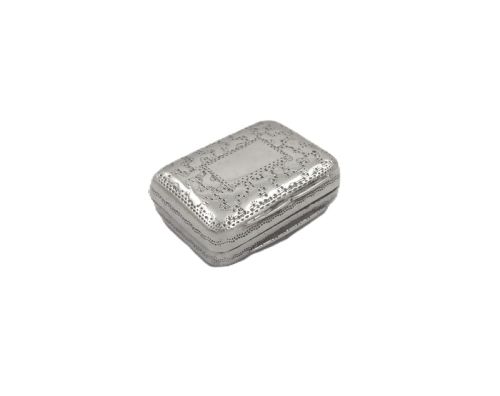
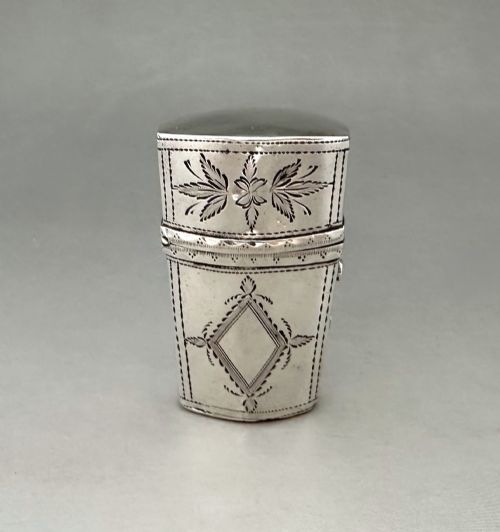
The pieces you are most likely to meet on this page include silver vinaigrettes, often shaped as books or rectangular boxes with internal pierced grilles, alongside glass scent bottles and flasks. Examples span from the mid-eighteenth century through the nineteenth century to the Art Deco and George V eras.
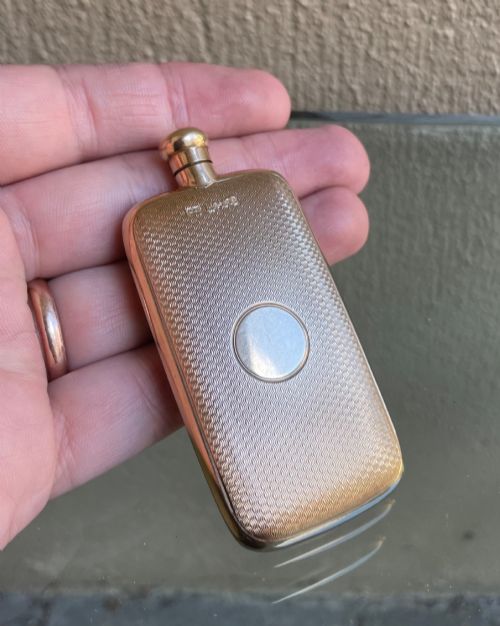
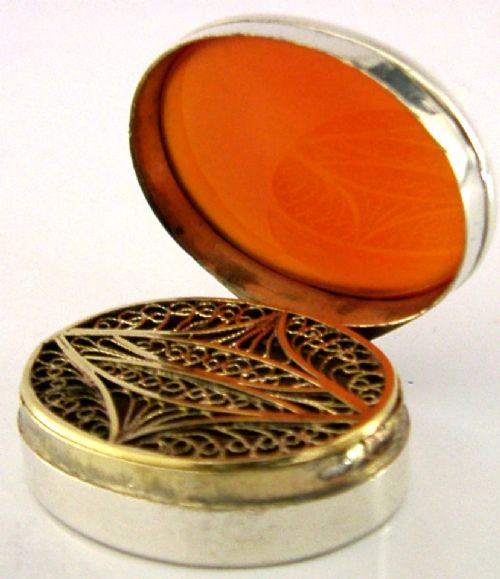
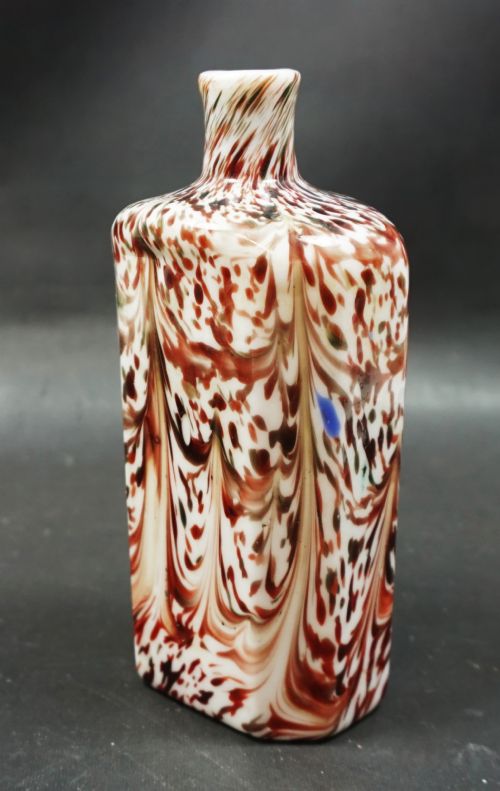
Forms vary from simple silver casings to specialised pocket items such as combined scent bottles and corkscrews. Materials range from solid sterling silver and nine-carat gold to milk glass, opaline glass, and coloured glass frit, sometimes paired with stones like orange agate.
How they were made
Makers constructed these pocket scent containers using precious metals such as sterling silver and nine-carat gold, often employing silversmithing techniques to form hinged boxes, books, and flasks. Pierced internal grilles in vinaigrettes required careful metalwork to allow the release of scents soaked into a sponge beneath.
Glass vessels were produced using blowing and moulding methods, utilising materials like milk glass, opaline glass, and coloured glass frit to achieve distinct appearances. Some glass flasks received splattered decoration or were fitted into silver outer cases.
Surface decoration involved engine-turning, repoussé work, and specialised relief casting, such as castle top designs depicting specific buildings like Christchurch College, Oxford. Hallmarks stamped into the metal components record assay office marks, dates, and maker details.
Antique Pocket Scent Retail Price Guide 2026
Typical asking prices for pocket scent among the pieces listed under this phrase on Sellingantiques today, from the lower quarter to the upper quarter. They describe what is for sale here now, not the wider market.
What varies in quality
The standard of a piece depends on the crispness of its metalwork, particularly the definition in repoussé scenes and castle top reliefs. Finer examples display sharp architectural details and secure, well-fitted hinges that operate smoothly.
Material choice and glass quality influence the overall character of the piece. Coloured glass frit, layered opaline, and selected stones like orange agate demonstrate greater material ambition than plain glass or standard metal casings.
Taylor and Perry·John Bettridge·G H James and Co
The Antique Pocket Scent Glossary
- Vinaigrette
- A small metal box containing a sponge soaked in aromatic vinegar or smelling salts, featuring a hinged lid and an internal pierced grille.
- Opaline glass
- An opaque or translucent glass, often in shades like blue, popular in Victorian scent bottles for its smooth, porcelain-like appearance.
- Castle top
- A style of metalwork relief on nineteenth-century boxes and vinaigrettes depicting a specific British building or landmark, such as an Oxford college.
- Glass frit
- Crushed or powdered coloured glass fused onto the surface of a vessel during manufacturing to create splattered or mottled decoration.
- Sterling silver
- An alloy of silver containing 92.5 percent silver by mass, standard in British pocket scent bottles and hallmarked for purity.
Antique Pocket Scent: Frequently Asked Questions
What is the difference between a scent bottle and a vinaigrette?
A scent bottle holds liquid perfume and usually has a stopper or screw cap to seal the contents. A vinaigrette is a small box designed to hold a sponge soaked in aromatic vinegar, fitted with a hinged lid and an internal pierced metal grille.
While both served to counter unpleasant smells in daily life, their internal mechanisms and the substances they carried differed completely.
How do I date a silver scent piece?
British silver scent bottles and vinaigrettes typically feature hallmarks that indicate the assay office, the maker, and a date letter corresponding to the year of testing. These stamped marks provide a reliable guide to the period of manufacture.
Additional dating clues come from the overall style, such as Georgian box forms or later Art Deco geometric designs.
What are castle top vinaigrettes?
Castle top vinaigrettes are nineteenth-century silver boxes featuring a detailed architectural relief of a specific British building, such as a college or stately home, stamped or chased onto the lid. These pieces were often produced as souvenirs or commemorative items.
The quality of the architectural depiction varies depending on the skill of the silversmith.
How were glass scent bottles carried?
Pocket glass scent bottles were often housed in protective metal cases or carried within fitted compartments in a pocket or purse to prevent breakage. Many featured secure screw caps or stoppers designed to prevent leaks during travel.
Materials like milk glass and opaline glass provided both durability and visual appeal for daily use.