





Antique Pint Mug
An antique pint mug brings solid weight and tactile history to the table, offering a tangible connection to centuries of social drinking traditions.
Antique Pint Mug
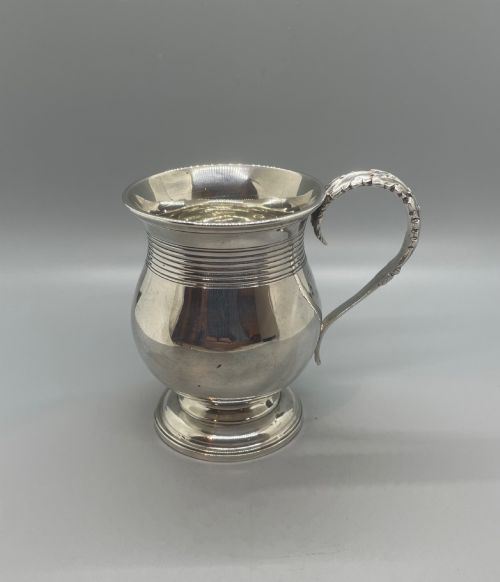
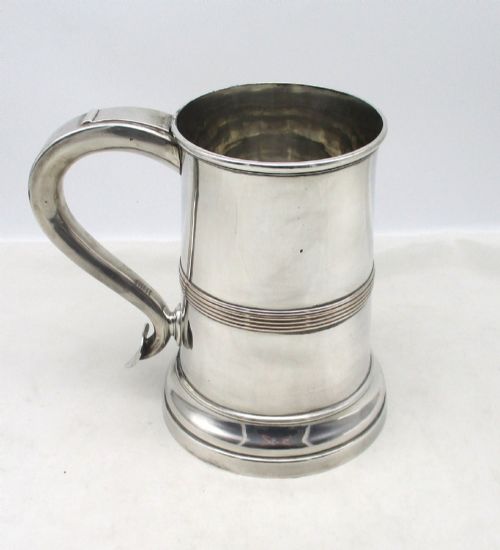
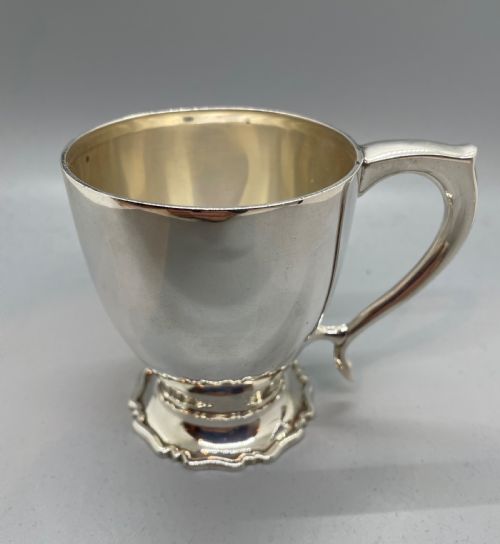
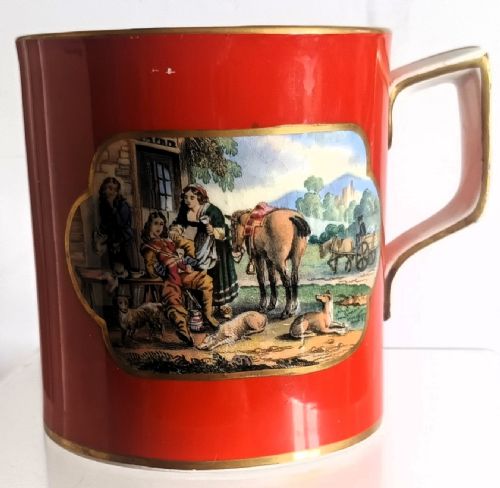
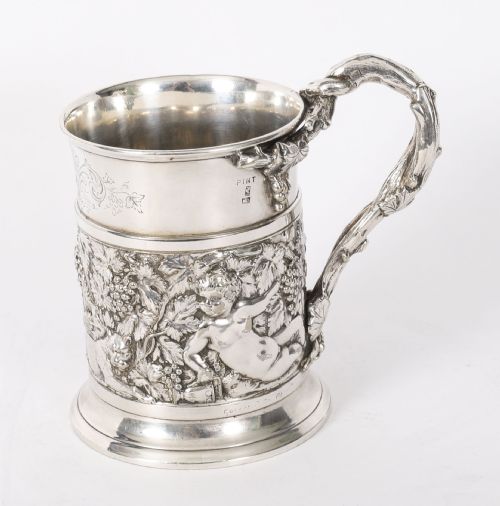
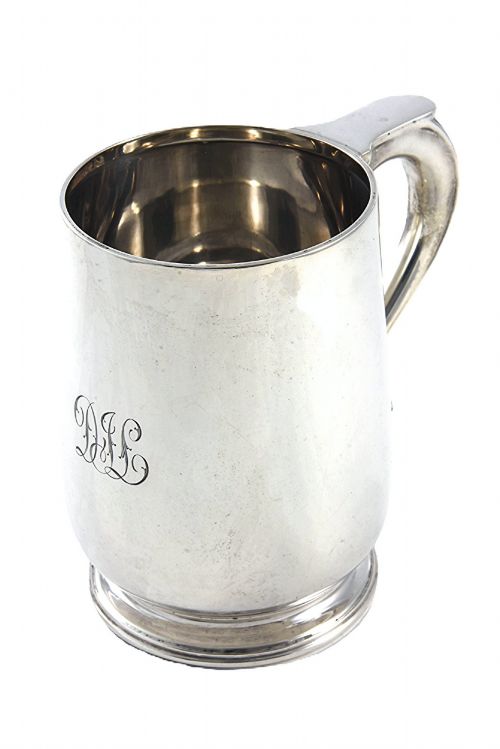
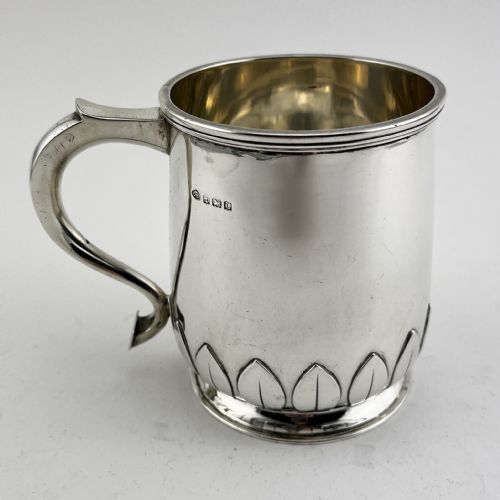
An antique pint mug is a robust drinking vessel designed for ale, beer, or cider, appearing across the eighteenth, nineteenth, and early twentieth centuries in various metals and ceramics. These vessels range from plain domestic workhorses to decorative pieces fashioned for display or formal use.
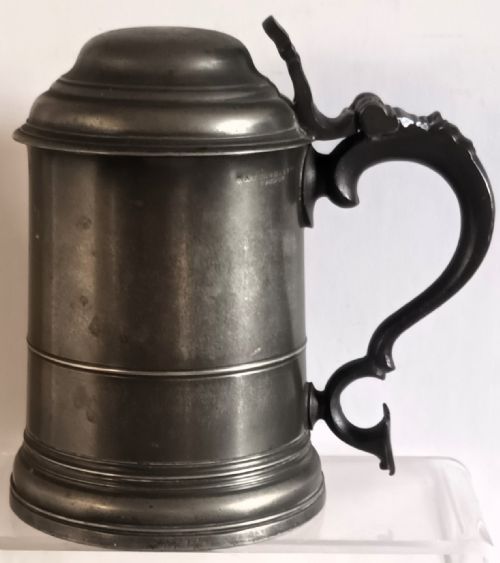
The selections span traditional forms including straight-sided, bell-shaped, and lidded tankards alongside pottery and porcelain variants. Most examples on this page date from the Georgian and Victorian eras, reflecting the period's domestic drinking customs.
Makers shaped these drinking vessels in sterling silver, pewter, Old Sheffield plate, copper, and ceramic, resulting in diverse textures and patinas. Each material brings its own weight and balance to the hand, defining the daily utility or formal presentation of the mug.
How they were made
Silversmiths and pewterers raised vessels from sheets of metal or cast them in moulds, soldering components such as handles and bases securely to the body. Pewter alloys of tin, copper, and lead provided a durable, malleable substance easily shaped into measures and tankards.
Old Sheffield plate combined a thin layer of silver fused to a copper core, allowing makers to produce substantial vessels with the appearance of solid silver at a different cost. Potters shaped clay on the wheel or in moulds before applying glazes and firing Chinese export porcelain, Pratt-ware, or earthenware.
Antique Pint Mug Retail Price Guide 2026
Typical asking prices for pint mug among the pieces listed under this phrase on Sellingantiques today, from the lower quarter to the upper quarter. They describe what is for sale here now, not the wider market.
Listings feature items spanning the eighteenth to the twentieth centuries, utilising materials such as sterling silver, pewter, copper, and Old Sheffield plate.
What varies in quality
Quality rests in the heaviness of the metal gauge, the clean line of the soldered joints, and the crispness of any chased or engraved decoration. Substantial walls and well-balanced handles indicate a piece made for serious service rather than economy.
The integrity of the surface finish matters greatly, whether it involves the preservation of original silver plating over copper or the smooth glaze on a ceramic body. Maker marks and touchmarks stamped clearly into the metal elevate the standing of the piece by confirming its origin and standard.
G R Collis·Watts and Harton·William Grundy·Richard Morton·Burgum and Catcott
The Antique Pint Mug Glossary
- Tankard
- A tall drinking vessel with a handle, frequently featuring a lid and thumbpiece, used for ale or beer.
- Old Sheffield plate
- A composite material formed by fusing a sheet of silver to a thicker copper base, popular before electroplating.
- Touchmark
- An official stamp or hallmark impressed by a pewterer or silversmith to guarantee the standard of the metal.
- Pratt-ware
- An English earthenware typically decorated underglaze with cobalt blue, ochre, and other colours in defined relief patterns.
- Chinese Export
- Porcelain manufactured in China specifically for Western markets, often featuring hand-painted armorial or floral decoration.
Antique Pint Mug: Frequently Asked Questions
How do I clean an antique metal mug?
Wash pewter and silver vessels gently in warm, soapy water using a soft cloth, avoiding harsh abrasive dips that strip natural patinas.
Dry the metal thoroughly with a lint-free towel to prevent water spots and preserve the historic surface finish.
Can I still drink from an antique mug?
Many metal and ceramic vessels remain physically capable of holding liquids, though old pewter may contain historic levels of lead.
Consider the interior condition and material composition before using antique drinkware for consumption today.
What is the difference between a mug and a tankard?
Tankards traditionally incorporate a hinged lid and a thumbpiece to keep drinks covered, while mugs remain open at the top.
Both forms served similar functions for ale and beer across the eighteenth and nineteenth centuries.
How do I date an unmarked pewter pint mug?
Examine the overall form, handle shape, and rim profile, comparing them against documented styles from the Georgian and Victorian periods.
Maker touchmarks, wear patterns on the base, and construction methods offer additional clues to the decade of manufacture.