

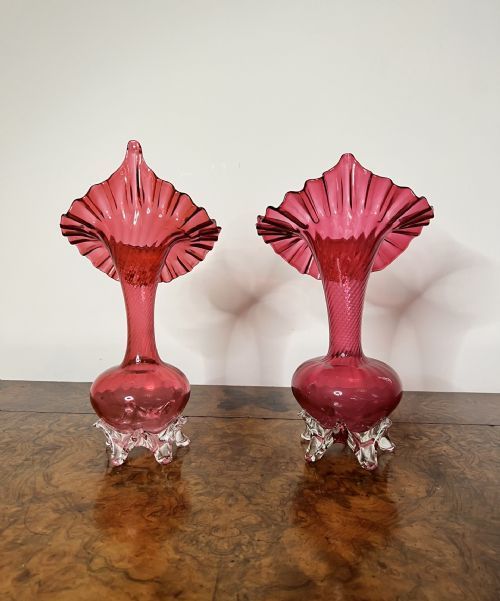


Antique Pink Glassware
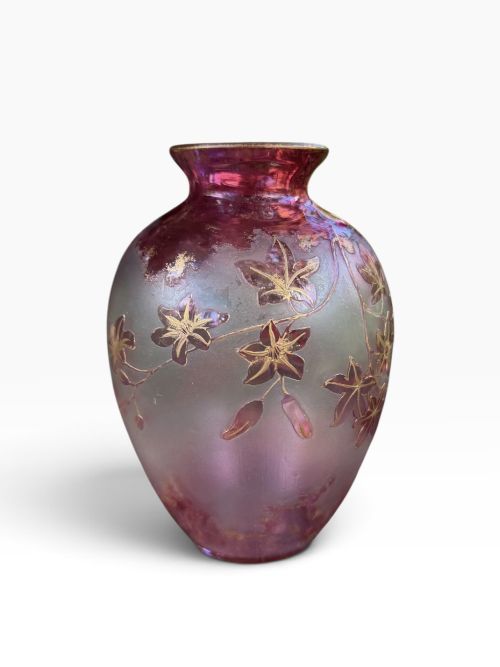
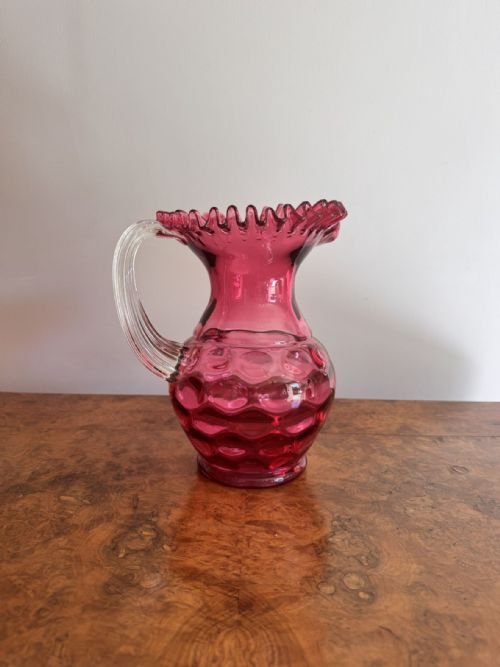
These pieces of antique pink glassware bring warmth and deep colour to a room through rich cranberry tones, delicate enamel, and iridescent finishes.
Antique Pink Glassware
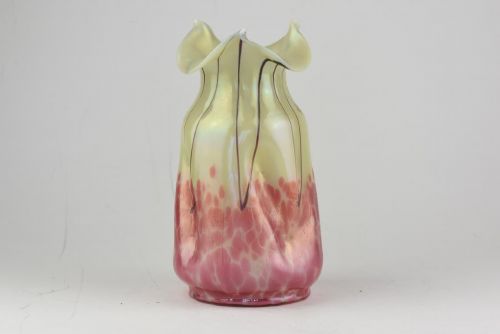
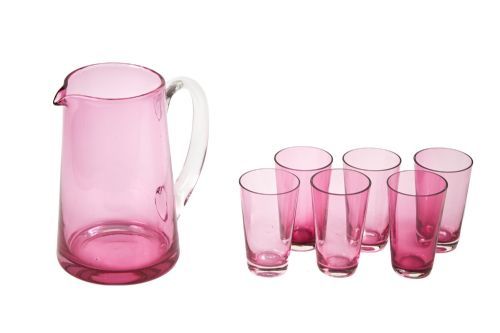
When you search for antique pink glassware, you find decorative items and tableware created primarily during the Victorian, Edwardian, and Art Nouveau periods. The selection here centres heavily on cranberry glass vessels, alongside cameo glass and enamelled opaline pieces.
The forms span practical table settings and decorative display objects. You will encounter wine glasses, liqueur sets, jugs and pitchers, alongside larger statement pieces such as epergne centre pieces and biscuit barrels with silver-plated mounts.
Originating largely from the nineteenth and early twentieth centuries, these items capture the shifts in design from robust Victorian forms to the fluid lines of Art Nouveau and the structured geometry of the Vienna Secession.
How they were made
Makers achieved the distinct pink and red tones of cranberry glass by adding gold chloride to the molten batch. This traditional method produced a rich colour that saturates the material completely rather than sitting as a surface wash.
Decoration often involved acid-etching, enamelling, or layering different coloured glass blanks to create cameo relief designs. Surface treatments also included frosting or applying iridescent finishes to catch the light.
Many utilitarian items incorporated metal elements, mounting the glass within silver plate for stands, handles, and hinged lids. These metal mounts required precise smithing to secure the blown glass vessels safely.
Materials recorded across the inventory include cranberry glass, clear glass, enamel, cameo glass, acid-etched glass, silver plate, iridescent glass, and frosted glass.
What varies in quality
The depth and evenness of the glass coloration set the baseline for quality. Skilled glassblowers controlled the gold content and furnace temperatures to ensure the pink hue remained rich and consistent without muddy streaks.
Detailing in the secondary work separates standard production from finer output. Hand-applied enamel work, crisp acid-etching, and deeply carved cameo motifs demonstrate superior handcrafting skills from makers working in specialised glasshouses.
Completeness and matching components dictate desirability, particularly for sets of wine glasses, liqueur stands, or jug and bowl combinations. Retaining original silver-plated mounts and matching sets intact adds significantly to the integrity of the piece.
Pallme Konig·Galle·Otto Prutscher·Meyr’s Neffe
The Antique Pink Glassware Glossary
- Cranberry Glass
- A type of transparent glass coloured with gold oxide, yielding a pinkish-red hue popular throughout the Victorian era. It forms the basis of many jugs, wine glasses, and decorative bowls.
- Cameo Glass
- An art glass technique involving at least two fused layers of contrasting colours, where the outer layer is carved away to leave a raised design. Galle utilised this method for floral and landscape motifs.
- Epergne
- A large table centrepiece featuring a central bowl with multiple arms or horns branching out to hold fruit, flowers, or sweetmeats. Victorian examples in pink glass created striking dining table displays.
- Acid-Etched Glass
- Glass decorated by applying an acidic substance to eat away exposed surfaces, creating textured patterns or frosted designs. This technique allowed for precise decorative detailing.
- Opaline
- An opaque or semi-opaque glass, often pale pink or white, popular during the nineteenth and early twentieth centuries. It provided a smooth surface suited to delicate enamelling.
Antique Pink Glassware: Frequently Asked Questions
What is cranberry glass?
Cranberry glass is a transparent pink or red material made by adding gold to the molten batch. This technique produces a warm, uniform colour that defined much of the tableware and decorative glass of the nineteenth century.
The intensity of the shade depends on the amount of gold used and the heat of the furnace. It appears frequently in jugs, wine sets, and display pieces from the Victorian period onwards.
How do I date an epergne?
Dating an epergne relies on examining the complexity of the glass blowing, the form of the central bowl, and the construction of the supporting arms. Victorian examples often feature ruffled rims and applied trailing.
Later Edwardian pieces introduced lighter pastel shades and simpler frameworks. Comparing the manufacturing style to known dated pieces helps narrow the decade of production.
Can I use these wine glasses?
Using antique wine glasses is possible, though hand washing is essential to protect the delicate material and any applied decoration. Enamelled designs and older glass structures do not tolerate modern dishwashers.
Careful handling prevents chipping on the thin rims typical of nineteenth-century drinkware sets. Storing them securely ensures the survival of matched sets.
What is cameo glass?
Cameo glass is created by fusing two or more layers of coloured glass together and carving away the top layer to reveal a contrasting design. This demanding technique produces high-relief ornamentation.
Master glassmakers of the Art Nouveau period employed this method to depict natural subjects such as flowers, landscapes, and aquatic scenes on vases.
How do I clean silver mounts?
Cleaning silver-plated mounts on items like biscuit barrels requires mild silver polish and a soft cloth, keeping the solution away from the surrounding glass. Enamelled or acid-etched glass surfaces need only gentle wiping with a damp cloth.
Avoiding harsh chemical dips protects both the metal plating and the integrity of the glass body. Regular, gentle maintenance preserves the original finish of the piece.