


Antique Pink Ceramics
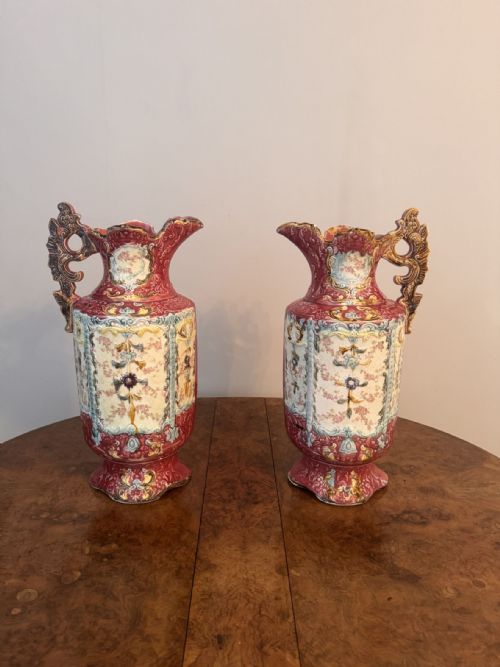
These antique pink ceramics bring vibrant colour and historic craftsmanship to tables and shelves through lustres, figures, and painted vessels.
Antique Pink Ceramics
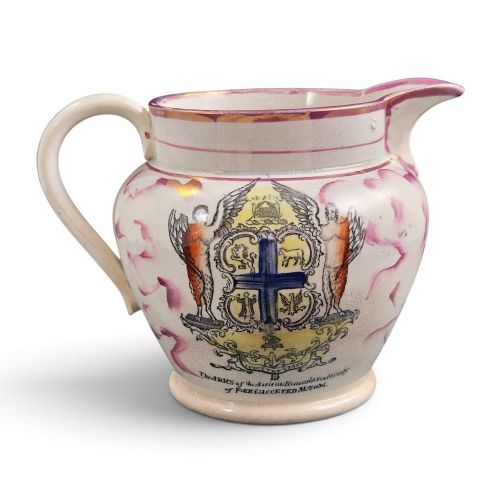
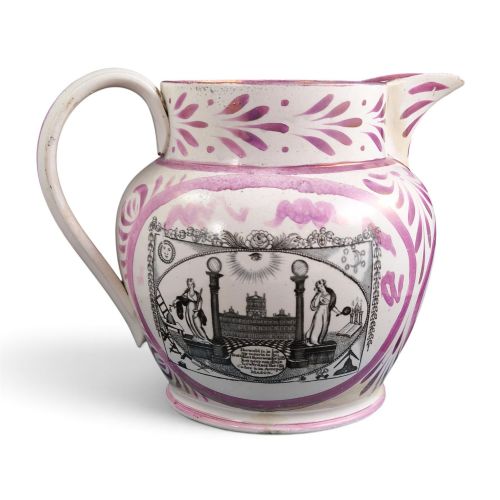
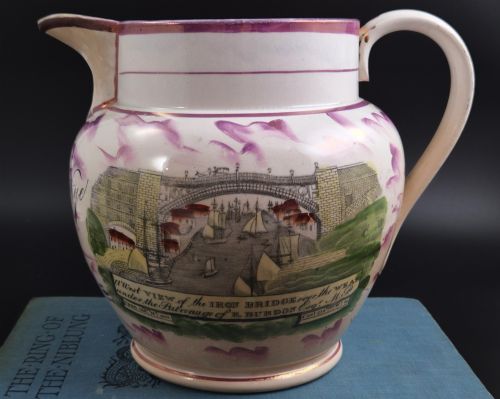
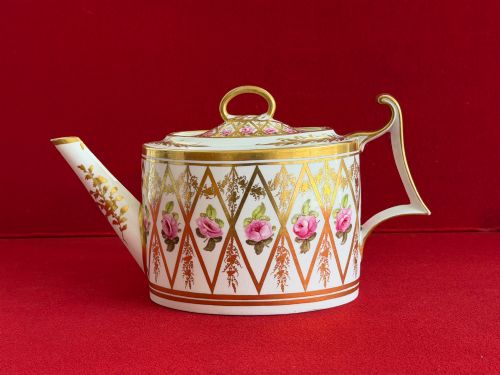
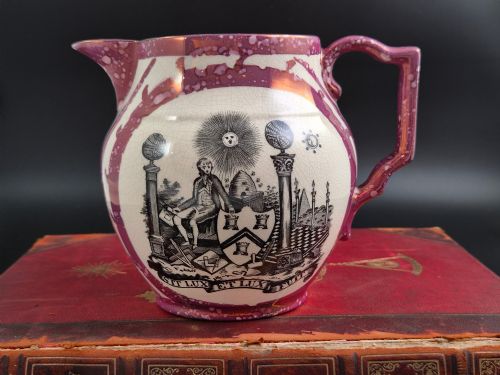
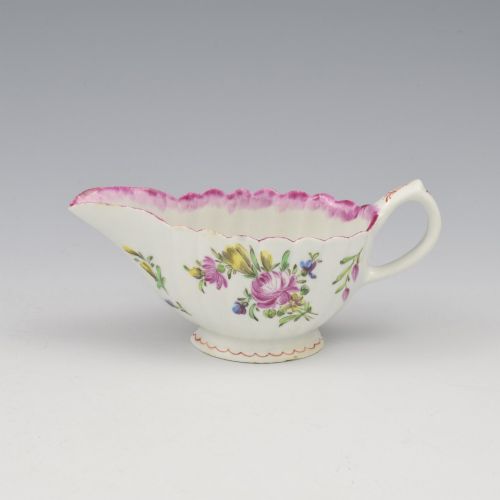
Antique pink ceramics encompass a varied range of decorative items, from 18th-century porcelain tea wares and figures to robust 19th-century lustre jugs featuring maritime themes and masonic symbols.
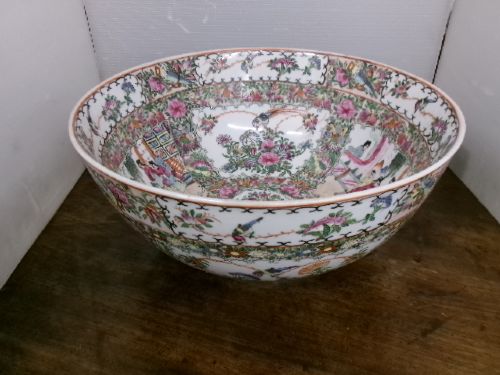
Buyers frequently encounter English earthenware and porcelain, particularly characteristic pink splash lustre pieces alongside Chinese export bowls and continental porcelain figurines.
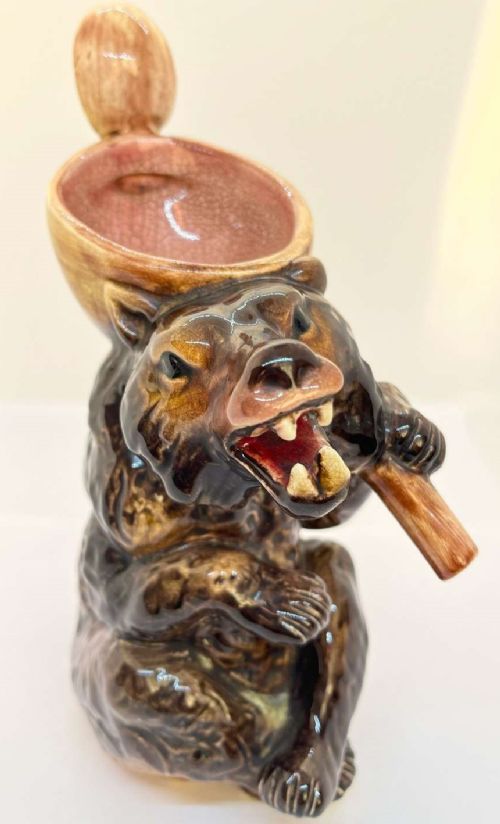
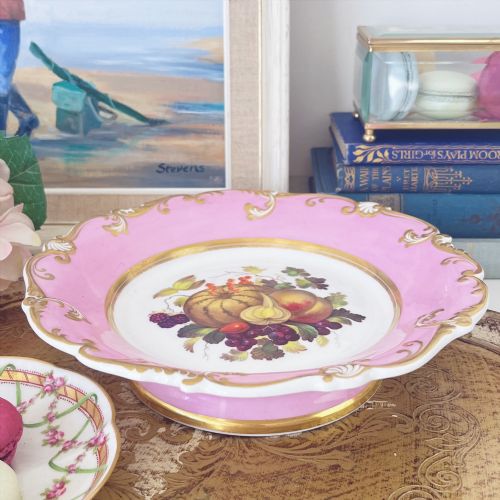
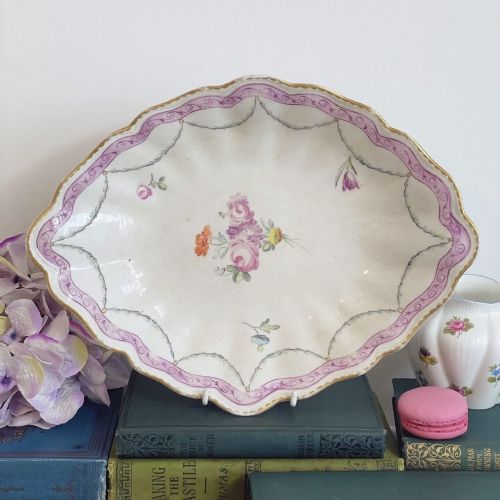
The selection spans formal Georgian comports, Victorian majolica sardine boxes, and striking Art Nouveau figures, demonstrating diverse uses across multiple centuries.
Materials and Technique
Potters shaped these objects using porcelain and earthenware bodies, applying fluid glazes and enamel colours before firing in traditional kilns.
Metallic lustres were achieved through specialised chemical treatments that produced shimmering pink and copper sheens during secondary lower-temperature firings.
Finishing touches often included handpainted polychrome details, gilt highlights, and gold leaf applications to accent moulded surface designs.
One ceramic fairing depicts the domestic urgency of ensuring the last person in bed actually extinguishes the household candle.
Quality and Distinction
Quality rests upon the crispness of the original moulding and the precision of the handpainting, where fluid brushwork elevates standard production pieces.
The depth and consistency of the pink glaze or lustre application distinguish superior examples from flatter, more uniform surfaces.
Intact original elements, clear factory marks, and well-preserved gilt details separate fine cabinet specimens from heavily handled domestic wares.
H & R Daniel·Royal Doulton·Grainger Worcester·George Jones·Royal Dux Bohemia·Bourdois & Bloch
The Antique Pink Ceramics Glossary
- Lustreware
- Earthenware or porcelain decorated with a metallic film that produces an iridescent surface sheen. Pink lustre often utilised gold in the glaze mixture.
- Majolica
- A type of earthenware coated with an opaque tin glaze and painted with brightly coloured metal oxides. Victorian makers utilised this technique for modelled animal and plant forms.
- Famille Rose
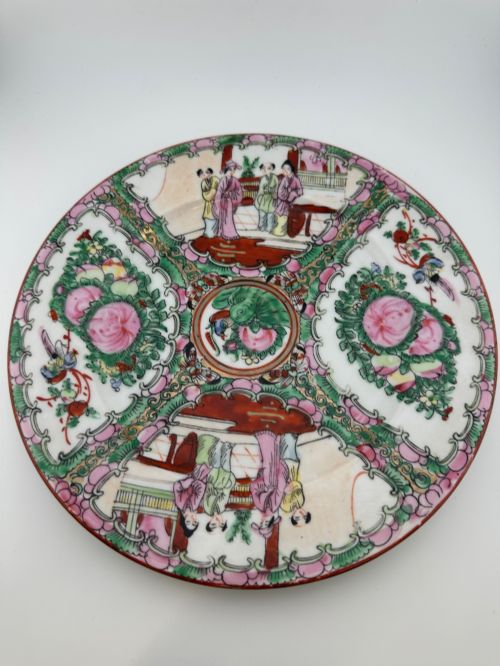
- A palette of Chinese porcelain enamels dominated by opaque pink hues derived from gold. It gained prominence during the Qing dynasty and inspired numerous European imitations.
- Comport
- A decorative dish or bowl raised on a stem and foot, used for serving fruit or sweets at formal dining tables. These often featured handpainted scenes and shaped edges.
Antique Pink Ceramics: Frequently Asked Questions
What is pink lustre ware?
Pink lustre ware is a type of pottery featuring a metallic glaze that creates a distinctive pink or purple sheen. Potters achieved this effect by applying a thin layer of gold solution to the ceramic surface.
These pieces were especially popular during the nineteenth century, often decorated with transfer-printed ships, bridges, or masonic emblems.
How are periods identified?
Periods are identified through a combination of paste composition, glaze characteristics, style, and maker marks. Eighteenth-century porcelain typically feels lighter and shows different translucency compared to heavier Victorian earthenware.
Comparing decorative motifs against documented factory patterns helps narrow down the exact decade of production.
Were lustre jugs used daily?
Many lustre jugs served practical functions in households before becoming purely decorative cabinet items. Larger vessels held beer or water for communal dining and tavern use.
Smaller commemorative jugs were often given as gifts to mark marriages, voyages, or fraternal memberships.