


Antique Pine Frame
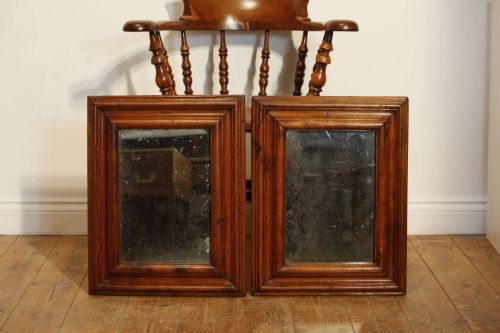
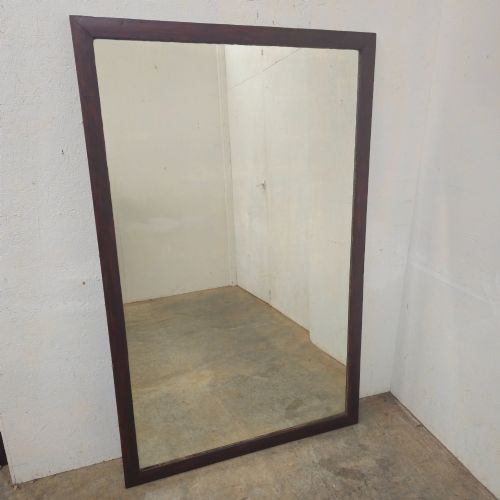
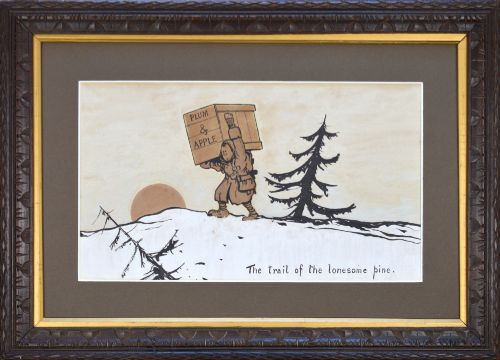
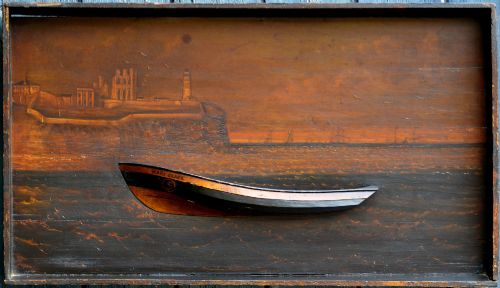
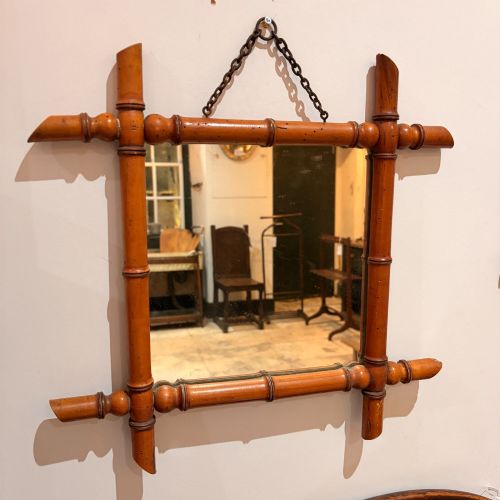
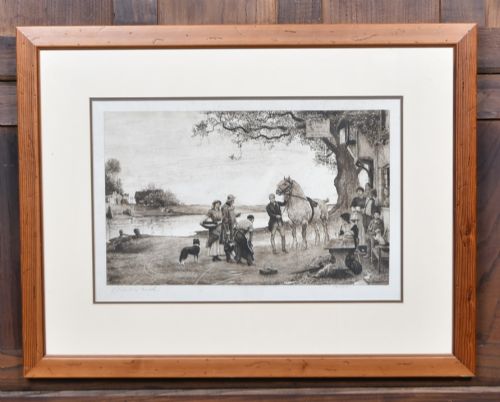
An antique pine frame grounds a picture or a mirror with honest timber and quiet grain.
Antique Pine Frame
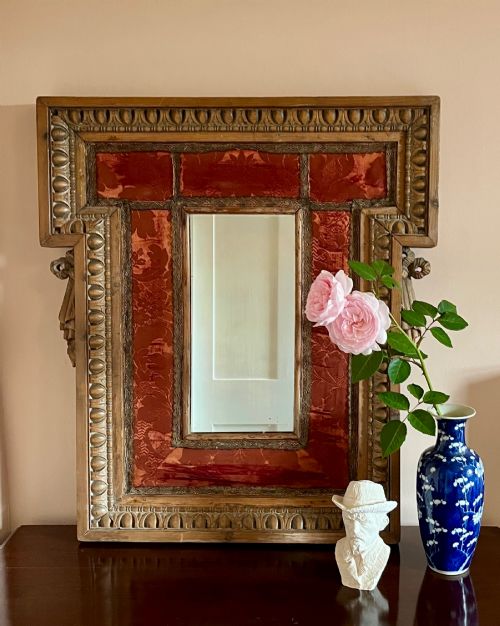
An antique pine frame brings together domestic woodwork and utilitarian timber from the eighteenth, nineteenth, and early twentieth centuries. Buyers searching for an antique pine frame encounter architectural salvage, picture surrounds, and mirror borders shaped in styles ranging from Georgian and Victorian to Scandinavian Country and rustic farmhouse.
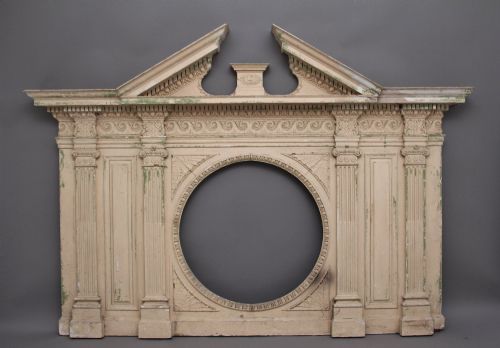
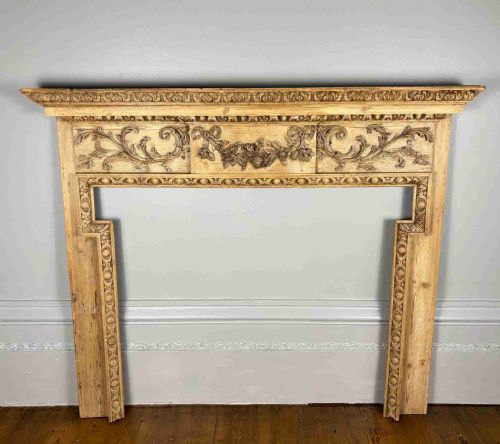
The material spans standard white pine, dense pitch pine, and painted timber surfaces that carry the marks of age. Pieces take the form of overmantle surrounds, picture holders, and architectural fragments adapted to frame mirrors or artwork.
How they were made
Joinery relies on traditional hand woodworking techniques utilising solid pine and pitch pine timbers, often joined with pegged mortise and tenon joints. Surface treatments include applied paint, natural wax finishes, and weathered patinas accumulated through decades of use.
Carved details and architectural mouldings are shaped by hand directly into the timber, reflecting regional carpenter traditions across English, French, and Scandinavian workshops.
Antique Pine Frame Retail Price Guide 2026
Typical asking prices for pine frame among the pieces listed under this phrase on Sellingantiques today, from the lower quarter to the upper quarter. They describe what is for sale here now, not the wider market.
Current listings feature pine frames and architectural timber objects from the 18th century, Victorian period, and Edwardian era.
What varies in quality
Quality rests in the integrity of the timber joints and the depth of the original surface finish rather than applied ornamentation. Untouched painted surfaces and deep natural grain patinas elevate a piece above later stripped and sanded examples.
Proportion and the clarity of hand-carved mouldings separate everyday utilitarian carpentry from finer architectural and domestic joinery produced during the Georgian and Victorian periods.
The Antique Pine Frame Glossary
- Pitch pine
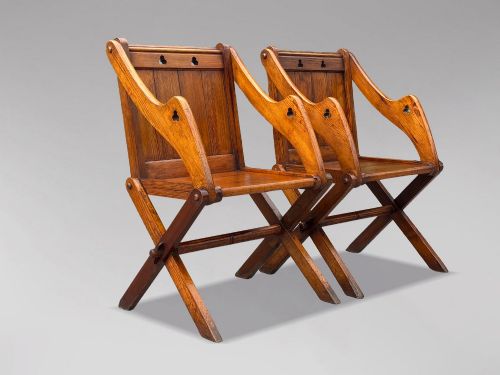
- A resinous softwood timber known for its dense grain and durable properties, frequently utilised in nineteenth-century ecclesiastical and domestic furniture. It darkens richly over time.
- Overmantle
- A large mirror or framed panel designed to sit directly above a fireplace mantelpiece. These pieces often feature architectural mouldings or painted pine surfaces.
- Architectural salvage
- Building components and decorative elements rescued from older structures for reuse. This category includes carved church tracery panels, fretwork, and window frames.
- Fretwork
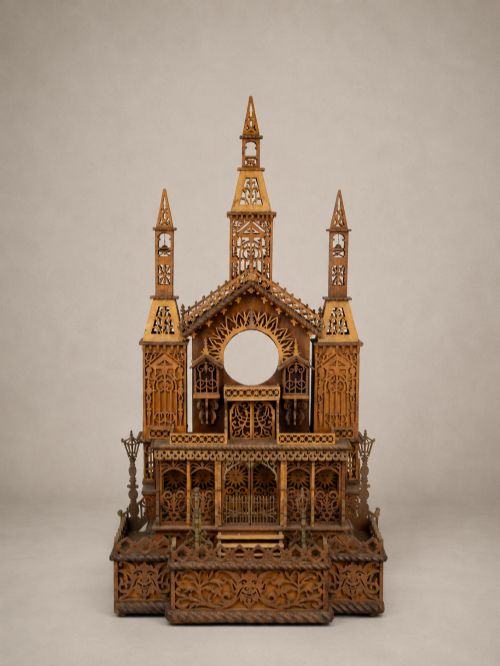
- Ornamental openwork pattern carved through wood using a fine saw. It appears on Victorian architectural clock cases and mirror surrounds.
- Patina
- The surface sheen and colour developed on wood and paint through age, handling, and exposure to light. It serves as an indicator of originality.
Antique Pine Frame: Frequently Asked Questions
What periods do antique pine frames come from?
These pieces date primarily from the eighteenth, nineteenth, and early twentieth centuries, encompassing Georgian, Victorian, and Edwardian eras. Construction methods and moulding profiles shift across these decades from formal classical designs to simpler country interpretations.
Makers utilised local softwood timber, applying traditional hand tools and historical paint finishes that reflect the domestic and architectural styles of their specific origins.
How do I care for a painted pine frame?
Preserving original paint requires keeping the timber away from direct sunlight and fluctuating humidity. Dusting with a dry, soft cloth prevents particulate buildup without disturbing fragile historic surfaces.
Avoid commercial liquid polishes or abrasive cleaners, as these can strip away nineteenth-century paint layers and soft wax patinas.
Where were these frames used originally?
Pine frames served utilitarian and decorative roles in domestic interiors, farmhouses, taverns, and ecclesiastical buildings. Carpenters built them to house mirrors above fireplaces, display watercolours, or enclose architectural windows.
Their robust construction allowed them to withstand heavy daily use in Scandinavian country kitchens and English rural settings alike.
How can I tell if the paint is original?
Original paint exhibits natural craquelure, microscopic wear around edges, and accumulated grime embedded in the surface texture. Beneath the top layer, older priming coats often appear in muted historical hues.
Modern repainting typically presents an even, uniform thickness without the deep integration into the underlying pine grain seen on period pieces.