





Antique Pine Dome Trunk
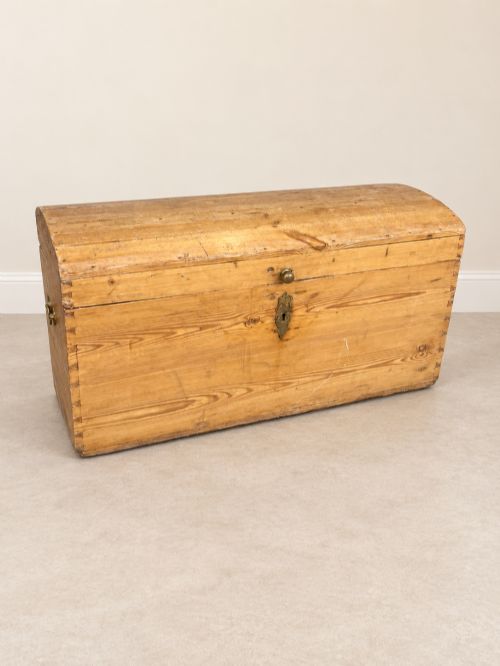
An antique pine dome trunk brings robust storage and folk character into a room, combining curved timber lids with utilitarian strength.
Antique Pine Dome Trunk
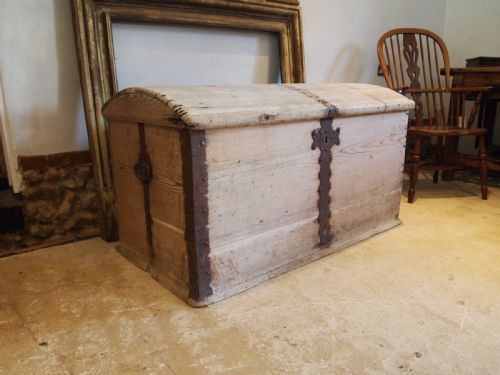
When you search for an antique pine dome trunk, you encounter sturdy timber storage pieces designed with curved, arched lids to shed water and maximise internal capacity. The pieces span the eighteenth, nineteenth and early twentieth centuries, drawing heavily on Scandinavian country, rustic farmhouse and folk art traditions.
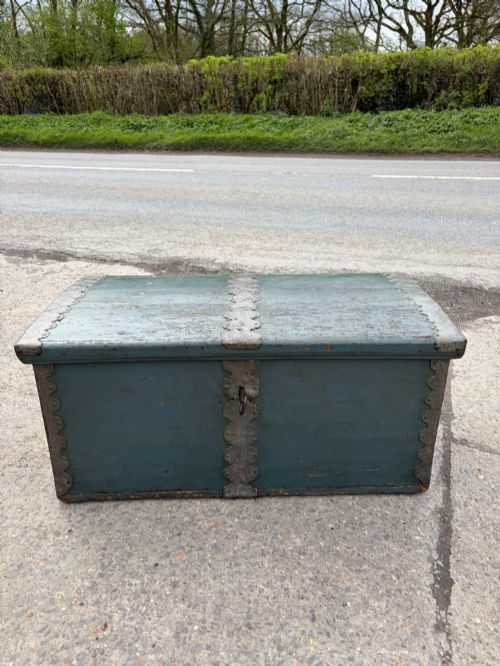
The most common examples on this page are nineteenth-century Swedish painted dome top chests and coffers. These often feature hand-painted surfaces, wrought iron hardware and generous proportions suited for blankets, garments or household goods.
Earlier iterations stretch back to the Georgian and eighteenth-century periods, showcasing European folk art aesthetics alongside simpler British shipping and carriage trunks. Whether large marriage chests or smaller strong boxes and caskets, each piece displays the marks of heavy domestic or travel use.
Materials and construction methods
Makers constructed these trunks primarily from solid pine, utilising the soft timber for both structural carcases and curved lid ribs. Surfaces frequently received layers of pigment paint or traditional paint finishes, protecting the wood while adding decorative colour.
Durability relied on metalwork, with blacksmiths forging iron, wrought iron and brass into hinges, corner brackets and carrying handles. Leather straps and bindings occasionally reinforced travel chests, while interior compartments utilised smaller pine boards for tills and storage partitions.
Antique Pine Dome Trunk Retail Price Guide 2026
Typical asking prices for pine dome trunk among the pieces listed under this phrase on Sellingantiques today, from the lower quarter to the upper quarter. They describe what is for sale here now, not the wider market.
Listings span from the 18th century through the Victorian era to 1900, uniting British and Scandinavian folk art traditions in pine, iron and paint.
Assessing quality and craftsmanship
Quality rests upon the integrity of the timber frame and the survival of original decorative finishes. Trunks retaining untouched pigment paint or folk art details command greater appreciation than those stripped to bare wood or heavily repainted.
Hardware integrity dictates the standard of execution, separating standard utilitarian containers from finer marriage chests and strong boxes fitted with robust wrought iron or brass bindings. The delicacy of the painted motifs and the joinery of the curved dome lid further distinguish superior workshop production.
The Antique Pine Dome Trunk Glossary
- Dome top
- A curved lid construction designed to shed water and provide extra internal headroom for bulky textiles. This arched profile distinguishes carriage and travel trunks from flat-lidded blanket chests.
- Marriage chest
- A celebratory storage trunk commissioned or decorated for a wedding, often inscribed with dates, initials or elaborate folk art motifs. These pieces typically used pine and featured vibrant painted decoration.
- Strong box
- A smaller, highly secure storage chest fitted with heavy iron bindings and robust locks for valuables or documents. They combined thick pine boards with reinforced metal corners.
- Folk art
- Traditional decorative painting and styling executed by regional artisans rather than formally trained urban cabinetmakers. It brings distinctive colour and character to Scandinavian and continental pine furniture.
- Cofer
- An archaic spelling for a heavy storage chest, generally denoting a deep box with a lid used for transporting or storing precious belongings. They often featured iron carrying handles on the sides.
Antique Pine Dome Trunk: Frequently Asked Questions
How were antique pine dome trunks used?
These trunks served primarily for household storage, holding heavy blankets, winter garments, household linens and personal valuables. Their sturdy construction also made them practical for travel by carriage or ship.
Smaller versions functioned as strong boxes or caskets for important documents and currency. Larger marriage chests held the dowry and prized possessions of newly wedded couples.
Are painted pine trunks authentic?
Original painted surfaces display natural wear, stable craquelure and patination consistent with age and domestic use. Pigment paint should integrate harmoniously into the pine grain beneath.
Many pieces retain their initial Scandinavian folk art or decorative schemes applied during the eighteenth and nineteenth centuries. Careful examination helps distinguish untouched historic paint from later decorative enhancements.
How do I care for a pine dome trunk?
Keep the trunk away from direct heat sources and dramatic humidity fluctuations to prevent the pine timber from splitting or warping. Dust gently with a dry or slightly damp cloth.
Avoid harsh modern cleaning chemicals that might strip historic paint or dry out the antique wood. Natural wax can be applied sparingly to unpainted pine surfaces to nourish the timber.
What is the difference between a chest and a trunk?
Historically, trunks often featured reinforced metal bindings, handles and dome lids suited for frequent transit on carriages or ships. They were built to withstand the rigours of travel.
Chests typically remained stationary within the home as permanent bedroom or parlour furniture for linen storage. However, terminology often overlaps across different periods and regional traditions.