

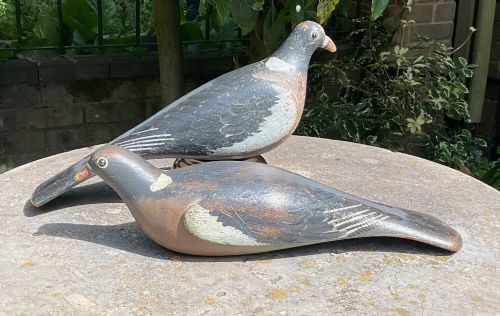


Antique Pigeon Art
Antique pigeon art spans carved wooden decoys and hand-coloured engravings, offering a tangible link to ornithological history and rural traditions.
Antique Pigeon Art
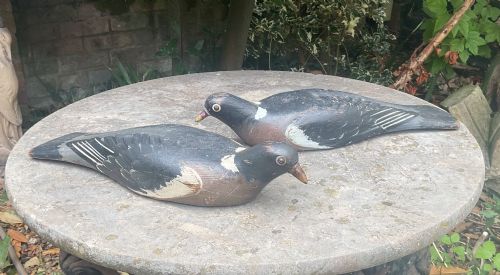
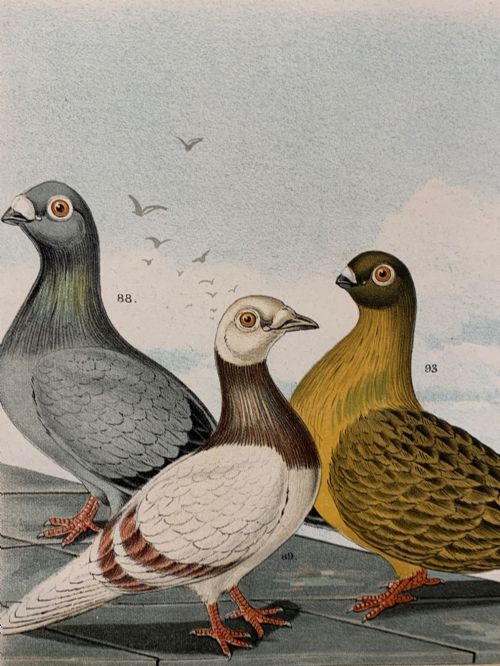
Antique pigeon art encompasses a diverse range of objects, from carved wooden working decoys to delicate hand-coloured engravings and oil paintings. Buyers seeking antique pigeon art will frequently encounter painted wood decoys from the nineteenth century alongside framed bird prints and Victorian watercolours.
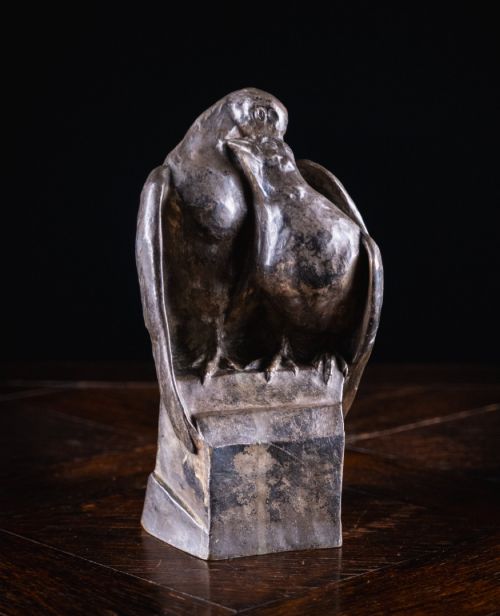
The material forms vary considerably across the selection, featuring sculptures, wall art, prints, and oil paintings created across the eighteenth, nineteenth, and early twentieth centuries. Pieces bridge functional rural craft, such as country house dovecote decoys, and academic ornithological studies.
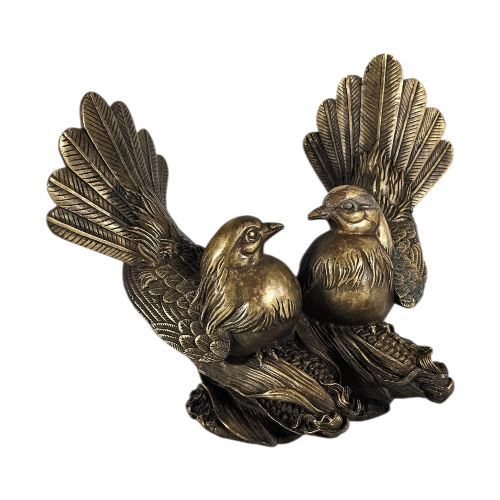
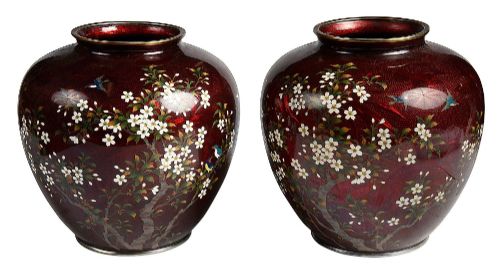
Origins span British folk art traditions, Japanese Meiji period cloisonné, and Late Qing Dynasty bronzes, showing global artistic engagement with the subject. This broad geographic and stylistic spread ensures that collectors find both vernacular working items and formal fine art representations.
Materials and construction
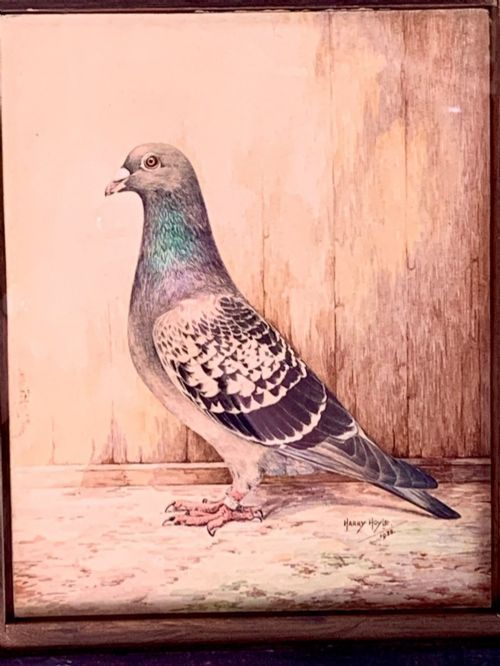
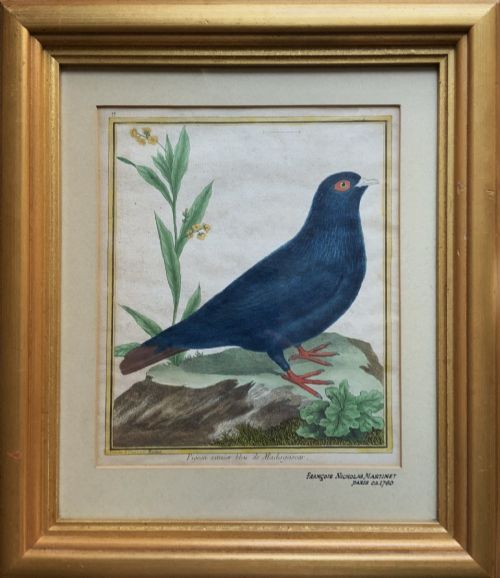
Makers utilised traditional media such as oil paint on canvas or panel, watercolour on paper, and hand-coloured copperplate engravings. Wood forms the structural basis of carved decoys, often finished with layered painted surfaces to replicate natural plumage.
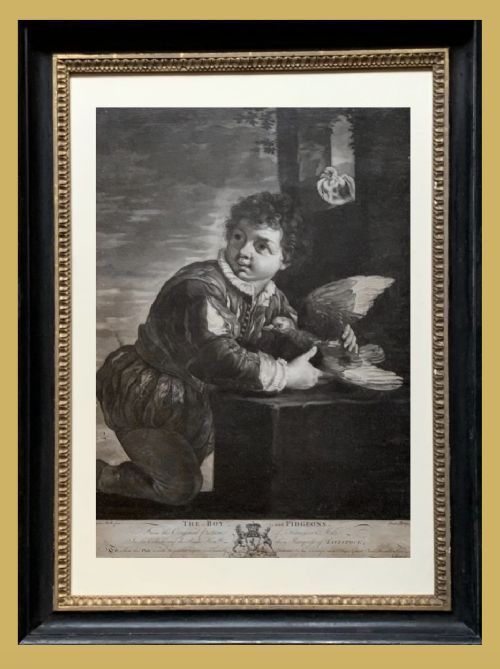
Metalworks employ casting techniques, visible in bronze sculptures and cloisonné vases, while works on paper rely on period printing methods like lithography and mezzotint. Gilt wood frequently frames the paintings and wall art, adding decorative borders appropriate to their period.
Historic pigeon art frequently records specific celebrated birds, including royal messenger winners and racing champions immortalised by artists.
Evaluating quality and execution
Execution of detail separates fine artistic representations from utilitarian objects, particularly in the rendering of feather patterns and avian anatomy. Painterly skill in oils or precision in engraving dictates the visual impact of two-dimensional works.
Original surface preservation heavily influences a piece, especially on painted wooden decoys where authentic patination and worn historic paint layers command greater attention. The integrity of the original framing and paper condition similarly affects works on paper.
John Boydell·Pier Francesco Mola·J Brown·François-Nicolas Martinet·Frederique Cederlund Ozanne·Marmaduke Cradock·Jacob Bogdani·Edward Lear
The Antique Pigeon Art Glossary
- Decoy
- A carved or moulded figure used to attract birds, often shaped from wood with hand-painted plumage to simulate live subjects.
- Mezzotint
- A printmaking process of the intaglio family where the plate is roughened to achieve rich tonal gradations in dark areas.
- Cloisonné
- An ancient technique for decorating metalwork objects with coloured glass-like material held in place by metal wires.
- Lithograph
- A planographic printing process using a stone or metal plate on which the image area is receptive to oil-based inks.
Antique Pigeon Art: Frequently Asked Questions
What defines antique pigeon art?
Antique pigeon art comprises historic depictions and carved representations of pigeons and doves produced across various centuries. The category includes oil paintings, watercolours, engravings, and wooden working decoys.
These pieces reflect both scientific interest in ornithology and the domestic or sporting appreciation of birds. Materials range from painted wood and canvas to bronze and paper prints.
How were wooden decoy pigeons used?
Wooden decoy pigeons were traditionally placed in fields or trees by hunters to lure live birds within range. Carvers shaped them from blocks of wood and painted the surfaces to mimic natural camouflage.
Over time, many working decoys transitioned from utilitarian shooting equipment to decorative folk art objects collected for their rustic charm.
How should I display prints and paintings?
Works on paper, such as nineteenth-century lithographs and engravings, require protection from direct sunlight to prevent fading of the paper and pigments. Framing with acid-free mounts helps preserve the integrity of historic watercolours and prints.
Oil paintings benefit from stable indoor environments away from excessive moisture or rapid temperature shifts. Regular dusting with a soft, dry brush maintains the surface of framed wooden panels and canvases.
How do I distinguish between periods?
Period identification relies on observing material characteristics, framing styles, and known printing or painting techniques associated with specific eras. Eighteenth-century works often feature hand-coloured copperplate engravings or classical oil painting conventions.
Nineteenth-century items frequently demonstrate industrial print advancements like lithography alongside vernacular folk art woodcarvings. Examining the backing boards, paper types, and pigment wear provides further clues to dating.