





Antique Pierced Spoon
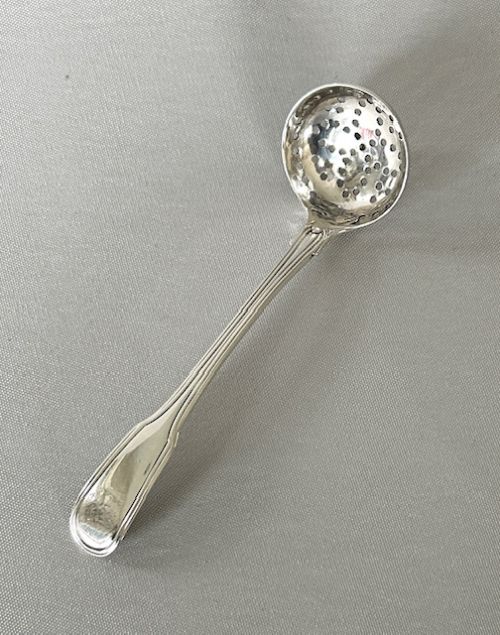
An antique pierced spoon is a functional and decorative implement designed for sifting, straining, or serving, bringing intricate metalwork to the table.
Antique Pierced Spoon
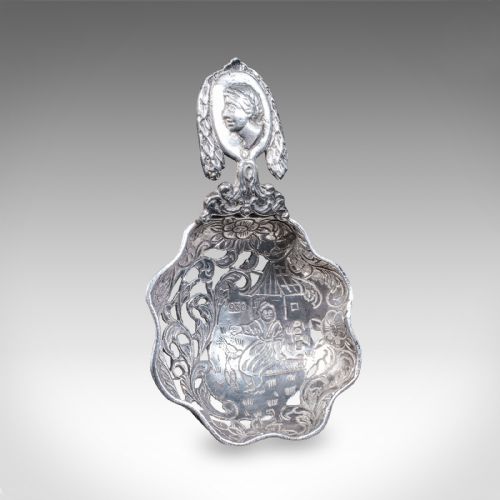
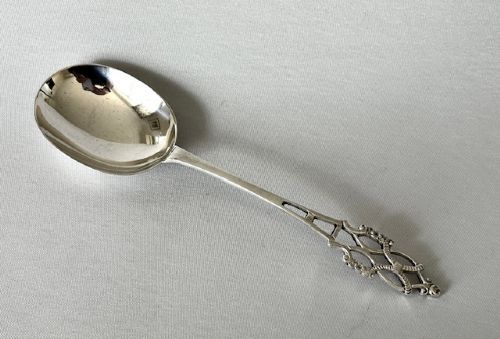
When you search for an antique pierced spoon, you encounter items designed for specific domestic tasks such as sifting sugar, straining tea or gravy, or serving condiments. These utensils span multiple eras, with Georgian, Victorian, and Edwardian examples appearing most frequently.
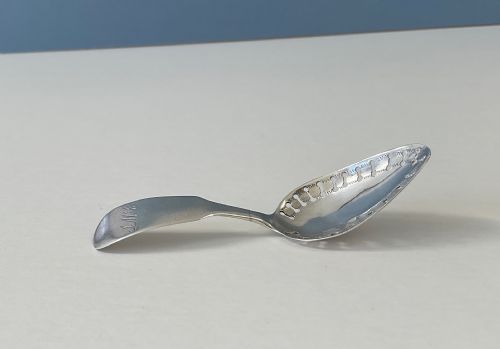
The forms range from dedicated caddy spoons and spice sifters to larger gravy straining spoons and ladle variants. Many incorporate functional perforations in geometric or floral patterns.
Originating primarily from British and European workshops, these pieces reflect the shifting dining habits and social rituals of the eighteenth, nineteenth, and early twentieth centuries.
Materials and construction
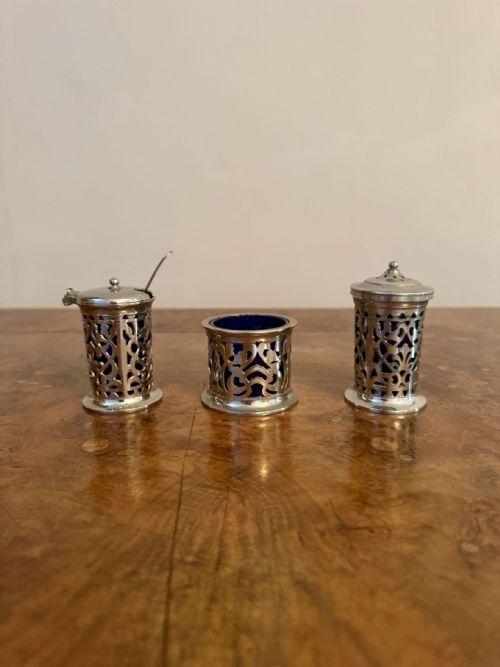
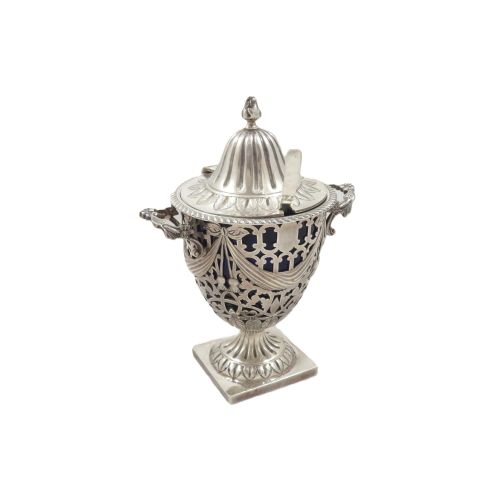
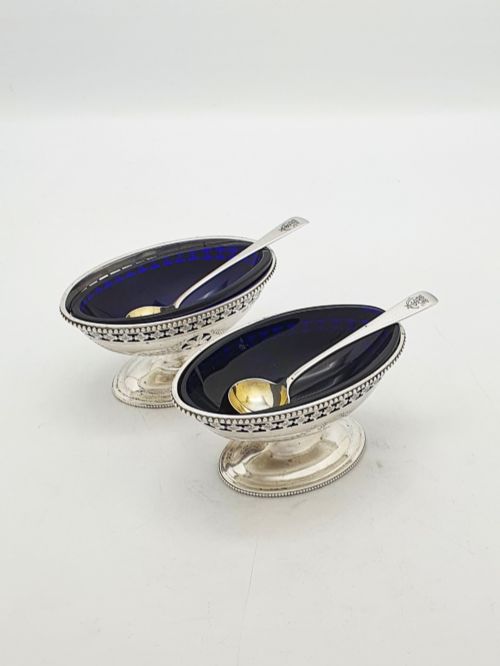
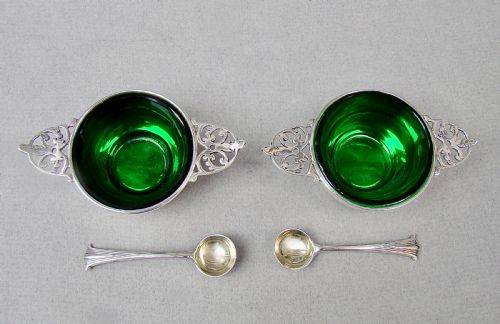
Sterling silver and silver plate dominate the material record for these utensils, often paired with contrasting elements like cobalt glass liners in related tableware or wooden treen components in specific utilitarian items.
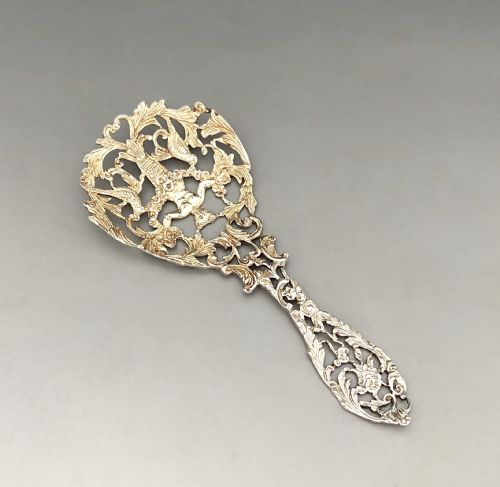
Silversmiths utilised techniques such as casting, piercing, and hammering to shape the bowls and handles. Perforations were meticulously cut by hand or stamped, creating delicate lattices and patterns designed to let liquids or fine powders pass through while retaining solids.
Antique Pierced Spoon Retail Price Guide 2026
Typical asking prices for pierced spoon among the pieces listed under this phrase on Sellingantiques today, from the lower quarter to the upper quarter. They describe what is for sale here now, not the wider market.
Judging craftsmanship and condition
The distinction between standard production and superior work lies in the crispness of the piercing and the weight of the metal. Finer examples display precise, evenly spaced apertures that maintain structural integrity without feeling overly heavy.
Maker marks, town marks, and date letters provide historical context that elevates certain pieces. Well-preserved hallmarks and minimal wear to the delicate edges of the bowl indicate careful preservation and superior initial manufacture.
Alfred Marston·Josiah Williams & Co·William Comyns·Jeremiah Lee·Amy Sandheim·Charles Stuart Harris
The Antique Pierced Spoon Glossary
- Sifter spoon
- A utensil featuring a pierced bowl, traditionally used for dusting sugar or spices over food or beverages. The perforations allow fine powders to pass while holding back lumps.
- Caddy spoon
- A short-handled spoon utilised for measuring loose tea leaves from a caddy into a teapot. They often feature decorative bowls shaped like leaves, shells, or hands.
- Mote spoon
- An eighteenth-century implement with a pierced bowl used to skim tea leaves from the surface of a cup, typically ending in a tapered point for clearing the teapot spout.
- Hallmark
- An official stamp applied by an assay office indicating the purity of the metal, the maker, and the year of production. These marks are essential for dating and authenticating silver pieces.
Antique Pierced Spoon: Frequently Asked Questions
What was a pierced spoon used for?
These utensils served various culinary and domestic roles, primarily involving the separation of solids from liquids or powders. Sifter spoons distributed sugar or spices, while strainers managed tea and gravies.
Their specific forms dictated their function at the dining table or in the kitchen, reflecting the structured meal services of past centuries.
How do I date an antique silver spoon?
Dating relies heavily on identifying the stamped hallmarks on the reverse of the handle or bowl. These marks indicate the assay office, the year of production, and the maker.
Stylistic indicators, such as handle shape and engraving patterns, also provide clues to the period in which the utensil was manufactured.
Are silver plate and sterling silver different?
Sterling silver consists of solid silver alloyed with other metals for durability, whereas silver plate involves a thin layer of silver bonded to a base metal core. Hallmarks help distinguish between the two categories.
Both materials appear frequently across different periods, each offering distinct qualities in weight and maintenance.
How should I clean my antique spoon?
Cleaning silver requires gentle handling to preserve the original finish and any residual patina accumulated over the decades. Use a soft cloth and a specialised silver cleaner without resorting to abrasive scrubbing.
Avoid harsh chemical dips that can strip away the subtle details of the piercing and damage the aged surface.