

Antique Picture in Dark Frame
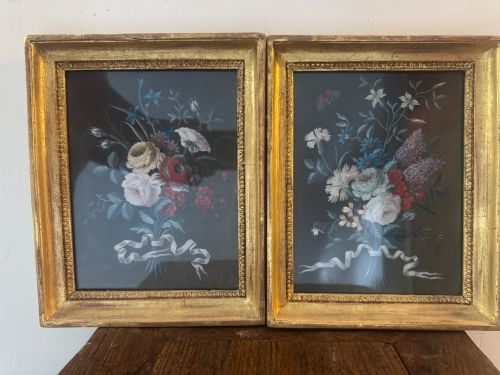
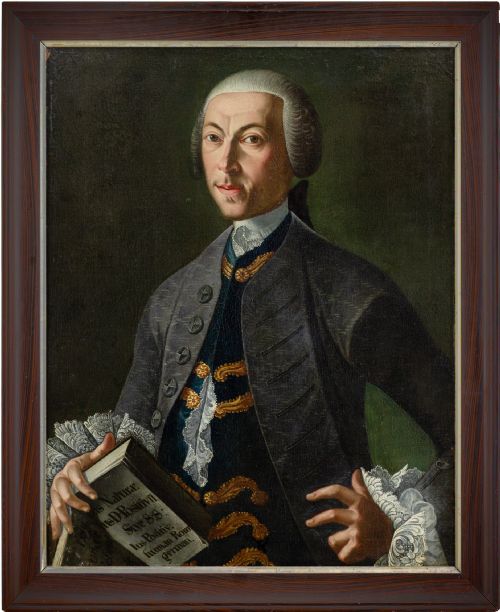
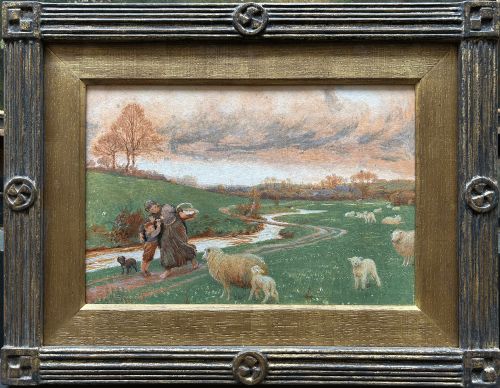
When seeking an antique picture in dark frame, collectors look for historic oil paintings, watercolours and silhouettes set within deep wood or gilt boundaries that anchor the composition.
Antique Picture in Dark Frame
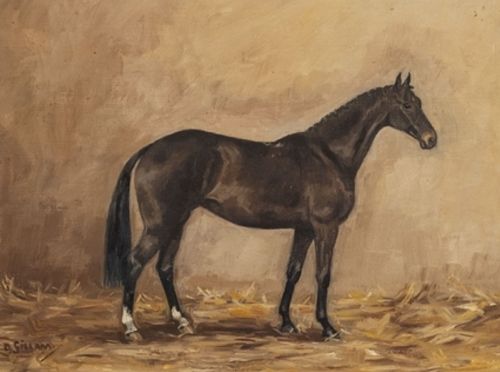
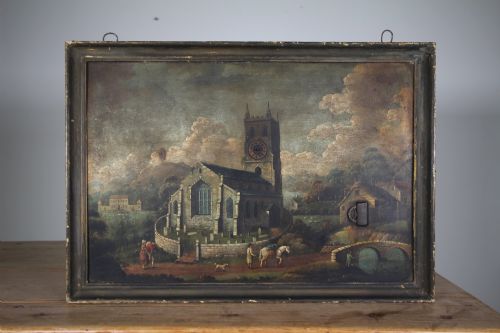
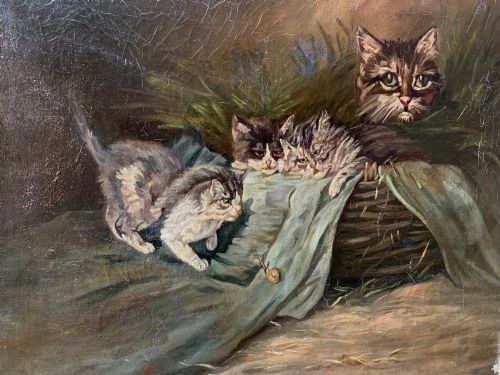
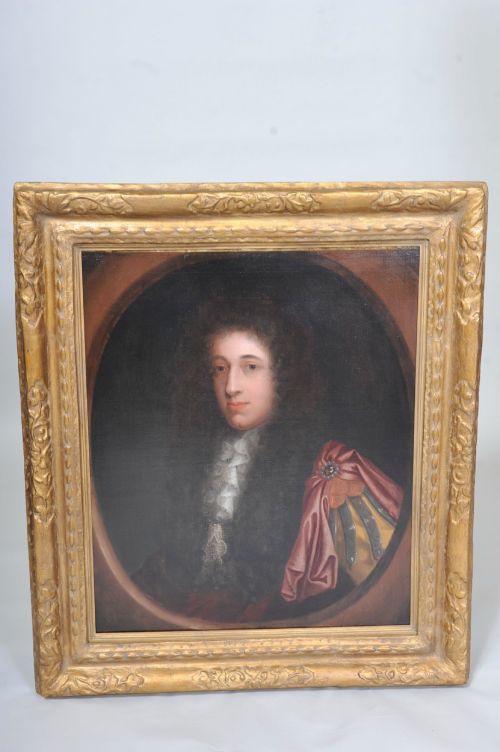
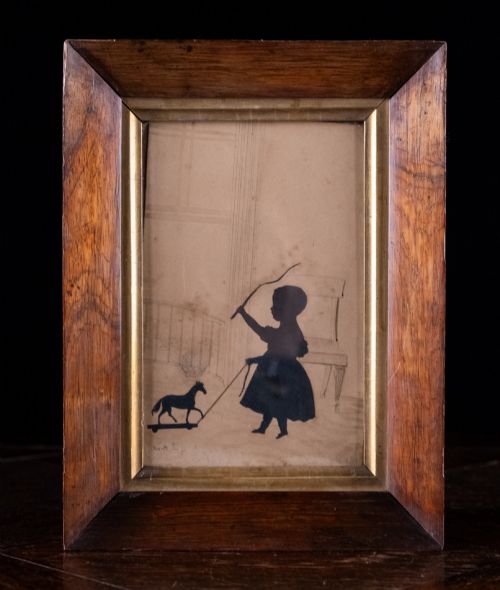
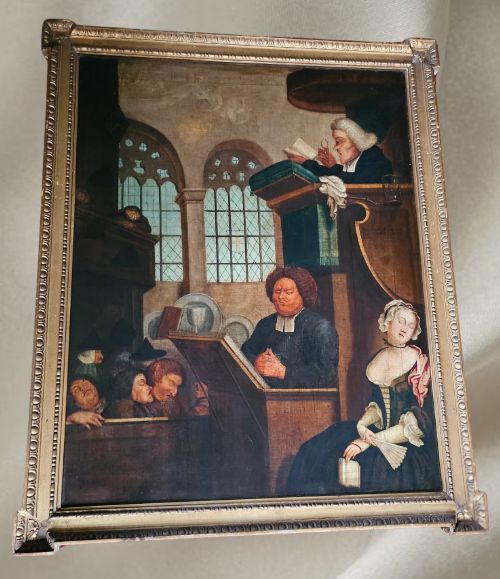
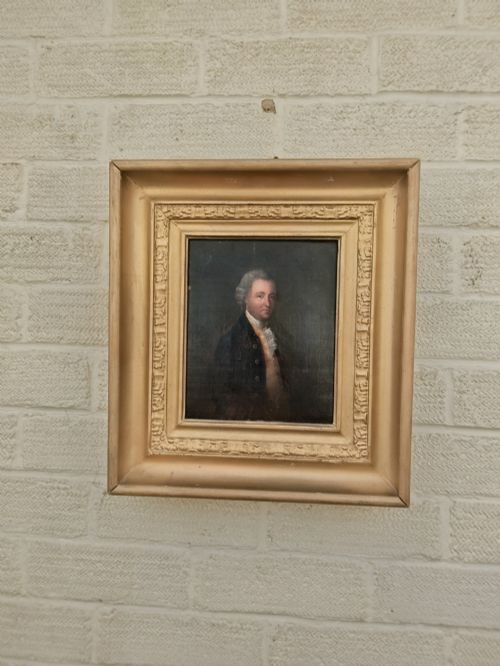
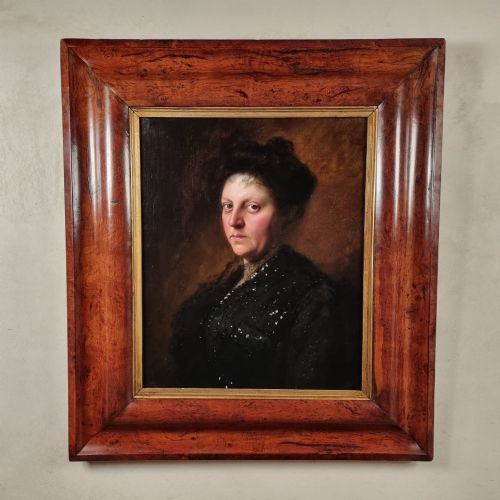
An antique picture in dark frame brings together historical artworks and deep-toned borders, spanning portraits, still lifes and botanical watercolours from the seventeenth to the early twentieth century. The selection encompasses oil paintings on canvas, delicate works on paper, framed prints and detailed silhouettes mounted in robust surrounds.
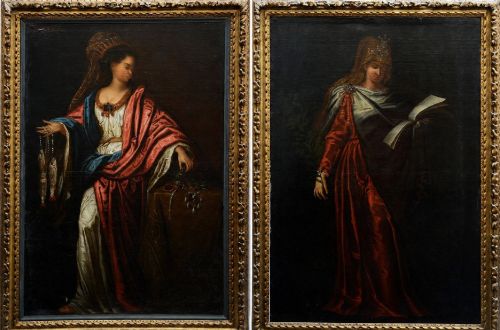
Buyers frequently encounter nineteenth-century portraits and domestic scenes alongside eighteenth-century European school paintings and Edwardian studies. These pieces originate from British, French and German traditions, often utilising timber mouldings or giltwood profiles to contain the visual space.
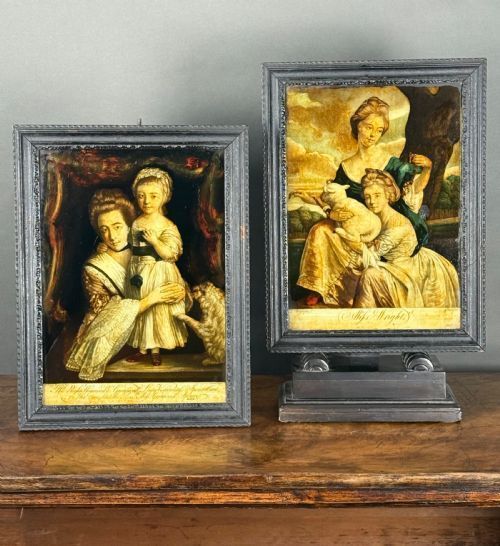
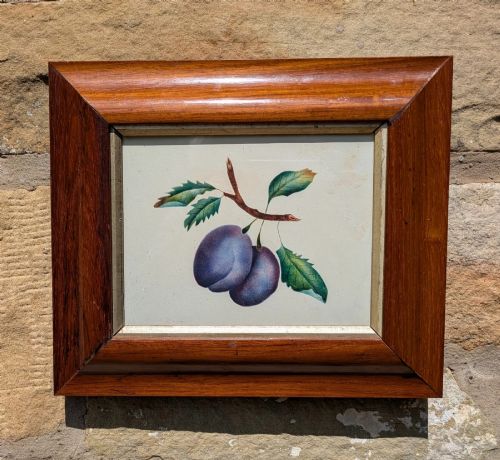
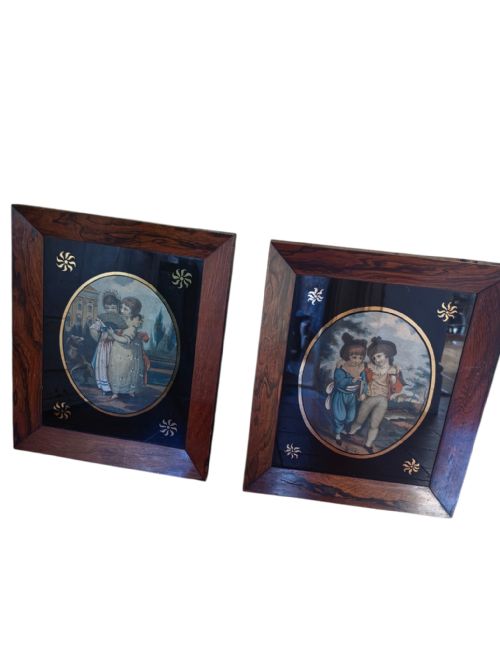
The assortment includes paired works, botanical watercolours in rosewood borders, and grand narrative compositions. Each piece relies on the contrast between the aged pigment and the shadowed framing material to create depth on the wall.
How They Were Made
Makers constructed these surrounds using dense timbers such as oak and rosewood, applying dark stains or finishes to complement the mood of the artwork. Many frames incorporate gold leaf highlights or giltwood accents to lift the dark perimeters and catch the ambient light.
Artworks within these housings utilise oil on canvas, watercolour, gouache and charcoal, reflecting the traditional mediums of their respective periods. Artisans mounted paper works beneath glass to protect fragile pigments, securing them inside heavy wooden mouldings designed to endure.
Listings feature works spanning from the seventeenth century through the Victorian and Edwardian eras, utilising canvas, paper, glass, oak and gold leaf.
What Varies in Quality
Quality rests in the harmony between the artwork and its surround, where the depth of the wood moulding complements the palette and period of the painting. Superior examples maintain original frames that match the age and origin of the canvas or paper within.
The precision of the brushwork, the stability of the canvas or paper ground, and the preservation of the original surface determine the standing of each piece. Skilled handling of light and shadow, particularly in oil paintings and charcoal drawings, separates standard decorative items from significant works.
Sir Anthony van Dyck·Augustin Edouart·William Hogarth·Edwin Steele·Herbert Dicksee·David Roberts
The Antique Picture in Dark Frame Glossary
- Chiaroscuro
- The use of strong contrasts between light and dark, usually bold contrasts affecting a whole composition. This technique creates a dramatic sense of volume in figures and objects.
- Giltwood
- Wood that has been treated with a thin layer of gold leaf or powder. It frequently edges darker timber mouldings to provide a subtle reflective border.
- Silhouette
- A portrait represented as a solid shape of a single colour, usually black, matching its subject's outline. These works are typically cut from paper or painted on card.
- Provenance
- The chronology of the ownership or location of a historical object. It helps confirm the authenticity and history of an artwork.
- Aquatint
- A intaglio printmaking technique that produces graphic tonal effects similar to watercolour washes. It was widely used for reproducing illustrations in the nineteenth century.
Antique Picture in Dark Frame: Frequently Asked Questions
How do I date a dark wooden frame?
Dating relies on examining the construction joints, timber species and finishing methods visible on the reverse. Older frames often utilise hand-cut joinery and heavy mouldings distinct from mass-produced twentieth-century equivalents.
Changes in moulding profiles and the presence of early glass or backing boards also offer reliable clues to the period of manufacture.
Are these paintings executed on canvas or panel?
The selection includes works on traditional woven canvas, stretched over wooden frames, alongside watercolours and drawings on paper. Oil paintings from the seventeenth and eighteenth centuries predominantly utilise canvas grounds.
Later Victorian and Edwardian pieces continue these traditions while introducing varied paper supports and card for watercolours and silhouettes.
How should I hang these heavy framed pictures?
Secure hanging requires fixing directly into wall studs or using appropriate masonry anchors suited to the weight of the timber mouldings and glass. Heavy oil paintings demand robust picture wire and sturdy wall hooks to distribute the load evenly.
Positioning pieces away from direct sunlight protects both the delicate pigments on canvas or paper and the aged finishes of the wooden frames.
What subjects are most common in these works?
Portraits of gentlemen and ladies dominate the earlier periods, capturing sitters in formal attire or military uniform. Landscapes, still lifes of game and fruit, and narrative scenes also appear frequently.
Botanical studies and horse racing prints provide alternative themes reflecting the diverse artistic output of the nineteenth and early twentieth centuries.