




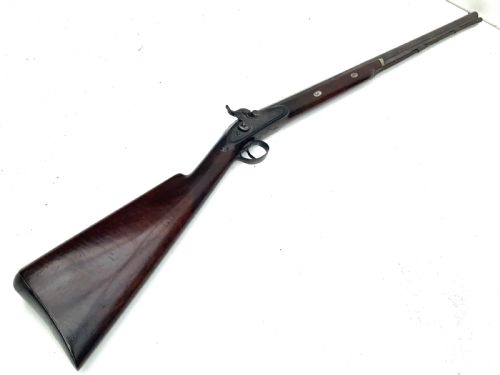
Antique Percussion
Antique percussion arms and instruments unite mechanical ingenuity with historic craftsmanship, offering collectors tactile connections to nineteenth-century military and civilian life.
Antique Percussion
When you search for antique percussion, you encounter a diverse array of nineteenth-century firearms, military hardware, and occasional musical items spanning the Regency and Victorian periods.
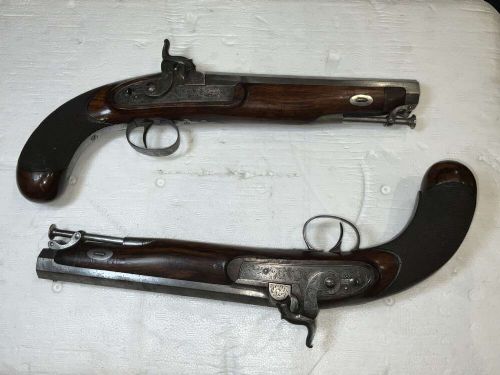
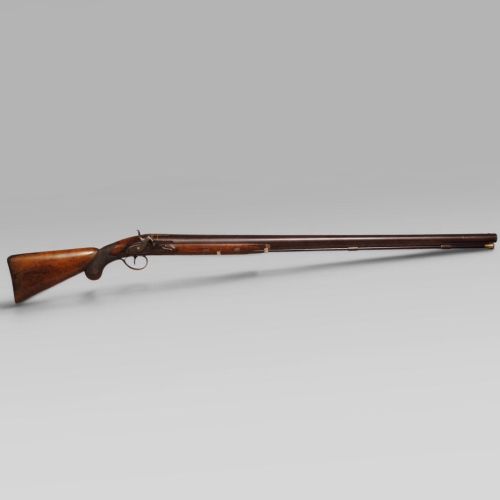
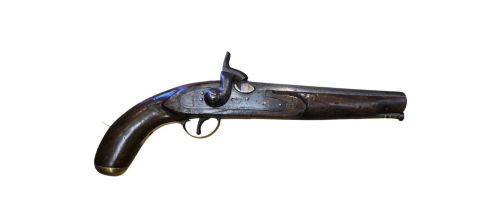
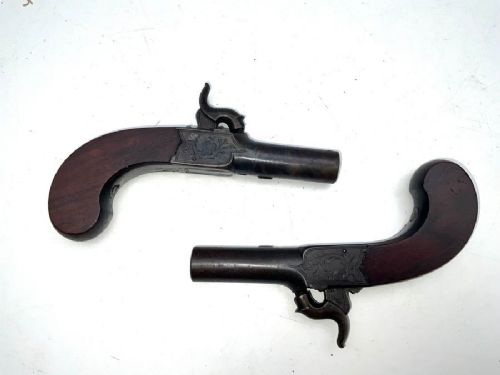
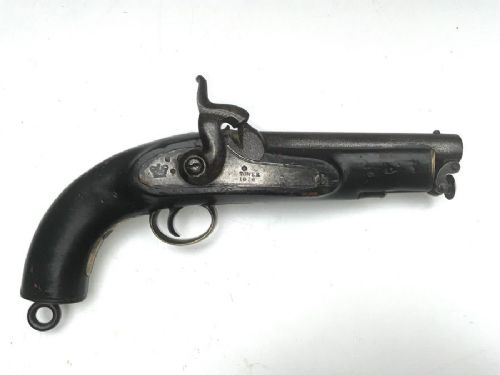
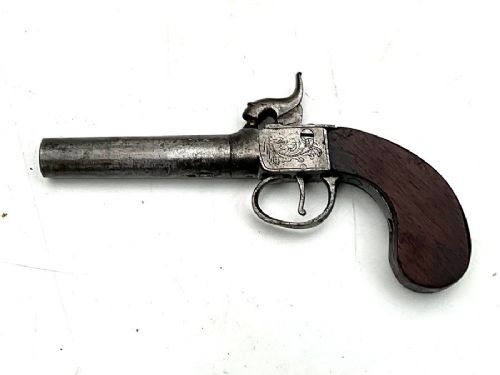
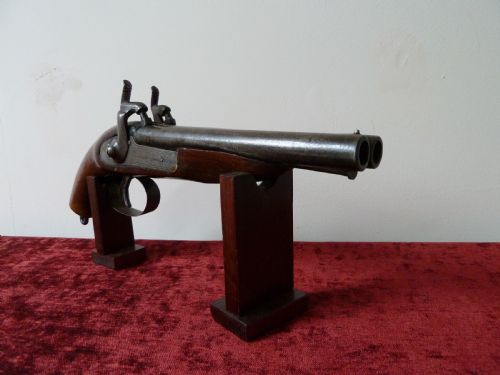
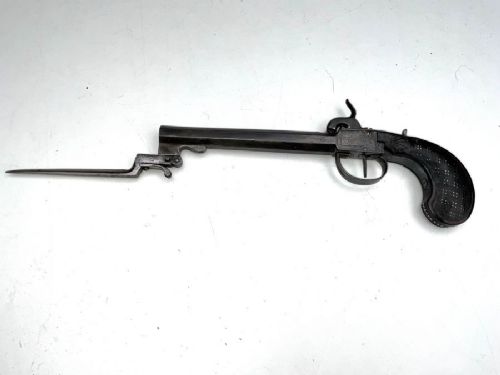
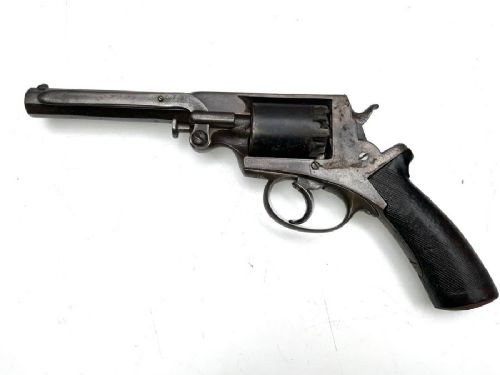
The selections on this page concentrate heavily on percussion lock firearms, including pocket pistols, belt pistols, revolvers, and larger fowling pieces dating from around eighteen hundred to the late Victorian era.
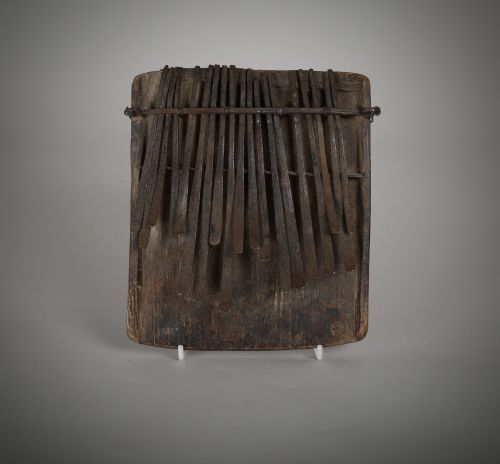
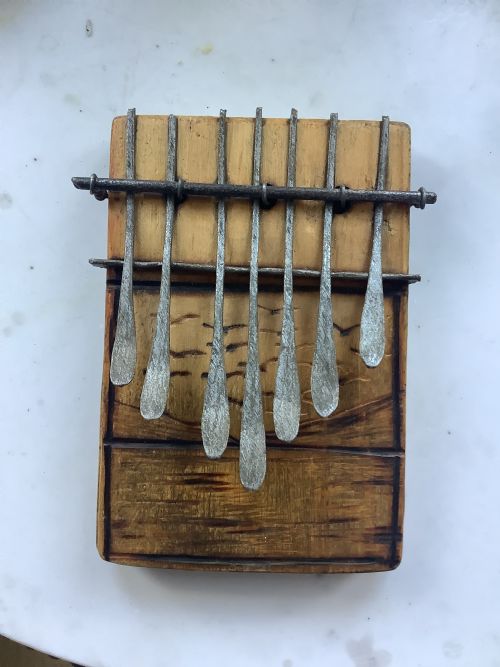
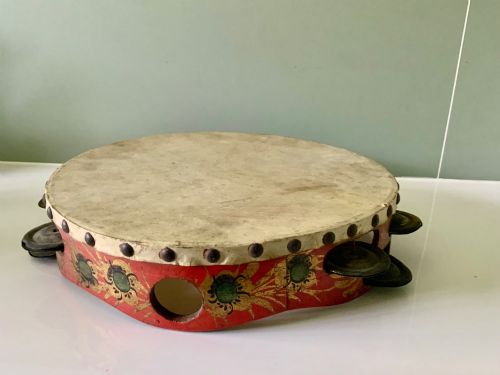
Alongside handguns and long guns, the grouping accommodates peripheral forms such as boxed revolver sets with accessories, military blunderbusses, and distinct musical items like tambourines and bronze lithophones.
How they were made
Makers utilised robust metals like steel, iron, and brass to form barrels, locks, and internal mechanisms capable of withstanding black powder charges.
Stocks and grips rely on dense hardwoods, predominantly walnut and mahogany, shaped to fit the hand and often complemented by brass mountings or steel furniture.
Accoutrements incorporate soft textiles such as velvet lining inside fitted wooden presentation boxes, alongside vellum utilised for percussion drums and tambourines.
Antique Percussion Retail Price Guide 2026
Typical asking prices for percussion among the pieces listed under this phrase on Sellingantiques today, from the lower quarter to the upper quarter. They describe what is for sale here now, not the wider market.
The listings feature diverse nineteenth-century materials including walnut, mahogany, brass, steel, and vellum.
What varies in quality
The standing of a piece depends heavily on the reputation of the maker, with signed works by known London gunsmiths commanding greater regard than unmarked military issue arms.
Completeness dictates upper tiers of desirability, particularly when revolvers and pistols retain their original fitted boxes alongside matching serial numbers and contemporary accessories.
Finishing details separate standard utilitarian pieces from deluxe examples, visible in crisp barrel engraving, fine checkering on wooden grips, and integrated mechanics like flick bayonets or sliding rear sights.
John Manton & Son·Colt Model·Deane Adams & Deane·Auguste Francotte·Joseph Egg
The Antique Percussion Glossary
- Percussion lock
- An ignition system developed in the nineteenth century that uses a small chemical primer struck by a hammer to fire black powder.
- Pepperbox pistol
- A multi-barrelled firearm with revolving barrels that rotate around a central axis when cocked.
- Fowling piece
- A lightweight long gun designed primarily for hunting wildfowl during the Georgian and Victorian eras.
- Tower stamp
- Official government inspection markings applied to British military arms produced or serviced at the Tower of London.
- Lithophone
- A percussion musical instrument consisting of suspended stones or metal bars struck to produce resonant tones.
- Smoothbore
- A firearm barrel lacking internal rifling grooves, intended for firing lead shot or round balls.
Antique Percussion: Frequently Asked Questions
What is a percussion cap?
A percussion cap is a small copper or brass metal cup containing fulminate of mercury that fits over a hollow nipple on the firearm.
When the hammer falls, it crushes the cap, sending a flame through the nipple to ignite the black powder charge inside the barrel.
How do I date an antique percussion pistol?
Dating relies on proof marks, patent dates stamped on the frame, and stylistic changes in the grip shape and lock mechanism.
Many nineteenth-century pieces carry maker inscriptions or military acceptance stamps that narrow their production window to a specific decade.
Were these guns used in wars?
Many mid-nineteenth-century percussion arms saw active service during major conflicts such as the American Civil War and British colonial campaigns.
Military issue revolvers and Tower-stamped pistols were standard-issue equipment for officers and enlisted troops alike.
How should I display a cased revolver set?
Cased sets are best displayed flat in temperature-controlled environments away from direct sunlight to protect the interior velvet lining and wooden presentation box.
Keeping the components securely nestled in their fitted compartments maintains the historical integrity of the matching accessories.