

Antique Pedestal Furniture
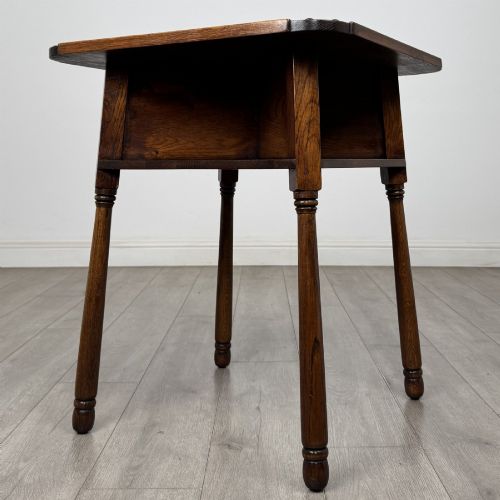
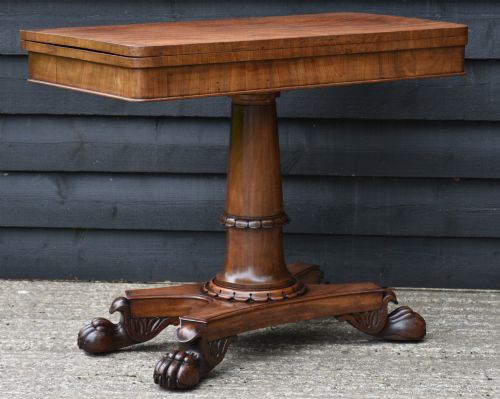
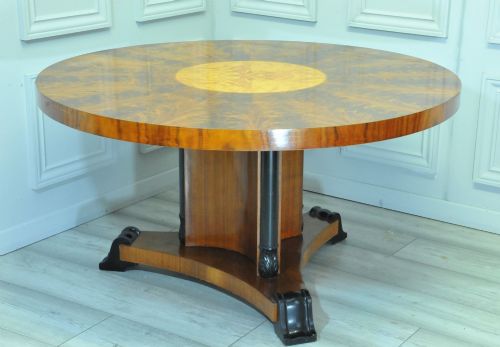
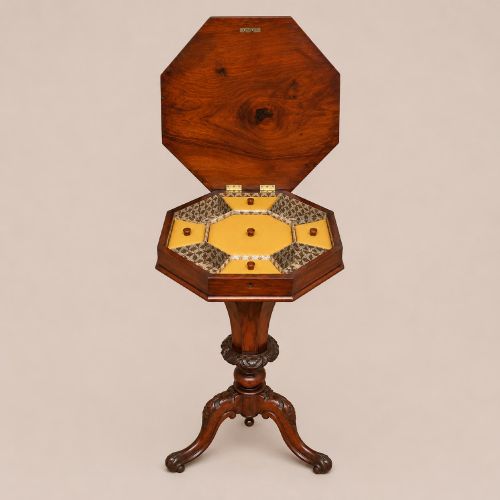
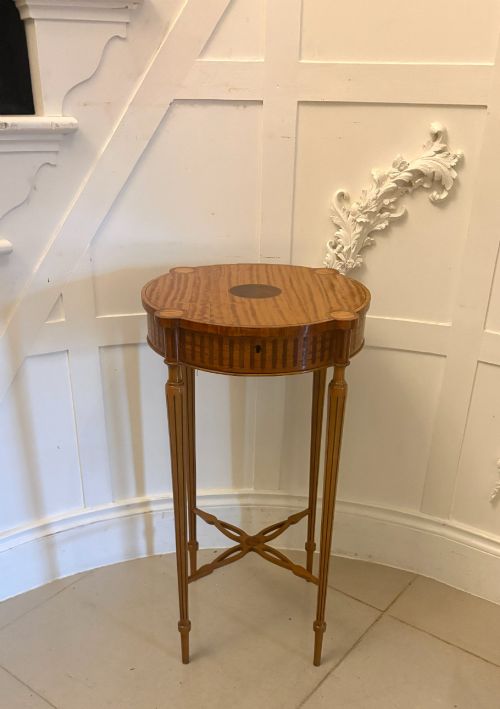
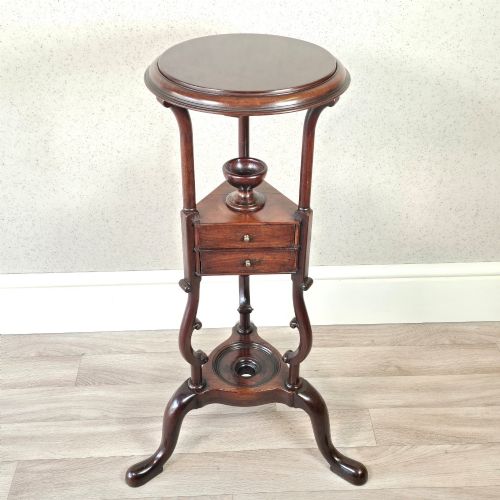
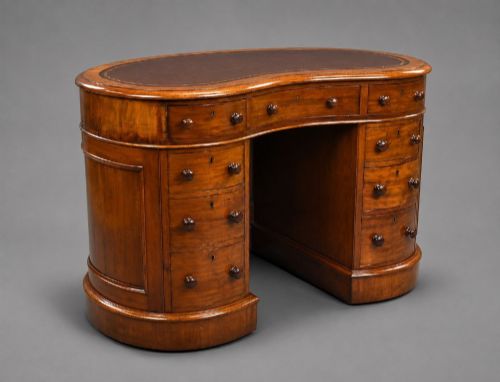
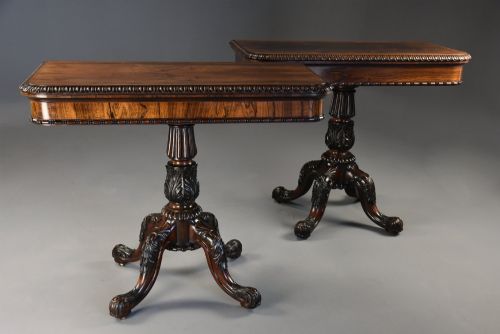
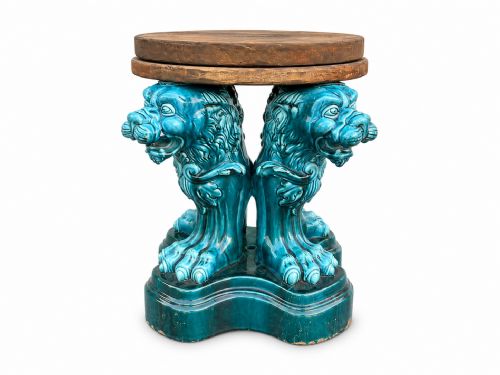
These pieces of antique pedestal furniture include desks, tables, and stands designed with central pillar supports.
Antique Pedestal Furniture
When you search for antique pedestal furniture, you encounter sturdy items built around central pillars, columns, or multi-drawer pedestals. The selection spans desks, dining tables, wine tables, plant stands, and dressing tables.
Desks and tables dominate the available forms, originating primarily from the Georgian, Victorian, and Edwardian periods. Makers utilised woods such as mahogany, walnut, rosewood, and oak to construct these functional household items.
Pieces range from compact occasional wine tables to large twin pedestal partners desks and dining tables. Each object relies on a central structural support or paired pedestals to distribute weight and create stability.
Materials and construction methods
Cabinet makers utilised dense hardwoods including mahogany, walnut, rosewood, and oak for structural integrity and fine finish. Secondary woods like pine appear in internal components and lesser-seen stands.
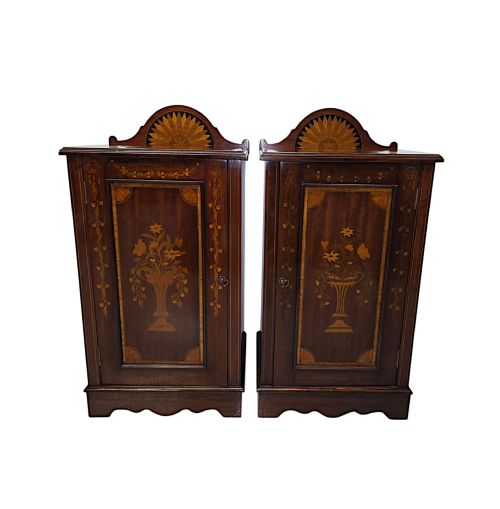
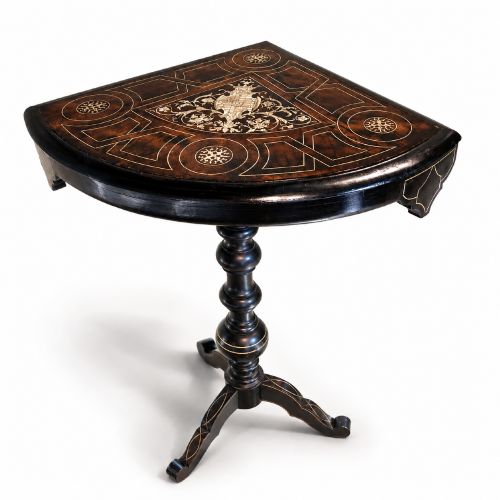
Surfaces frequently incorporate decorative elements such as brass inlays, marquetry, leather writing inserts, and carved motifs. Turned pillars and tripod bases distribute weight beneath central table tops and desks.
Antique Pedestal Furniture Retail Price Guide 2026
Typical asking prices for pedestal furniture among the pieces listed under this phrase on Sellingantiques today, from the lower quarter to the upper quarter. They describe what is for sale here now, not the wider market.
Listings feature pedestal furniture spanning the eighteenth, nineteenth, and early twentieth centuries, constructed in mahogany, walnut, rosewood, and oak.
Distinctions in quality
Quality rests in the selection of timber figures, such as burr walnut or figured mahogany, matched across large surfaces. Superior examples demonstrate refined carving on pedestals and crisp inlay work rather than plain secondary woods.
Construction methods dictate longevity, seen in stable joints and original hardware. The integration of structural supports determines whether a table or desk remains firm under daily use.
Liberty & Co·Gillows
The Antique Pedestal Furniture Glossary
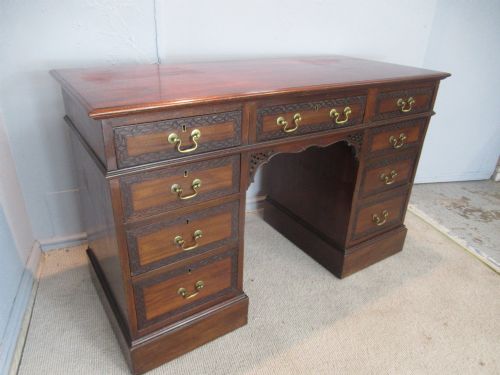
- Pedestal desk
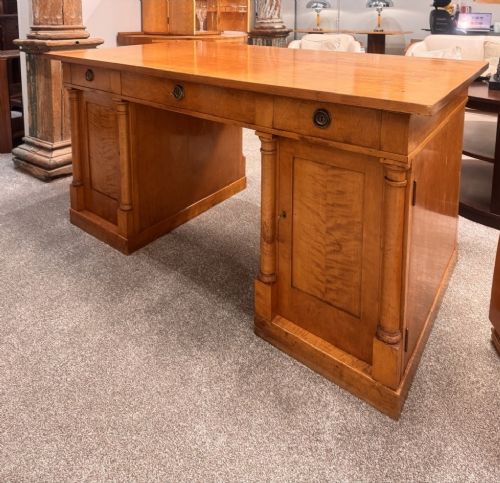
- A flat-topped writing table supported by two upright columns or pedestals containing drawers. These items often feature inset leather surfaces.
- Tilt-top table
- A table with a hinged top that tips vertically when not in use to save space. The mechanism locks into a horizontal position via a catch above the central pillar.
- Tripod base
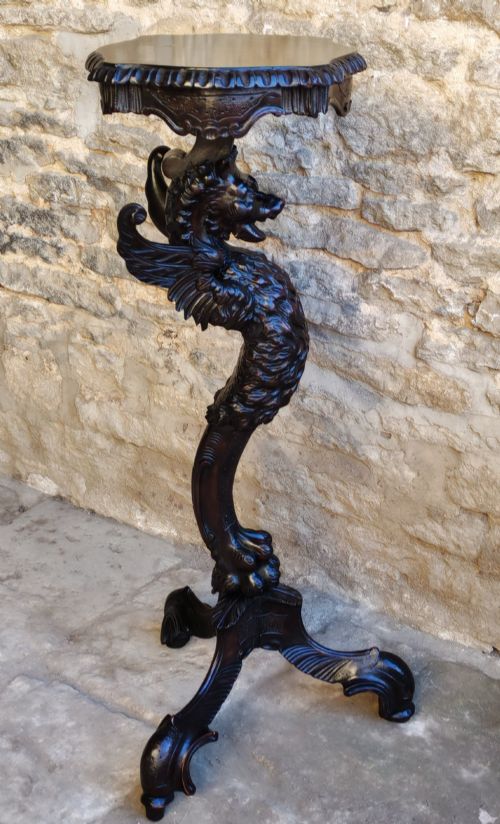
- A three-legged support system commonly found on wine tables, plant stands, and occasional tables. This design ensures stability on uneven floors.
- Marquetry
- The art of applying decorative pieces of veneer to a structure to form intricate designs. Cabinet makers employed contrasting timbers to create geometric or floral patterns.
- Twin pedestal
- A structural arrangement utilising two separate vertical columns or drawer stacks to support a single large tabletop. This configuration provides ample legroom beneath desks and dining tables.
Antique Pedestal Furniture: Frequently Asked Questions
How do I identify a Victorian pedestal desk?
Victorian pedestal desks typically feature two banks of drawers supporting a heavy top, often with inset leather writing panels.
Construction details from this era include solid mahogany or walnut timbers, sometimes complemented by rich burr veneers and hand-cut dovetail joints in the drawer construction.
What is the difference between a wine table and a side table?
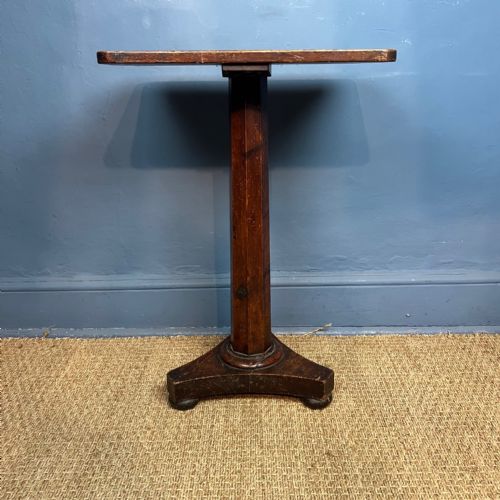
Wine tables are small, circular or occasional tables mounted on a single central pillar and tripod base, designed originally for holding glasses or bottles.
Side tables generally feature four legs or a broader structural base and serve a wider variety of placement roles against room walls.
How were tilt-top tables used historically?
Tilt-top tables functioned as versatile furniture that could be tipped vertically and pushed against a wall when floor space was required for other activities.
In daily use, the top locked flat to serve meals, hold lamps, or display decorative objects.
Where should I place a plant stand in my home?
Plant stands work effectively in corners or beside windows where natural light supports potted greenery without obstructing movement.
Their compact footprints allow them to utilise vertical space in hallways and reception rooms.
How do I care for antique mahogany surfaces?
Antique mahogany benefits from regular dusting with a soft, dry cloth and occasional applications of traditional beeswax to nourish the wood grain.
Avoid placing these items near direct heat sources or in strong sunlight to prevent the timber from drying and fading.