

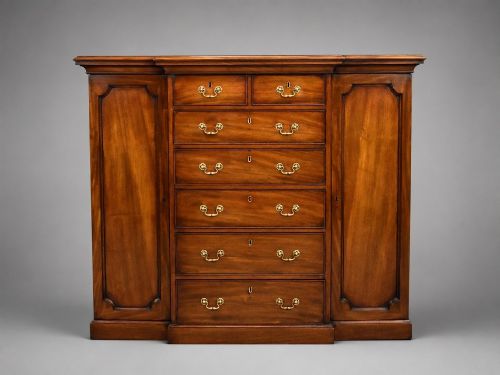
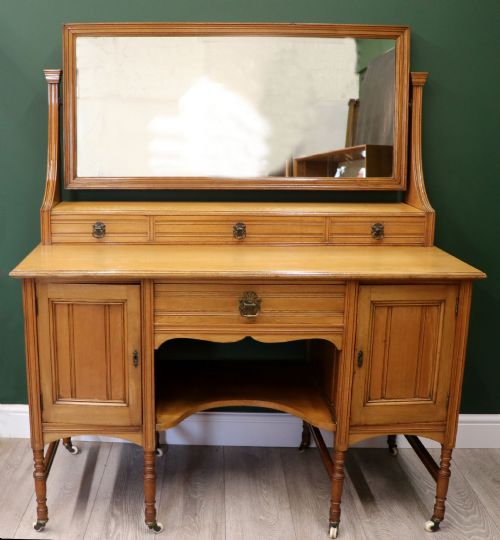


Antique Pedestal Dresser
An antique pedestal dresser brings serious architectural presence to a room, offering robust storage built from rich period timbers.
Antique Pedestal Dresser
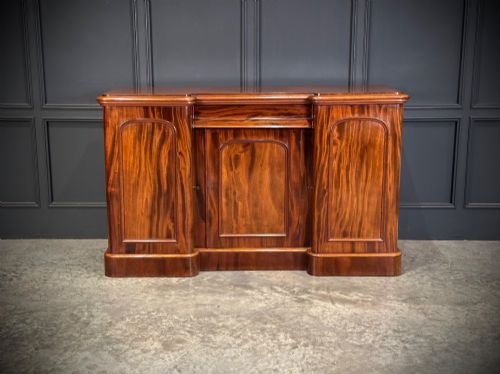
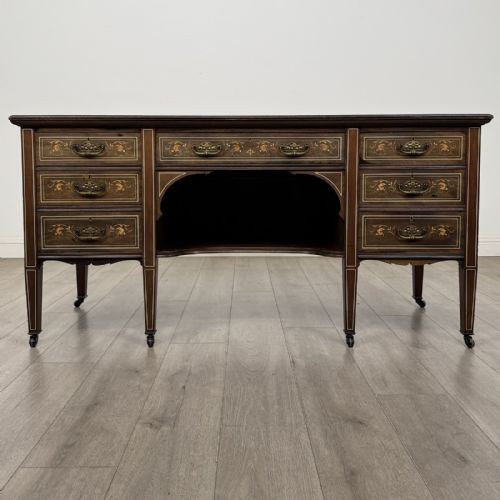
An antique pedestal dresser unites heavy foundational storage with practical surface utility, frequently appearing in the listings as substantial sideboards, mirror back units, and fitted writing desks. Buyers seeking an antique pedestal dresser will encounter robust forms dating from the Georgian and Victorian eras, alongside related sideboards and dressing tables.
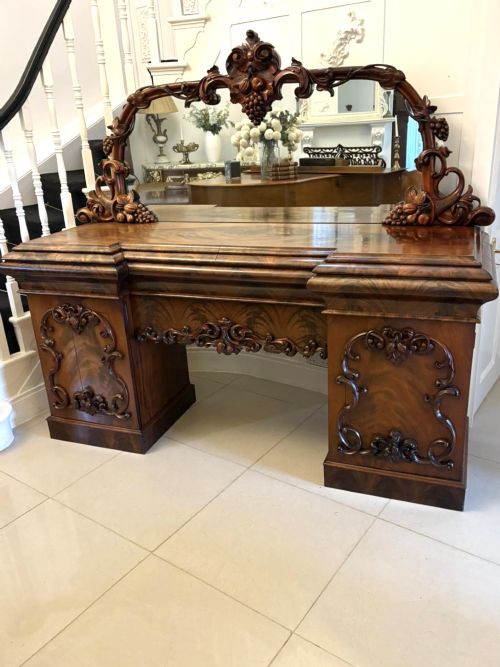
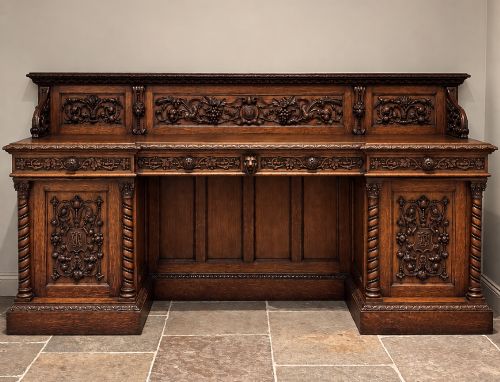
The layout typically incorporates flanking cupboards or banks of drawers supporting a central workspace or serving counter, sometimes crowned by an elaborate mirror back. Pitch pine, flame mahogany, and carved oak dominate the physical forms seen across these examples, establishing a heavy, grounded silhouette.
Materials and construction methods
Cabinetmakers relied heavily on solid mahogany, oak, and pine to build the core carcase and heavy structural pedestals of these pieces. Fine veneers such as flame mahogany and burr walnut were applied to drawer fronts and door panels to create rich grain patterns.
Secondary timbers like sycamore appear in interior framing, while brass hardware and occasional glass elements complete the assembly. Carved geometric motifs, Gothic Revival details, and inlaid stringing were worked directly onto the solid timber surfaces.
Antique Pedestal Dresser Retail Price Guide 2026
Typical asking prices for pedestal dresser among the pieces listed under this phrase on Sellingantiques today, from the lower quarter to the upper quarter. They describe what is for sale here now, not the wider market.
Distinguishing quality across examples
Superior execution shows in the careful selection of matching wood veneers and the crispness of hand-carved geometric or foliage details. Lesser examples rely on plain secondary woods with minimal surface articulation and simpler joinery.
The integrity of the original hardware, the stability of the heavy pedestal bases, and the depth of the polished timber finish separate standard utility furniture from finer cabinetmaker output.
Gillow & Co.
The Antique Pedestal Dresser Glossary
- Pedestal
- A structural supporting base or column beneath a desk or sideboard cabinet. It often contains a vertical stack of drawers.
- Flame mahogany
- A highly figured timber veneer prized for its distinctive flickering flame pattern. Cabinetmakers used it on primary display surfaces.
- Mirror back
- An upright wooden frame holding a large plate glass mirror attached to the rear of a sideboard or dressing table. It reflects light and adds vertical scale.
- Breakfront
- A cabinet design where the central section projects forward from the flanking pedestals. This creates a staggered, architectural facade.
Antique Pedestal Dresser: Frequently Asked Questions
What is an antique pedestal dresser?
It is a heavy storage piece featuring flanking cupboards or drawer stacks supporting a central counter or writing surface. These units often incorporate mirrors and extensive carved detailing.
Originating primarily in the Georgian and Victorian periods, they served as grand sideboards, kitchen dressers, or partner desks in substantial homes.
How do I date an antique pedestal dresser?
Dating relies on identifying the primary timbers, construction methods, and stylistic ornament. Georgian pieces often display clean mahogany lines, while Victorian examples lean toward heavy carved oak, mirror backs, and pollard oak.
Hardware styles, dovetail construction, and secondary woods like pine or sycamore provide further clues to the decade of manufacture.
Where should I place a pedestal dresser?
These substantial pieces require adequate wall space and a room with sufficient scale to balance their visual weight. They work well anchoring a dining room wall as a serving sideboard or functioning as a primary desk in a study.
Because many include heavy mirror backs or deep pedestals, ensure clearance allows doors and drawers to open fully without obstruction.
How do I care for antique timber furniture?
Maintain the polished finish by dusting regularly with a soft, dry cloth and avoiding silicone-based polishes that build up over time. Keep the timber away from direct sunlight and heat sources to prevent the wood veneers from drying and cracking.
Occasional application of high-quality beeswax feeds the grain and preserves the historic lustre of mahogany and oak surfaces.