

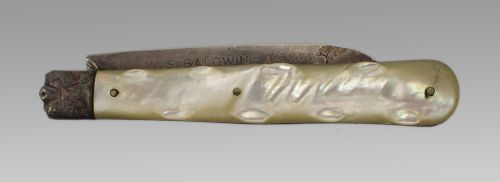


Antique Pearl Handled Cutlery
These antique pearl handled cutlery pieces bring lustrous mother-of-pearl grips and gleaming silver or steel blades to the dining table.
Antique Pearl Handled Cutlery
When you search for antique pearl handled cutlery, you encounter an array of dining utensils featuring shimmering nacre grips paired with metal blades. The selection spans single fruit knives, boxed serving sets, and larger cutlery services created during the Victorian and Edwardian eras.
Most items you meet on this page date from the nineteenth and early twentieth centuries, encompassing styles from Victorian, Edwardian, and nineteenth-century European periods. Forms range from individual butter knives and hors d'oeuvres forks to thirty-six-piece fish services and specialised stilton scoops.
Makers and silversmiths utilised durable materials to craft these domestic implements, pairing organic mother-of-pearl with silver, sterling silver, silver plate, and steel. Many pieces survive housed in fitted velvet-lined wooden boxes designed for presentation and safe storage.
Materials and construction methods
Craftsmen shaped mother-of-pearl into scaled grip halves, pinning them securely to tangs of steel, silver, or silver-gilt using small metal pins. The iridescent shell material required careful hand-cutting and polishing to follow the contours of each handle.
Blades and tines were forged from steel or cast in silver, occasionally featuring engraved decoration or pierced designs as seen on bread forks and cake knives. Fitted presentation cases lined with velvet provided tailored resting places for multi-piece cased sets.
Antique Pearl Handled Cutlery Retail Price Guide 2026
Typical asking prices for pearl handled cutlery among the pieces listed under this phrase on Sellingantiques today, from the lower quarter to the upper quarter. They describe what is for sale here now, not the wider market.
Listings feature items from the Victorian and Edwardian periods, utilising mother-of-pearl, silver plate, sterling silver, and steel.
Distinctions in quality and execution
The standard of a set often rests upon the uniformity of the mother-of-pearl scales and the depth of the metalwork engraving on the blades. Solid sterling silver components and silver gilt elevate a piece above standard silver plate versions.
Completeness within fitted velvet boxes and the presence of identified makers' marks distinguish higher tier items from unmarked domestic utensils. Specialised forms such as stilton scoops or golf club cake knives demonstrate greater manufacturing ambition than standard fruit knives.
William Devenport
The Antique Pearl Handled Cutlery Glossary
- Mother-of-Pearl
- An iridescent internal layer of shells produced by certain mollusks, utilised for decorative knife handles. This organic material yields a lustrous, shimmering surface that reflects light differently from every angle.
- Silver Gilt
- Silver that has been coated with a thin layer of gold, providing a rich yellow-gold appearance over the metal base. This technique enhances decorative cutlery used for serving fruit or cheese.
- Stilton Scoop
- A specialised utensil featuring a long, curved blade designed for cutting and serving aged cheeses. These pieces often showcase elaborate engraving along the metal trough.
- Hors d'oeuvres Forks
- Small dining forks intended for picking up appetizers or finger foods at formal meals. They frequently appear within matched cased sets alongside complementary knives.
- Tnag
- The extension of a knife blade that connects into the handle grip. Secure pinning through this metal spine holds the pearl scales firmly in place.
Antique Pearl Handled Cutlery: Frequently Asked Questions
What are pearl handled fruit knives used for?
These knives were designed for peeling and slicing fruit at the formal dining table after the main courses concluded. Their corrosion-resistant blades prevented staining from the acidic juices of fresh fruit.
Today, collectors utilise them for similar dining tasks or display them within cased sets to appreciate the shimmering quality of the nacre handles.
How should I clean antique cutlery?
Gentle hand washing in lukewarm water with mild soap preserves the delicate organic structure of the mother-of-pearl grips. Harsh chemical dips ruin the polish of both shell and silver components.
Dry the pieces thoroughly with a soft cloth immediately after washing to prevent moisture damage to the wooden boxes and metal mounts.
Can I use these utensils daily?
Regular usage remains possible provided you handle the older items with care and avoid dishwashers entirely. The heat and harsh detergents of automated washing machines warp pearl handles and loosen pins.
Hand cleaning and careful storage in fitted boxes ensure these nineteenth-century implements survive for future generations to enjoy.
How do I date Victorian pearl handled cutlery?
Hallmarks stamped onto the silver components provide the most reliable indicator of origin date and assay office location. Stylistic clues like floral engraving or the shape of the fitted box also help assign items to the Victorian or Edwardian periods.
Comparing the form against documented cutlery styles narrows down the decade of manufacture with reasonable accuracy.