

Antique Pearl Cluster
Antique pearl cluster jewellery brings together lustrous pearls and surrounding stones in rings, brooches, and earrings from Victorian and Edwardian periods.
Antique Pearl Cluster
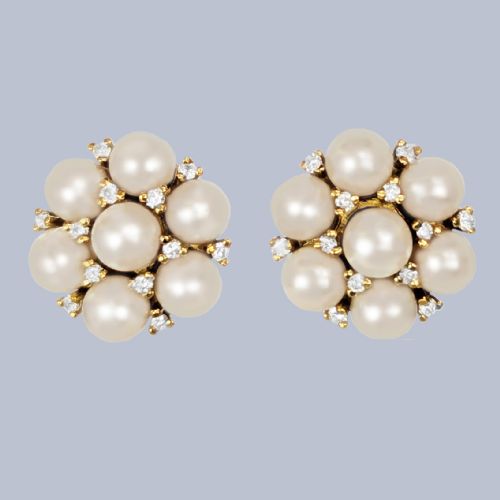
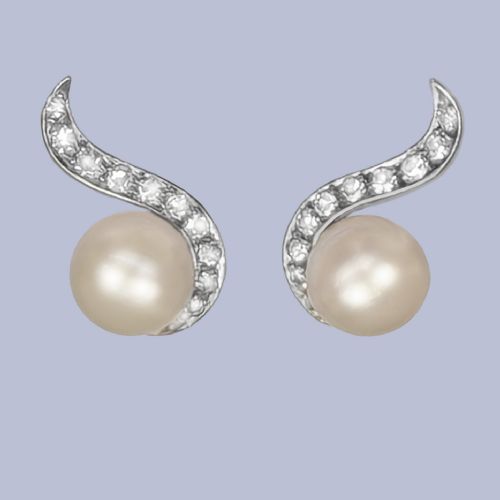
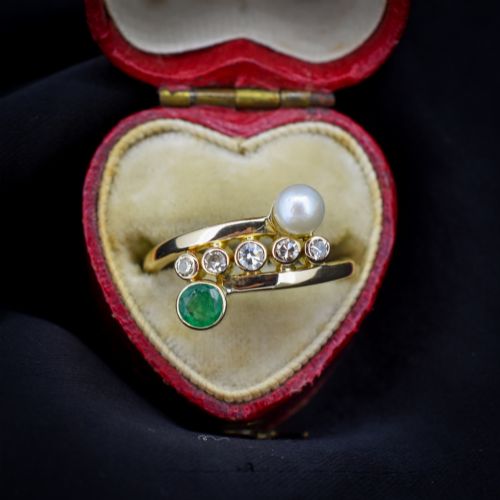
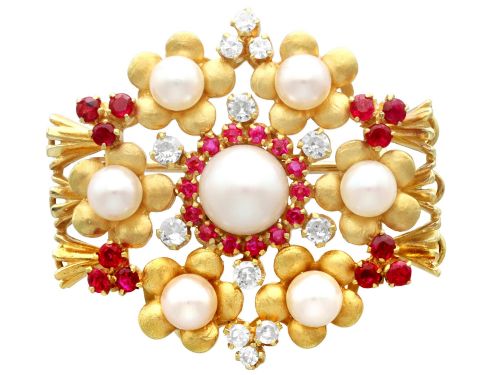
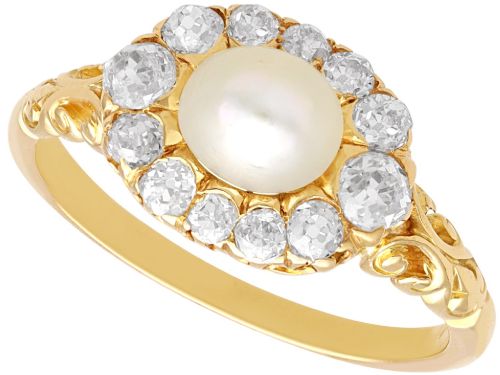
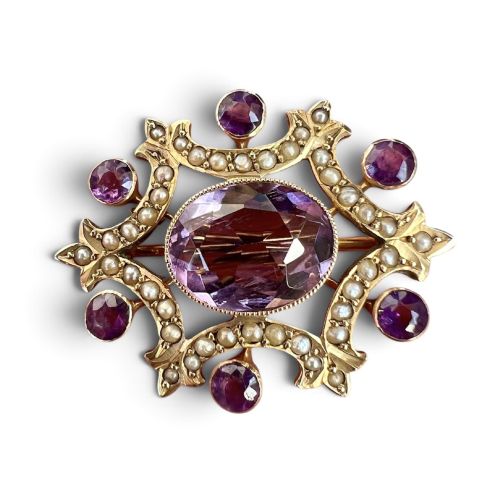
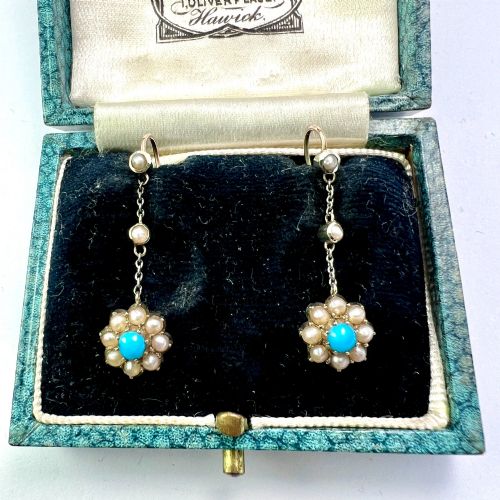
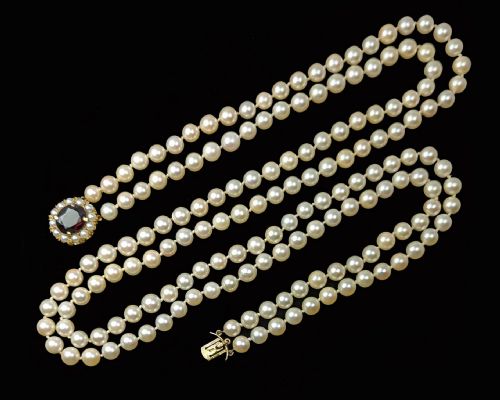
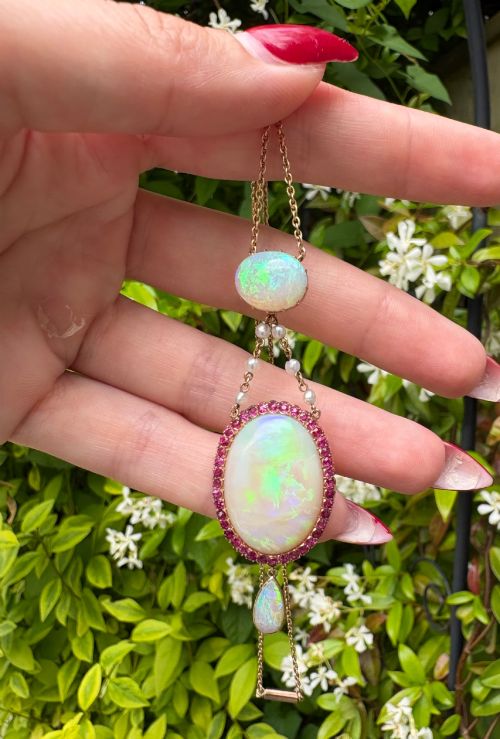
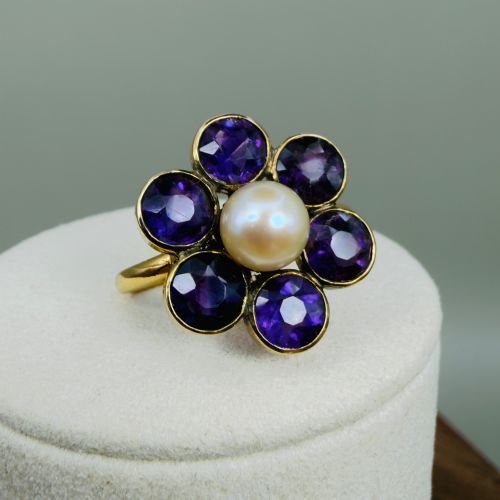
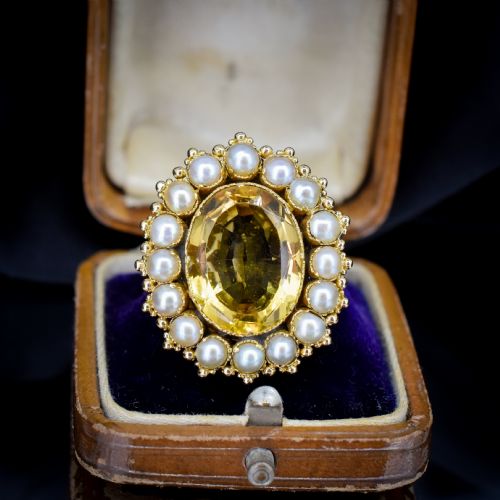
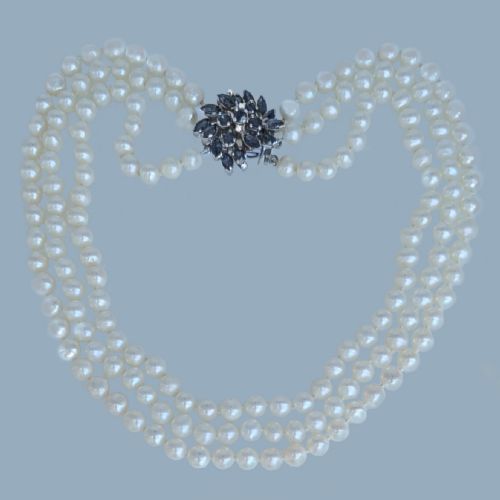
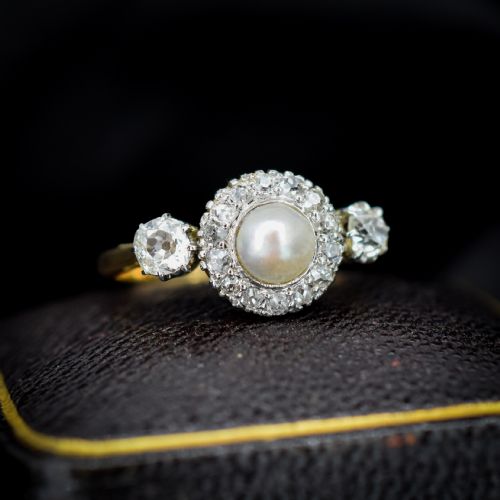
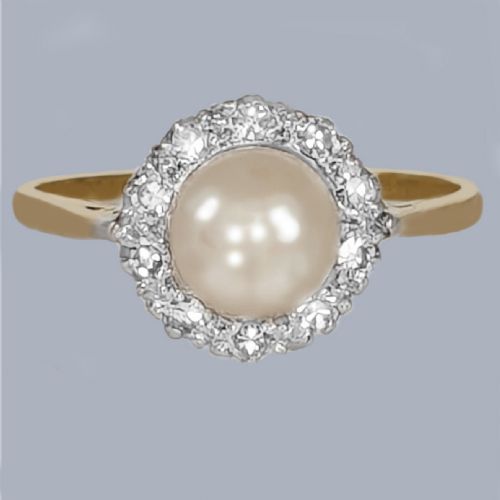
An antique pearl cluster typically centres a pearl within a symmetrical arrangement of supporting gems such as diamonds, garnets, amethysts, or turquoises. These pieces span Georgian, Victorian, Edwardian, and mid-century eras, appearing most frequently as rings, drop earrings, and brooches.
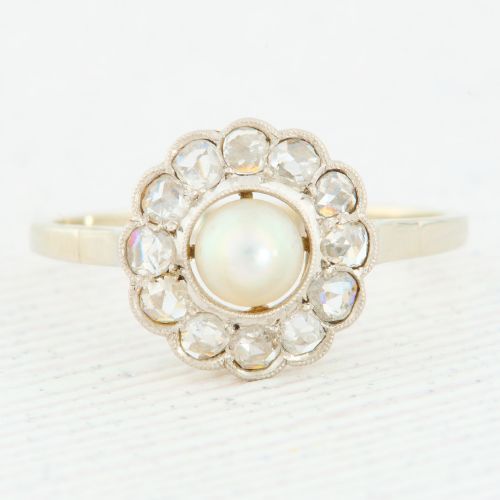
The layout often follows a floral, target, or halo design where the central pearl draws the eye while smaller stones frame its perimeter. Gold in varying purities, platinum, and silver gilt provide the foundational structure for these arrangements.
Materials and construction
Maker workshops utilised yellow, white, and rose gold in 9ct, 15ct, and 18ct standards, alongside platinum and silver gilt settings. Natural pearls, seed pearls, and cultured varieties combine with rose-cut and old-cut diamonds, coloured gemstones like almandine garnet and amethyst, and occasionally paste or faux pearls.
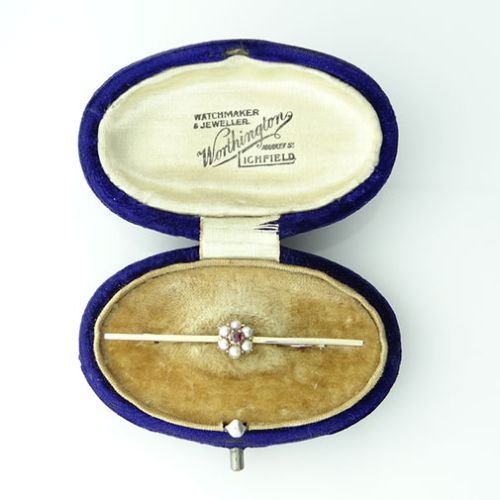
Gemstones are securely bezel or claw set into metal mounts designed as hinged drops, clusters, bangles, or bar brooches. Metalwork techniques incorporate fine wirework, granulation, and engraved details that support the central cluster configuration.
Antique Pearl Cluster Retail Price Guide 2026
Typical asking prices for pearl cluster among the pieces listed under this phrase on Sellingantiques today, from the lower quarter to the upper quarter. They describe what is for sale here now, not the wider market.
Listings feature pearl cluster items mounted in 9ct, 15ct, and 18ct gold, platinum, and silver gilt across Victorian, Edwardian, and mid-century eras.
Quality factors in cluster jewellery
The harmony and proportion between the central pearl and its surrounding gems dictate the visual impact of a cluster piece. Balanced weight, clean metalwork, and the matching of stone sizes reflect the skill of the original jeweller.
The integrity of the pearl surface, the depth of colour in accompanying gems such as sapphire, tourmaline, or ruby, and the preservation of original settings distinguish superior examples.
The Antique Pearl Cluster Glossary
- Seed pearl
- Very small, natural or saltwater pearls often drilled and strung or used to accent floral and star motifs in antique jewellery.
- Old-cut diamond
- A hand-faceted diamond cut before modern machinery, characterised by a smaller table, higher crown, and a distinctive open culet.
- Rose-cut diamond
- A vintage gemstone cut featuring a flat base and a domed crown with triangular facets rising to a point.
- Almandine garnet
- A deep red variety of garnet commonly found in Victorian cluster rings and brooches.
- Silver gilt
- Sterling silver that has been coated with a thin layer of gold to give the appearance of solid gold metalwork.
Antique Pearl Cluster: Frequently Asked Questions
How do I care for antique pearl jewellery?
Pearls are organic gems that require gentle handling, so avoid exposing them to harsh chemicals, perfumes, or ultrasonic cleaners.
Wipe them softly with a damp cloth after wearing and store them separately to prevent scratching from harder gemstones in your collection.
What periods do these pearl clusters come from?
The available selection spans several distinct eras, including Georgian, Victorian, Edwardian, Art Deco, and mid-century periods.
Victorian and Edwardian examples appear most frequently, showcasing characteristic mountings like yellow gold and platinum.
Are the pearls natural or cultured?
Antiques from the Georgian and Victorian eras feature natural saltwater or freshwater pearls formed without human intervention.
Later twentieth-century pieces may incorporate cultured pearls alongside diamonds and coloured gemstones.
What types of jewellery use cluster designs?
Cluster configurations are most commonly found in rings, earrings, pendants, and brooches.
Designers also applied this layout to bangles, necklaces, and mourning jewellery incorporating agate or enamel.