



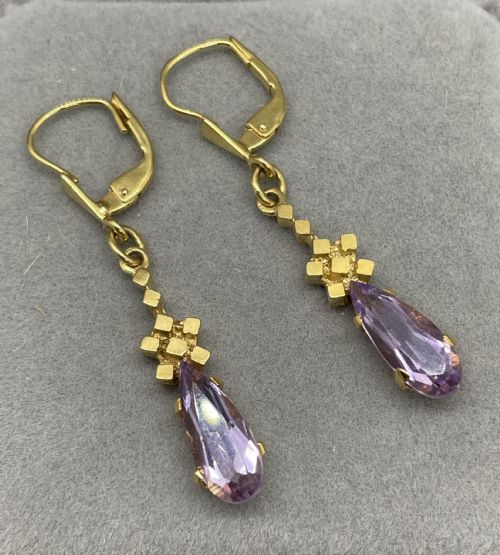


Antique Pear Cut Pendant
These antique pear cut pendant pieces bring together drop stones and precious metals from the Edwardian era to the mid-century.
Antique Pear Cut Pendant
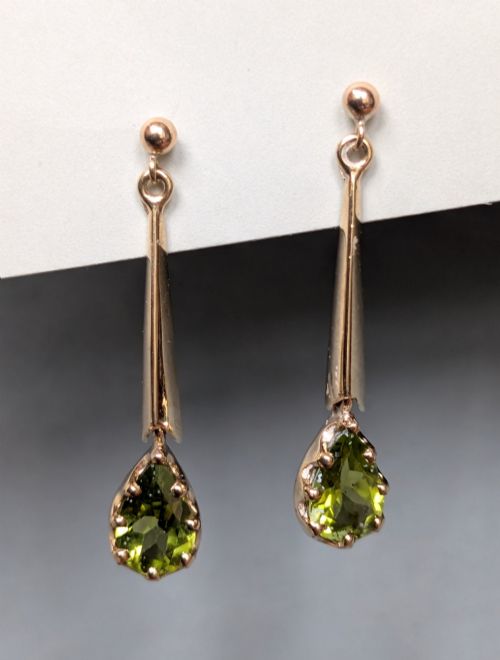
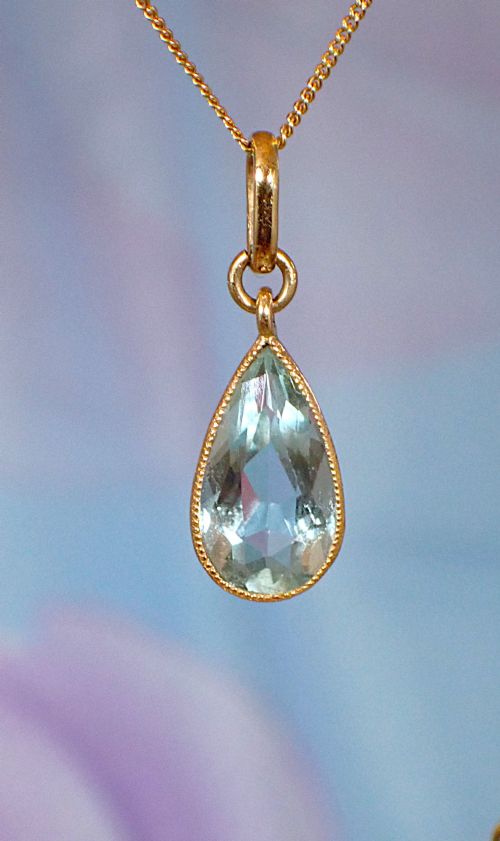
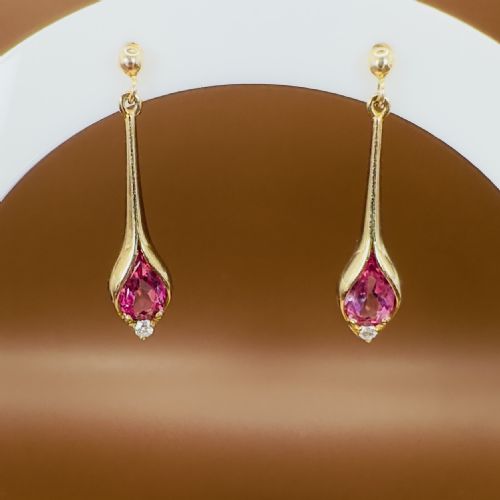
An antique pear cut pendant delivers a distinctive teardrop profile that hangs from necklaces or forms part of drop earrings across multiple periods. When you search for an antique pear cut pendant, you encounter forms that span Edwardian elegance through to mid-century modern styling.
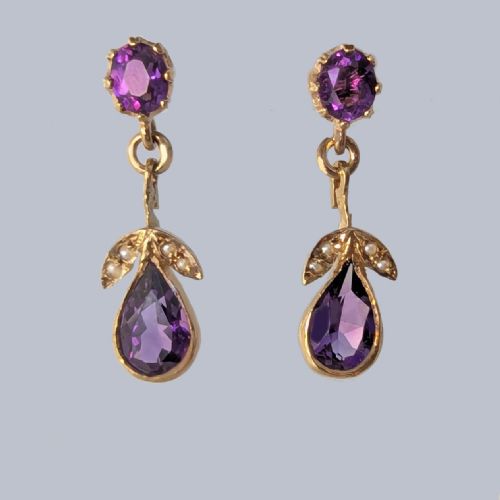
The material combinations on this page pair central stones like aquamarine, amethyst, garnet, ruby, and sapphire with gold or platinum settings. Edwardian pieces often blend pearls with diamonds and pale gems in balanced drop designs.
Materials and construction
Craftsmen utilised various carats of yellow and white gold alongside platinum to mount stones securely. Settings range from nine-carat yellow gold to platinum and eighteen-carat white gold.
Gems receive pear cutting to accentuate light play, complemented by seed pearls, rose cut diamonds, and brilliant cuts. Metalwork combines delicate bezels, claws, and pierced galleries.
Antique Pear Cut Pendant Retail Price Guide 2026
Typical asking prices for pear cut pendant among the pieces listed under this phrase on Sellingantiques today, from the lower quarter to the upper quarter. They describe what is for sale here now, not the wider market.
Current listings feature periods spanning Victorian and Edwardian eras through to the nineteen-sixties, utilising platinum, gold, diamonds, and aquamarines.
Assessing quality and craftsmanship
Quality rests on the depth of colour in stones like aquamarine and amethyst, alongside the precision of the pear cut. Superior examples show symmetrical facets and clean stone clarity without heavy inclusions.
The integrity of the gold or platinum work dictates structural distinction. Finer pieces display refined granulation, secure claw or bezel settings, and intact original chains or fittings.
The Antique Pear Cut Pendant Glossary
- Pear cut
- A modified brilliant cut stone shape featuring a rounded end tapering to a single point. This teardrop silhouette maximises light return while elongating the neckline.
- Seed pearl
- A very small, naturally or cultured saltwater pearl, often pierced and threaded. These tiny pearls accent borders and dangling elements in Edwardian jewellery.
- Platinum
- A dense, silvery-white precious metal prized for durability and strength. It allows for ultra-fine settings that hold diamonds securely without heavy metal bulk.
- Rose cut
- An antique gemstone cutting style featuring a flat base and a domed crown composed of triangular facets. This cut creates a soft, translucent glow rather than sharp brilliance.
Antique Pear Cut Pendant: Frequently Asked Questions
How do I date an Edwardian pendant?
Edwardian pieces typically date around nineteen-ten, often showcasing platinum or white gold combined with delicate millgrain decoration and pearls.
Look for light, openwork metal designs that echo lace patterns typical of the period before heavier Art Deco geometries took hold.
What metals are common in these pieces?
Listings feature various grades of gold, including nine-carat, fourteen-carat, fifteen-carat, and eighteen-carat yellow and white gold, alongside platinum.
Platinum gains prominence in the Edwardian era for its strength, allowing jewellers to create airy, lace-like settings for diamonds and aquamarines.
How do I care for antique gemstone pendants?
Protect soft gems like pearls and opals from chemicals, perfumes, and ultrasonic cleaning machines. Use a soft damp cloth for gentle wiping.
Store pieces individually in padded boxes to prevent scratching between harder stones like diamonds and softer varieties like amethysts.
What is a drop pendant necklace?
A drop pendant suspends a primary gemstone or decorative element below the main chain attachment point. This creates gentle movement when worn.
Many examples on this page feature articulated joints that allow the pear cut stone to swing independently from the bale.