


Antique Patio Chairs
Antique patio chairs bring enduring metalwork and seating to outdoor spaces, offering distinct Victorian and interwar character for the garden.
Antique Patio Chairs
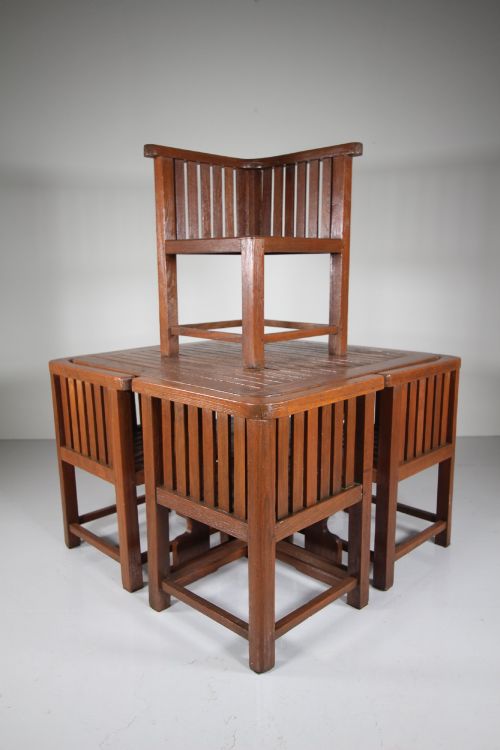
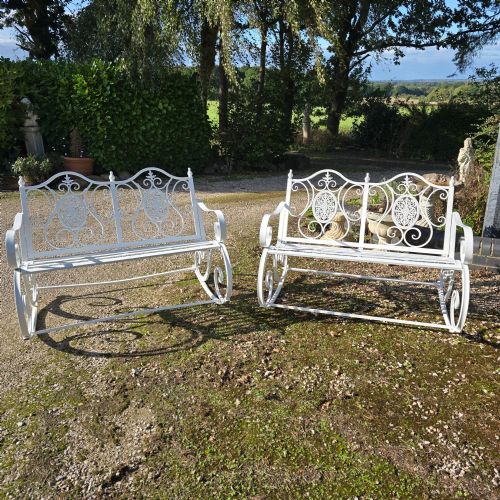
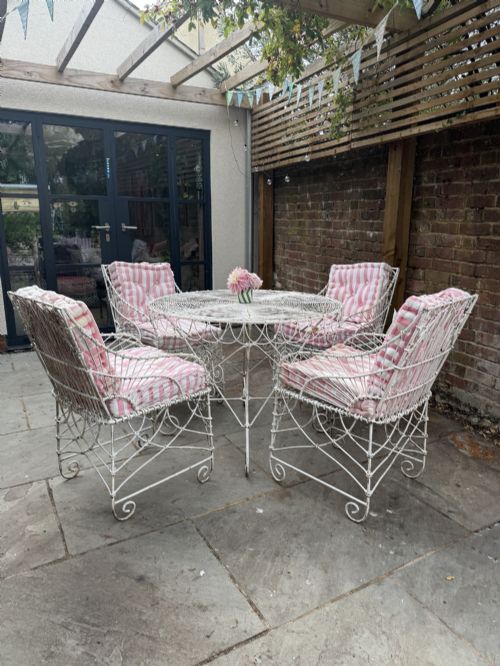
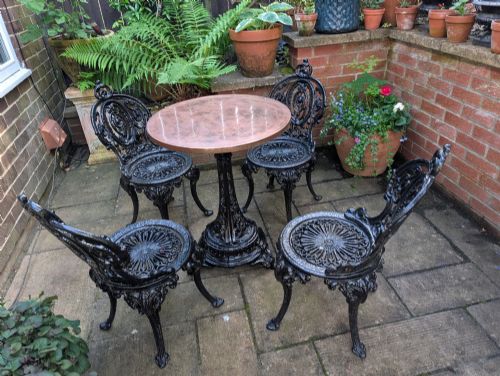
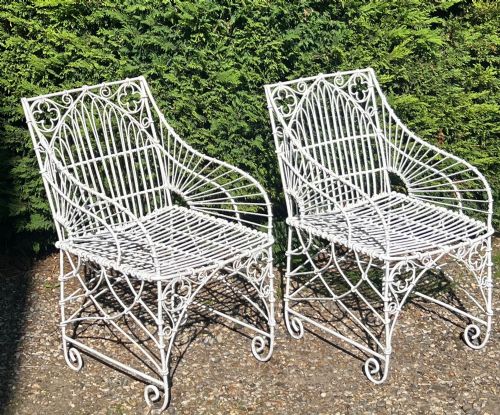
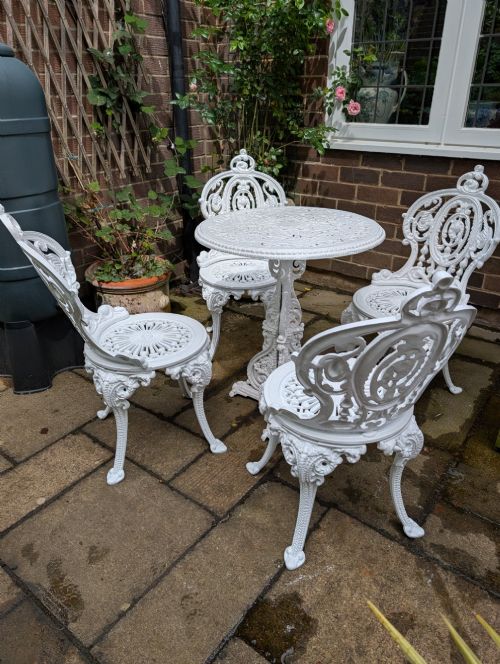
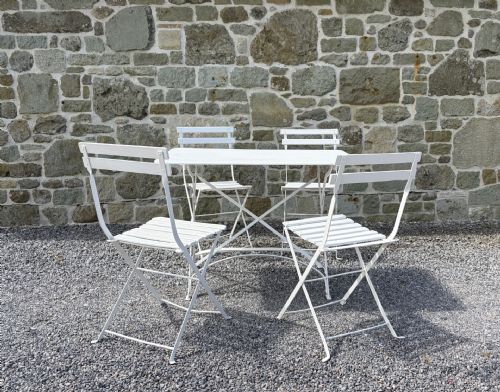
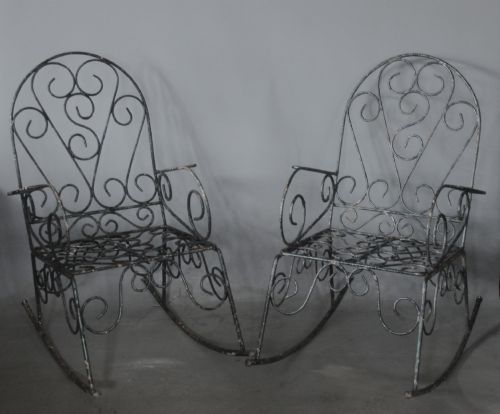
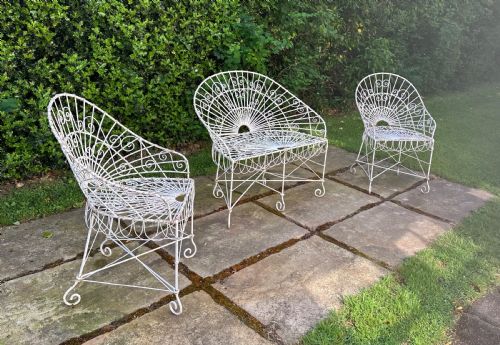
When buyers search for antique patio chairs, they encounter a robust selection of metal garden seating originating from the nineteenth and early twentieth centuries. These pieces span robust dining sets, folding bistro chairs, armchairs, and rocking benches designed for outdoor use. French bistro styles and Victorian revival designs dominate the selections available on the market.
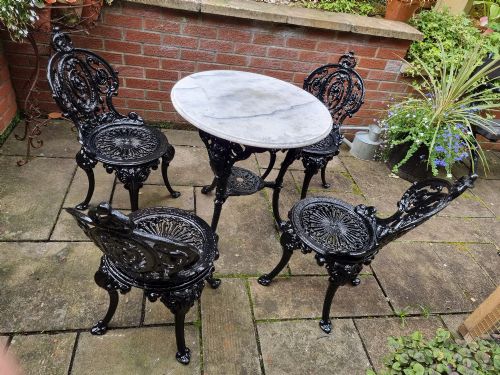
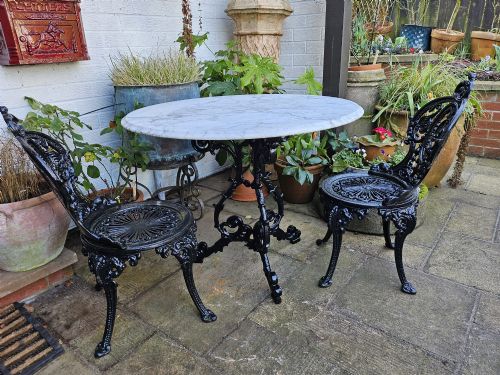
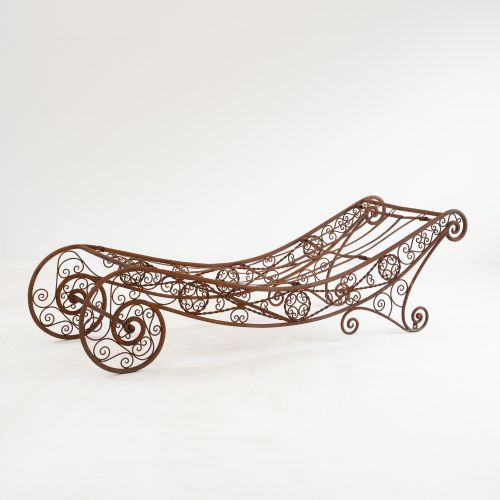
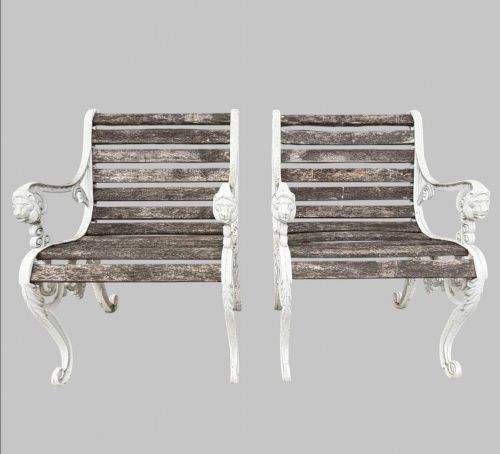
The objects take various forms including matching sets of four chairs paired with tables, individual armchairs featuring lion mask motifs, and specialised daybeds. Origins stretch across British and continental workshops, incorporating influences from French country aesthetics to gothic designs. Buyers most frequently meet heavy cast iron and wrought iron constructions built to withstand the elements.
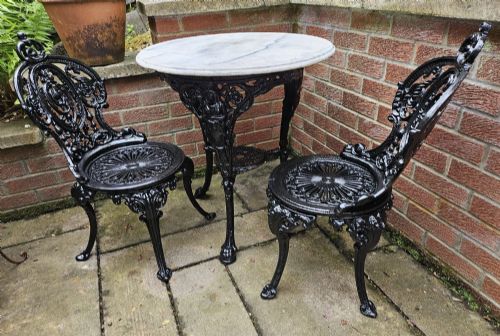
Many survivors retain traces of historic paint finishes or weathered patinas acquired through decades of garden placement. Pieces range from simple folding wirework structures to substantial cast iron armchairs with intricate backrest patterns. Each variant reflects the utilitarian yet decorative approach previous generations brought to outdoor living spaces.
Materials and construction
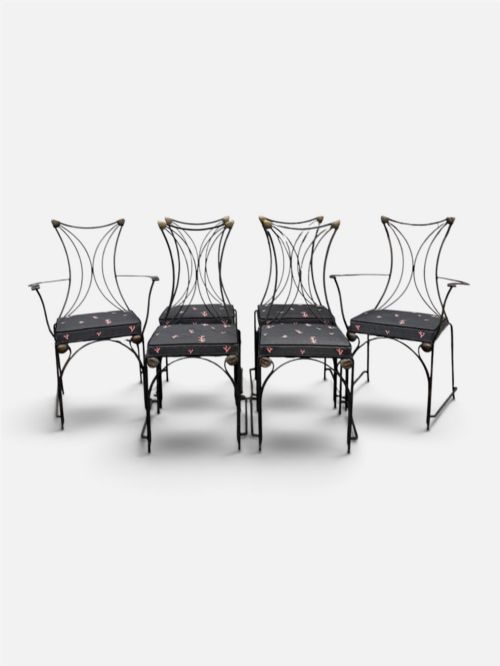
Makers utilised heavy cast iron and wrought iron as the primary structural materials for these garden seats, shaping molten metal in moulds or hammering heated bars into scrollwork. Cast iron allowed for intricate relief details such as gothic arches, animal masks, and botanical motifs. Wrought iron provided the tensile strength needed for lighter frames, folding mechanisms, and curved wirework structures.
Surface treatments typically involved layers of protective paint applied to shield the iron from oxidation in outdoor environments. Some compositions incorporate complementary elements like marble table tops, wooden slats, or fabric additions to enhance comfort and utility. Surviving examples often display the textured surfaces and layered paint coats accumulated over successive generations of use.
Antique Patio Chairs Retail Price Guide 2026
Typical asking prices for patio chairs among the pieces listed under this phrase on Sellingantiques today, from the lower quarter to the upper quarter. They describe what is for sale here now, not the wider market.
Listings feature pieces spanning the Victorian era through the 1930s, utilising cast iron, wrought iron, wirework, and marble.
Indicators of quality
Quality in these metal garden seats emerges through the crispness of the casting and the refinement of the forged joints. Superior examples exhibit sharply defined relief work on cast iron panels, where motifs like lion masks or gothic tracery remain distinct and deep. Finer pieces maintain structural integrity without excessive pitting in the metal, showing careful attention from the original foundry or smith.
Design ambition separates standard utility seating from exceptional workshop output, particularly in matched sets or pieces attributed to notable designers and foundries. The balance and symmetry of hand-formed wrought iron scrolls indicate the skill of the maker. Complete sets that retain their original companion tables or benches hold greater cohesion than assembled groups.
Christopher Dresser·Val D'osne
The Antique Patio Chairs Glossary
- Cast iron
- A hard, brittle alloy poured into moulds to create rigid forms with detailed ornamentation. This material forms the heavy structural components and decorative backs of many nineteenth-century garden seats.
- Wrought iron
- Tough, malleable iron heated and hammered into shape by hand to form curves and structural frames. This technique yields resilient components used in folding chairs, balconies, and garden daybeds.
- Wirework
- Metal strands bent and woven into geometric or botanical patterns for lightweight outdoor furniture. This technique gained popularity during the late Victorian period for garden tables and chairs.
- Bistro set
- A small table accompanied by two or four chairs designed for compact outdoor dining. These portable sets frequently feature folding iron frames suited for terraces and pavement cafes.
- Riviera style
- An aesthetic associated with coastal leisure, characterised by open ironwork frames designed for comfort in warm climates. Pieces from this tradition often utilise lighter wrought iron construction.
Antique Patio Chairs: Frequently Asked Questions
How do I protect antique iron chairs outdoors?
Keep the metal sealed with appropriate exterior coatings to prevent rust formation during damp weather conditions. Store pieces under cover or indoors during harsh winter months to preserve the historic surface.
Inspect the paint layer periodically for signs of flaking or moisture penetration. Applying protective wax or specialised metal preservatives helps maintain the existing patina without stripping character.
Are these chairs comfortable without cushions?
Most metal garden seats were designed with ergonomic curves in the backrests and seats to provide reasonable support. Open wirework and contoured iron slats distribute weight evenly across the frame.
Adding loose fabric cushions can increase comfort during extended periods of sitting. Many owners use removable pads that complement the historic aesthetic while protecting the iron finish.
How do I distinguish Victorian from later pieces?
Victorian examples frequently display heavy cast components with gothic, botanical, or naturalistic ornamentation. The casting tends to be thick, with deep relief work and substantial fixing bolts.
Interwar and twentieth-century designs often lean towards simpler lines, lighter wrought iron frames, or folding mechanisms. Examining the fastening methods and metallurgical characteristics helps clarify the period of production.
Can I leave cast iron sets outside year round?
Cast iron withstands outdoor placement well due to its dense mass, but prolonged exposure to moisture accelerates oxidation. Water pooling in joints or decorative crevices can cause gradual degradation over time.
Elevating the feet slightly off damp ground prevents moisture absorption through the base. Regular cleaning removes debris and organic matter that trap humidity against the painted surface.