



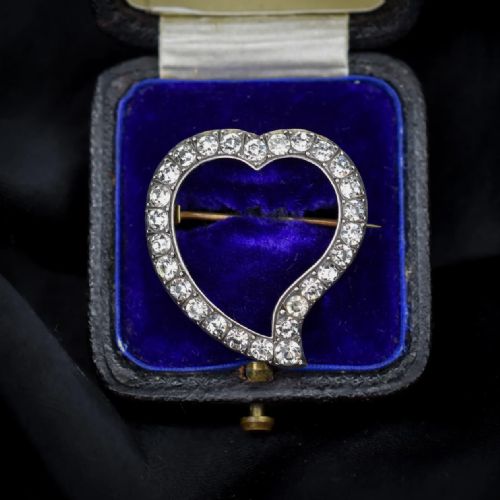
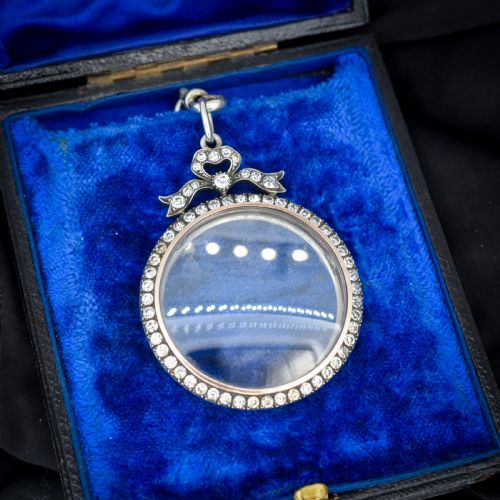
Antique Paste Stone
These brilliant antique paste stone pieces catch the light with genuine historical weight, offering sparkling elegance across centuries of craftsmanship.
Antique Paste Stone
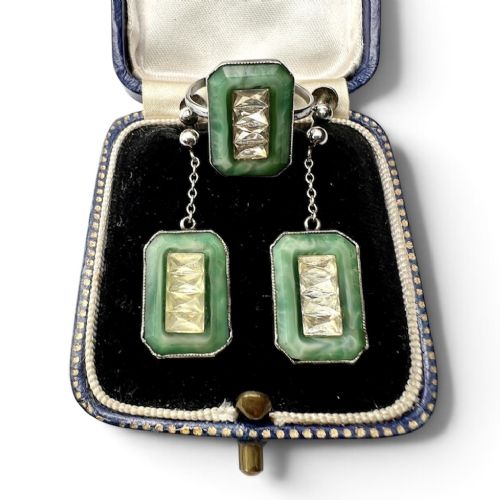
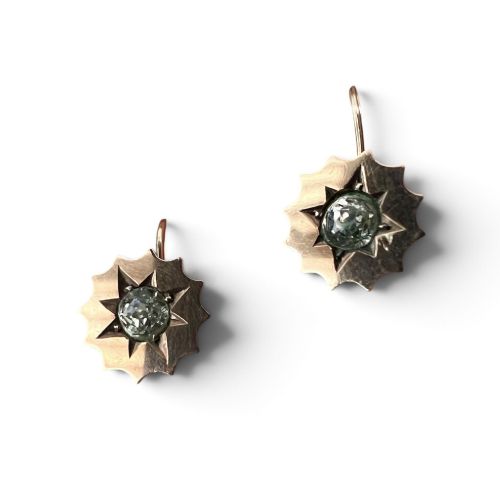
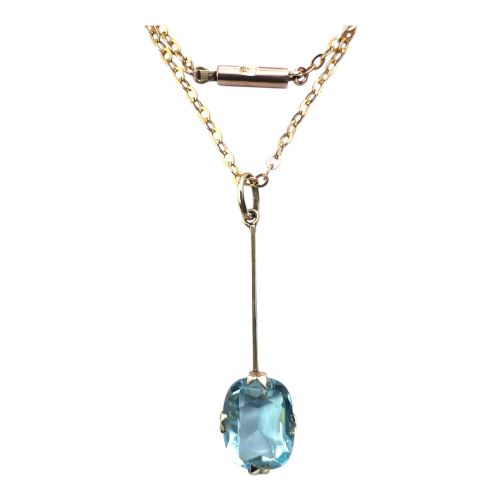
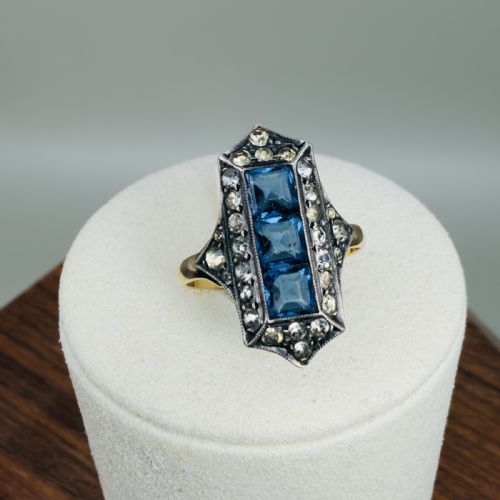
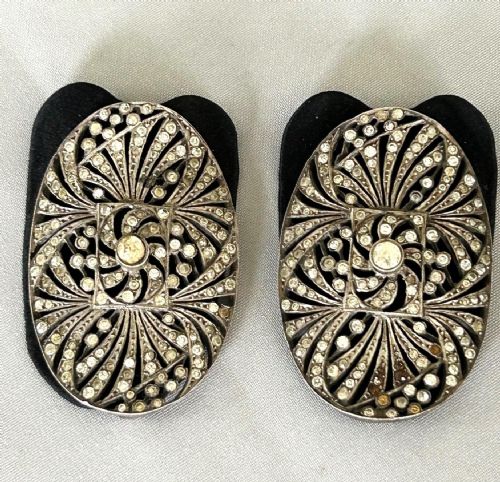
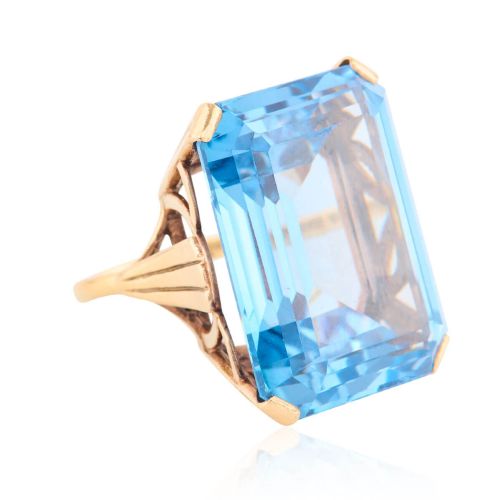
When you search for antique paste stone, you encounter ornaments set with hand-faceted glass designed to imitate precious gems. The pieces span Georgian, Victorian, Edwardian, and Art Deco periods, bringing historical sparkle to jewellery collections.
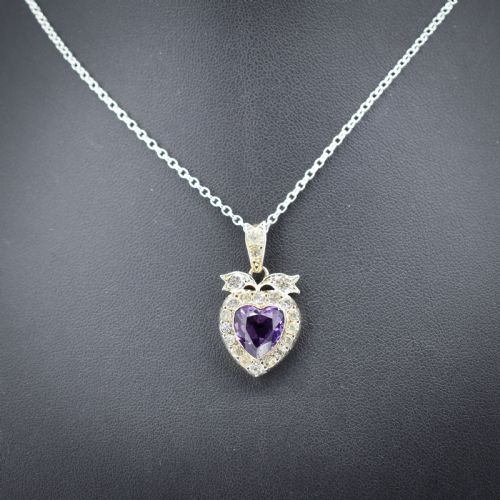
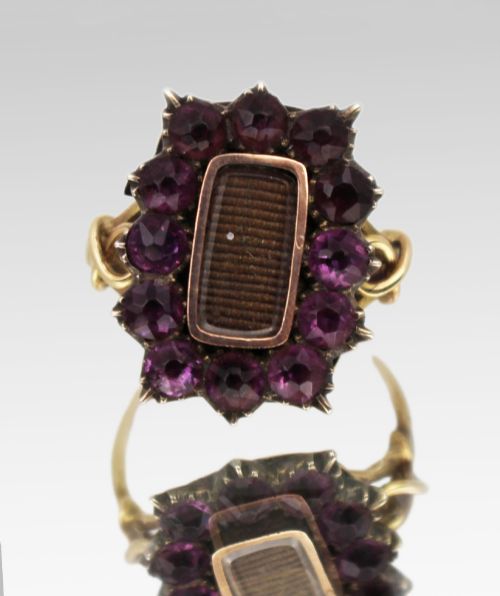
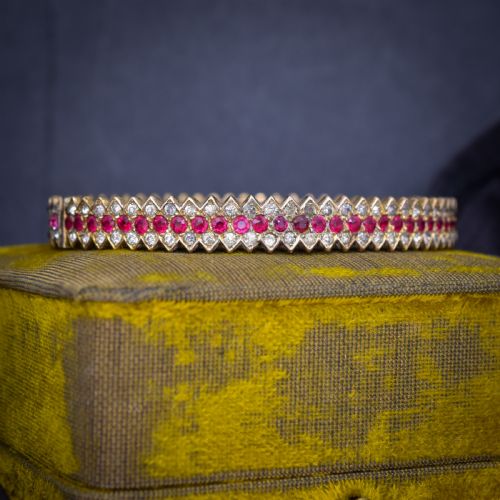
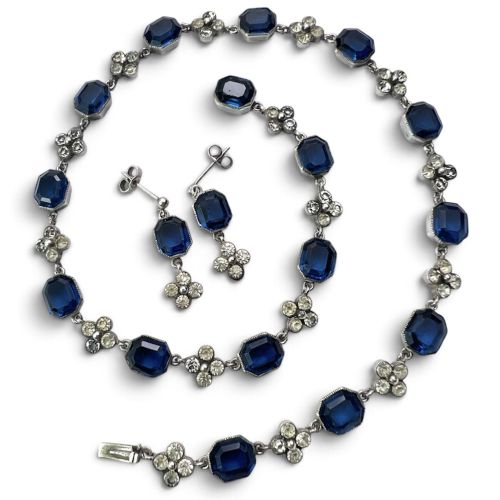
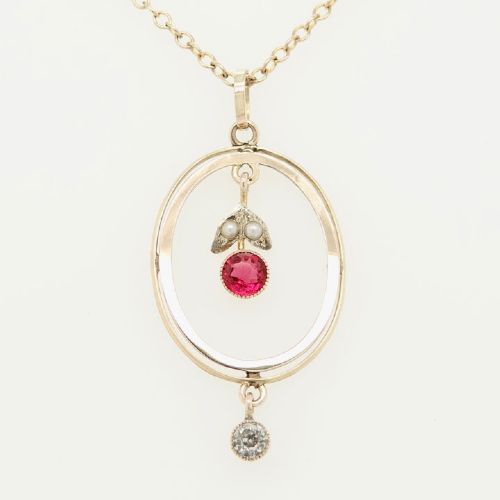
The inventory on this page ranges from Georgian shoe buckles and rings to Victorian lockets and brooches, alongside Edwardian drop necklaces and Art Deco silver bangles. Rings, earrings, and pendants dominate the selection, often featuring stones cut to mimic emeralds, sapphires, amethysts, and diamonds.
Earrings, necklaces, and brooches frequently pair these glass stones with silver, gold, or gilt settings. Many items reflect distinct stylistic shifts, moving from ornate Georgian clusters to sleek geometric Art Deco lines.
Materials and construction
Craftsmen used specially formulated glass, known as paste, which was hand-cut and polished to achieve the brilliance of mined gemstones. These stones were then set into metals such as sterling silver, 9ct gold, 18ct gold, and gilt mounts.
Setting techniques varied by era, utilising closed-back foils in earlier Georgian periods to enhance stone reflectivity, later shifting to open-back settings in Victorian and Edwardian pieces. Additional materials like enamel, seed pearls, and rock crystal frequently complemented the paste stones in complex brooches and pendants.
Antique Paste Stone Retail Price Guide 2026
Typical asking prices for paste stone among the pieces listed under this phrase on Sellingantiques today, from the lower quarter to the upper quarter. They describe what is for sale here now, not the wider market.
Listings feature silver and gold settings across Georgian, Victorian, Edwardian, and Art Deco periods, encompassing both paste glass and natural stones.
Distinctions in quality
Quality rests heavily on the precision of the stone cutting and the integrity of the setting work. Hand-cut old facets display a softer, warmer refraction compared to later mass-produced alternatives.
The choice of precious metal housing also elevates a piece, with solid 9ct or 18ct gold and fine silver settings indicating higher original commissioning standards than base metal or filled equivalents. Preservation of original foils, enamelling, and secure prong work further distinguish superior examples.
The Antique Paste Stone Glossary
- Paste
- Hand-cut glass used in jewellery to imitate diamonds and coloured gemstones. It offers distinct optical weight and historical charm.
- Rivière necklace
- A continuous line of graduated or matching stones linked closely together. This form remains a classic piece of historical neckwear.
- Giardinetti
- A jewellery design depicting a small garden in a pot or basket, typically rendered using colourful paste stones. The motif is particularly associated with Georgian and Victorian periods.
- Puffy heart
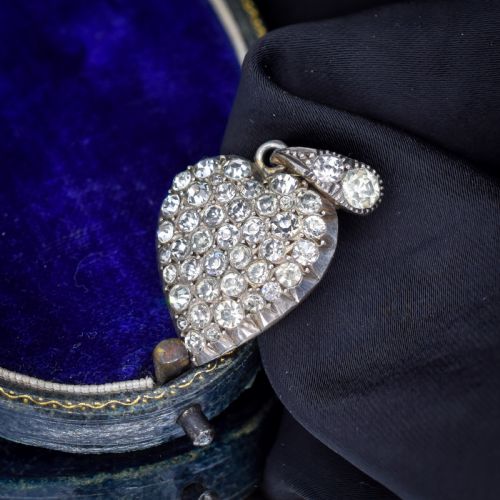
- A hollow, three-dimensional heart-shaped pendant popular in Victorian and Edwardian sentimental jewellery. They often open as lockets or house paste stone settings.
- Old cut
- Hand-faceted stone cutting style predating modern machine-precision standards. It produces characteristic irregular facets that catch candlelight effectively.
Antique Paste Stone: Frequently Asked Questions
How do I clean antique paste stone jewellery?
Use a soft, dry cloth to gently wipe the surface of the glass and metal. Avoid submerging historical pieces in water, as moisture can damage old foils behind the stones.
Harsh chemical cleaners strip patinas from silver and gold settings. Take care around vulnerable claw settings and delicate enamel work.
Are these glass stones fragile?
Paste is essentially glass, meaning it can chip or scratch if subjected to hard impacts. Store each item separately to prevent stones from rubbing against one another.
While robust enough for careful wear, historical pieces require gentle handling compared to modern daily jewellery.
How can I tell a Georgian piece from a Victorian one?
Georgian pieces often utilise closed-back settings with coloured foil behind the paste to boost brilliance under candlelight. They frequently feature intricate hand-cut silver work.
Victorian items typically introduce open-back settings, varied metal purities like 9ct gold, and distinct motifs such as mourning themes or puffy hearts.
Did paste jewellery have high status historically?
Historical paste jewellery was worn by nobility and the fashionable elite, often alongside or instead of mined gemstones. Skilled artisans treated paste as an art form in its own right.
Georgian and Victorian wearers valued these pieces for their intricate design and exceptional craftsmanship rather than purely as financial substitutes.