


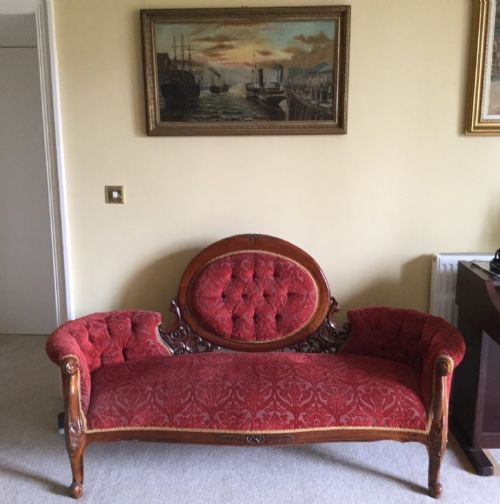


Antique Parlour Couch
An antique parlour couch brings formal reception rooms of the nineteenth and early twentieth centuries to life through timber frame and textile upholstery.
Antique Parlour Couch
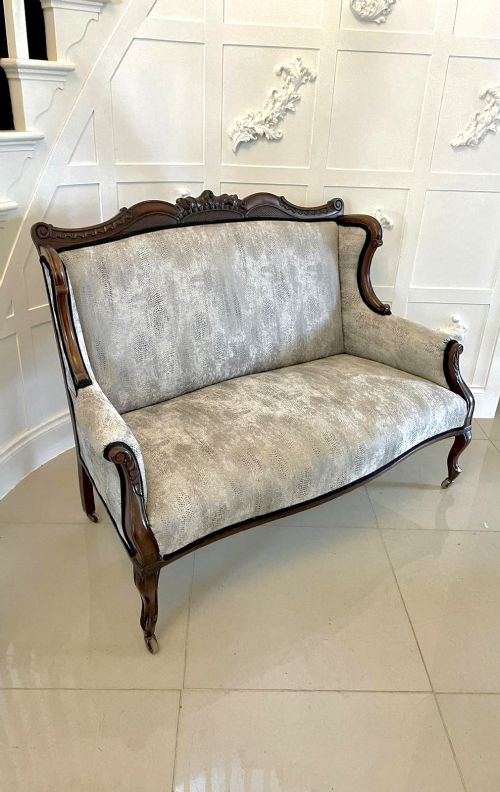
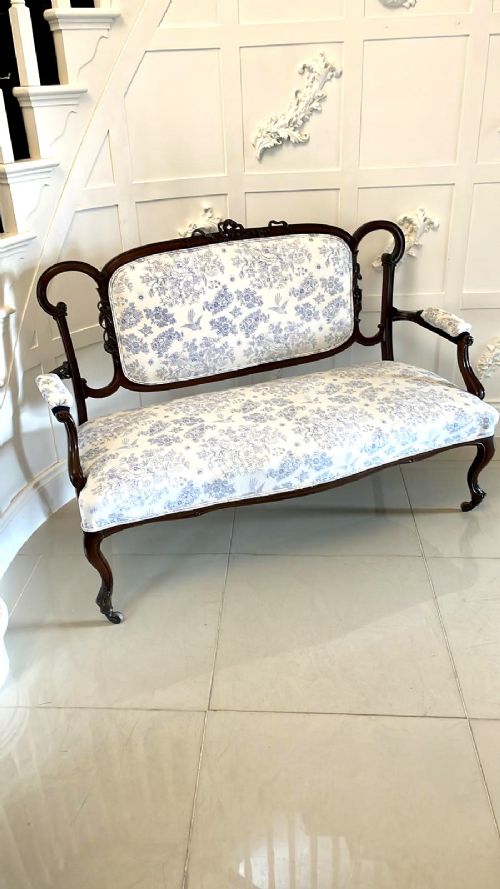
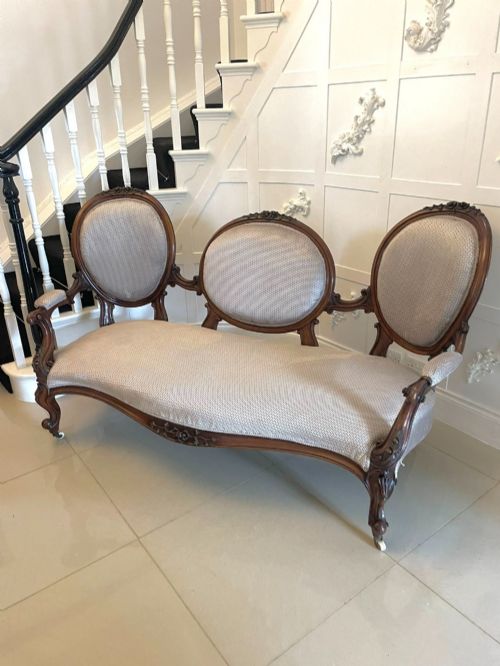
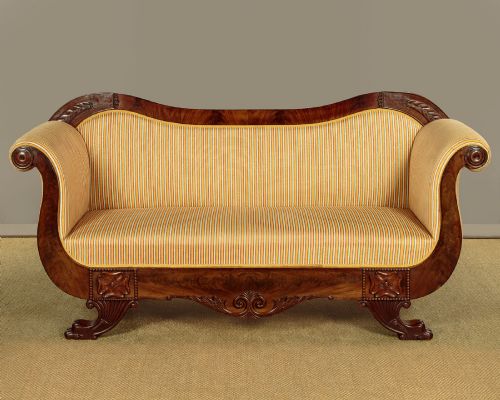
An antique parlour couch is a formal seating piece designed for reception rooms, drawing rooms and parlours across the Victorian, Edwardian and nineteenth-century periods. These seating items appear in forms such as settees, double ended sofas, cameo back designs, double spoon back settees and salon sofas.
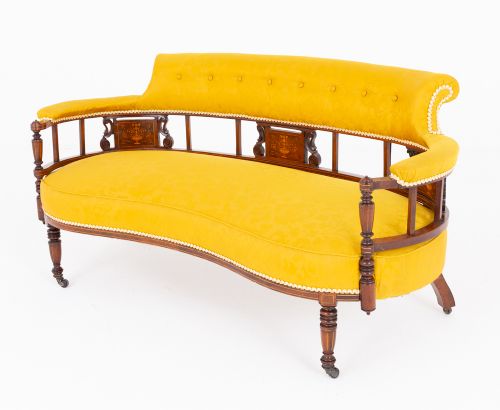
The pieces on this page span several decades, stretching from early nineteenth-century Regency and William IV examples through to Edwardian incarnations. Most commonly, a buyer encounters Victorian mahogany or walnut frames alongside lighter Edwardian mahogany and satinwood versions.
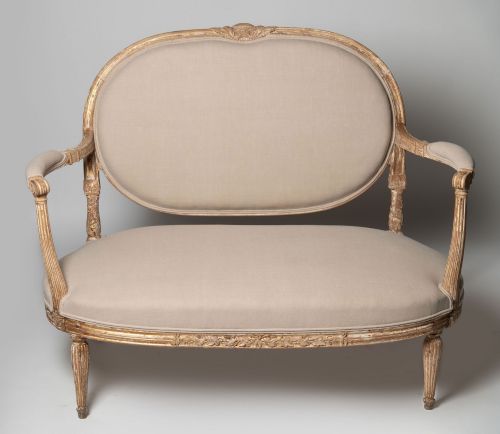
Makers and workshops range from notable firms like C. Hindley & Sons and Maple and Co to continental pieces executed in the French Rococo Revival or Louis XVI style. Regional country house sofas and German settees in the rococo taste also enter the mix, providing varied silhouettes for domestic interiors.
How they were made
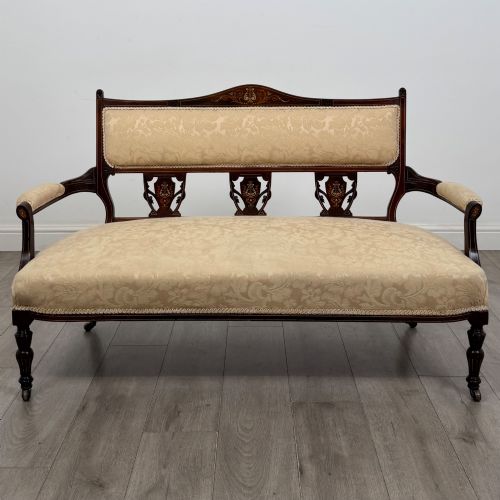
Timbers form the structural backbone, with solid mahogany, walnut and rosewood chosen for their strength and ability to take deep carving. Inlaid details utilise contrasting satinwood or lighter stringing, while giltwood and gold painted finishes appear on grander French style frames.
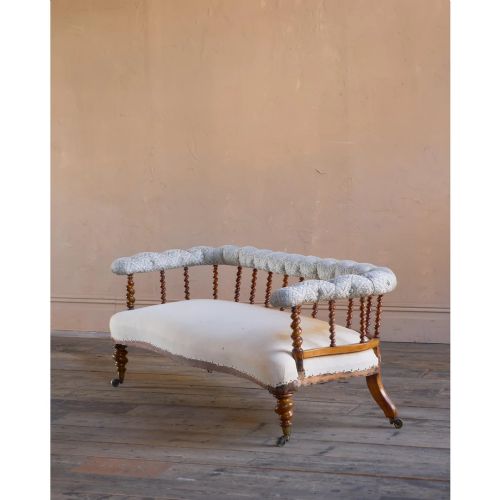
Upholstery relies on traditional sprung seats and webbed bases layered with horsehair or stuffing beneath outer textiles. Fabrics documented include contemporary brocade, damask upholstery, green textiles and burgundy deep pile brocade alongside plain frames intended for re-upholstery.
Antique Parlour Couch Retail Price Guide 2026
Typical asking prices for parlour couch among the pieces listed under this phrase on Sellingantiques today, from the lower quarter to the upper quarter. They describe what is for sale here now, not the wider market.
Some nineteenth-century sitters required double ended sofas so two people could converse face-to-face without turning their necks.
What varies in quality
The refinement of the timber carving dictates much of the visual merit, distinguishing simple turned supports from deeply hand carved mahogany, cameo backs or elaborate spoon back frames. Crisp joinery and tight wood joints ensure the structural integrity of the couch remains sound over generations.
The selection of timber veneers and the precision of inlaid satinwood stringing separate standard production pieces from finer cabinet work. Furthermore, the fidelity of revival styles, whether English Victorian Rococo or French Louis XVI, marks the distinction between ordinary seating and exceptional design.
C. Hindley & Sons·Maple and Co
The Antique Parlour Couch Glossary
- Double ended sofa
- A couch with matching scrolled or raised ends that allows a person to recline comfortably from either direction.
- Cameo back
- An upholstered chair or sofa back framed by carved wood resembling the oval profile of a carved gemstone.
- Spoon back
- A padded seat back shaped like the bowl of a spoon, popular during the early Victorian period for ergonomic support.
- Giltwood
- Timber coated with gold leaf or a gold-coloured metallic finish, frequent in French revival drawing room furniture.
- Satinwood
- A durable, lustrous yellow-brown timber used extensively for contrasting inlay work on Edwardian and late Victorian mahogany frames.
Antique Parlour Couch: Frequently Asked Questions
What is an antique parlour couch?
An antique parlour couch is a formal upholstered seating piece designed for nineteenth and early twentieth-century reception rooms. These items include settees, salon sofas and chaises built from hardwoods like mahogany, walnut and rosewood.
They served as decorative and functional seating in parlours and drawing rooms, often matching the prevailing styles of the Victorian and Edwardian eras. The category encompasses various regional English designs as well as continental French and German pieces.
How do I date a parlour couch?
Dating relies on observing the primary timber, decorative motifs and structural silhouette relative to documented periods. Early pieces often feature heavy mahogany frames with elaborate carving, while Edwardian examples favour lighter satinwood inlay and slender proportions.
Cabinet-making techniques and maker signatures further help narrow the decade of manufacture. Comparing the upholstery foundation and revival style provides additional chronological markers.
Are these couches comfortable for daily use?
Most parlour couches utilise traditional sprung bases and padded upholstery designed for formal sitting rather than modern lounging. Many surviving pieces retain their historic padding, though some require re-webbing or re-upholstery to suit contemporary comfort preferences.
The firm support and upright posture typical of nineteenth-century seating make them well-suited for studies, reception spaces and quieter rooms.
How do I care for antique wood and upholstery?
Preserving the timber frame requires avoiding direct sunlight and maintaining stable indoor humidity to prevent wood splitting. Gentle dusting with a dry cloth keeps the polished mahogany, rosewood or walnut free of abrasive grit.
Upholstery care depends on the fabric type, with professional cleaning recommended for historic brocade or damask coverings. Un-upholstered frames or pieces bought for re-upholstery allow owners to select modern conservation-grade textiles.