

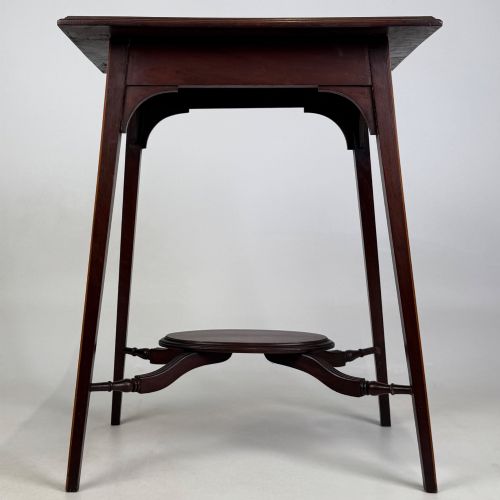


Antique Parlor Shelf
An antique parlor shelf or multi-tier table brings rich timber and practical display space to a room.
Antique Parlor Shelf
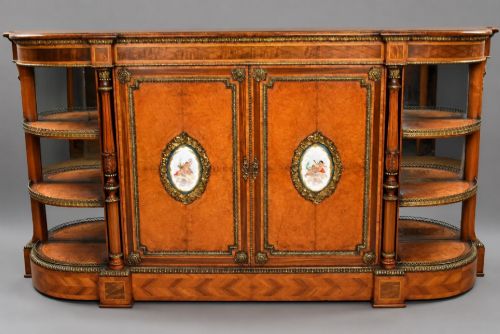
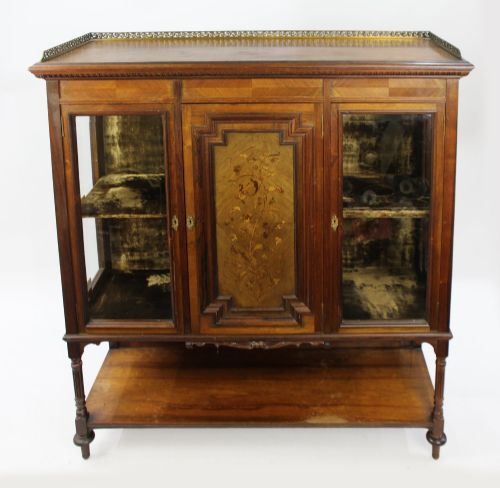
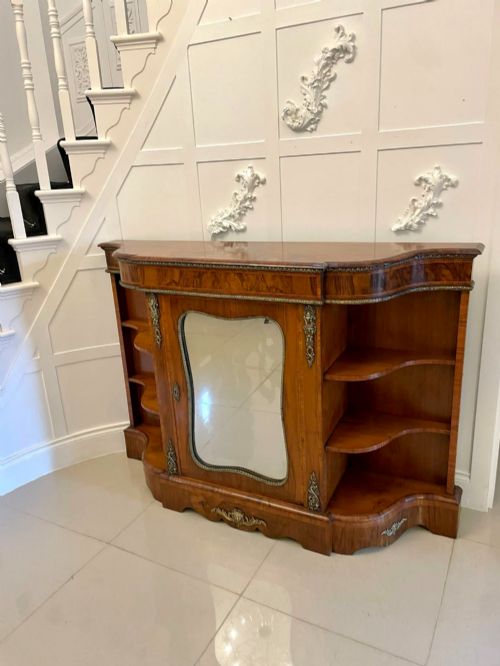
An antique parlor shelf or multi-tier table generally presents as a side table, occasional table, or display cabinet featuring an integrated lower shelf. These items span Victorian, Edwardian, and Regency periods, drawing on styles such as Chippendale Revival to offer functional surfaces for display.
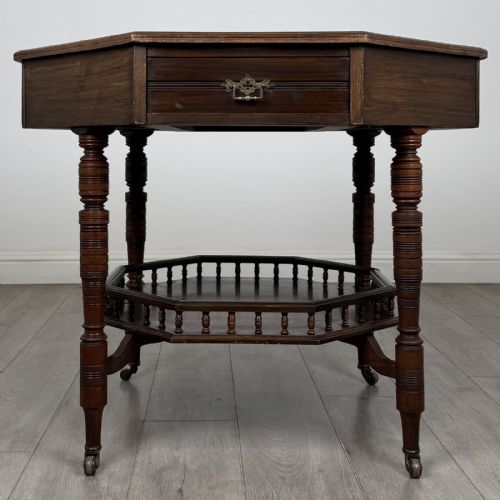
Buyers encountering this search phrase will most frequently meet Edwardian occasional tables and Victorian side cabinets fitted with lower or galleried shelves. Timber construction dominates these listings, with forms varying from octagonal centre tables to mirror-backed sideboards.
How they were made
Cabinet makers utilised dense hardwoods including mahogany, burr walnut, rosewood, and maple, often applying decorative veneers to primary surfaces. Timber framing was frequently enhanced with boxwood stringing and ormolu mounts.
Structural elements incorporated glass panels for display cabinets and brass fittings for hinges and galleries. Skilled hands shaped octagonal tops and mirror backs, balancing decorative enrichment with daily utility.
Antique Parlor Shelf Retail Price Guide 2026
Typical asking prices for parlor shelf among the pieces listed under this phrase on Sellingantiques today, from the lower quarter to the upper quarter. They describe what is for sale here now, not the wider market.
Listings span the Regency, Victorian, and Edwardian periods, showcasing timbers like mahogany, burr walnut, rosewood, and maple.
What varies in quality
The refinement of timber selection largely dictates the distinction between standard and superior examples, particularly in the use of figured walnut or highly grained rosewood veneers. Finer pieces demonstrate meticulous attention to inlaid boxwood stringing and the crispness of applied ormolu mounts.
Construction integrity is visible in the stability of multi-tier junctions and the precise joinery of galleried edges on octagonal or rectangular surfaces. Superior items retain well-preserved mirror glass and balanced proportions across their display tiers.
The Antique Parlor Shelf Glossary
- Galleried shelf
- A small raised rail or border fitted around the edge of a shelf to prevent items from sliding off. This detail frequently appears on octagonal centre tables and occasional furniture.
- Ormolu
- Gilded bronze mounts applied as decorative ornaments to furniture surfaces. It adds a metallic contrast to timber such as burr walnut and rosewood.
- Stringing
- A thin inlay of contrasting wood, often boxwood, embedded into the surface to create geometric borders. It characterises many Edwardian and Late Victorian inlaid pieces.
- Occasional table
- A small, versatile table designed for intermittent use around a room rather than a single fixed purpose. These often include a lower shelf for books or ornaments.
- Chiffonier
- A compact sideboard or low cabinet equipped with shelving above or below. Victorian examples frequently combine display space with enclosed storage.
Antique Parlor Shelf: Frequently Asked Questions
What is an antique parlor shelf used for?
These pieces provide compact surfaces and stepped shelving for displaying small decorative objects, porcelain, or books within living spaces.
They function as side tables, occasional stands, or display cabinets that maximise surface area without dominating a room.
How do I date an Edwardian occasional table?
Edwardian tables generally date from the early twentieth century and often feature lighter timbers, subtle boxwood inlay, and mahogany veneer.
Compare the turned legs and shelf supports against dated examples from the same era to confirm the period.
What woods were used in Victorian display cabinets?
Victorian cabinet makers primarily worked with rich hardwoods including mahogany, walnut, burr walnut, and rosewood.
These timbers were selected for their deep natural grain and ability to take a high polish, sometimes accented with contrasting stringing.
How should I care for an antique inlaid table?
Keep the timber away from direct sunlight and sudden temperature changes to protect delicate veneers and boxwood stringing from splitting.
Apply a traditional wax polish sparingly and buff with a soft cloth to maintain the finish without building up residue.