

Antique Parlor Seating
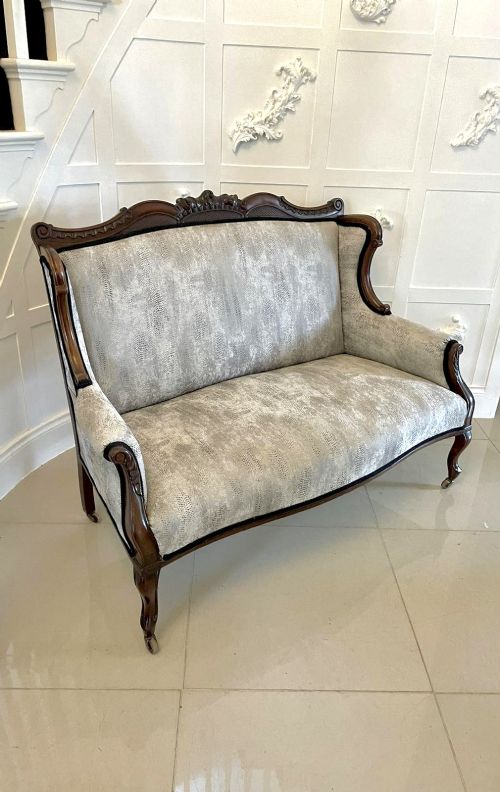
Antique parlor seating brings together Victorian, Edwardian, and Regency settees, salon suites, and armchairs designed to furnish period reception rooms with style and comfort.
Antique Parlor Seating
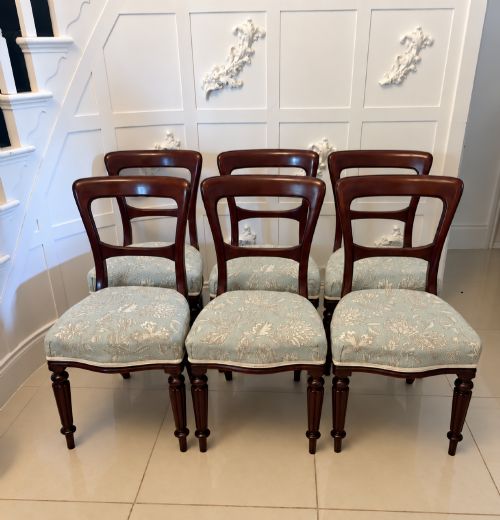
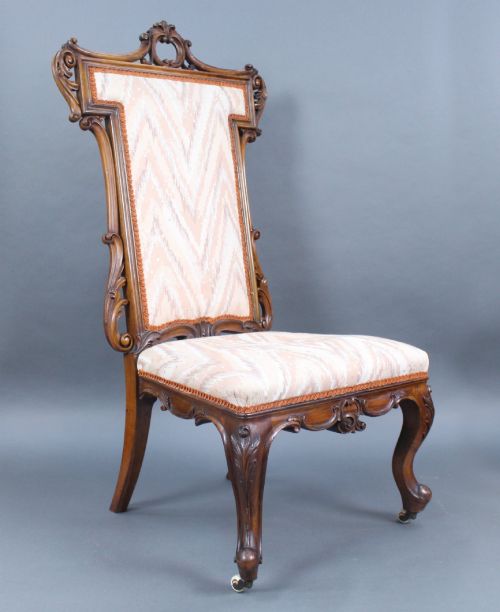
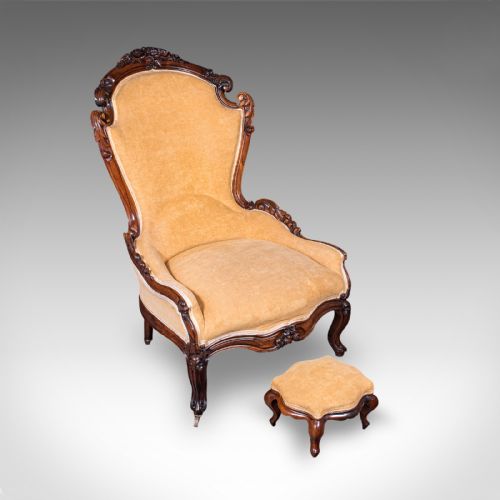
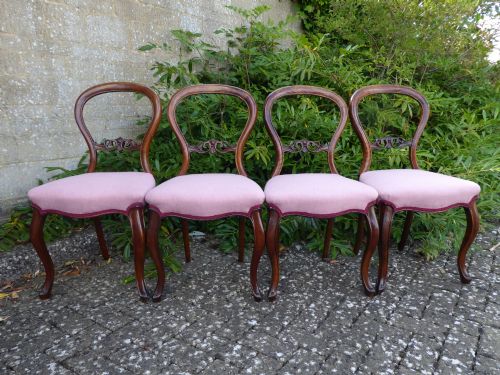
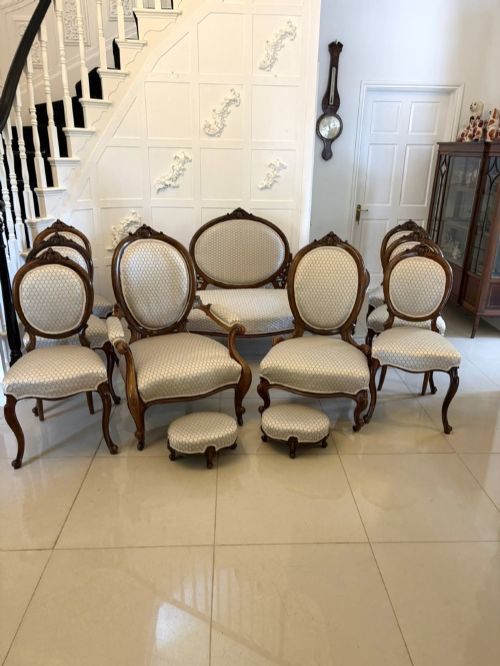
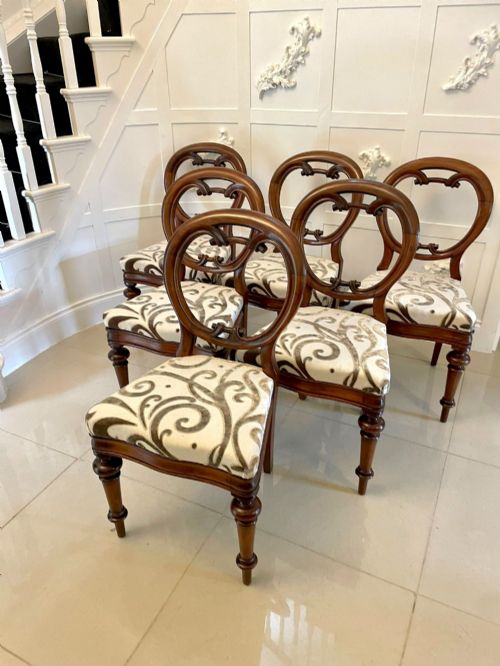
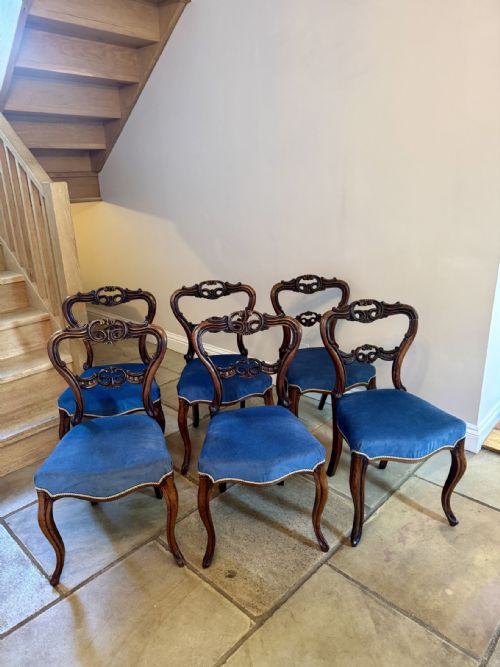
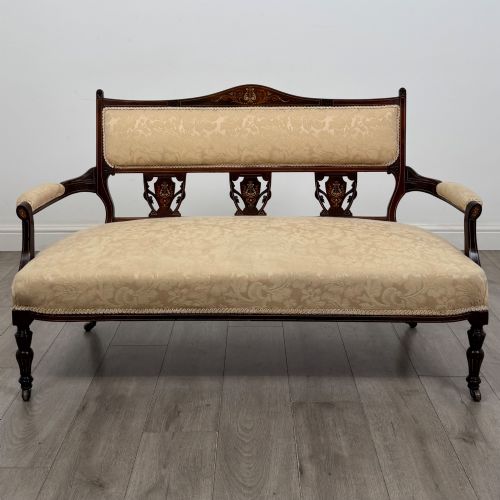
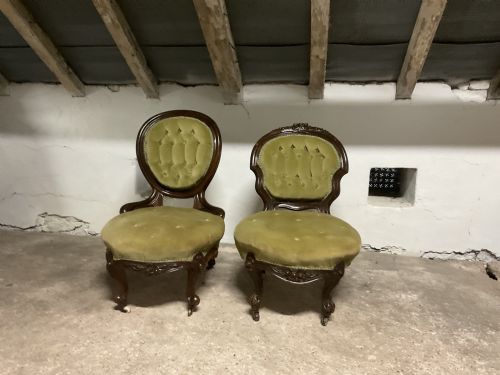
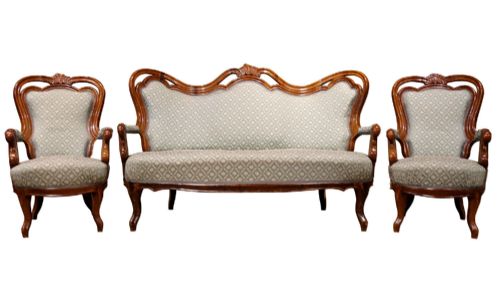
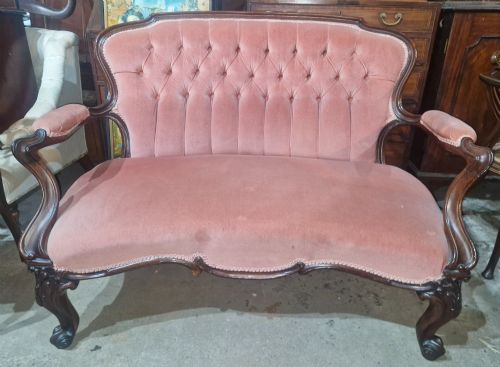
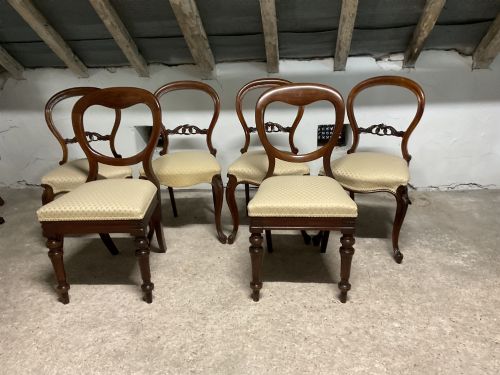
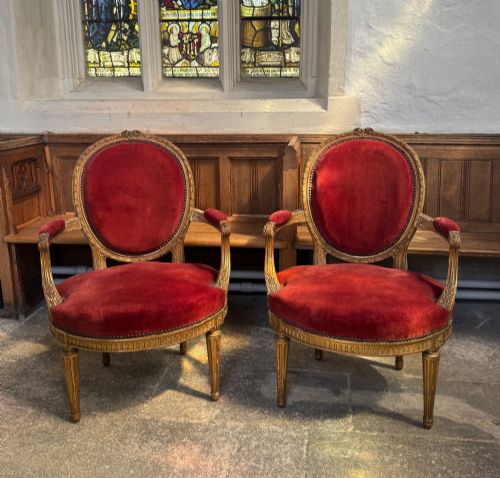
You are most likely to meet Victorian walnut and mahogany salon suites or individual rosewood balloon back chairs on this page. These pieces originate from domestic and continental workshops, encompassing styles from Rococo Revival and Louis XVI Style to Sheraton Revival.
Materials and construction methods
Craftsmen shaped these frames from dense hardwoods such as mahogany, walnut, rosewood, and oak, often utilising brass details and intricate carving. Timber selection defined the structural integrity and dictated the depth of carving achievable in the frame.
Upholstery completed the seating using traditional textiles, velvet, and specialised fabrics secured over supportive sprung or padded foundations. Needlepoint and decorative fabric inserts added texture and colour to complement the polished timber frames.
The furniture forms include complete multi-piece salon suites, library chairs, window seats, and matching sets of dining chairs.
Judging the quality of the work
The distinction between ordinary and superior parlor seating lies in the crispness of the timber carving and the architectural harmony of the suite. Master carvers produced deeply undercut foliage and balanced proportions that lesser workshops simply imitated with softer contours.
Cohesion within a larger salon suite elevates its standing, where matching grain patterns, consistent wood colour, and uniform upholstery demonstrate workshop excellence. Individual chairs and settees reveal quality through the joinery of the frame and the retention of original decorative inlay.
The Antique Parlor Seating Glossary
- Balloon back
- A chair back shaped in a continuous oval curve resembling a balloon, frequently seen in Victorian dining and parlor seating.
- Salon suite
- A coordinated set of reception furniture comprising a sofa or settee alongside matching armchairs and side chairs.
- Rococo Revival
- A nineteenth-century design movement characterised by asymmetrical scrolls, naturalistic floral carving, and C-scroll motifs.
- Sheraton Revival
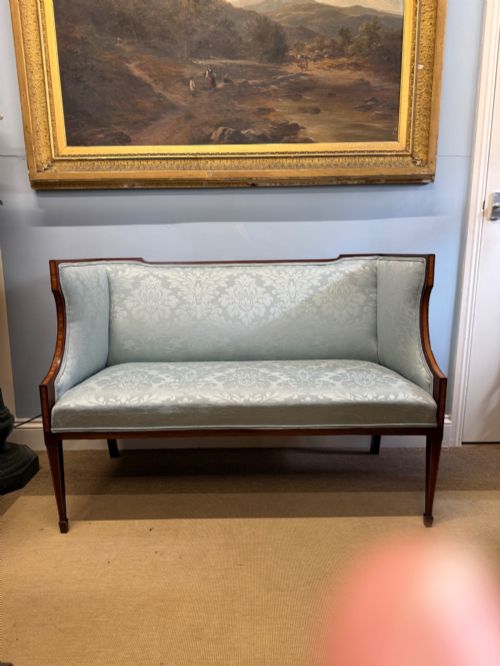
- An Edwardian style drawing inspiration from eighteenth-century neoclassical designs, featuring satinwood inlay and tapered legs.
Antique Parlor Seating: Frequently Asked Questions
What is an antique parlor suite?
A parlor suite is a matching set of reception room furniture designed during the nineteenth and early twentieth centuries. These suites usually include a central settee paired with matching armchairs and side chairs.
They furnished formal rooms where families received visitors and hosted social gatherings. The pieces shared identical timber, carving styles, and upholstery to create a unified interior.
How do I identify Victorian parlor seating?
Victorian parlor seating is identified by heavy timber frames made from walnut, mahogany, or rosewood, often featuring elaborate curved woodwork. Common forms include balloon back chairs, button-tufted upholstery, and revived historical styles like Rococo.
These pieces span the mid to late nineteenth century and emphasise decorative carving alongside comfortable padding. They reflect the period's taste for opulent and structured entertaining spaces.
Where were Edwardian parlor seats placed?
Edwardian parlor seats were arranged in lighter, airier drawing rooms and sitting rooms than their Victorian predecessors. Lighter woods like mahogany with satinwood inlay and Sheraton Revival styling defined the era.
Homeowners placed small settees and occasional chairs to encourage conversational groupings rather than formal perimeter seating. The designs favored comfort, delicate proportions, and refined ornamentation.
How do I care for antique upholstery?
Caring for antique upholstery involves gentle vacuuming with a soft brush attachment to remove dust without damaging fragile textiles. Direct sunlight should be avoided to prevent the fading of velvet, needlepoint, and decorative fabrics.
Professional cleaning is recommended for antique fabrics to preserve the structural integrity of the internal stuffing. Keeping the seating in stable humidity protects both the delicate woodwork and the historic upholstery.