





Antique Parisian Art
Antique Parisian art captures the capital through oils, watercolours, posters and sculpture across the nineteenth and twentieth centuries.
Antique Parisian Art
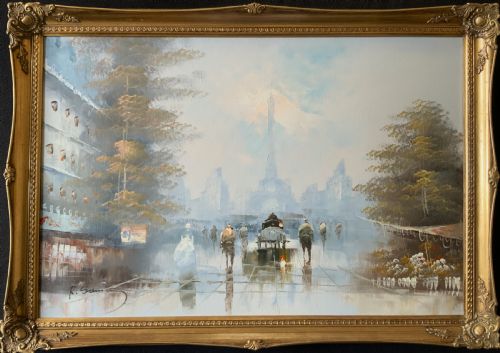
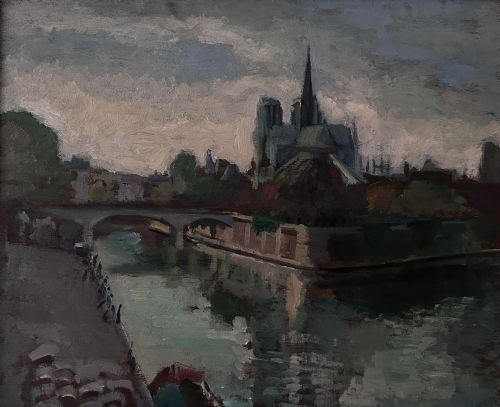
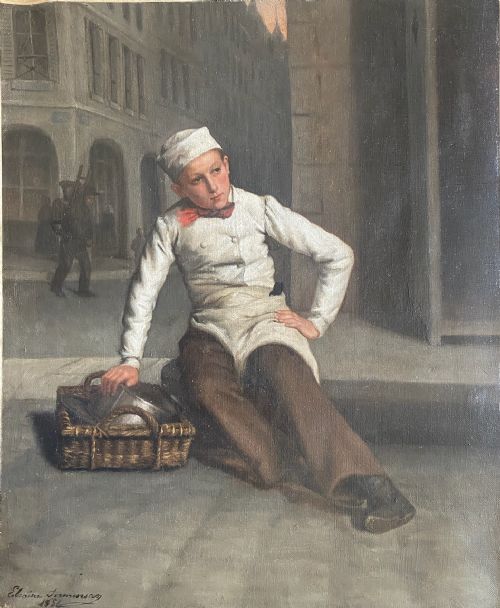
Antique Parisian art encompasses visual depictions of the French capital and works produced within its artistic circles from the mid nineteenth century through the mid twentieth century. These pieces record urban landmarks such as Notre Dame, the Arc de Triomphe and the Seine alongside street scenes and domestic vignettes.
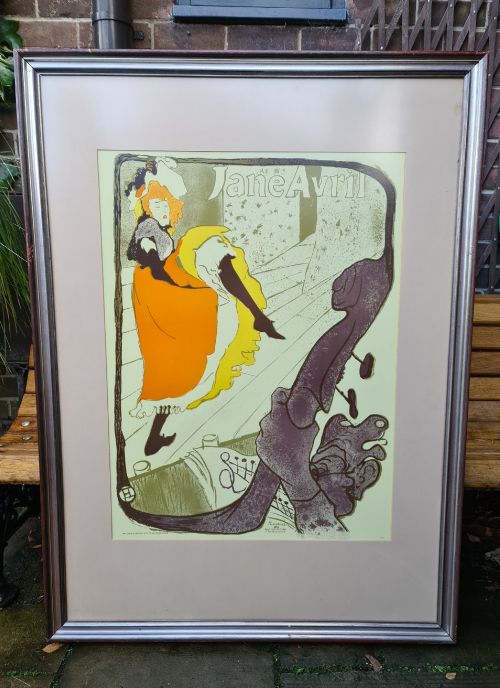
The selection centres heavily on oil paintings, watercolours, prints, vintage posters and sculpted busts from periods including the Belle Epoque, Art Nouveau, Post-Impressionism and Art Deco. Buyers encounter everything from Salon-exhibited canvases to decorative furnishings reflecting metropolitan life.
How they were made
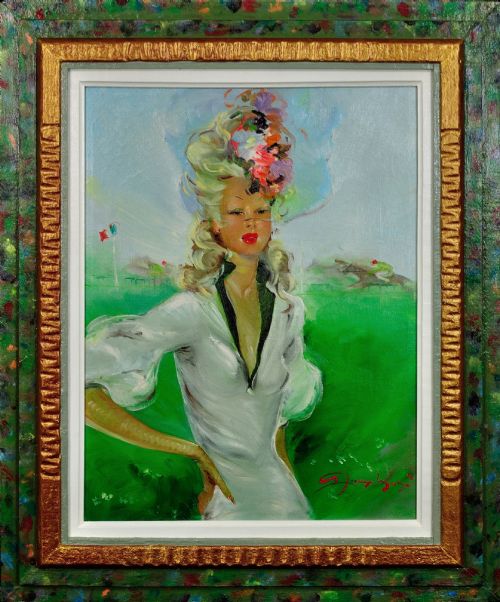
Makers utilised traditional supports such as canvas, wood board, heavy paper and plaster, applying oil paint, watercolour, ink or pastel according to the medium. Canvases and boards carry brushwork ranging from tight academic realism to loose impressionistic dabs.
Printmakers employed techniques like etching, producing detailed works on paper, while sculptors cast forms in bronze or shaped plaster. Many paper items originated as vintage posters or prints designed to capture the commercial and cultural energy of the city.
Antique Parisian Art Retail Price Guide 2026
Typical asking prices for parisian art among the pieces listed under this phrase on Sellingantiques today, from the lower quarter to the upper quarter. They describe what is for sale here now, not the wider market.
The selection spans the nineteenth century through the 1950s, with strong representation from the 1920s and 1930s.
What varies in quality
Quality rests upon the skill of the execution, the surety of the draughtsmanship and the strength of the composition in capturing light and movement. Works by artists with documented exhibition histories or recognised signatures display superior control of tone and perspective.
The integrity of the material support, the preservation of the original paint surface or paper, and the authenticity of the period framing contribute substantially to the standing of each piece.
Eduard Leon Cortes·Albert Guillaume·Louis Icart·Pierre Peltier·Georges Van Der Straeten
The Antique Parisian Art Glossary
- Salon
- An official annual art exhibition held in Paris that set academic standards for painting and sculpture. Works bearing a Salon provenance often indicate a higher level of academic training.
- Etching
- A printmaking process where lines are bitten into a metal plate with acid before being inked and pressed onto paper. This technique allows for fine, precise detail in printed works.
- Belle Epoque
- A period of French history dating from the late nineteenth century to the outbreak of the First World War. Art from this time frequently celebrates leisure, urban prosperity and Parisian social life.
- Post-Impressionism
- A French art movement that extended Impressionism while rejecting its limitations. Artists prioritised symbolic content, vivid colours and distinct brushstrokes over naturalistic depiction.
- Macassar
- A dark tropical timber with distinctive dark brown and golden grain patterns. This wood was utilised by makers of Art Deco furniture for striking decorative surfaces.
Antique Parisian Art: Frequently Asked Questions
What subjects appear most often in Parisian art?
Paintings and prints predominantly feature recognizable urban locations including Notre Dame, the Seine, Montmartre and bustling city streets. Artists focused on capturing the changing light and atmosphere of the capital across different seasons.
Alongside major landmarks, works frequently depict everyday Parisian life, from cab passengers and café patrons to working people along the riverbanks.
How do I identify a Belle Epoque work?
Belle Epoque pieces date from the decades leading up to the First World War and generally reflect the optimism and elegant urban culture of the era. The subjects lean towards fashionable street scenes, leisurely outings and refined portraiture.
The painting style often bridges academic realism and early impressionistic brushwork, capturing the gaslit streets and horse-drawn cabs of the period.
What is the difference between an etching and a poster?
An etching is a fine art print created by biting lines into a metal plate with acid, resulting in a textured impression on paper that often bears a pencil signature. These were typically produced in limited numbers for collectors.
A vintage poster was designed for public display or commercial advertising, utilising lithographic techniques on paper to reach a wider audience.
How should I display antique oil paintings?
Oil paintings on canvas or board benefit from placement away from direct sunlight and extreme fluctuations in temperature and humidity. Natural light reveals the depth of the brushwork without causing fading to the pigments.
Allowing paintings to hang securely on stable interior walls preserves both the canvas support and the integrity of the original wooden stretchers.
Are sculptures usually bronze or plaster?
Sculptures from this era appear in both cast bronze and moulded plaster, depending on the intended use and the maker. Bronze pieces offer durability and take a fine metallic patina.
Plaster pieces, sometimes marked with foundry or studio numbers, provide a lighter medium that captures crisp surface detail from the original model.