




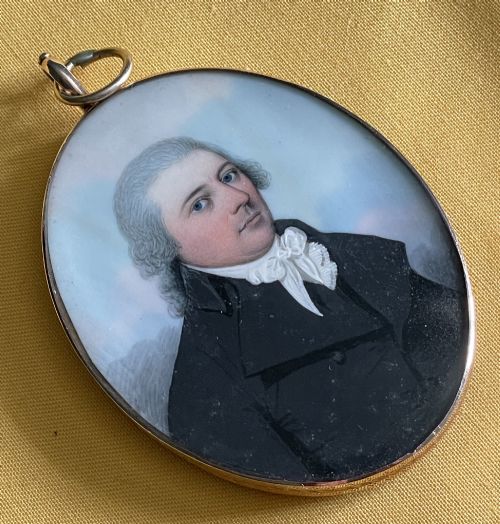
Antique Painting Pendant
An antique painting pendant holds miniature portraits and delicate watercolours within gold, silver or enamel frames, offering miniature art for personal wear.
Antique Painting Pendant
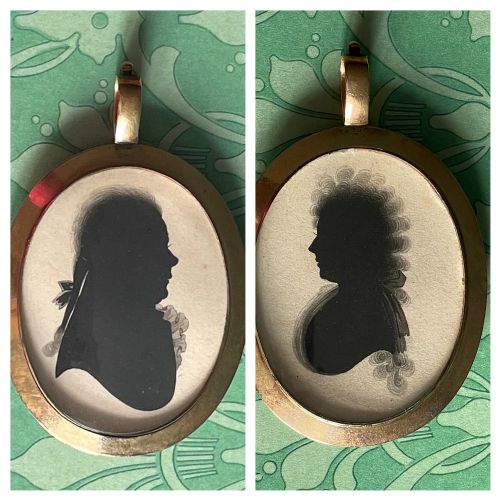
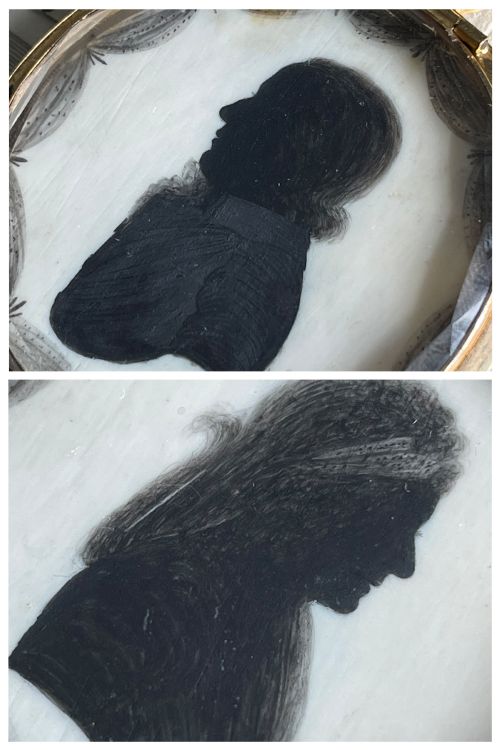
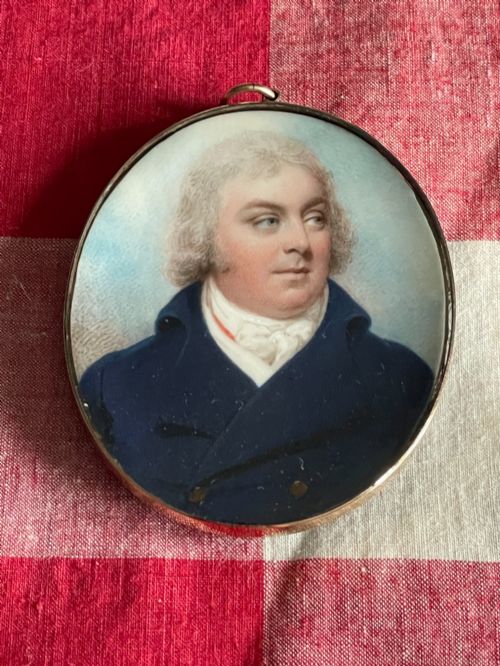
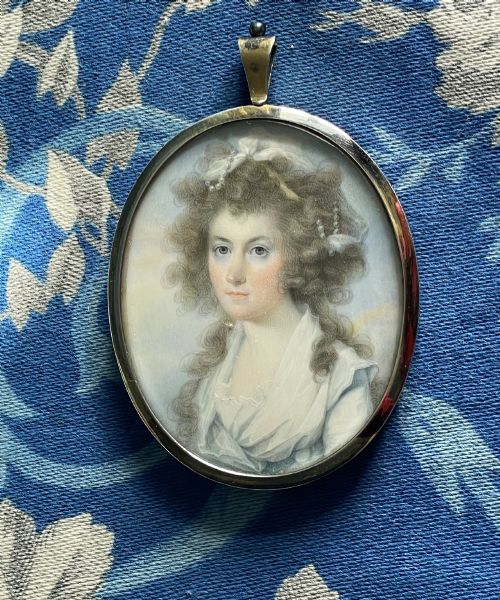
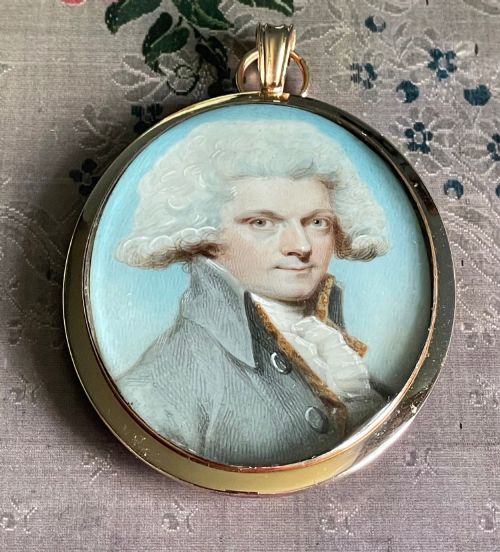
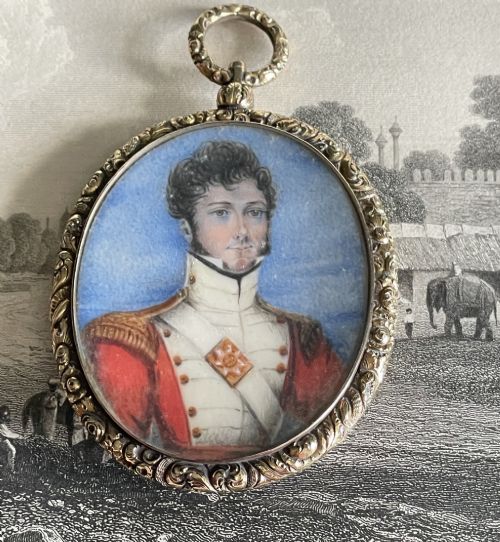
An antique painting pendant brings together portable fine art and jewellery, taking the form of hand-painted portrait miniatures and enamel pieces designed to be worn around the neck. These works span the eighteenth century, Georgian, Victorian, Edwardian and Art Deco periods, capturing likenesses on materials such as vellum, glass, agate and card.
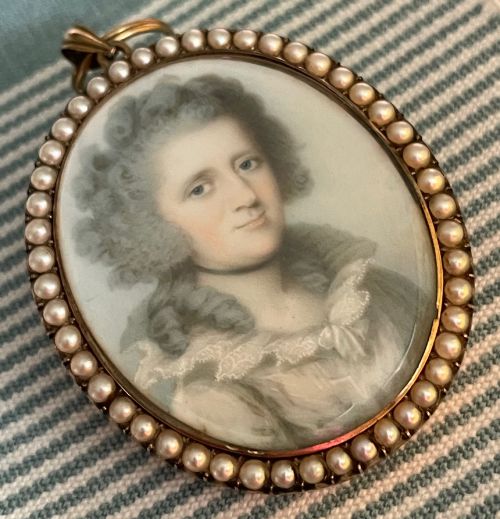
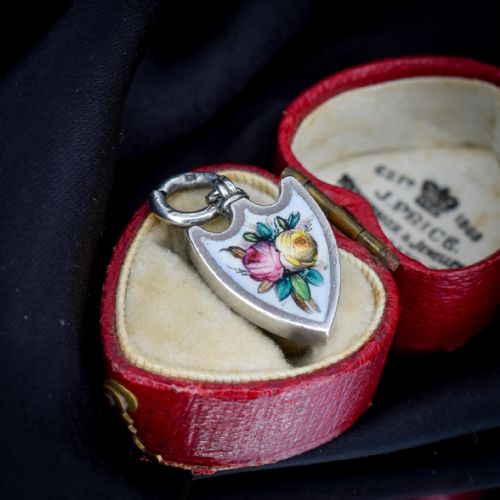
The pieces on this page lean heavily toward Georgian and eighteenth-century portrait miniatures set in gold or silver frames, alongside later silver and enamel pieces from the early twentieth century. Buyers encounter everything from British naval officers and gentlewomen to floral shield charms and brightly coloured enamel work.
How they were made
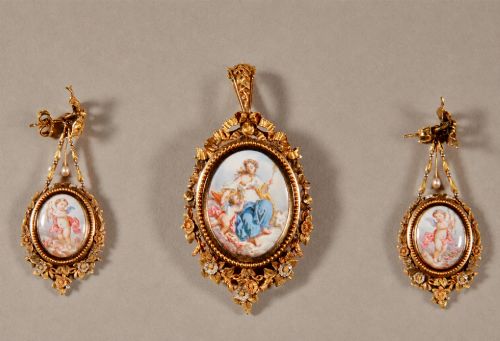
Makers utilised precious metals including gold, silver and gilt metal to house delicate painted surfaces, often securing them behind glass or within hinged lockets. Watercolour, oil and enamel pigments were applied with immense precision to small supports like vellum, glass panels and agate.
Craftsmen paired these fine miniature paintings with decorative metalwork, incorporating pearls, enamel details and intricate bezels. The resulting frames protect the fragile artworks while transforming portable paintings into wearable jewellery.
Antique Painting Pendant Retail Price Guide 2026
Typical asking prices for painting pendant among the pieces listed under this phrase on Sellingantiques today, from the lower quarter to the upper quarter. They describe what is for sale here now, not the wider market.
Materials found across these pieces include gold, silver, enamel, glass, watercolour, and gilt metal, set into pendants, lockets, and brooches.
What varies in quality
The integrity of the original frame and glass contributes significantly to the overall merit of an antique painting pendant. Superior examples retain their original bezels and unblemished painted surfaces without later restoration.
Charles Horner·Charles Shirreff·John C D Engleheart·Frederick Buck·William Wood·Charles Hayter·Christian Friedrich Zincke·William Naish·Henry Bone·George Engleheart·James Ferguson·Thomas L Mott·William Grimaldi·John Inigo Wright
The Antique Painting Pendant Glossary
- Portrait Miniature
- A small-scale painting, usually a portrait, executed with meticulous detail on vellum, card, copper or glass. These portable artworks gained popularity before the advent of photography.
- Vellum
- A fine parchment prepared from calfskin, frequently utilised as a smooth painting surface for eighteenth-century portrait miniatures.
- Locket
- A small ornamental case worn on a chain around the neck, designed to hold a portrait painting, miniature or lock of hair.
- Enamel
- A glassy substance fused to the surface of metal through firing, employed to add rich colour and decoration to pendant frames.
- Bezel
- A grooved rim holding the glass and the miniature painting securely in place within the metal frame.
Antique Painting Pendant: Frequently Asked Questions
How were antique painting pendants worn?
These pieces were primarily suspended from chains around the neck as personal adornments or kept close as mementos of loved ones. Many double-sided examples allowed the wearer to display portraits or hairwork on both sides.
Over time, some pieces were adapted with brooch fittings to be pinned to garments while retaining their pendant loops.
What periods do these pendants come from?
The selection spans the eighteenth century and the Georgian era through to the Victorian, Edwardian and Art Deco periods. Eighteenth-century and Georgian pieces frequently feature finely detailed watercolour or enamel portraits of naval officers and society figures in gold frames.
Later twentieth-century examples often showcase silver and enamel work or butterfly wing designs from makers like Thomas L Mott.
What materials are used in the paintings?
Artists painted on a variety of delicate surfaces including vellum, glass, agate panels and prepared card. Pigments ranged from traditional watercolours to oils and fired enamels.
The surrounding mounts utilise gold, silver, gilt metal and enamel, occasionally accented with pearls.
How should I care for an antique painting pendant?
Keep the pendant away from moisture, direct sunlight and harsh chemical cleaners to protect the delicate painted surface and the metal frame. Store it safely in a padded box when not being worn to prevent friction against other jewellery.
Handle the piece by the metal mount rather than pressing directly on the glass or painted panel.