



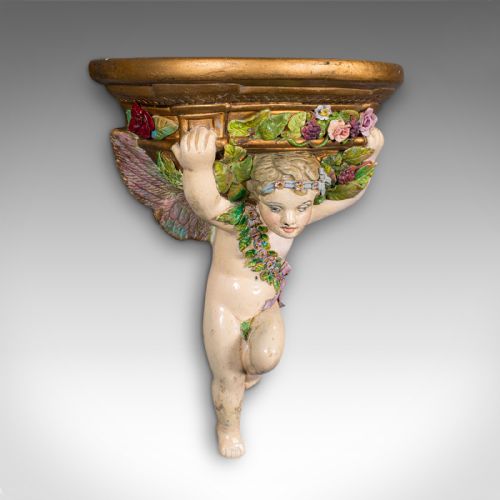

Antique Painting of Putti
An antique painting of putti brings classical spirit into a room through depictions of winged infants drawn from mythology.
Antique Painting of Putti
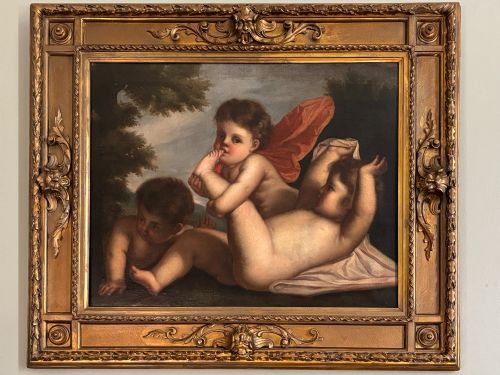
An antique painting of putti captures winged cherubic figures that draw on classical mythology, often appearing in playful or allegorical groups across canvas and panel supports. These works emerge most frequently from the seventeenth, eighteenth, and nineteenth centuries, reflecting shifts in decorative taste from Baroque grandeur to Rococo lightness.
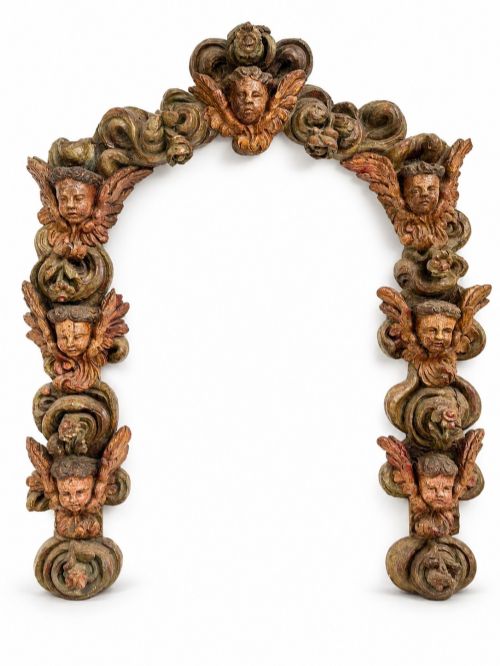
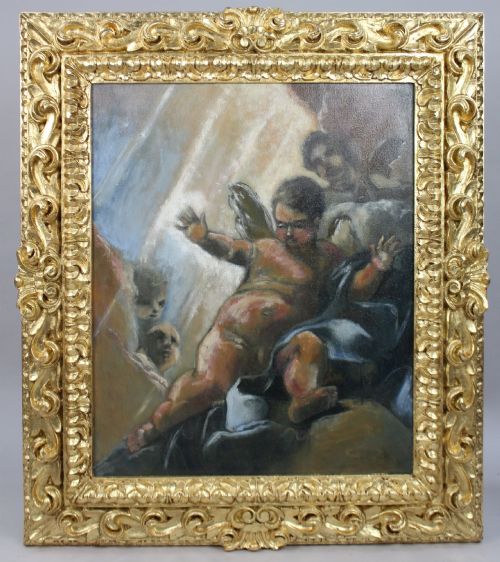
The format ranges from intimate panels to large canvas compositions, sometimes set within elaborate giltwood frames or integrated into broader decorative schemes. Painters employ oil mediums to render soft flesh tones and cloudscapes, capturing the theatrical postures associated with Italian and French traditions.
How they were made
Artists built these works using oil paint applied to prepared canvas or wooden panels, often layering pigments to achieve depth in figures and drapery. Gesso and carved wood frames provided structural housing, frequently finished with gold leaf to complement the rich palettes of the period.
Draftsmanship relied on academic principles derived from Renaissance and Baroque models, prioritising fluid movement and expressive gestures in the rendering of infant forms.
Antique Painting of Putti Retail Price Guide 2026
Typical asking prices for painting of putti among the pieces listed under this phrase on Sellingantiques today, from the lower quarter to the upper quarter. They describe what is for sale here now, not the wider market.
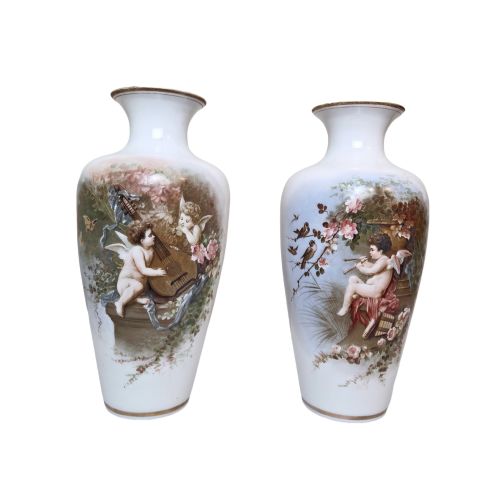
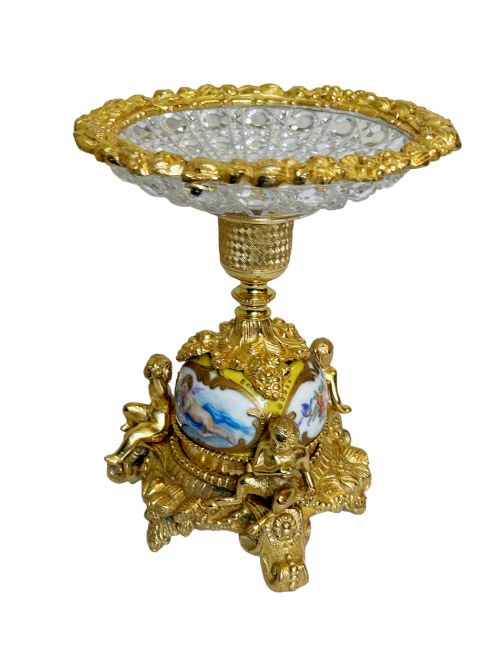
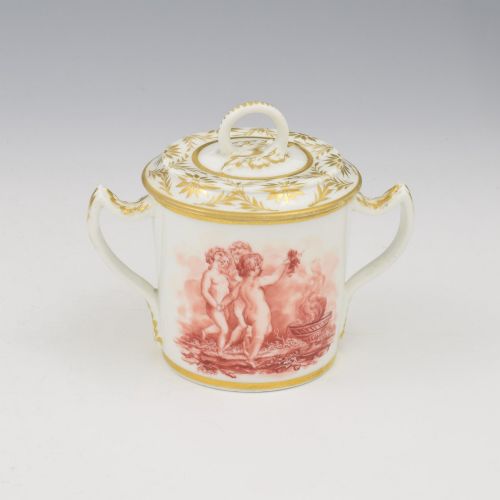
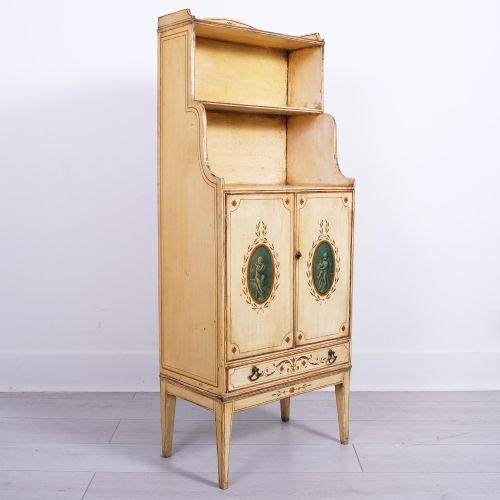
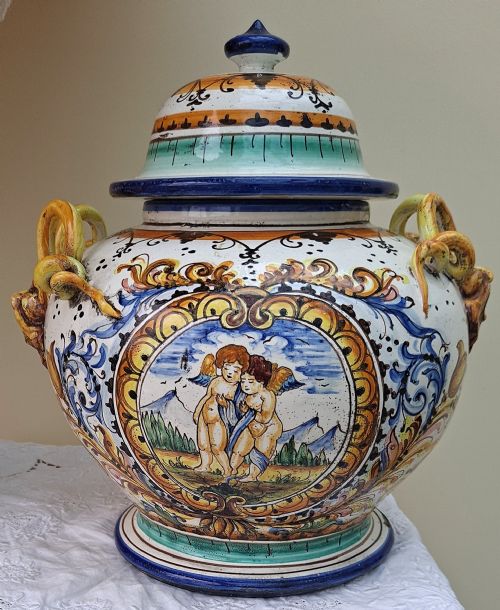
Listings feature oil paintings on canvas and wood alongside decorative porcelain and glass objects incorporating putti motifs from the seventeenth to the twentieth century.
What varies in quality
The distinction between ordinary and superior examples lies in the confidence of the brushwork and the anatomical proportion of the figures, where master painters achieve convincing weight and expression within small limbs. Weaker pieces often display rigid outlines and static compositions that lack the dynamic interaction characteristic of period workshop output.
Material preservation also dictates standing, particularly the integrity of the original paint surface and the condition of the carved or gilded housing surrounding the image.
Charles Augustus Henry Lutyens·Johann Joachim Kändler·Domenico Zampieri
The Antique Painting of Putti Glossary
- Putto
- A plump, often winged infant depicted in classical art, derived from ancient Greek and Roman motifs. These figures symbolise divine or earthly love and populate both religious and secular compositions.
- Grisaille
- A painting executed entirely in shades of grey or neutral monochrome, designed to imitate relief sculpture. This technique appears in classical decorative schemes.
- Giltwood
- Wood that has been treated with a thin layer of gold leaf or gesso and gold paint, commonly utilised for picture frames during the Baroque and Rococo periods.
- Baroque
- An artistic style prevalent from the seventeenth century characterised by drama, exuberant detail, and deep chiaroscuro effects. Paintings from this period emphasise emotional intensity and theatrical movement.
Antique Painting of Putti: Frequently Asked Questions
How do I date a putti painting?
Dating relies on stylistic markers within the brushwork, the preparation of the canvas, and the construction of the supporting frame. Seventeenth-century works show heavier chiaroscuro, whereas eighteenth-century examples favour lighter pastel palettes.
Examination of the reverse often reveals panel construction or canvas weaves consistent with specific historical periods.
Where were these paintings hung?
These works typically decorated domestic interiors, often integrated into wall panelling or displayed within formal reception rooms as decorative overmantels.
Their classical themes suited the scholarly and aesthetic tastes of collectors across European houses.
How do I care for an oil painting?
Maintenance requires stable environmental conditions away from direct sunlight and dramatic humidity fluctuations to protect the canvas and paint layers. Cleaning should remain minimal and restricted to professional conservation.
Dust accumulation on carved frames demands gentle removal with a soft, dry brush.
What is the difference between putti and cherubs?
Art historical terminology distinguishes putti as secular classical infants from cherubs, which possess specific theological connotations within religious iconography. In practice, marketplace descriptions often interchange these terms for decorative works.
Both categories share the visual motif of winged child figures.