


Antique Painted Miniature
An antique painted miniature offers a quiet window into the past, capturing the likeness of an ancestor or a subject in exquisite detail.
Antique Painted Miniature
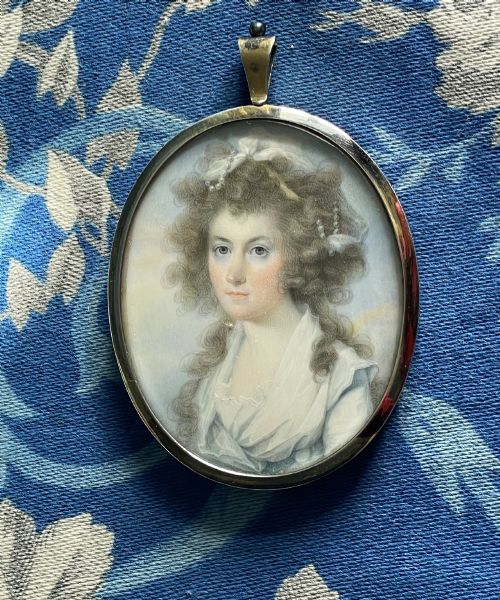
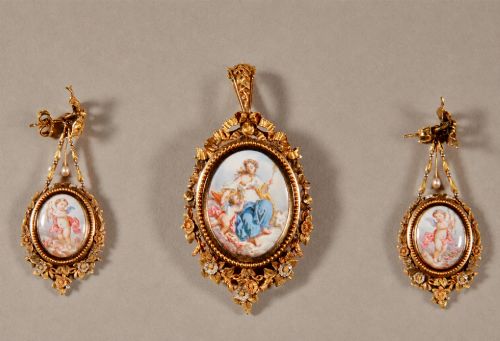
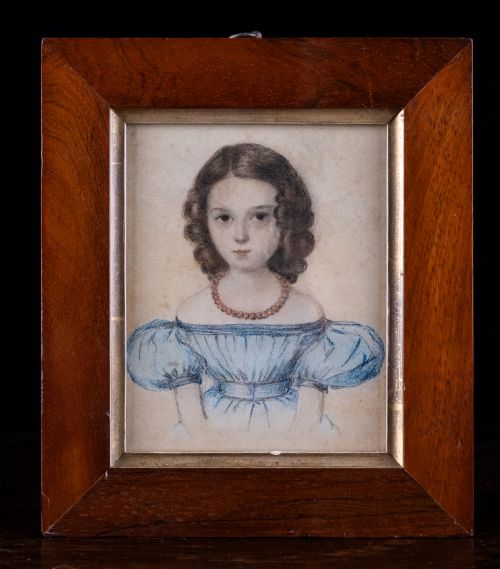
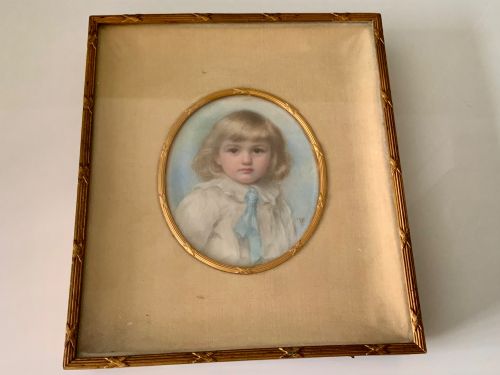
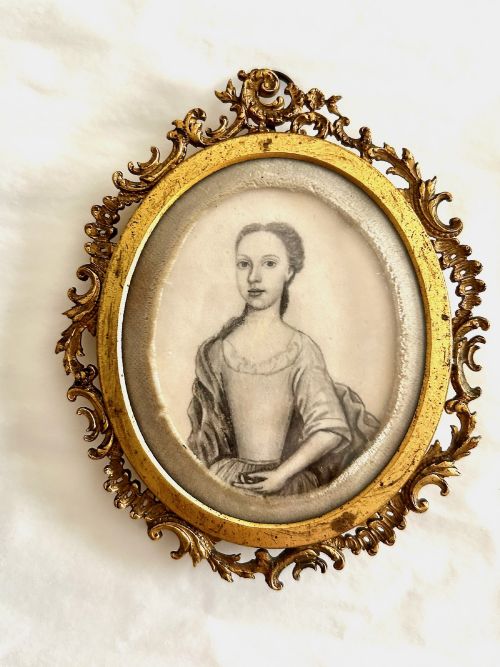
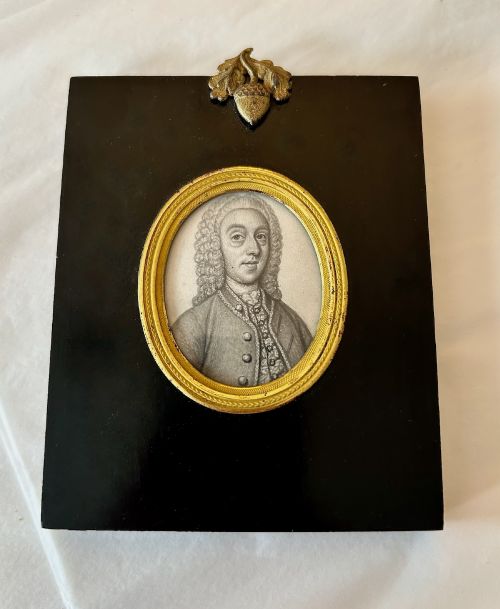
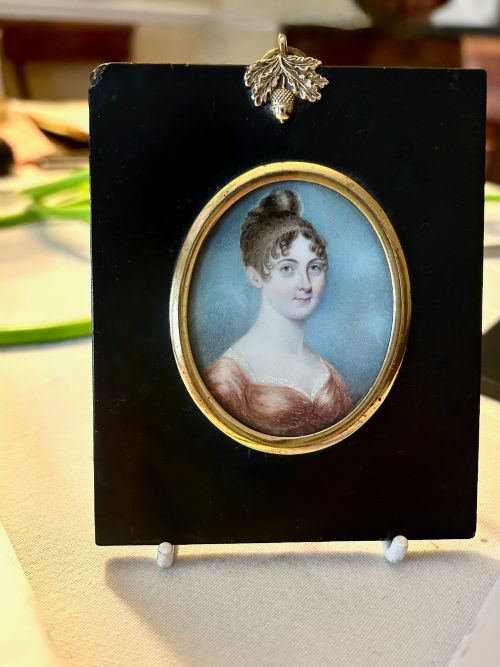
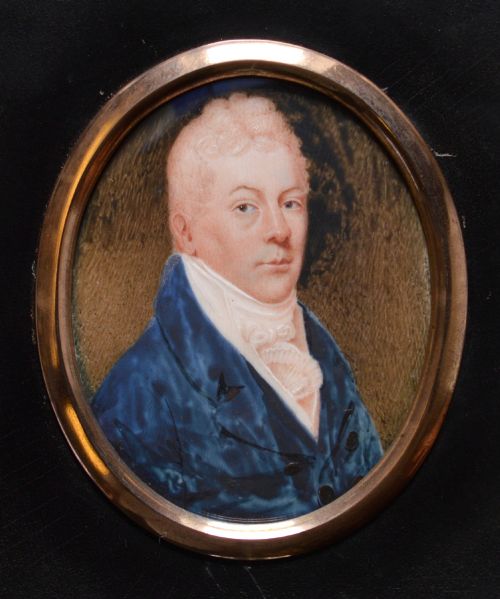
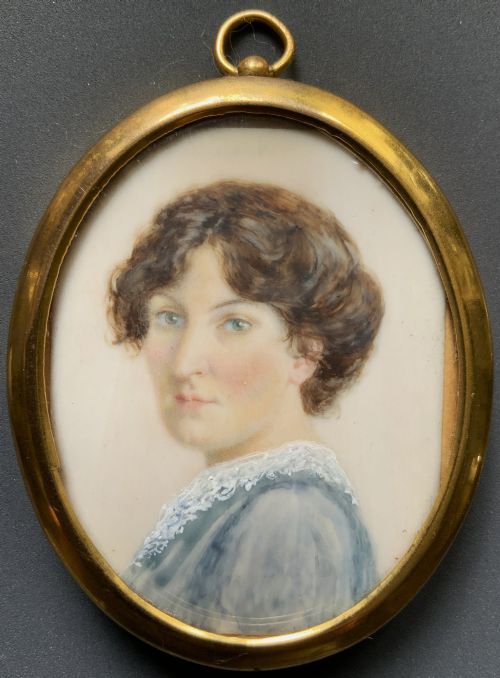
An antique painted miniature is a small-scale portrait or depiction created to be held in the hand or worn as a pendant. When exploring this selection, buyers frequently encounter delicate works originating from the eighteenth and nineteenth centuries.
The format encompasses various expressions, including watercolour paintings on paper, delicate porcelain plaques, and reverse glass compositions. These objects reflect shifting artistic tastes across Georgian, Regency, and Victorian periods.
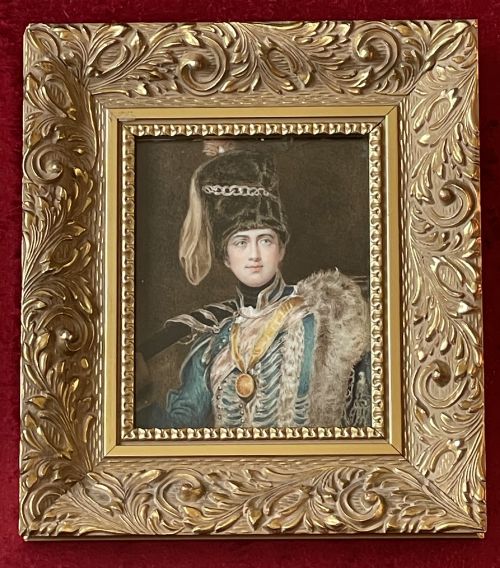
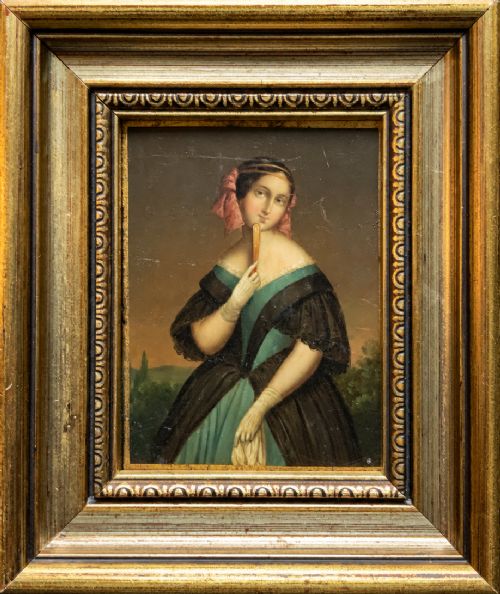
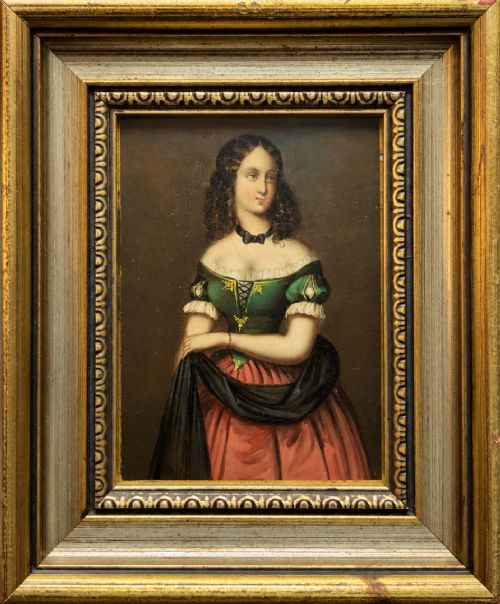
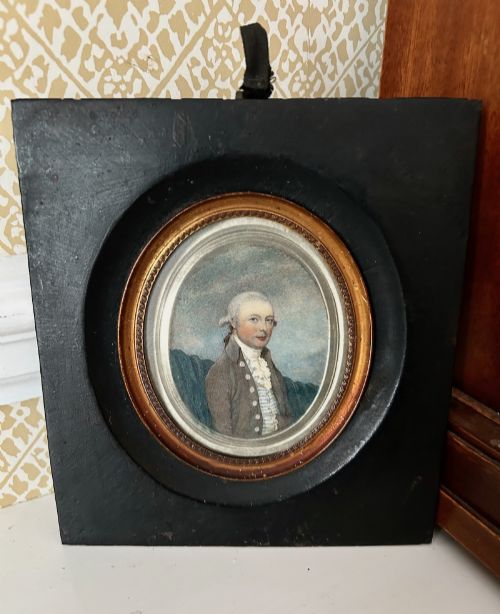
Subjects range from military officers and nobility to anonymous gentlemen and young ladies. Each piece preserves the intimate likeness of individuals from bygone eras within a compact frame.
Materials and Techniques
Makers of the period utilised watercolour applied meticulously to paper or prepared surfaces to achieve fine facial expressions. Paint was also applied to glass in reverse techniques or directly onto porcelain plaques fired in specialised kilns.
Frames and enclosures form an integral part of the construction, incorporating brass, ebonised wood, maple, and giltwood. Protective glass covers the delicate painted surfaces, shielding the pigments from environmental damage over the centuries.
Antique Painted Miniature Retail Price Guide 2026
Typical asking prices for painted miniature among the pieces listed under this phrase on Sellingantiques today, from the lower quarter to the upper quarter. They describe what is for sale here now, not the wider market.
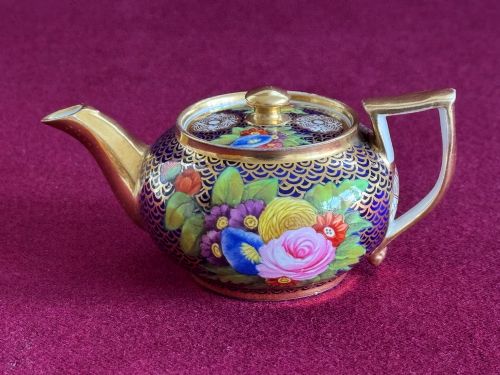
A tiny portrait of Mary, Queen of Scots shares space here with a steam ship sealed inside a glass bottle.
Assessing Quality and Execution
Quality rests primarily in the precision of the brushwork and the psychological depth captured in the subject's expression. Superior examples display subtle shading in skin tones and careful rendering of clothing and hair.
The preservation of the pigment and the integrity of the original frame contribute significantly to the standing of a piece. Finer works often bear the signature of a skilled practitioner or exhibit the distinct characteristics of a recognised school.
Anna Tonelli·Frederick Buck·Alessandro Cittadini·Henri Fradelle·Thomas John Horsley·Horace Hone·Charles Shirreff·Richard Cosway
The Antique Painted Miniature Glossary
- Watercolour
- A paint consisting of colour suspended in a water-soluble binder, commonly used on paper for portrait miniatures.
- Porcelain Plaque
- A flat ceramic tablet fired in a kiln, serving as a stable and smooth surface for detailed enamel or paint application.
- Reverse Glass
- A technique where the artist paints directly onto the back of a glass panel so the image is viewed correctly through the front.
- Silhouette
- A solid dark profile portrait, often cut from paper or painted onto card, glass, or plaster during the Georgian and Regency eras.
- Giltwood
- Wood that has been treated with a thin layer of gold leaf or gold paint, frequently used for framing miniature artworks.
Antique Painted Miniature: Frequently Asked Questions
How were antique painted miniatures displayed?
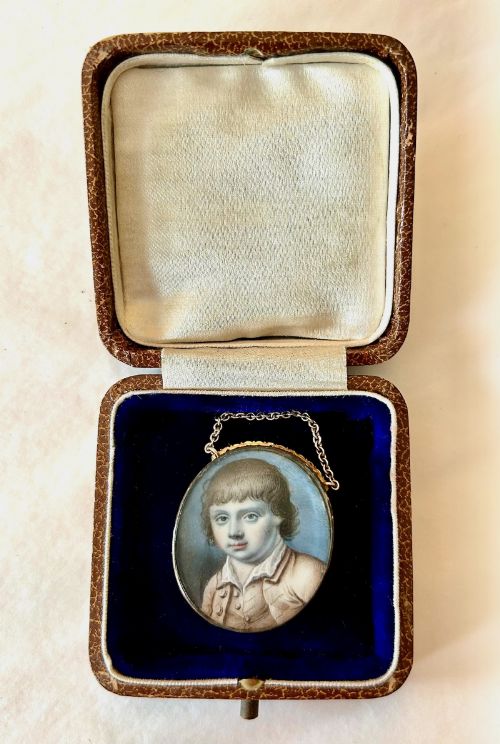
These small artworks were frequently hung in clusters on domestic walls within dedicated groupings. Alternatively, they were kept inside protective leather cases or worn as personal lockets.
Their intimate scale allowed owners to carry likenesses of family members during travel. Today, collectors often display them on small easels or grouped together on panelled walls.
What subjects appear in these paintings?
Portraits of private individuals dominate the category, depicting merchants, officers, ladies, and children from the Georgian and Victorian eras. Religious figures and classical scenes also appear.
Commissioned works recorded family lineages and marriages before the widespread adoption of photography. Artists occasionally painted copies after larger classical canvases.
How do I care for a painted miniature?
These delicate items require protection from direct sunlight to prevent the watercolour pigments from fading. Maintaining stable humidity levels prevents warping in the wooden or paper components.
Displaying pieces away from damp environments ensures the glass and metal frames remain stable. Avoid cleaning painted surfaces with liquids or abrasive cloths.
How do I identify a Georgian miniature?
Georgian examples often feature distinct costume details such as powdered wigs, high cravats, and specific coat cuts typical of the late eighteenth and early nineteenth centuries. The framing materials and handwriting on reverse notes provide further chronological clues.
Miniatures from this era frequently employ fine watercolour on paper housed within simple gold-plated or wooden frames. Examining the backing and mounting style helps confirm the period.