





Antique Painted Metal Flowers
Antique painted metal flowers bring botanical form indoors, offering lasting colour through handcrafted wire, iron, and toleware.
Antique Painted Metal Flowers
When you search for antique painted metal flowers, you encounter sculptural pieces designed to mimic living flora in durable materials. These botanical forms appear across various decorative objects intended for interior display and garden use.
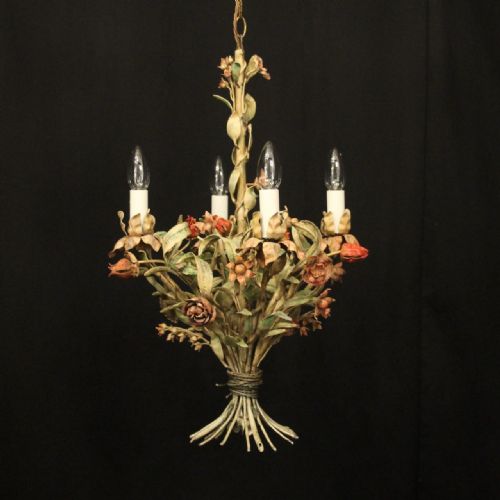
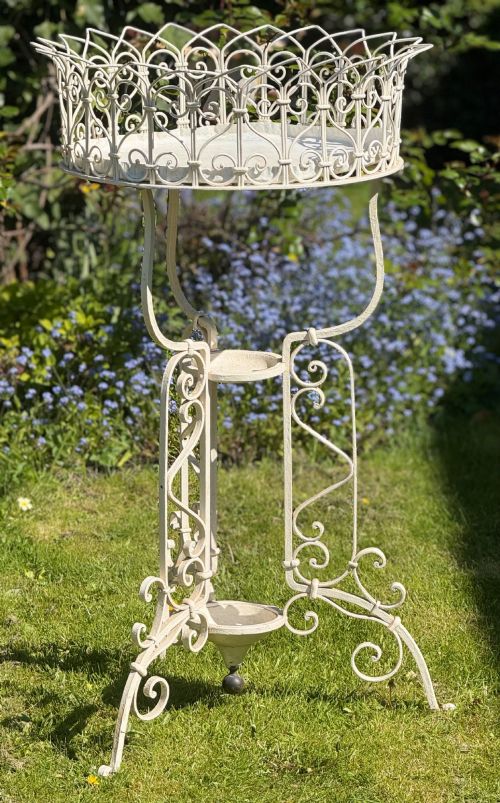
The versions you are most likely to meet on this page include toleware chandeliers, plant stands, and wall lights adorned with painted metal foliage. These items span periods from the Georgian era through the Victorian period and into the early twentieth century.
Many examples incorporate sheet metal, wrought iron, or cast iron structures painted to represent natural blooms and leaves. French and English workshops produced these pieces to bring permanent botanical decoration into domestic spaces.
Materials and construction
Artisans constructed these botanical pieces using sheet metal, wirework, and wrought iron shaped by hand. Metal components were beaten, soldered, or riveted together before receiving layers of polychrome paint.
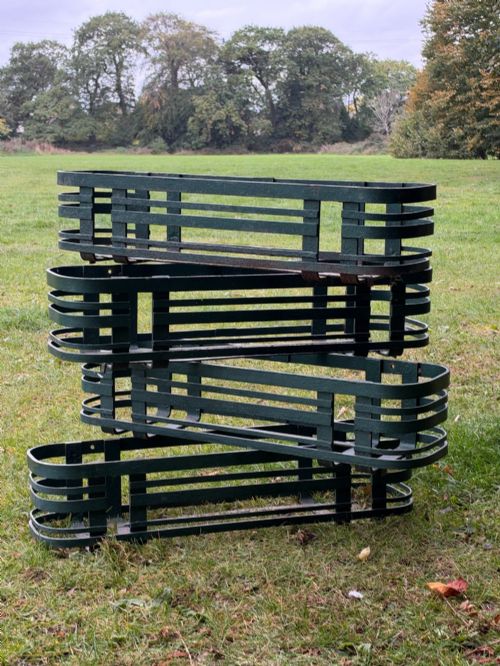
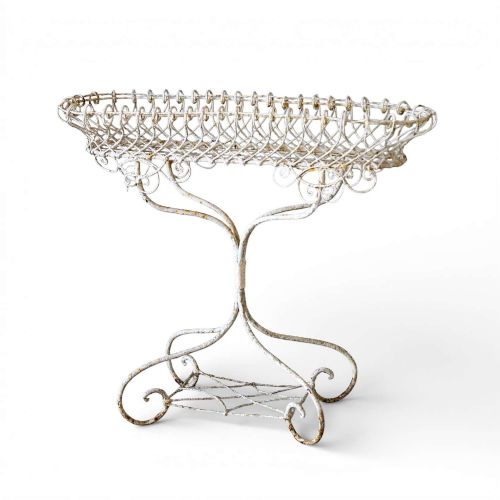
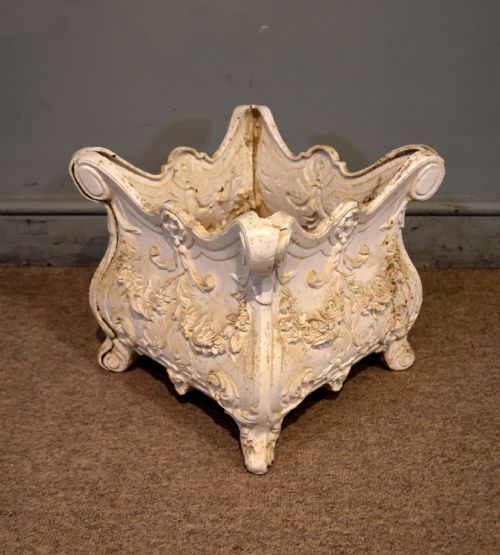
Makers utilised cast iron for heavier structural elements like planters and jardiniere stands, often combining them with delicate wirework baskets. Surface decoration relied on applied pigments, sometimes enhanced with gilt metal details or porcelain elements.
Antique Painted Metal Flowers Retail Price Guide 2026
Typical asking prices for painted metal flowers among the pieces listed under this phrase on Sellingantiques today, from the lower quarter to the upper quarter. They describe what is for sale here now, not the wider market.
Listings feature items spanning the eighteenth, nineteenth, and early twentieth centuries, constructed from wrought iron, cast iron, and painted sheet metal.
Assessing quality in metal flora
Quality reveals itself in the delicacy of the metalwork and the nuance of the hand-painted surface. Finer examples display subtle gradations of colour and naturalistic botanical shaping rather than rigid mechanical repetition.
The integration of the botanical elements into the broader object, such as a chandelier or plant stand, dictates the level of craftsmanship. Robust structural joinery combined with fine, articulate foliage separates standard production from superior pieces.
The Antique Painted Metal Flowers Glossary
- Toleware
- Painted or lacquered metalware originating in France and Britain. This technique was frequently applied to decorative items and lighting fixtures.
- Jardiniere
- An ornamental pot or stand for holding plants or flowers. These items are often fashioned from cast or wrought iron.
- Wrought iron
- Iron that has been heated and shaped with hand tools by a blacksmith. This material provides structural strength for plant stands and scrollwork.
- Polychrome
- Decorated in multiple colours. This term describes the painted surfaces found on metal floral arrangements and chandeliers.
Antique Painted Metal Flowers: Frequently Asked Questions
How were these metal flowers used?
Historical interiors utilised these pieces to introduce permanent botanical motifs into rooms lacking natural light or fresh plants. Lighting fixtures incorporated metal blooms around candle sockets or lamp arms.
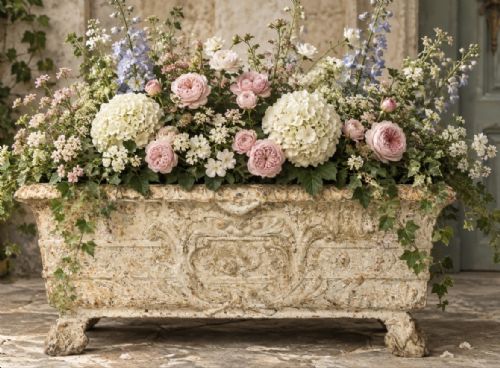
Larger items like plant stands and jardinieres supported real greenery while featuring structural metal foliage as ornamentation. They served both practical and decorative functions in period homes.
How do I live with antique metal florals?
Placing these items in dry indoor environments protects the original painted surfaces from moisture damage. They function well as focal points in living spaces, drawing the eye toward lighting or architectural displays.
Careful dusting with a soft brush preserves the delicate pigment layers. Pairing them with natural plants enhances their botanical design.
How can I tell different periods apart?
Georgian and Regency examples often feature delicate wirework and restrained botanical detailing. Victorian and later pieces frequently employ heavier cast or wrought iron construction with bolder painted finishes.
Twentieth-century items may show influences from Art Deco or later revival styles. Examining the joining techniques and paint composition helps establish the age of the piece.