

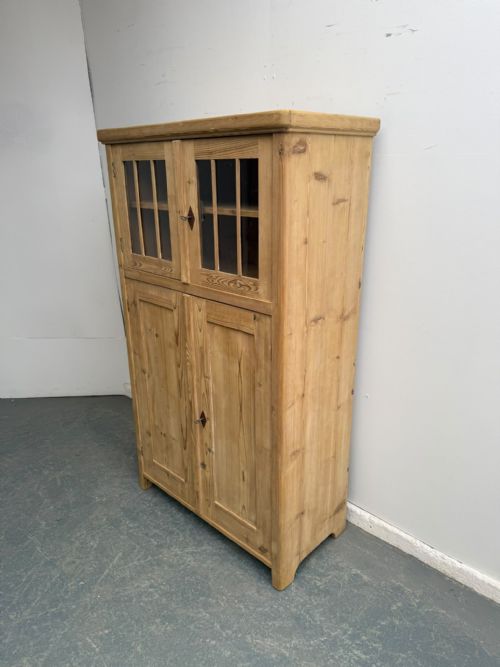


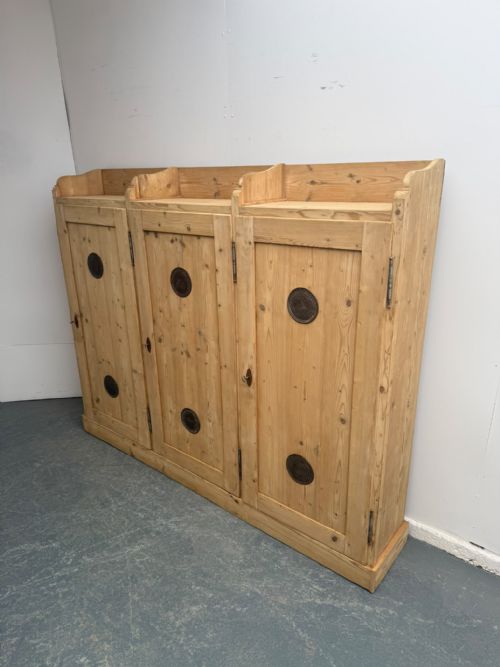
Antique Painted Larder
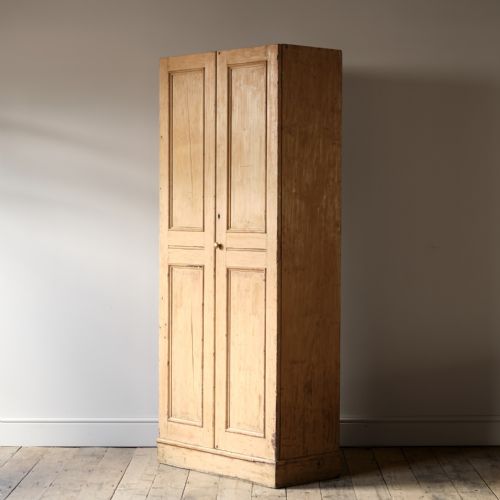
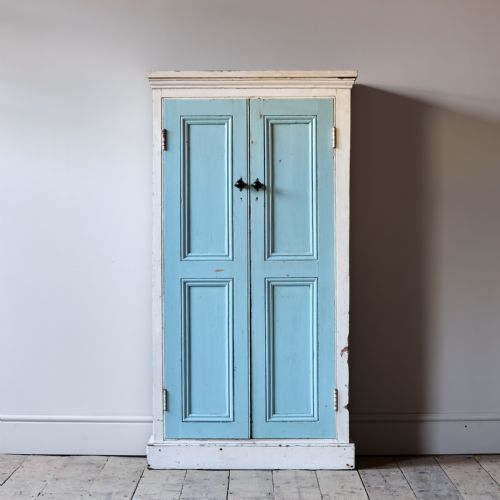
An antique painted larder offers robust utility and honest charm, bringing generous kitchen storage shaped by centuries of domestic use.
Antique Painted Larder
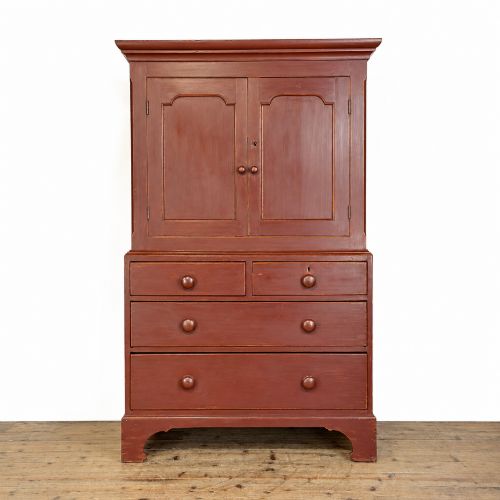
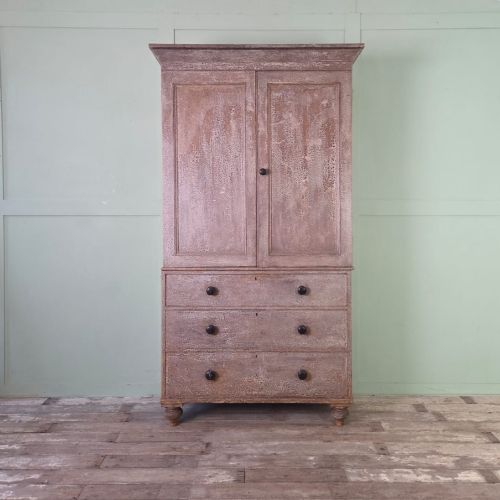
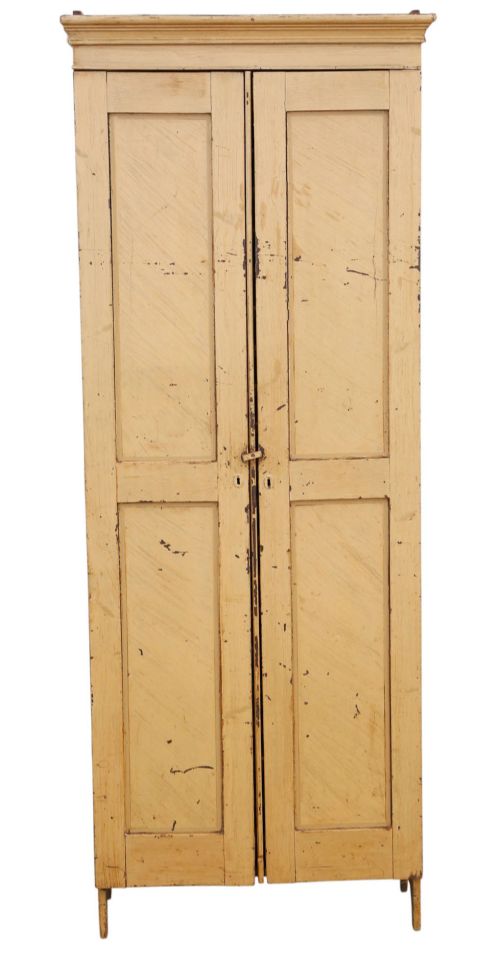
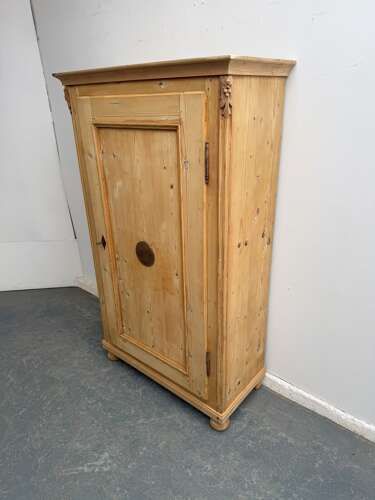
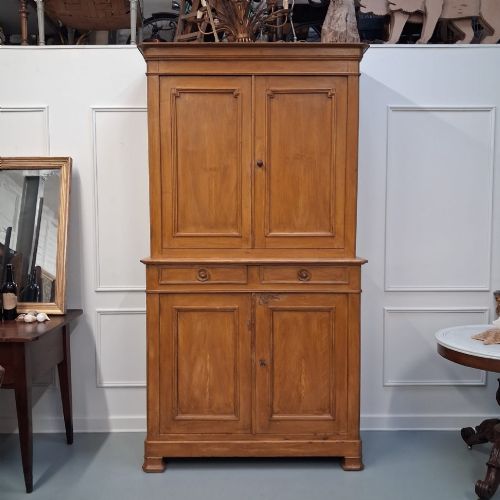
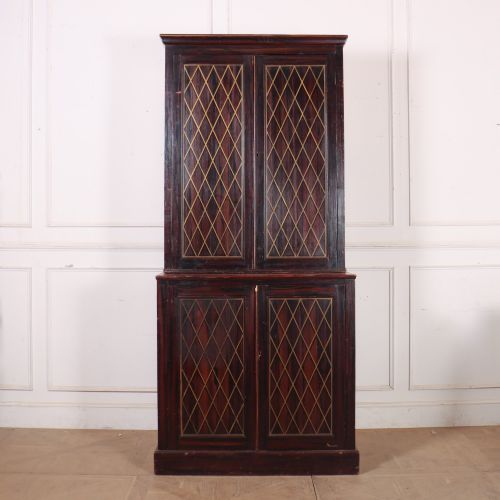
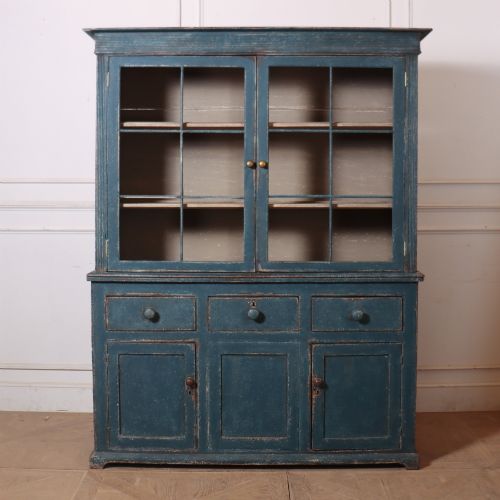
An antique painted larder encompasses substantial storage furniture designed for food and household provisions, frequently appearing in the records as housekeeper's cupboards, kitchen dressers, and food cupboards. These pieces emerge predominantly from the nineteenth century and the Victorian era, spanning regional English, French, and Scandinavian workshops.
The buyer meets tall single-door or multi-door variants fashioned from pine, often retaining layers of historic pigment or specific local treatments like cream and grey finishes. Many examples incorporate vented panels for air circulation around provisions, while others provide broad shelving and internal compartments suited to daily pantry organisation.
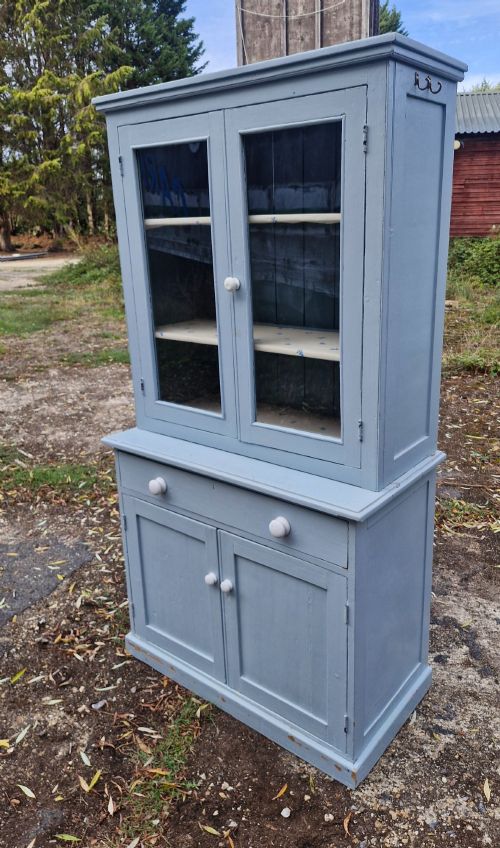
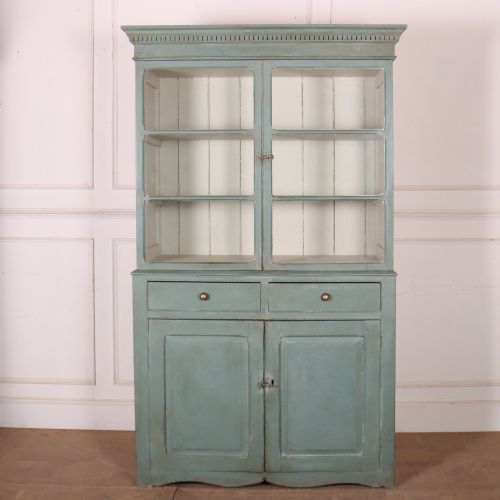
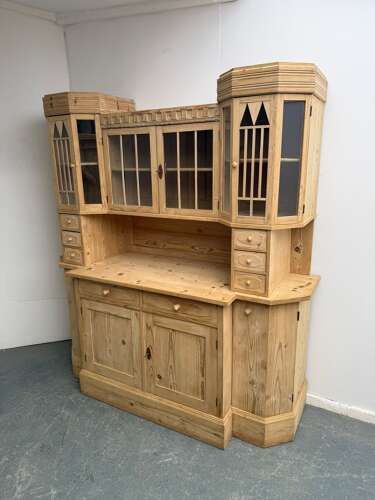
Beyond utilitarian kitchen cupboards, the selection occasionally includes related storage forms such as linen cupboards, chapel cupboards, and glazed cabinets sharing the same heavy domestic pedigree. They suit modern kitchens and utility spaces requiring authentic storage capacity without modern flat-pack artifice.
How They Were Made
Makers constructed these larders primarily from solid pine and other resilient softwoods, employing sturdy panelled doors, beaded mouldings, and dovetailed drawers to withstand heavy daily use. Iron, brass, and metal hinges, latches, and pulls provide the functional hardware securing the heavy timber structures.
Antique Painted Larder Retail Price Guide 2026
Typical asking prices for painted larder among the pieces listed under this phrase on Sellingantiques today, from the lower quarter to the upper quarter. They describe what is for sale here now, not the wider market.
Dogs stealing food from a basket appear immortalised in seventeenth-century oil painting record entries.
What Varies In Quality
The integrity of the original timber framing and the preservation of authentic historic paint surfaces determine the distinction between ordinary utility items and superior examples. Pieces retaining untouched period paintwork or original local finishes command greater interest than stripped or repeatedly repainted surfaces.
Proportion and internal configuration separate fine country joinery from basic utility carcasses, with well-balanced door alignments, functional original hardware, and clever shelving layouts indicating superior workshop execution.
The Antique Painted Larder Glossary
- Housekeeper's cupboard
- A large storage piece traditionally used in country houses for linens, dry goods, and provisions. These substantial cupboards often feature multiple doors and internal shelving.
- Bread and cheese cupboard
- A specialised food storage cabinet featuring vented or perforated panels to allow air circulation around perishable items. Such ventilation kept dairy and baked goods cool in domestic settings.
- Fielded panel
- A raised wooden panel set within a frame, tapered at the edges to fit into a groove. This construction method allows the wood to expand and contract with seasonal humidity shifts.
- Vented cupboard
- A storage cabinet incorporating pierced metal or wooden grilles designed to maintain airflow. They were essential in period kitchens before mechanical refrigeration.
- Kitchen dresser
- A dual-purpose furniture form featuring base cupboards and drawers beneath open or glazed upper shelving. They served as both storage and display areas for domestic earthenware and provisions.
Antique Painted Larder: Frequently Asked Questions
What is an antique painted larder?
An antique painted larder is a nineteenth-century or earlier storage cabinet built for food and household provisions, typically constructed from solid pine and finished with historic paint.
These pieces range from tall single-door kitchen cupboards to large multi-door housekeeper's cupboards designed to hold dry goods and kitchenware.
How were these larders originally used?
Households utilised these cupboards to store perishable food, dry provisions, linens, and everyday kitchen utensils before modern pantries and refrigerators existed.
Vented doors allowed cool air to circulate around food items, keeping produce fresh within the domestic kitchen or larder room.
How do I care for original paint?
Preserving historic painted surfaces requires gentle dusting with a dry cloth and avoiding harsh chemical cleaners or abrasive scrubbing pads.
Keep the timber away from direct heat sources and excessive moisture fluctuations to protect the underlying wood and pigment layers.
How do I identify a period piece?
Examine the construction methods, such as hand-cut joinery, pegged joints, and older hardware like wrought iron hinges and brass latches.
Look for the natural ageing of the pine timber and the depth of historic paint layers rather than modern factory-applied finishes.