


Antique Painted Door
An antique painted door carries the weight of past centuries, offering structural division with the distinct charm of aged pigments.
Antique Painted Door
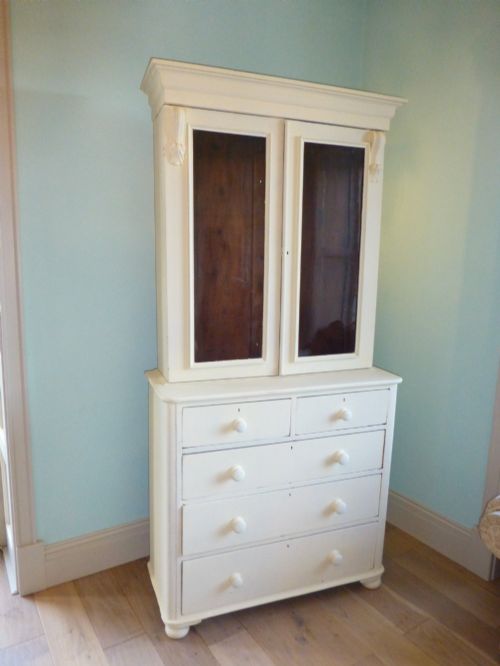
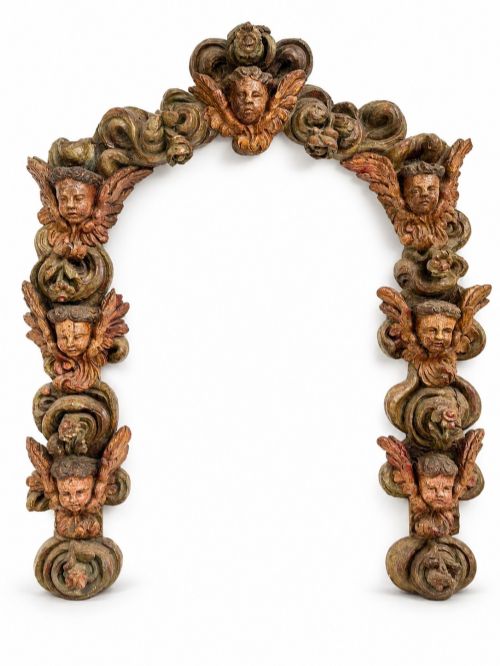
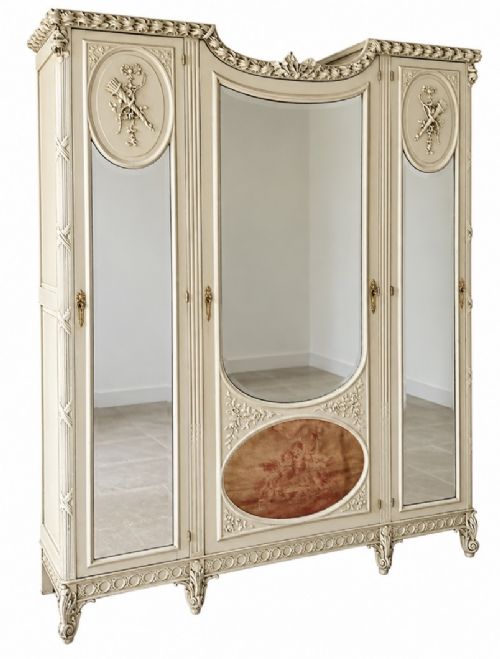
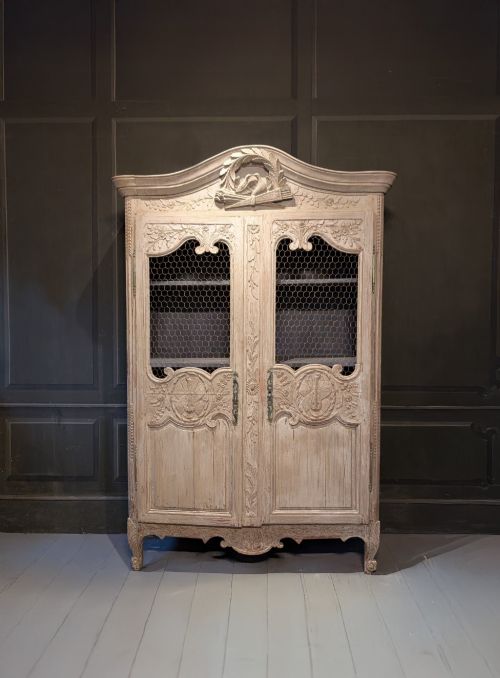
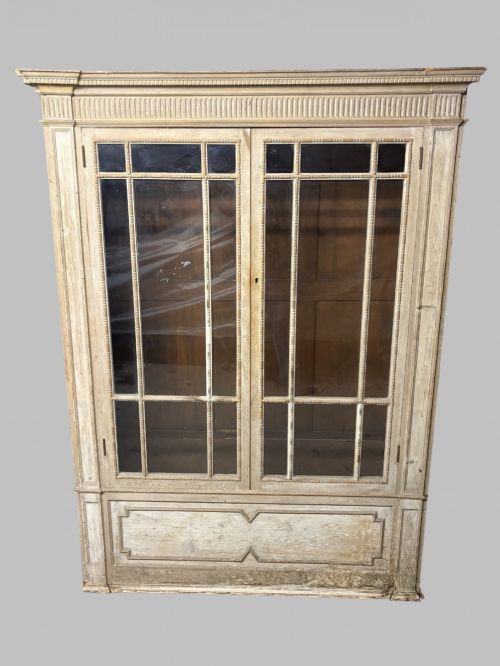
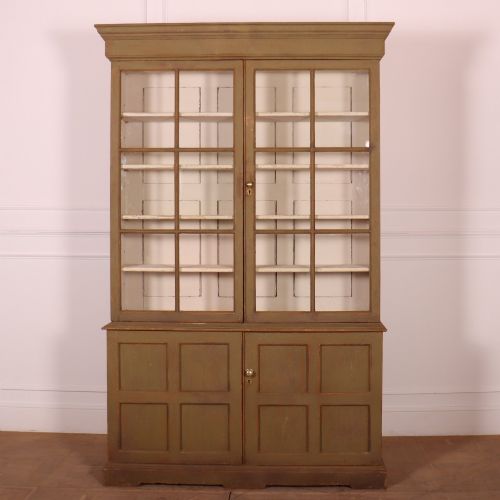
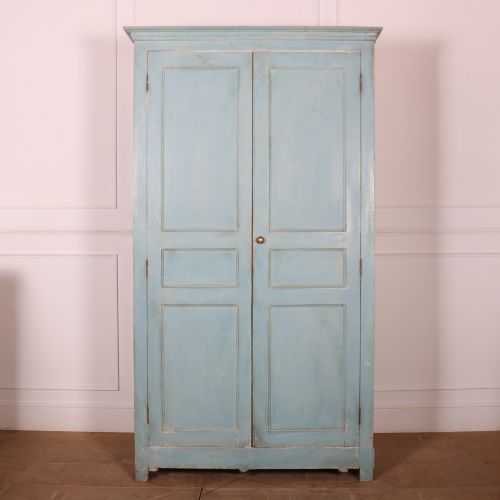
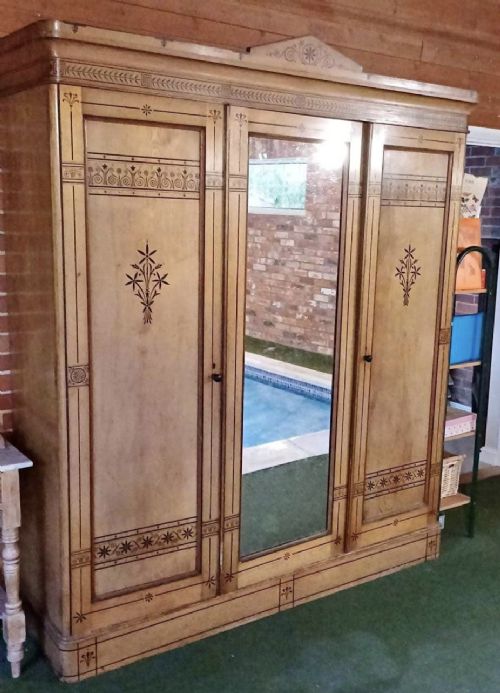
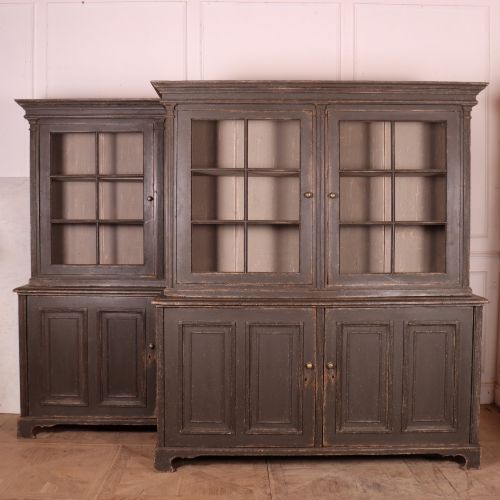
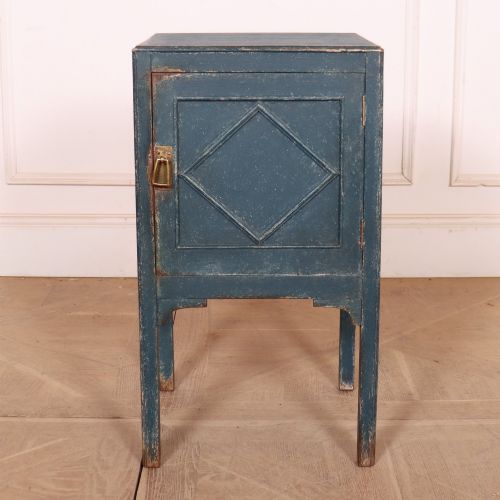
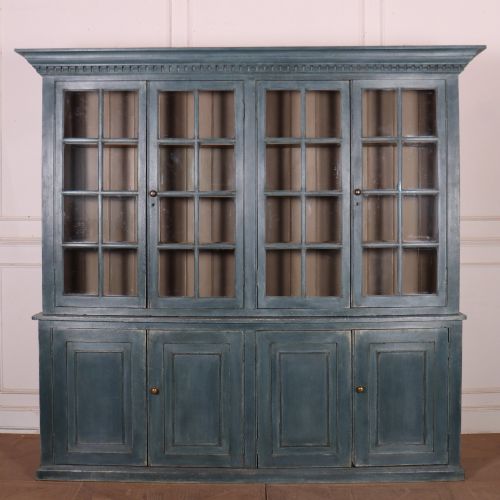
When searching for an antique painted door, buyers encounter architectural elements and substantial cabinetry originating from periods spanning the Georgian era through to the twentieth century. The selection includes arched timber panels, housekeepers' cupboards, and freestanding armoires finished in period pigments.
Pine and hardwood form the primary construction of these items, often discovered in original paint finishes, scumble glazes, or later decorative schemes. French provincial, English country, and Victorian styles dominate the available forms, ranging from single panels to pair configurations.
Materials and construction
Carpenters utilised solid pine, ash, and satinwood, constructing frames with mortise and tenon joints to withstand decades of daily use. Iron and brass hardware, including hinges and latches, secure the heavy timber assemblies.
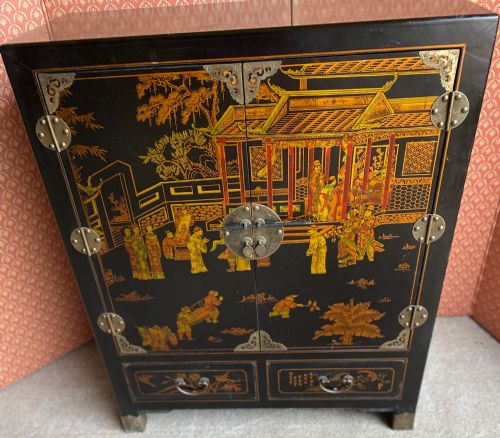
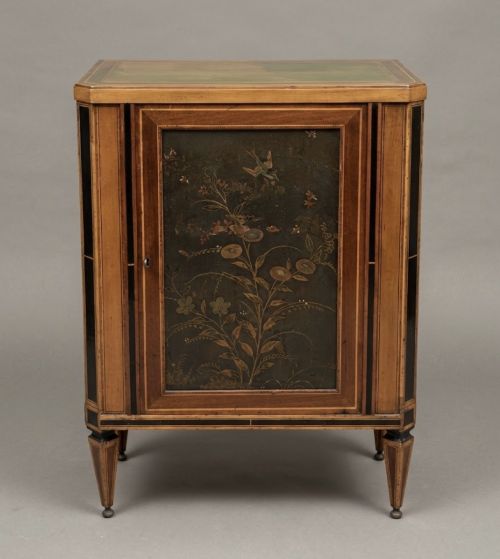
Surface decoration involved lead-based paints, scumble faux finishes, and hand-painted lacquer panels applied over prepared wood grounds. Glazed sections incorporate mouth-blown or early sheet glass held in place by wooden glazing bars.
Antique Painted Door Retail Price Guide 2026
Typical asking prices for painted door among the pieces listed under this phrase on Sellingantiques today, from the lower quarter to the upper quarter. They describe what is for sale here now, not the wider market.
Listings feature pine and hardwood items spanning the Georgian, Victorian, and Edwardian periods alongside French provincial styles.
Judging the range
The distinction between standard examples and superior pieces rests in the originality of the surface finish and the integrity of the underlying timber. Untouched historical paintwork carries greater merit than later decorative layers applied over stripped wood.
Joinery execution and proportion further separate workshop output, with finer items displaying precise moulding profiles and balanced panel layouts. The presence of original iron or brass furniture completes the assessment of a piece's structural and visual integrity.
Hampton & Sons, London
The Antique Painted Door Glossary
- Scumble
- A translucent decorative glaze dragged or mottled over a lighter opaque base colour to imitate the grain of more expensive timbers like oak. This technique was common on nineteenth-century utility furniture.
- Compactum
- A large fitted wardrobe featuring internal divisions, drawers, and hanging space designed to hold a complete gentleman's wardrobe. Edwardian versions frequently incorporated painted satinwood panels.
- Vitrine
- A glass-fronted cabinet or display case used for exhibiting porcelain and decorative objects. These pieces often feature painted or gilded frames in French styles.
- Chinoiserie
- European theatrical imitation of Chinese artistic traditions, featuring hand-painted motifs of landscapes and figures on lacquered grounds. It gained popularity during the Georgian and Victorian periods.
- Breakfront
- A piece of furniture whose central section projects forward from the flanking outer sections. This architectural arrangement creates depth and shadow on large wardrobes and bookcases.
Antique Painted Door: Frequently Asked Questions
How do I date an antique painted door?
Examine the underlying timber species, tool marks left by saws or planes, and the composition of the paint layers. Earlier pine boards often show wide widths and hand-planed surfaces.
Hardware styles, such as hand-forged iron hinges or cast brass latches, provide additional chronological clues that align with specific manufacturing periods.
Are the paint finishes original?
Many items retain their first layer of period paint, while others have been painted over during subsequent decades of use. Pigment analysis and microscopic examination of edge wear reveal whether a finish dates to the construction period.
Patina accumulation around handles and edges generally distinguishes genuine historical surfaces from modern decorative applications.
How should I clean a painted wooden surface?
Remove dust using a soft, dry microfibre cloth without applying excessive pressure to fragile or craquelure-ed paint layers. Avoid modern chemical solvents, detergents, or abrasive cleaners that can strip historical pigments.
Consult a conservator if the paint surface shows signs of active flaking or powdering before attempting any remedial cleaning.
Can these doors be re-hung in modern homes?
Most architectural elements require careful measurement of existing door frames, as historical dimensions rarely match standard contemporary openings. Carpenters often need to plane edges or adjust rebates to achieve a proper fit.
Consider the weight of solid pine or hardwood assemblies when selecting modern hinges and support framing for installation.