

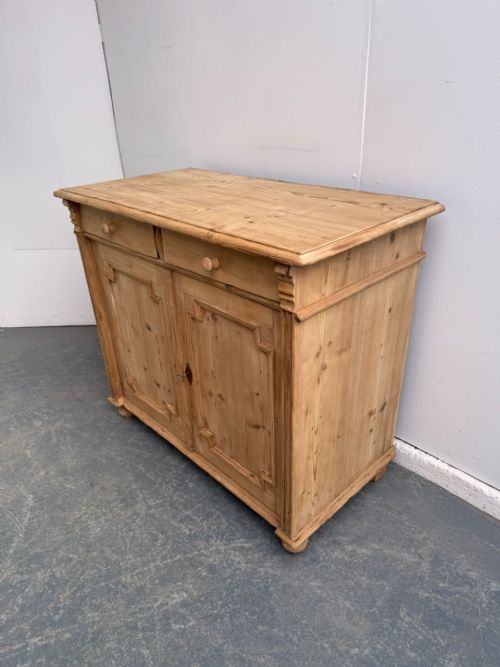
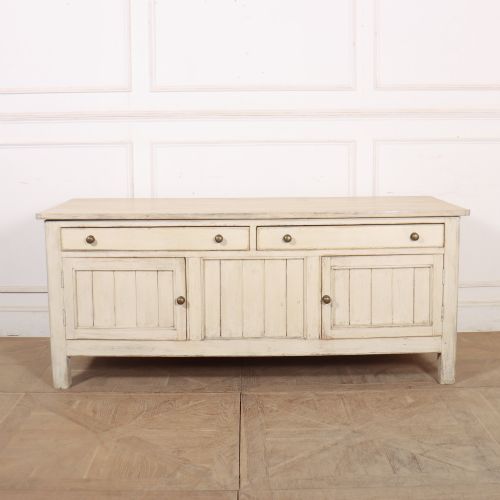


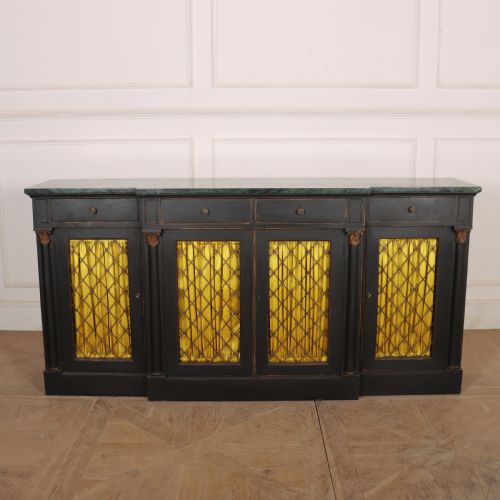
Antique Painted Buffet Server
These antique painted buffet server pieces bring enduring storage and character to a room, spanning country kitchens to grand salons.
Antique Painted Buffet Server
An antique painted buffet server combines practical storage with decorative presence, often taking the form of a dresser base, sideboard, or console. These items serve dining rooms, kitchens, and hallways where a substantial surface and enclosed cupboards are required.
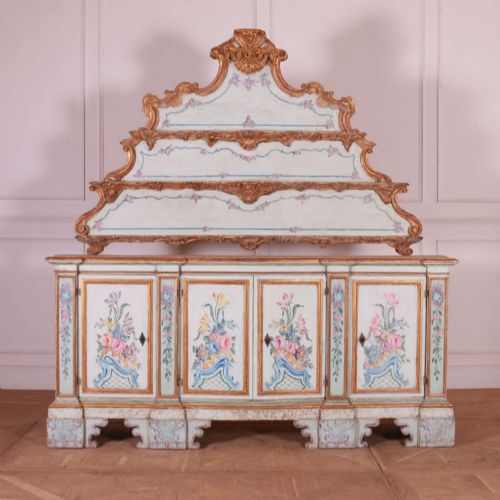
The selections available here range from nineteenth-century pine kitchen pieces to eighteenth-century Venetian and French examples. English country houses and continental workshops alike produced these heavy-duty furnishings for domestic service.
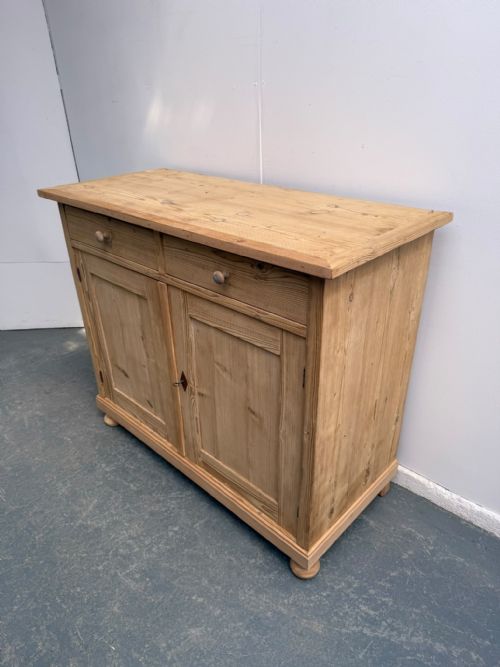
Pine dresser bases and painted sideboards form the core of what you will encounter. Many items show the evolution of regional styles from simple utilitarian storage to decorative painted schemes.
Materials and construction methods
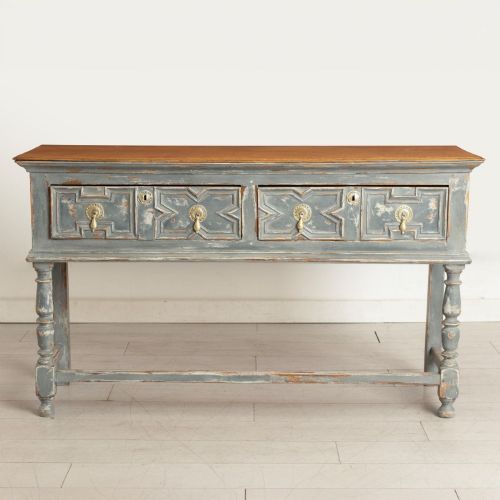
Makers relied heavily on solid pine, oak, and walnut, building robust carcasses designed for daily kitchen or dining room utility. Brass and iron hardware such as handles, hinges, and keyplates complete the structural assemblies.
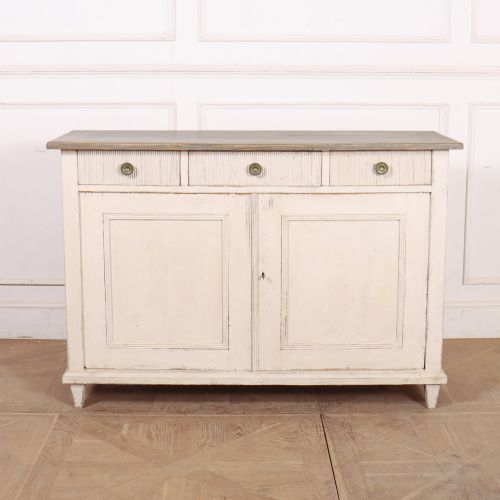
Surfaces received traditional finishes including original paint, scumble glazes, and wax over pine or hardwood timber. Some items feature marble tops or hand-painted decorative schemes applied directly to the wood.
Antique Painted Buffet Server Retail Price Guide 2026
Typical asking prices for painted buffet server among the pieces listed under this phrase on Sellingantiques today, from the lower quarter to the upper quarter. They describe what is for sale here now, not the wider market.
Some nineteenth-century pine pieces still carry the faint scent of old bakeries from their days housing bread slides.
Distinguishing quality across pieces
Quality rests in the integrity of the original timber frame and the survival of authentic painted finishes. Pieces that retain their early surface patination hold significantly more character than later, stripped, or heavily restored examples.
Joinery detail and proportion dictate the standing of a piece, from simple country workshop output to sophisticated continental execution. The balance of drawer arrangements, door panels, and original hardware marks the difference between standard utility furniture and finer regional items.
Melissa White
The Antique Painted Buffet Server Glossary
- Dresser base
- A low wooden storage unit featuring drawers and cupboards beneath a flat top surface. These formed the lower half of traditional kitchen dressers before becoming standalone sideboards.
- Scumble
- A decorative painting technique involving a translucent glaze dragged over an opaque base coat to simulate wood grain or texture. Scottish and English country furniture often utilised this method.
- Bread slide
- A pull-out wooden board integrated into the furniture frame above drawers or cupboards. Bakers utilised these trays to cool loaves or prepare food in the kitchen.
- Potboard
- An open slatted lower shelf built between the legs of a dresser base. This platform traditionally held heavy pots, pans, and earthenware.
- Breakfront
- A cabinet or sideboard whose central section projects forward from the flanking outer wings. This architectural arrangement creates depth and visual rhythm on larger furniture pieces.
Antique Painted Buffet Server: Frequently Asked Questions
What is the difference between a buffet and a dresser base?
A buffet traditionally serves dining rooms for holding food and serving dishes during meals. A dresser base stems from kitchen environments, offering deep drawer storage and lower cupboards.
While their forms often overlap in modern categorization, dresser bases typically display a more utilitarian country build. Buffets frequently lean towards formal dining arrangements with decorative continental influences.
How do I care for original painted wood surfaces?
Original painted surfaces require gentle treatment to preserve the historic finish and underlying timber. Dust regularly with a soft, dry cloth and avoid harsh chemical cleaners or abrasive pads.
Wax finishes benefit from occasional application of quality beeswax to maintain moisture in the wood. Keep these pieces away from direct sunlight and radiators to prevent paint cracking.
Where were these painted servers originally used?
These servers populated domestic spaces ranging from country farmhouse kitchens to grand continental chateaux. They provided essential storage for kitchenware, linens, and dining provisions in busy households.
In modern homes, they transition easily into hallways, living rooms, and dining spaces. Their enclosed cupboards and wide tops offer practical organisation without sacrificing historic character.
How can I tell if the paint finish is original?
Original paint exhibits natural wear patterns, minor craquelure, and integration with the underlying timber structure. Examining corners, edges, and interior surfaces reveals the accumulation of age.
Later repainting often sits uniformly over modern preparation marks or hides older hardware configurations. Inspecting the layers under natural light helps determine whether the finish matches the period of the piece.