
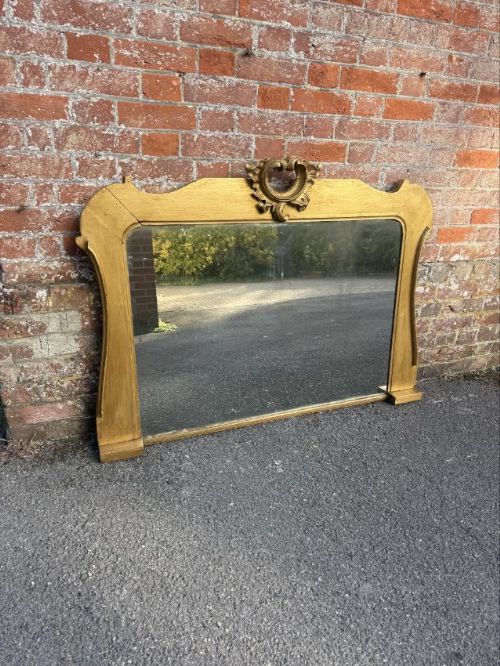
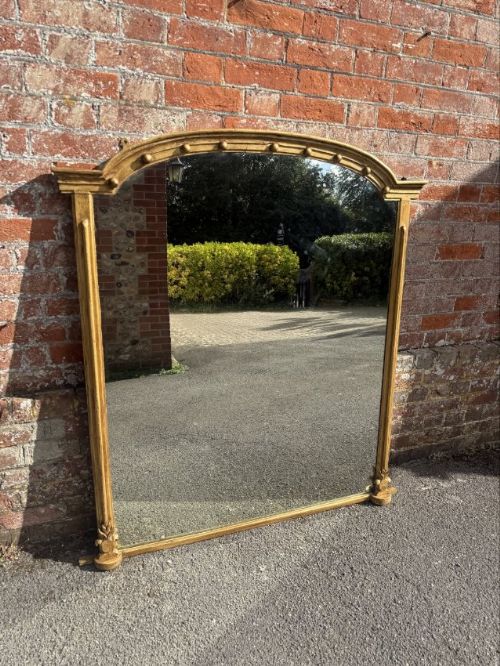
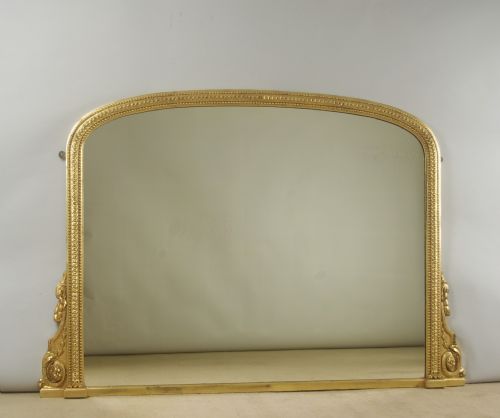
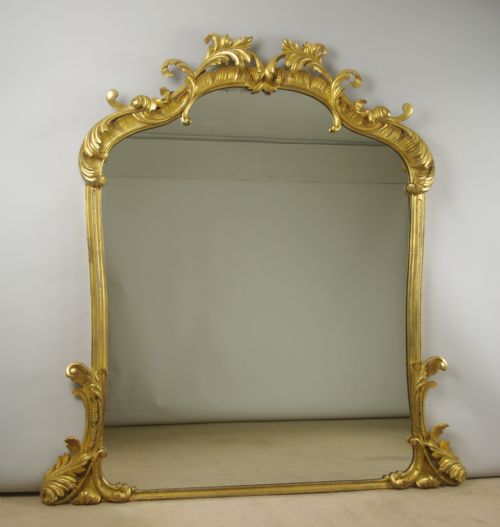
Antique Overmantle
An antique overmantle is a substantial mirror designed to hang above a fireplace, bringing scale, light and period character into a room.
Antique Overmantle
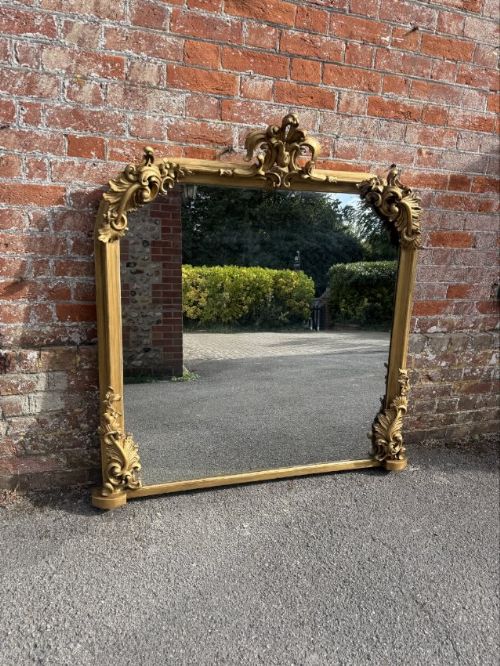
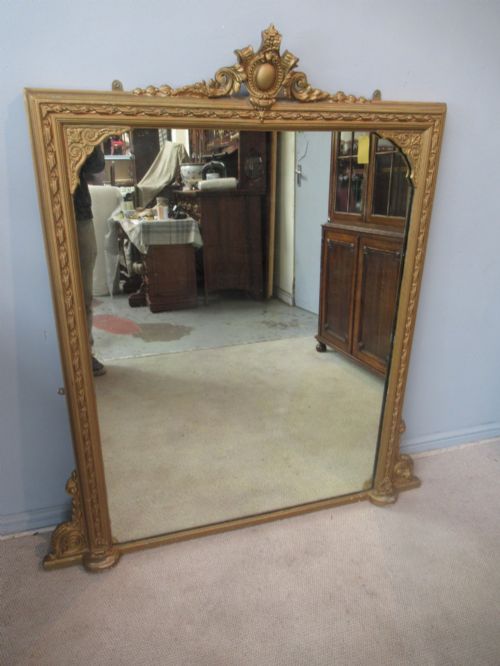
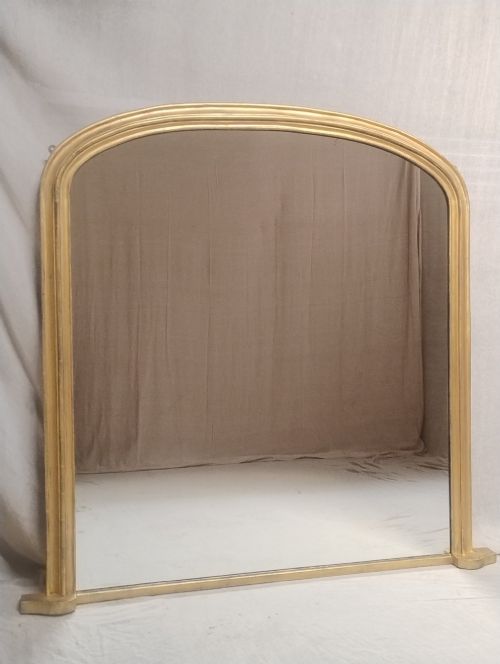
When you search for an antique overmantle, you encounter large architectural looking-glasses created to sit precisely above the mantelpiece. The pieces gathered here belong predominantly to the nineteenth century and the Victorian era, spanning decades from the 1850s through to the early 1900s.
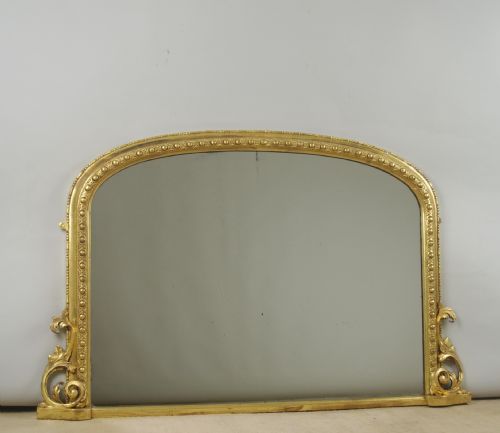
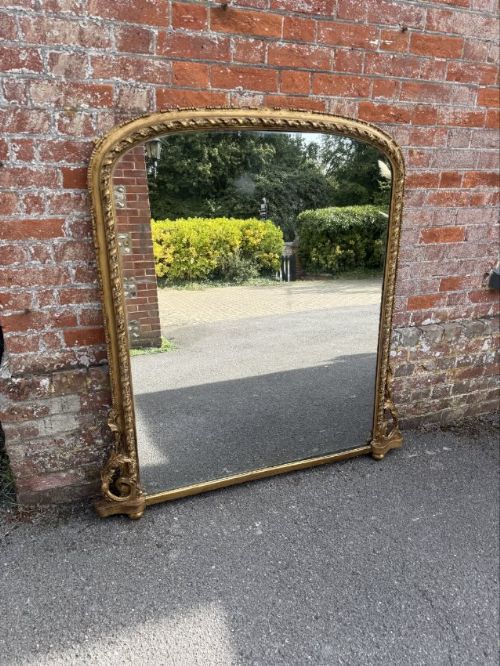
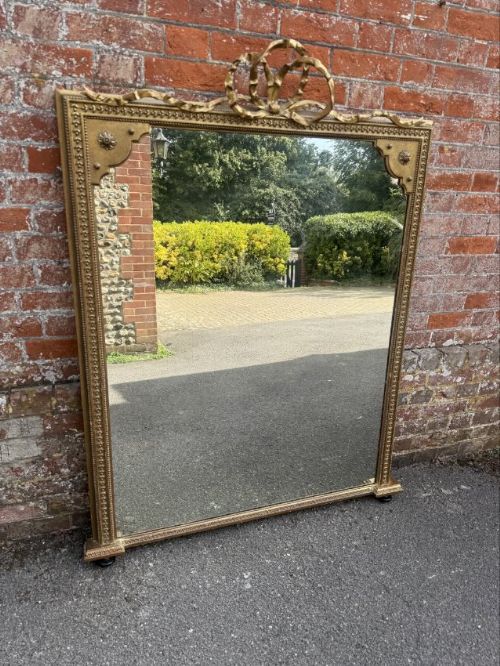
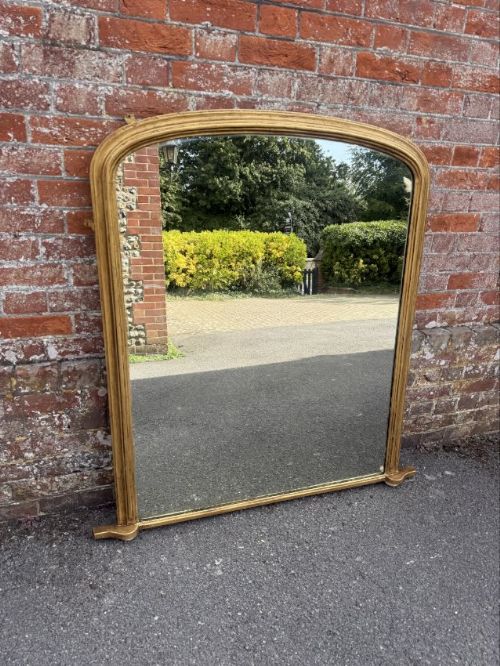
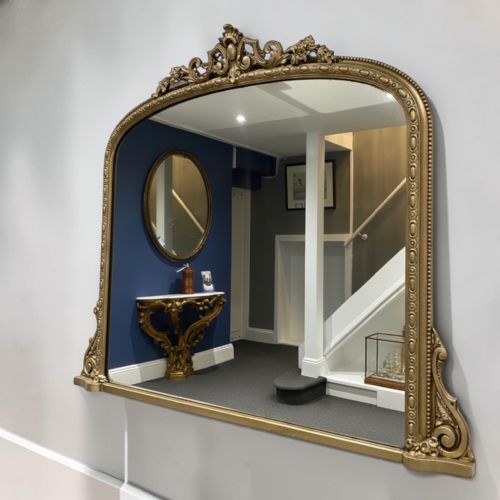
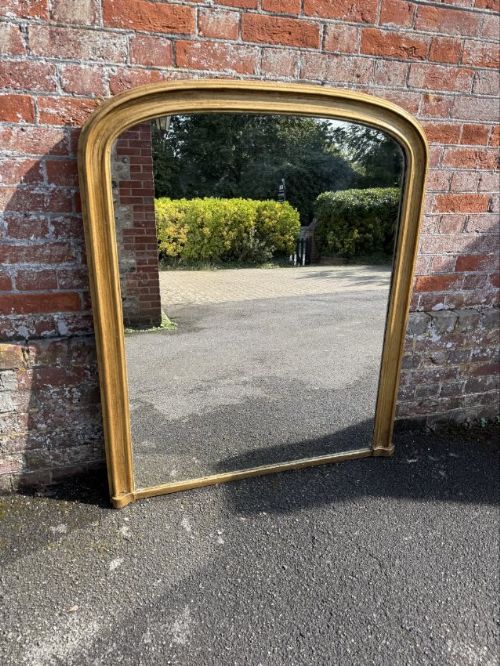
The most common format you will meet on this page is the arched top mirror, frequently framed in giltwood and gesso with decorative rope twist, ribbed or tulip details. These items were designed to anchor the main reception rooms of period houses, reflecting natural light from the windows across the hearth.
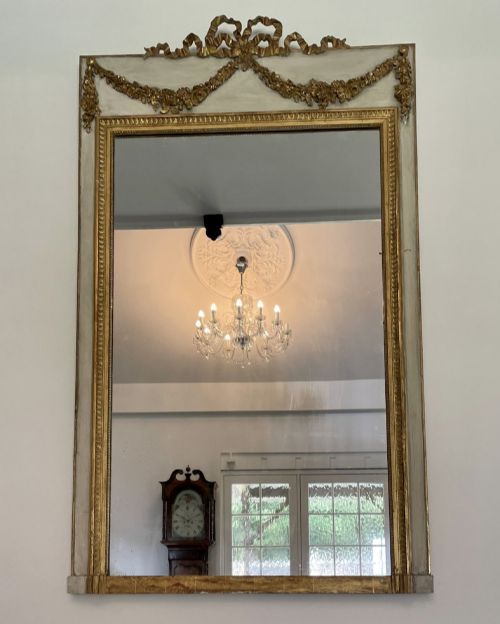
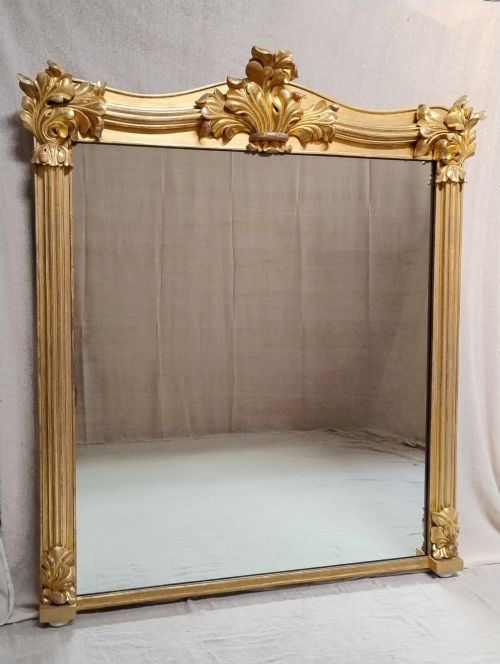
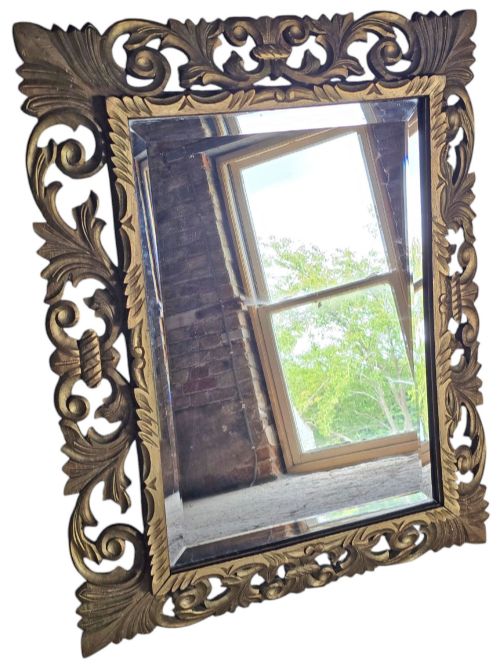
Alongside standard Victorian examples, the selection includes pieces influenced by French Chateau, Florentine, Regency and Neoclassical styles. Formats vary from single plate rectangular glasses to grand triple plate constructions and architectural salvage variants.
Materials and Construction
Makers constructed the foundational framework of an antique overmantle using carved wood, onto which they applied layers of gesso and composition ornaments. This mixture allowed artisans to mould intricate decorative motifs such as scrolls, fluting and floral borders before applying finishes.
The decorative surface relies heavily on gold leaf, giltwood, or applied gold paint to achieve a reflective, opulent appearance. Mirror glass of the period is set within these frames, sometimes taking the form of large single sheets or multiple plates divided within architectural mullions.
Several mirrors feature nautical rope twist carvings, proving that nineteenth-century mantelpieces occasionally harboured unexpected seafaring ambitions.
Assessing Quality
Quality in these large mirrors is determined by the crispness of the hand-carved wooden elements and the depth of the applied gesso mouldings. Pieces featuring finely sculpted rope twist, column frames, or complex architectural pediments demonstrate superior craftsmanship compared to plain or heavily cast examples.
The integrity of the original mercury or silvered mirror glass also dictates the standing of a piece. Retaining deep bevelling, original backing boards and undisturbed gilding elevates the standard of an overmantle significantly.
The Antique Overmantle Glossary
- Gesso
- A plaster-like mixture applied to wood frames to create a smooth surface for carving or gilding. It is built up in layers and incised with decorative patterns.
- Giltwood
- Timber that has been coated with gold leaf or gold paint. This finish defines the bright, reflective appearance characteristic of nineteenth-century frames.
- Overmantel
- An alternative spelling and term for a mirror or decorative panel designed specifically to sit upon the mantel shelf. It functions as the visual centrepiece of a chimney breast.
- Rope twist
- A carved decorative moulding resembling the spiral strands of a rope. This motif frequently appears on Victorian frames within this selection.
- Composition
- A mouldable paste made from whiting, resin and oil used to press ornamental details onto mirror frames. It offers a quicker alternative to hand-carving while maintaining intricate relief.
Antique Overmantle: Frequently Asked Questions
Where should an overmantle mirror hang?
These mirrors are traditionally positioned directly above a fireplace mantelpiece to anchor the proportions of the chimney breast. They also function effectively along main hallway walls where their expansive scale reflects light throughout the space.
Due to their substantial weight, secure wall fixings into masonry or heavy studwork are essential for safe installation.
How do I date an antique overmantle?
Dating relies on examining the framing style, timber construction methods and the characteristics of the mirror glass itself. Pieces from the mid-nineteenth century often display elaborate Victorian gesso work and arched wooden frames.
Later examples from the turn of the twentieth century incorporate Florentine or Neoclassical revival motifs while maintaining similar architectural proportions.
Can these mirrors stand on the mantel?
Many nineteenth-century overmantle mirrors were constructed with flat bases intended to rest directly upon the wooden shelf of the fireplace. Securing the upper frame to the wall with discreet brackets prevents accidental tipping.
Alternatively, hanging the mirror independently just above the shelf relieves the mantelpiece of the total weight.
What styles are available?
The selection encompasses prominent nineteenth-century designs including Victorian Rococo Revival, Regency, French Chateau and Florentine aesthetics. Framing details range from simple ebonised and parcel-gilt borders to ornate carved wooden columns and tulip motifs.
Some pieces incorporate architectural salvage elements or triple plate glass layouts for added visual complexity.