
Antique Outdoor Seat
An antique outdoor seat provides enduring metal and timber resting places for gardens, terraces and parkland.
Antique Outdoor Seat
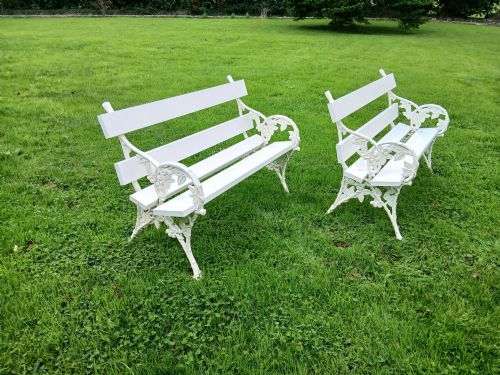
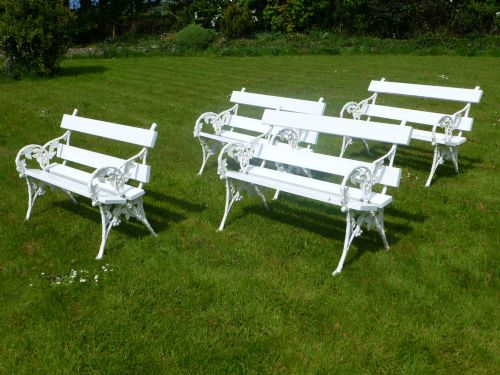
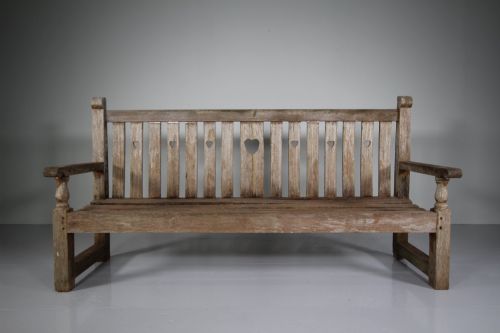
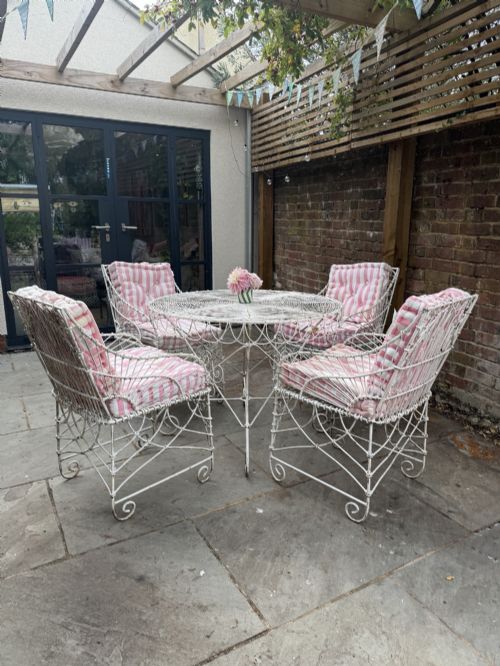
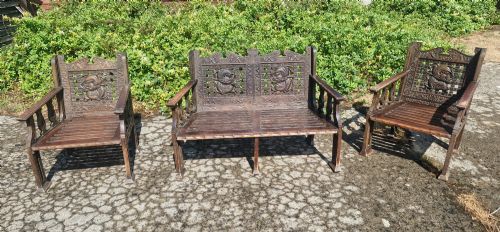
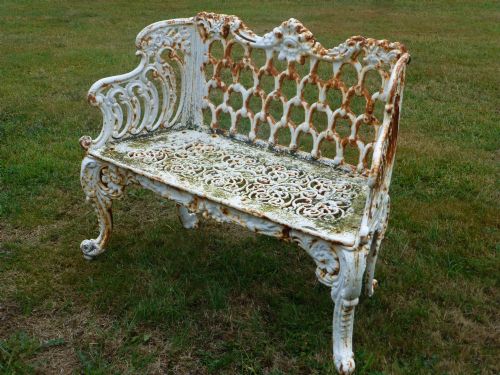
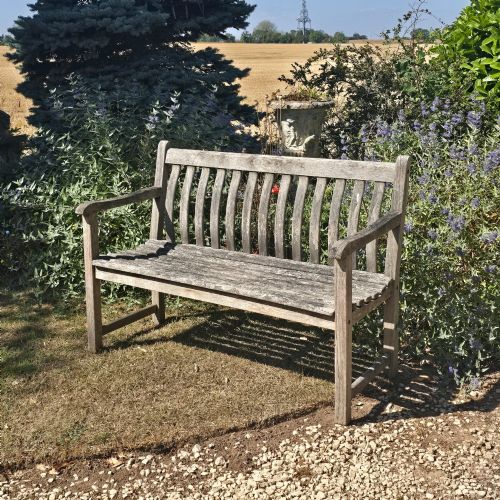
An antique outdoor seat encompasses garden benches, settees and chairs designed for exterior placement across various periods. Buyers seek these pieces to anchor a lawn, terrace or conservatory with functional period character.
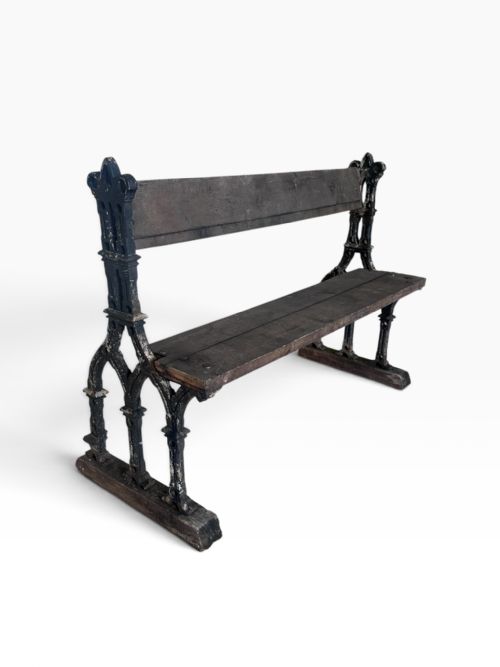
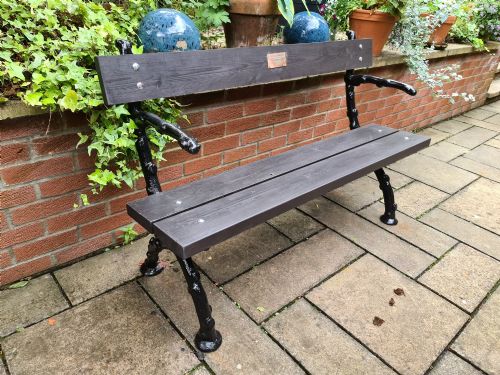
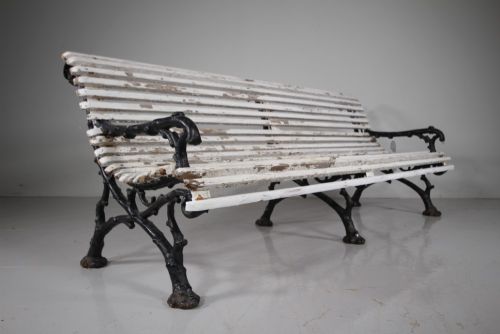
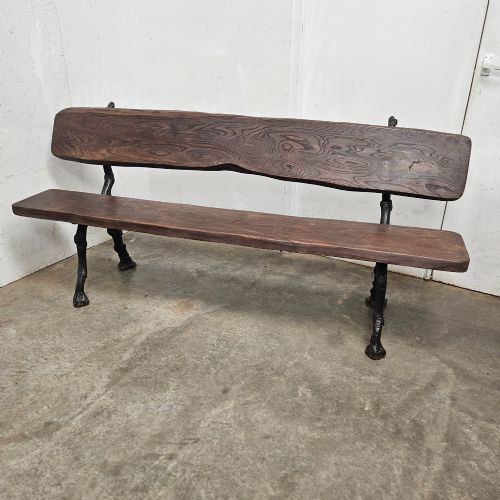
The most common examples on this page date from the nineteenth century, featuring robust cast iron frames alongside timber slats. Many display distinct regional patterns, including French Gothic influences and classic English rustic designs.
Makers utilised durable construction methods to withstand decades of weather exposure while maintaining decorative appeal. Form follows function closely, resulting in sturdy supports and comfortable slatted or cast seating surfaces.
Assessing build and design quality
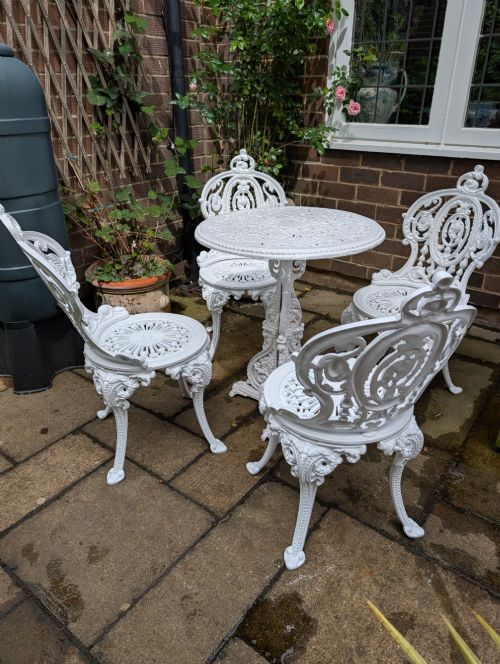
Quality depends upon the crispness of the foundry casting and the depth of decorative relief work on iron components. Elaborate botanical motifs like blackberry and leaf patterns or structural elements like canopies indicate superior production.
The integrity of the joinery and the selection of enduring hardwoods such as teak separate standard utilitarian pieces from exceptional examples. Surviving original paint surfaces and structural originality elevate a piece within its period.
Listings feature nineteenth-century cast iron alongside Edwardian and 1930s timber and reconstituted stone designs.
Falkirk Carron Foundry·Carron Foundry·Christopher Dresser·Coalbrookdale
The Antique Outdoor Seat Glossary
- Cast iron
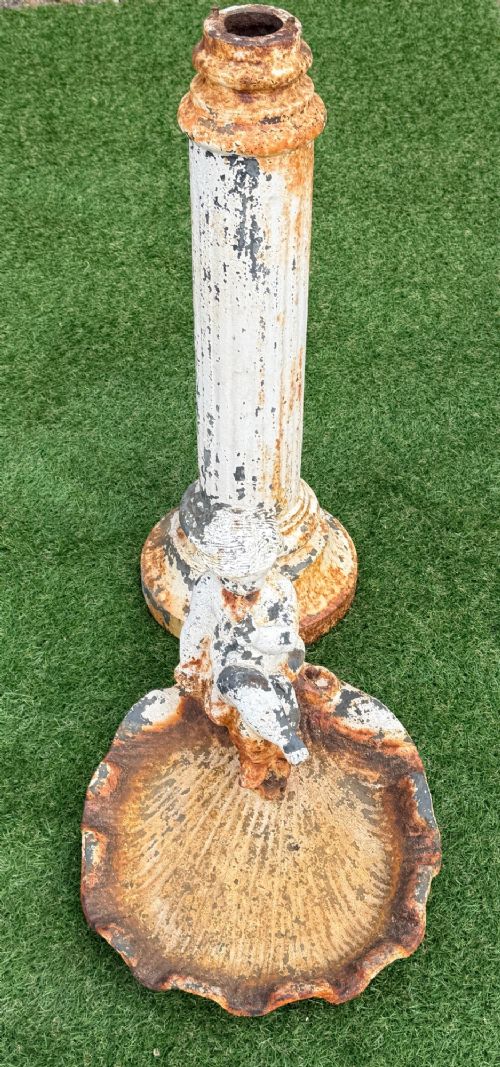
- A strong, hard alloy poured into moulds to create decorative bench ends and structural frames. This material allowed nineteenth-century foundries to produce intricate botanical and gothic patterns.
- Wrought iron
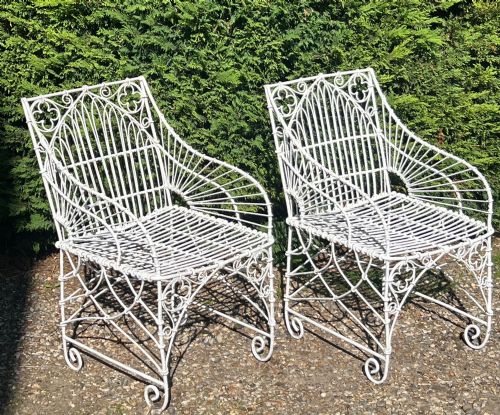
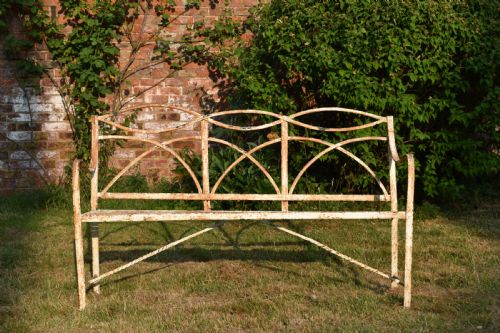
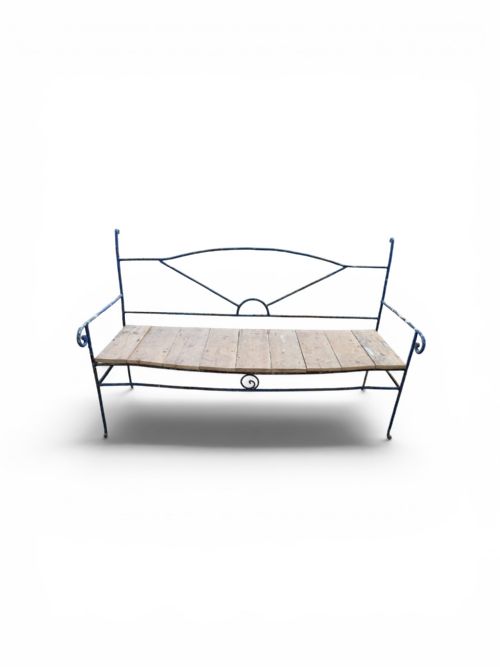
- Tough, malleable iron beaten or rolled into shape by hand, typically utilised for strapwork designs. It yields lighter, resilient frames compared to brittle cast variants.
- Faux bois
- A decorative technique mimicking the natural appearance of wood grain using concrete, metal or paint. It appears frequently on French garden seats from the nineteenth century.
- Strapwork
- An ornamental motif consisting of flat, intertwined bands resembling leather straps. Regency and Victorian metal benches frequently employ this geometric pattern.
- Teak
- A dense, oil-rich tropical hardwood prized for exterior durability and resistance to weathering. Makers selected this timber for slatted garden bench seats.
Antique Outdoor Seat: Frequently Asked Questions
How do I protect iron seats?
Keep metal frames painted to prevent rust formation during damp winter months. Position the seat on firm paving rather than directly on soil.
Apply specialised metal preservatives when historical paint finishes show thinning or wear. Store delicate wirework structures undercover during severe weather.
Can teak seats stay outside?
Teak contains natural oils that allow timber to withstand year-round outdoor exposure without rotting. The wood transitions to an even silvery grey patina over time.
Clean the surface periodically with mild soapy water to remove accumulated dirt. Avoid using harsh chemical sealants that disrupt the natural weathering process.
How to date cast iron?
Examine the complexity of the casting and the specific botanical or gothic motifs employed. Earlier nineteenth-century examples often feature sharper detail and heavier framing.
Look for maker marks or registration numbers cast directly into the iron structure. Compare assembly techniques, such as the use of threaded bolts versus cotter pins.