


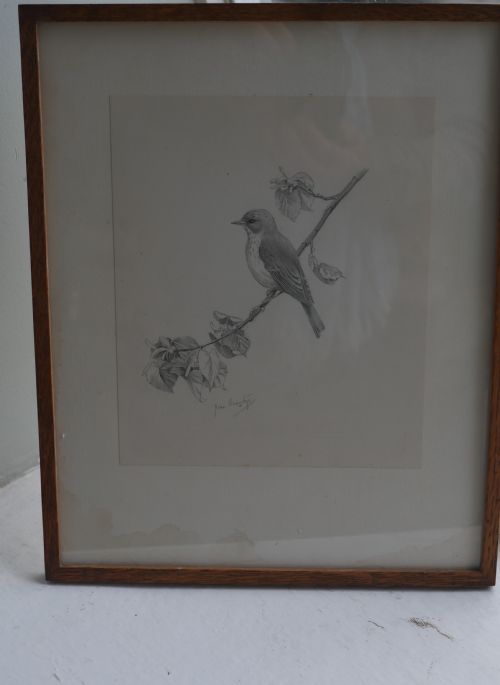

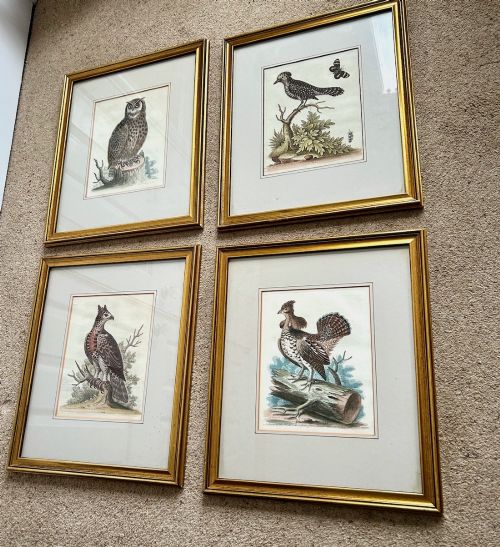
Antique Ornithological Art
These framed prints, hand-coloured engravings, and delicate watercolours bring the quiet study of birds into the home.
Antique Ornithological Art
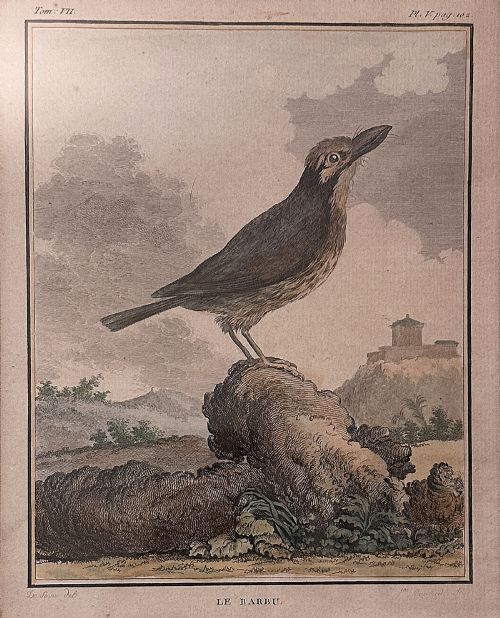
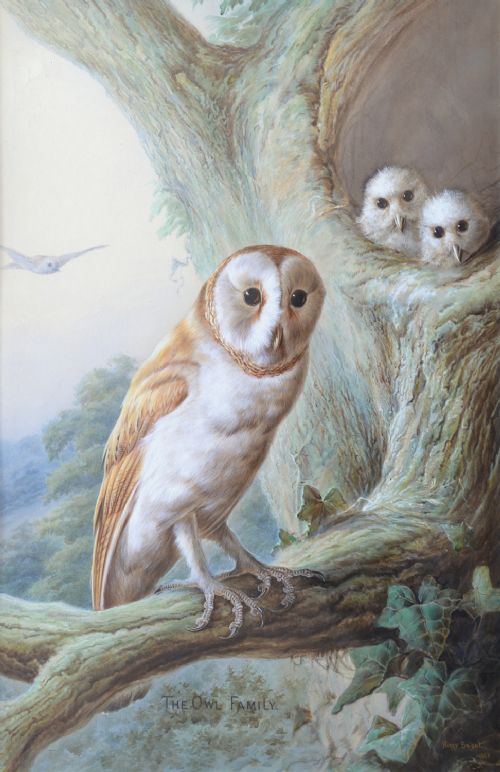
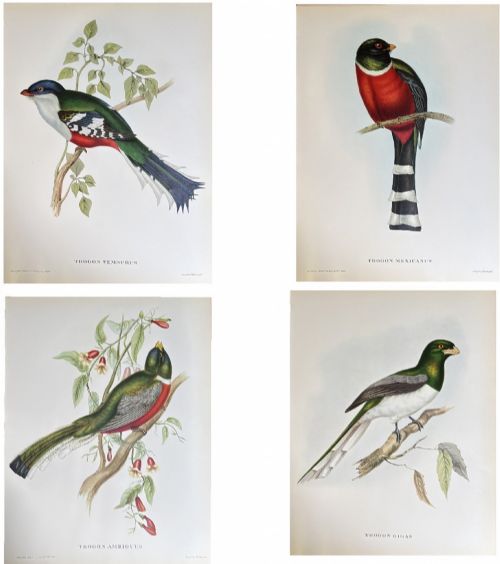
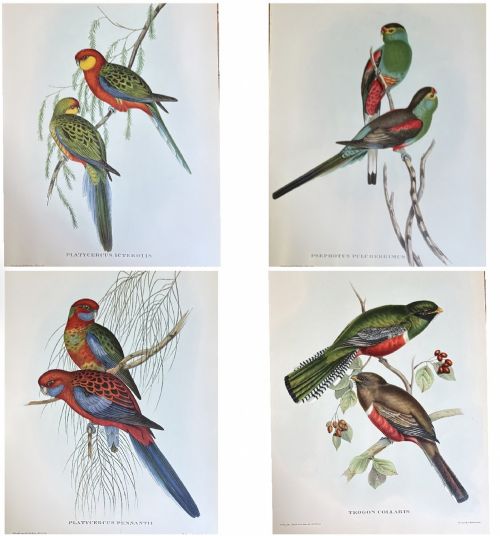
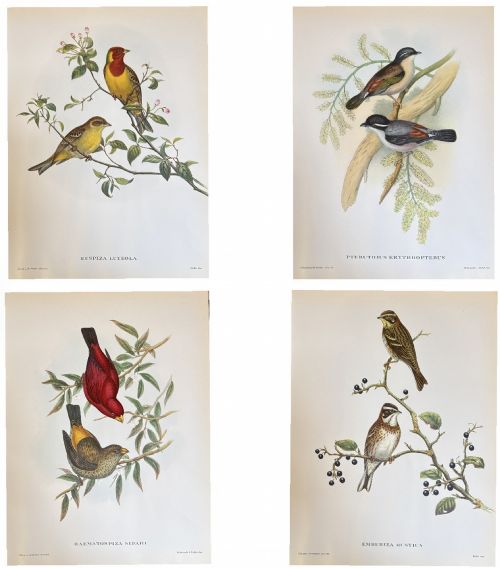
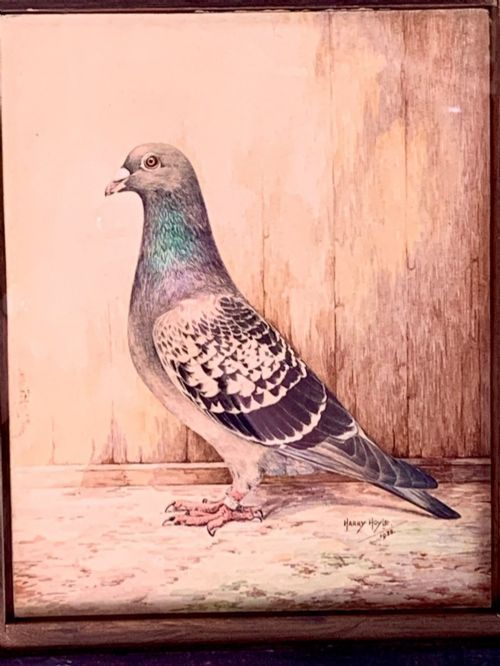
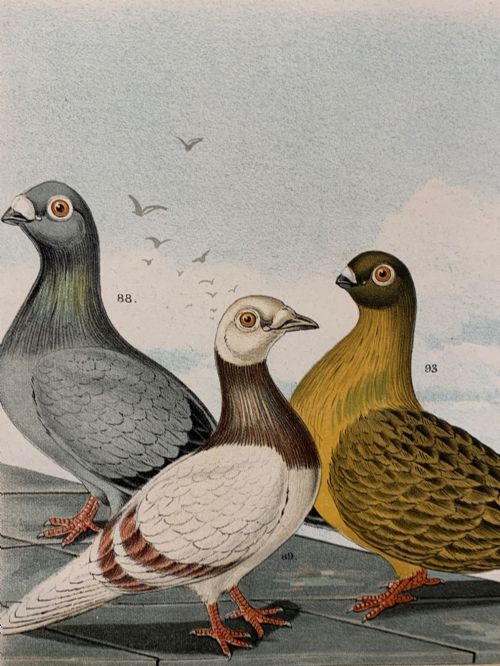
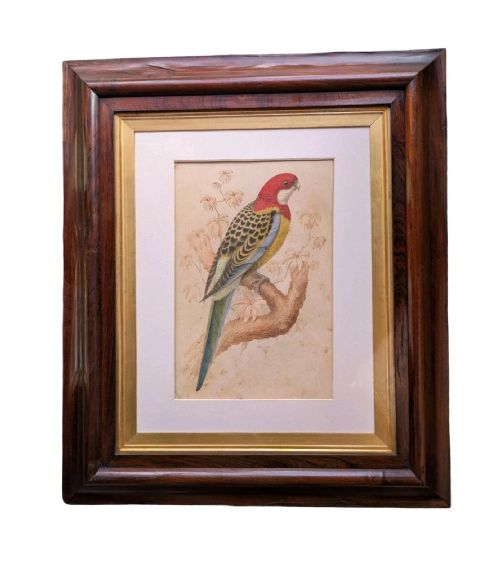
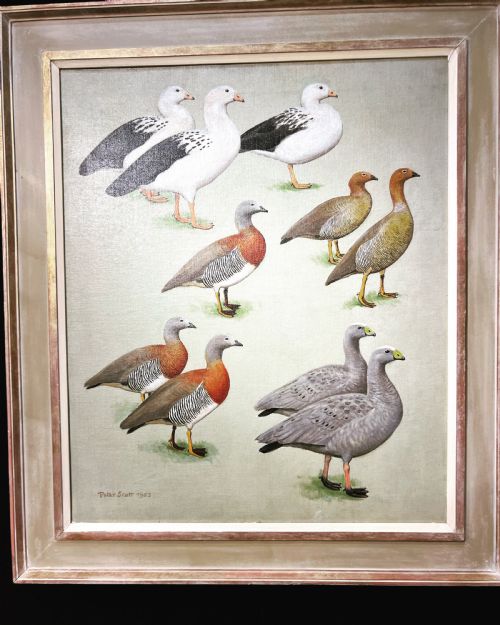
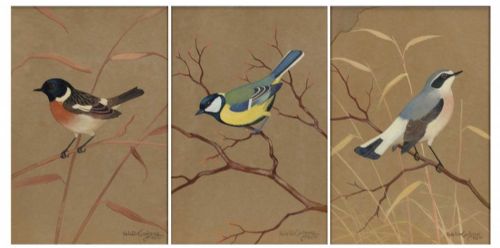
Antique ornithological art encompasses detailed depictions of birds executed across the eighteenth, nineteenth, and twentieth centuries. Buyers examine framed prints, lithographs, and delicate watercolours that capture individual species with scientific precision and decorative appeal.
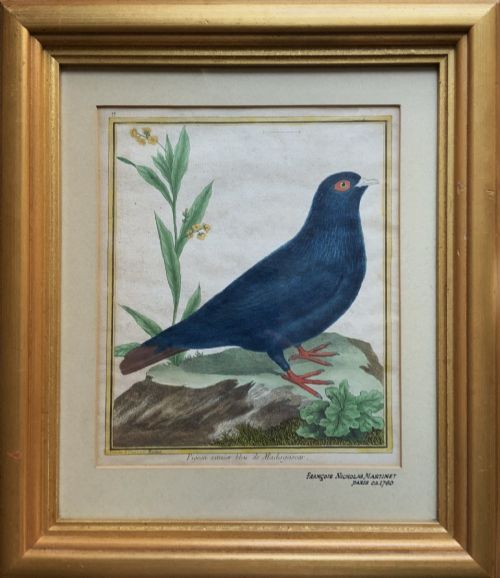
The selections span distinct periods, from Georgian hand-coloured engravings to Victorian natural history watercolours and mid-century studies. Common subjects range from British game birds and garden species to exotic parrots and tropical birds.
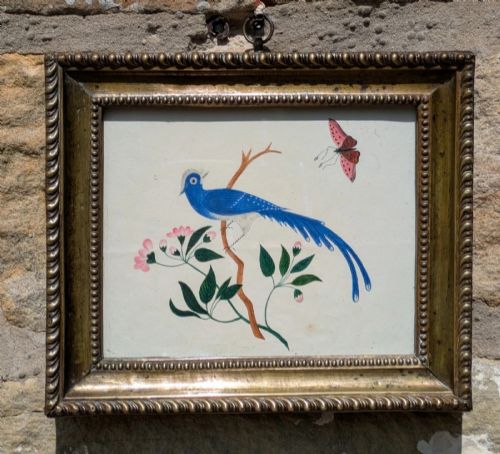
Framed works often arrive in period settings utilising ebonised frames, glass protection, and giltwood mounts. These pieces function historically as scientific records and presently as accomplished wall art for domestic interiors.
Materials and methods
Makers utilised high-quality paper as the primary surface for both delicate watercolours and printed plates. Artists applied ink and watercolour by hand, sometimes enhancing details with gold leaf or gouache to capture the vibrant plumage of birds.
Reproduction relied on copperplate engravings and lithography, which were subsequently hand-coloured with watercolour pigments. Finished works were secured behind glass within wood frames, frequently complemented by gilt or ebonised surrounds.
Antique Ornithological Art Retail Price Guide 2026
Typical asking prices for ornithological art among the pieces listed under this phrase on Sellingantiques today, from the lower quarter to the upper quarter. They describe what is for sale here now, not the wider market.
The materials documented across these items consist of paper, wood, glass, watercolour, gilt, ink, gold leaf, and gilt wood.
Determining quality in avian works
Quality rests upon the precision of the draughtsmanship and the accuracy of the anatomical rendering. Master artists captured the posture, feather texture, and distinct characteristics of each species with exceptional lifelike vitality.
The vibrancy of the original hand-colouring and the preservation of the paper surface influence the overall merit of a piece. Original framing, including period ebonised wood and giltwood mounts, further elevates the integrity of the artwork.
François-Nicolas Martinet·Samuel Dixon·George Edwards·William Andrews Nesfield·Harry Bright·Thomas Blinks·Arthur Wardle·William Swainson·Edward Lear·Stephen Elmer
The Antique Ornithological Art Glossary
- Engraving
- A printmaking technique where an artist cuts lines into a metal plate to hold ink. Impressions transferred to paper produce crisp, fine-lined illustrations.
- Lithography
- A planographic printing process utilising stone or metal plates. It allows for smooth tonal gradations and precise colour reproduction across multiple prints.
- Giltwood
- Wood carved and coated with gold leaf or a gold-coloured finish. It provides a reflective, ornate border for traditional frames.
- Ebonised
- Wood treated to resemble dense, black ebony. This dark finish frequently appears on nineteenth-century picture frames to contrast with bright watercolours.
- Watercolour
- A paint consisting of pigment suspended in a water-based solution. Artists applied translucent washes on paper to achieve delicate shading and luminosity.
Antique Ornithological Art: Frequently Asked Questions
How should I hang antique bird prints?
Keep these works out of direct sunlight to protect the fragile watercolours and hand-coloured inks on paper from fading over time.
Group uniform series together on neutral walls to recreate the scholarly aesthetic of historic study rooms.
Are these works original paintings or prints?
The selection includes both unique watercolours painted directly onto paper and original period engravings or lithographs that were hand-coloured.
Examine the surface closely under magnification to distinguish between flat printed ink lines and the layered washes of brush-applied paint.
How do I identify a Victorian bird study?
Victorian pieces frequently lean towards naturalism, depicting birds within detailed botanical or landscape settings rather than on plain backgrounds.
Common framing choices from this era include deep ebonised wooden frames paired with elaborate giltwood mounts.
What subjects are most common?
Illustrations span familiar garden birds, game fowl, and waterfowl alongside exotic subjects like macaws, parrots, and tropical species.
Many examples originate from comprehensive natural history volumes or dedicated portfolios produced during the eighteenth and nineteenth centuries.