


Antique Ornate Lamps
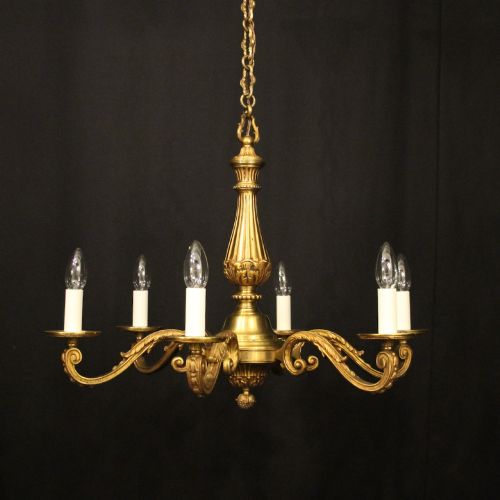
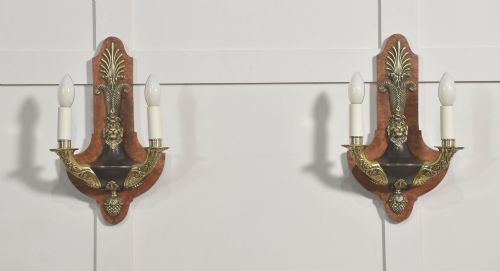
Antique ornate lamps bring heavy cast brass, coloured glass and gleaming gilt bronze into a room, offering functional illumination dressed in the rich vocabulary of Victorian, Edwardian and continental styles.
Antique Ornate Lamps
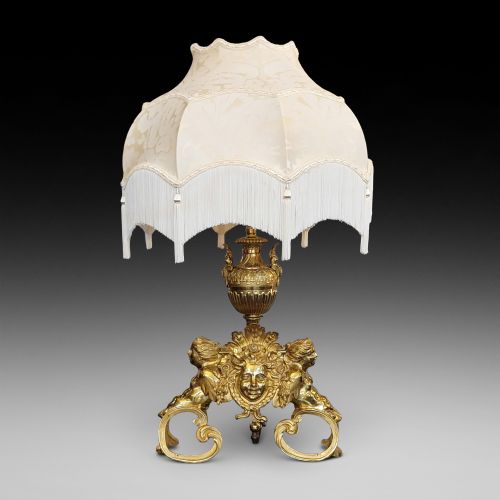
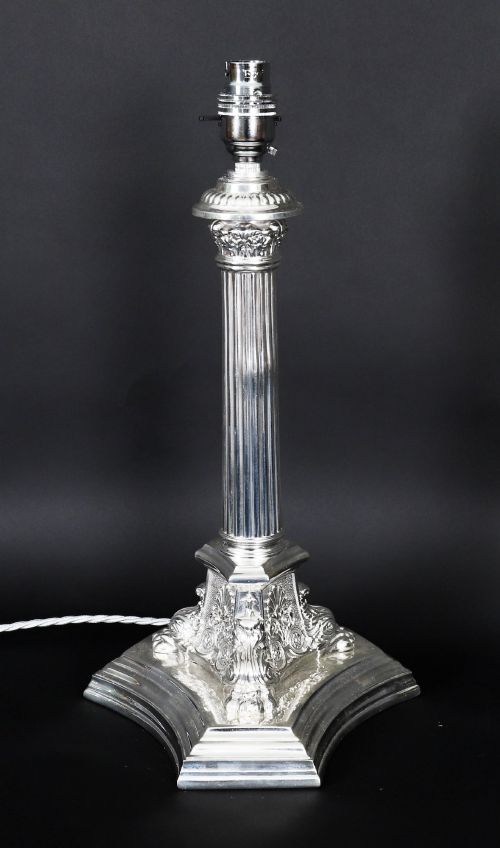
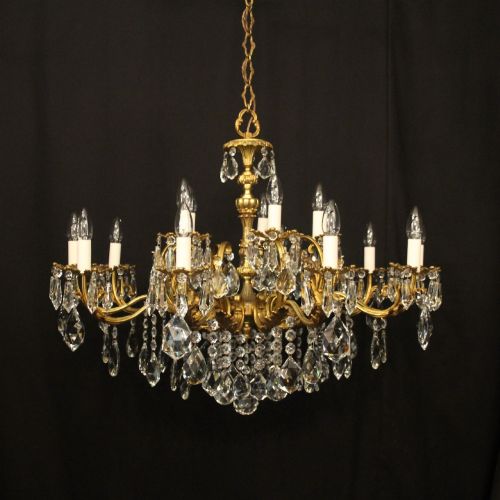
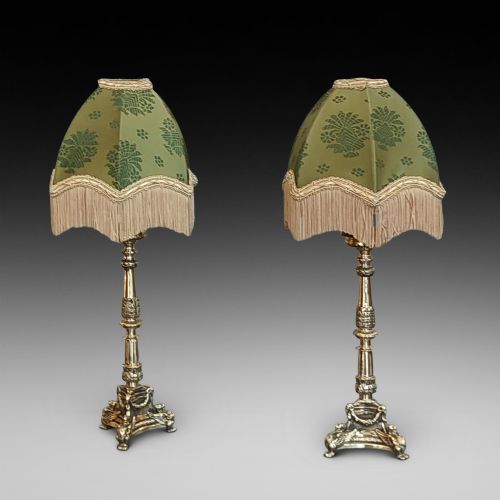
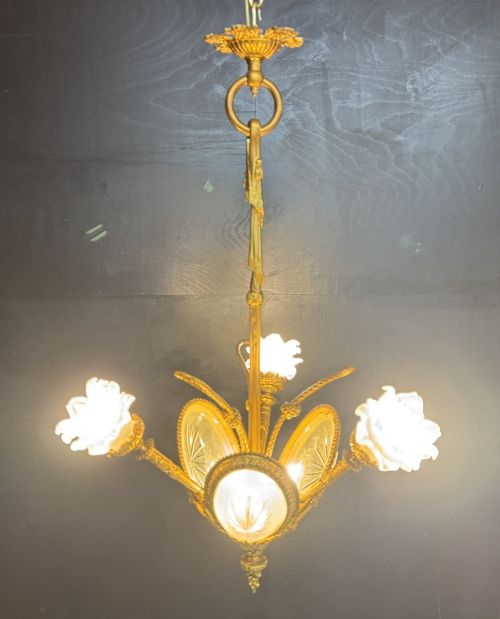
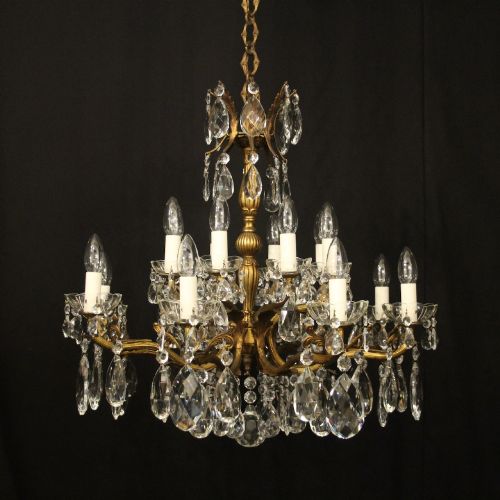
These pieces encompass table lamps, standard floor lamps, chandeliers and wall lights built across the nineteenth and early twentieth centuries. When searching for antique ornate lamps, buyers most frequently encounter standard brass table lamps and multi-light French chandeliers from the decades spanning eighteen-eighty to nineteen-twenty.
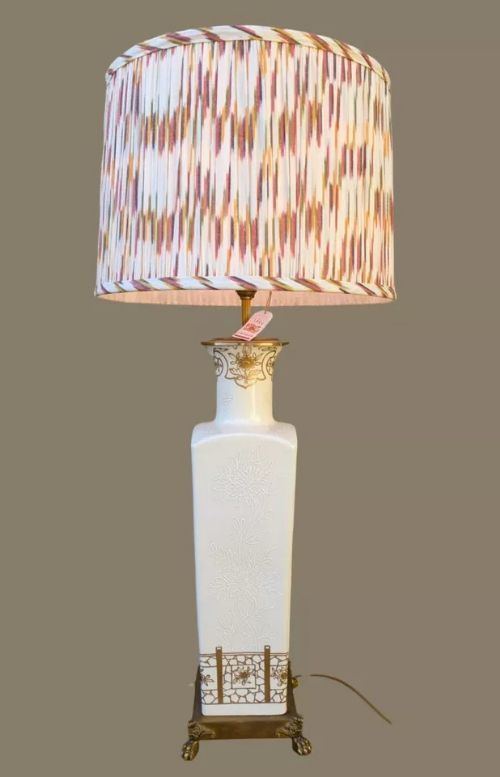
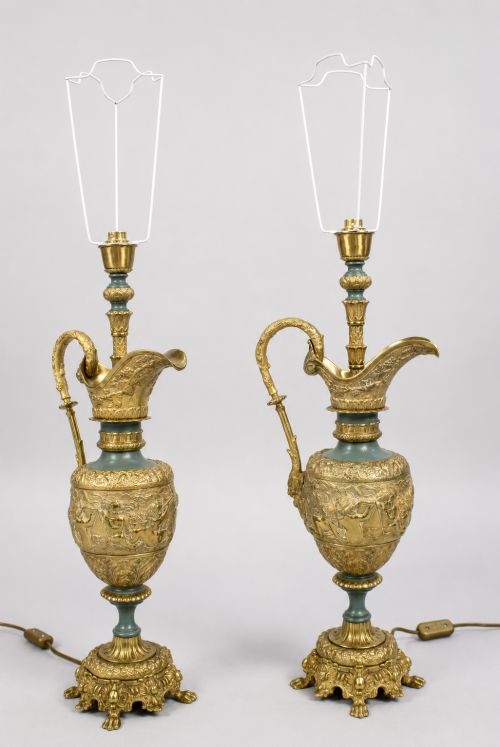
Makers often adapted earlier candlesticks, oil lamps and ewers into electrical fittings, merging functional utility with elaborate historical revival forms such as French Rococo, Neoclassical and Art Nouveau.
Materials and construction methods
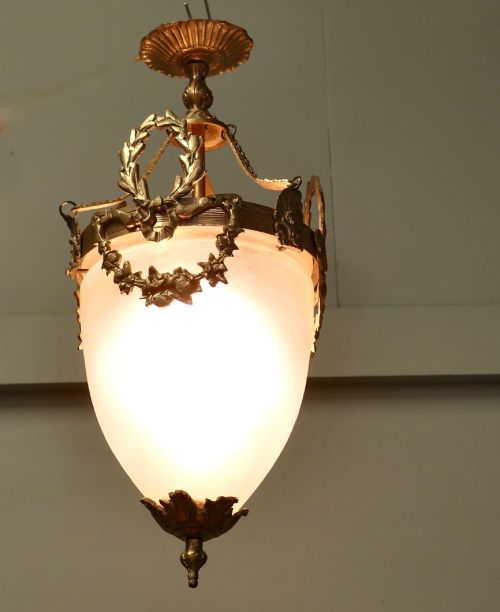
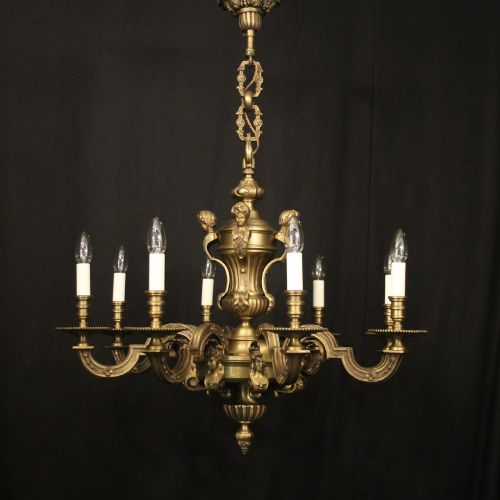
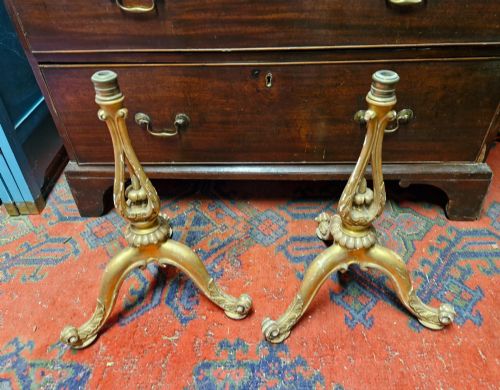
Foundry work relies heavily on cast brass, gilt bronze and gilded metals, shaped into heavy standards, ornate tripods and Corinthian columns. Glass components incorporate delicate cranberry glass, hand-painted porcelain and opaline reservoirs paired with fabric shades.
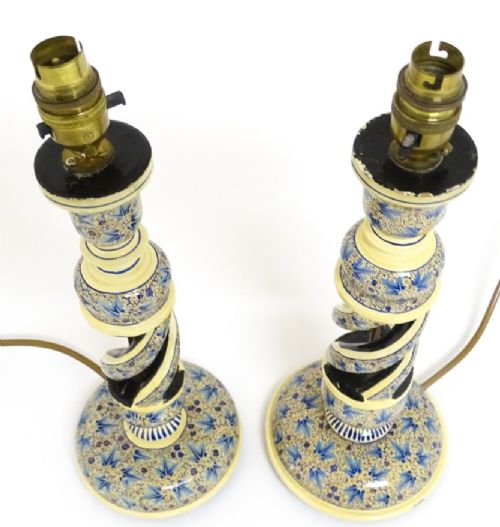
Cabinetmakers and metalworkers combined these metallic elements with onyx, marble and burr walnut bases, occasionally employing hand-painting techniques as seen on Kashmiri works.
Antique Ornate Lamps Retail Price Guide 2026
Typical asking prices for ornate lamps among the pieces listed under this phrase on Sellingantiques today, from the lower quarter to the upper quarter. They describe what is for sale here now, not the wider market.
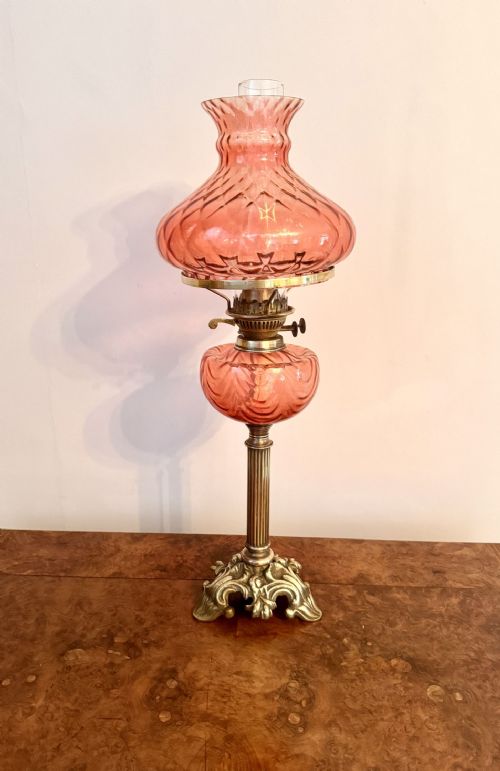
Wild and Wessel burner mechanisms lurk quietly among the brass standards, ready to remind you that your reading lamp once burned paraffin.
Assessing craftsmanship and finish
Superior examples demonstrate crisp chasing in cast bronze and brass, where ornamental details remain sharp rather than softened by worn moulds. The depth and integrity of gilding, alongside the weight and stability of the underlying base, separate standard production pieces from exceptional ones.
Integration of original components, such as matched glass fonts or intact patination on unpolished metal surfaces, elevates a piece above later adaptations or marriages of unrelated parts.
The Antique Ornate Lamps Glossary
- Cranberry glass
- A rich red-pink transparent glass created by adding gold chloride to the molten batch during production. This material frequently appears in late nineteenth-century oil lamp reservoirs.
- Gilt bronze
- An alloy of copper and zinc or tin coated with a fine layer of gold, often termed ormolu in French decorative arts. It provides a durable, radiant finish on nineteenth-century chandeliers and lamp bases.
- Pate sur pate
- A ceramic decorating technique where liquid clay is painted in successive layers onto a coloured body to create a low relief cameo effect. Pieces featuring this method often originate from French Neoclassical workshops.
- Opaline glass
- A pale, translucent white glass developed during the Victorian era to mimic porcelain. It diffuses light softly and is commonly found in period lamp shades and bodies.
- Corinthian column
- An architectural column order featuring an ornate capital decorated with acanthus leaves. Lamp standards carved or cast in this style emulate classical stone architecture in miniature.
Antique Ornate Lamps: Frequently Asked Questions
How do I wire an old lamp?
Rewiring requires feeding modern heat-resistant flex through the central channel of the metal standard or column, bypassing original burner mechanisms where necessary.
Qualified electricians should undertake this work to ensure earthing meets current domestic safety standards without damaging historical components.
Can oil lamps be converted?
Many period pieces began life as paraffin or oil burners before conversion to electricity during the twentieth century. This adaptation preserves the decorative brass font and column while updating the function for modern interiors.
Retaining the original burner assembly alongside modern bulb fittings maintains historical integrity.
How do I clean tarnished brass?
Gentle dusting with a soft dry cloth preserves the underlying patination and prevents the accumulation of grime on intricate cast ornaments.
Avoid abrasive metal polishes that strip away original gilding or lacquer finishes applied during the nineteenth or early twentieth centuries.
What styles are common here?
The selection draws heavily on Victorian, Edwardian, and French Neoclassical designs alongside Art Nouveau and Baroque revivals. Heavy brass standards and multi-light chandeliers dominate the continental offerings.
Regional variations include Anglo-Indian and Kashmiri pieces featuring hand-painted wooden or metallic bodies.