

Antique Ormolu Light Fixture
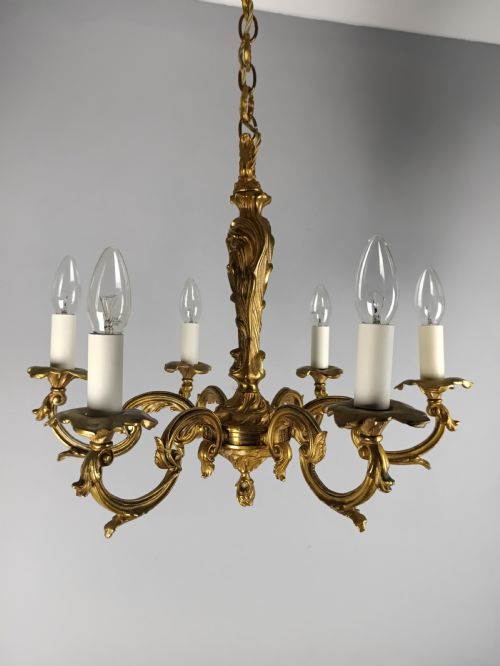
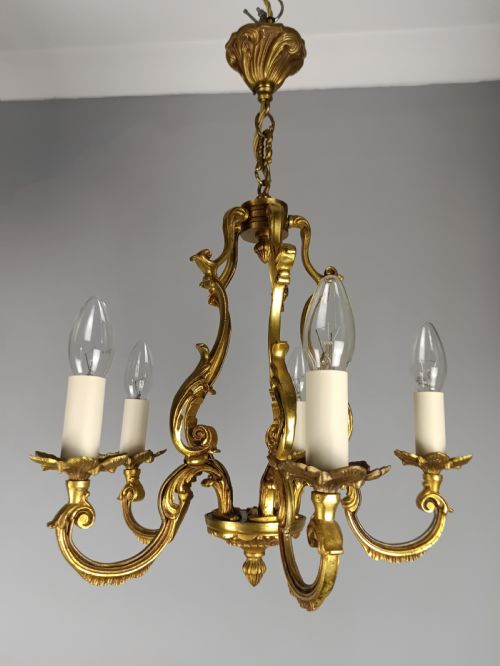
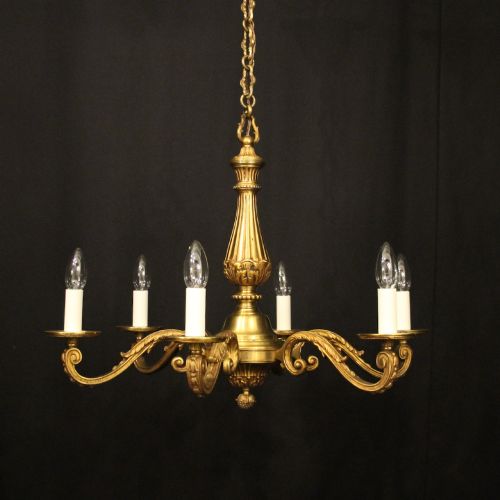
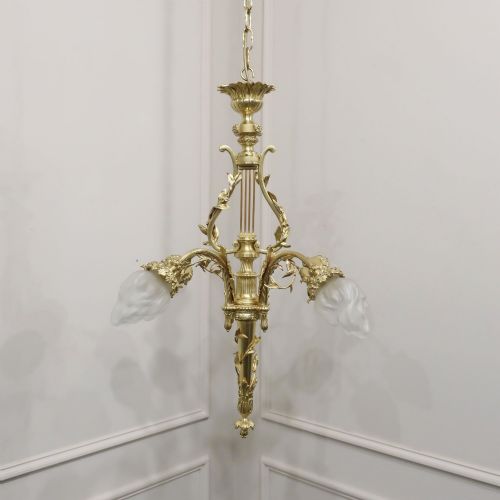
An antique ormolu light fixture brings warm, gilded metalwork and period illumination into a room, spanning styles from French Rococo to Empire.
Antique Ormolu Light Fixture
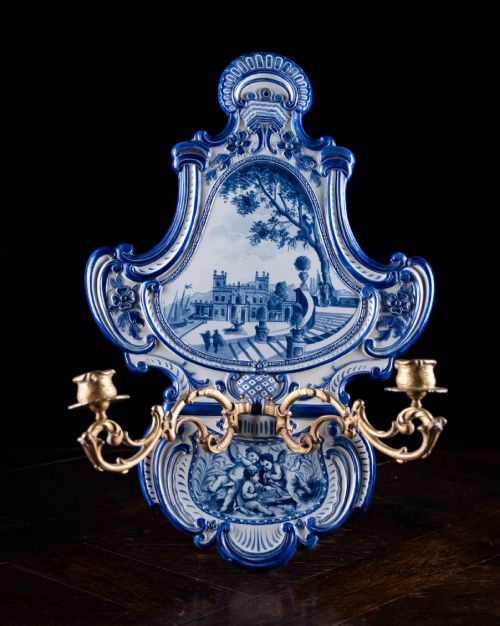
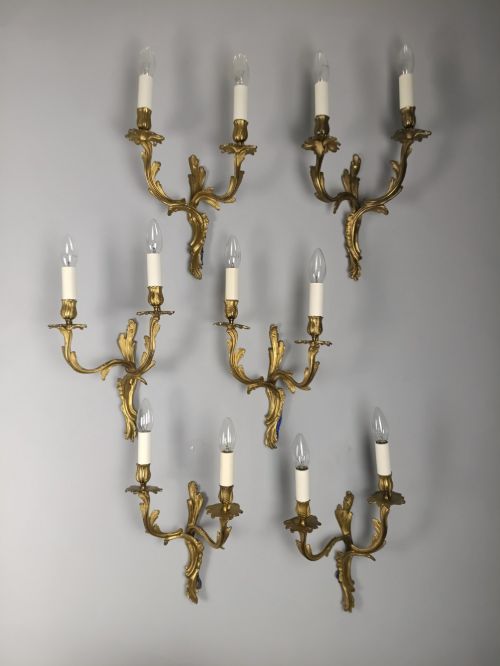
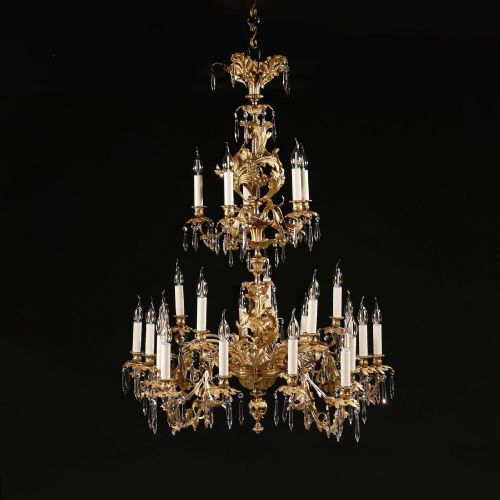
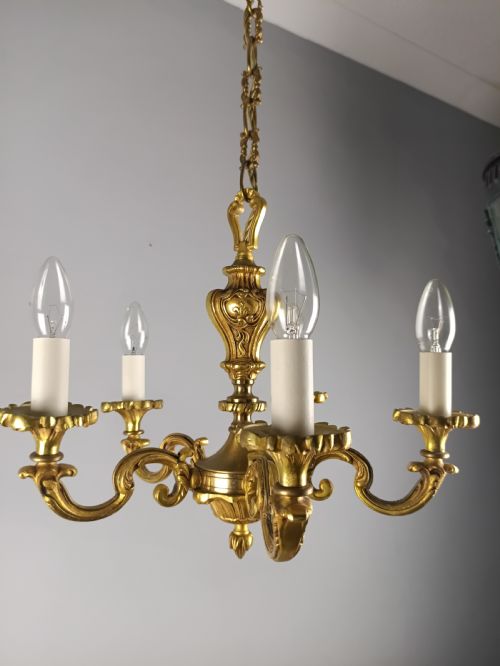
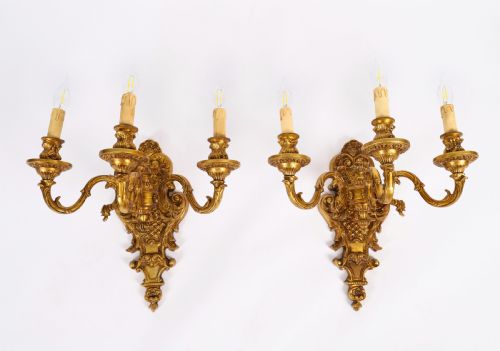
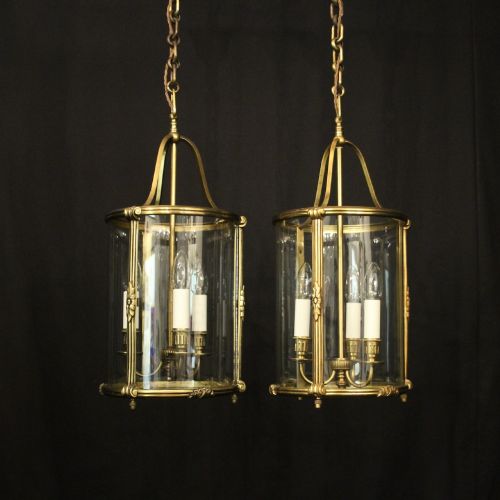
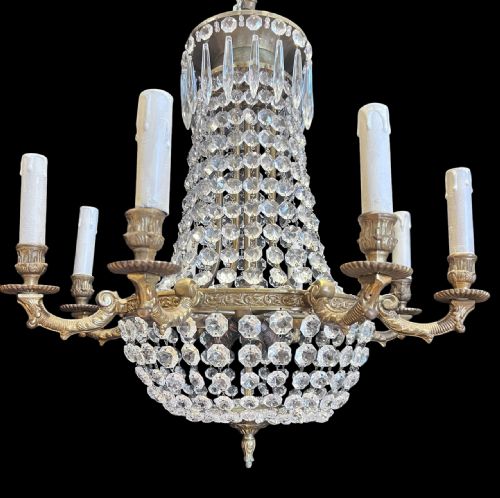
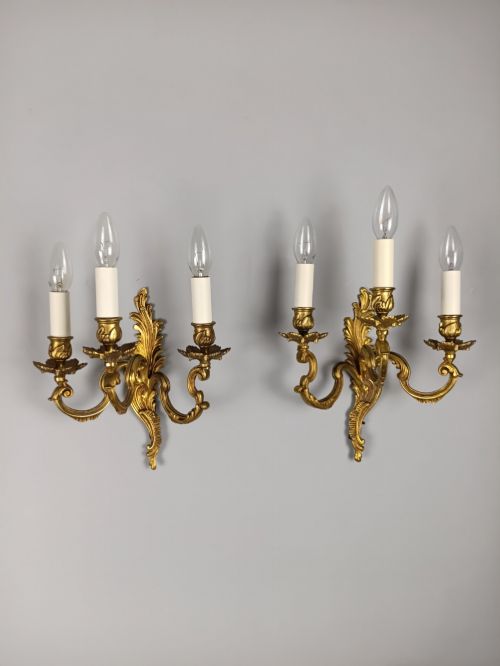
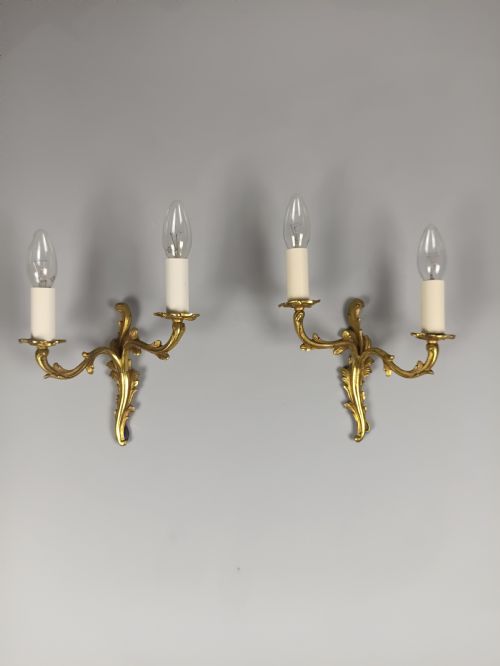
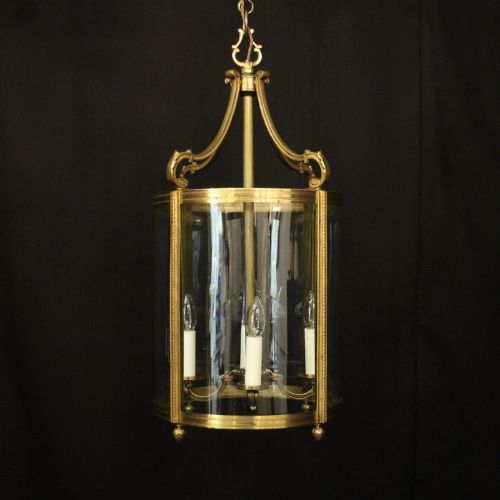
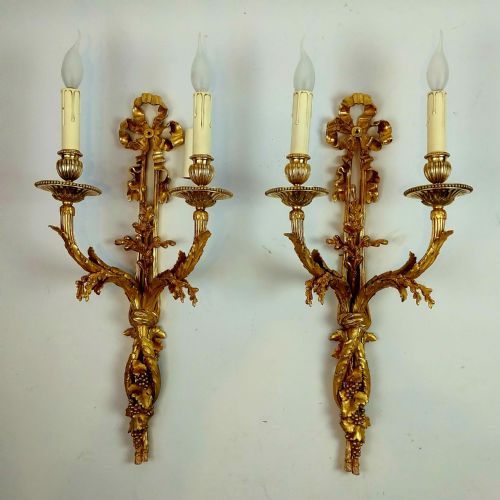
An antique ormolu light fixture is a decorative luminaire fashioned from gilded bronze, brass, or metal, often incorporating glass and crystal components. When buyers search for an antique ormolu light fixture, they encounter pieces ranging from large multi-armed chandeliers to pairs of wall sconces and hall lanterns.
The selections on this page are predominantly French in origin, drawing on stylistic traditions such as Louis XV Revival, Neoclassical, and French Chateau designs. These items date from the late nineteenth century through to the early decades of the twentieth century, encompassing the Victorian era as well as the 1880, 1890, 1900, 1910, 1920, and 1930 periods.
Chandeliers and wall lights form the core of the available types, appearing alongside table lamps and convex lanterns. Many pieces feature multiple light points, configured in single tiers, double tiers, birdcage frames, or tent and waterfall arrangements.
How they were made
The construction of these luminaires relies primarily on cast bronze or brass, finished with a layer of gold applied through traditional gilding techniques to create the characteristic ormolu surface. Metal mounts and frames are frequently embellished with cast details such as ram's head masks, foliage, and scrollwork.
Transparent elements like cut glass drops, crystal beads, and glass panels are integrated into the metal frames to refract and diffuse the illumination. Fabricated components are assembled mechanically with pins and screws, supporting configurations that hold anywhere from single bulbs to twenty-five lights.
Materials recorded across the inventory include gilt bronze, brass, ormolu, cut glass, and crystal.
What varies in quality
The standard of an antique ormolu light fixture depends on the crispness of the bronze casting and the depth of the subsequent chasing work. Finer examples display sharply defined ornamentation and well-finished joints where individual cast elements meet.
The preservation of the original gilt surface and the integration of high-grade cut glass or crystal drops also distinguish superior pieces. Structural integrity across larger multi-tiered chandeliers or heavy wall sconces reflects the underlying build standard of the workshop.
Villeroy and Boch
The Antique Ormolu Light Fixture Glossary
- Ormolu
- A method of applying finely ground high-carat gold to a bronze object, producing a rich golden finish that resists tarnishing. This technique was widely utilised in French decorative arts.
- Chandelier
- A branched ceiling-mounted lighting fixture designed to hold multiple lamps or candles. These fixtures often incorporate crystal drops or glass elements to enhance light reflection.
- Tent and waterfall
- A chandelier configuration featuring strings of crystal beads draped in a tent shape above a cascading cluster of drops. This design creates a layered silhouette.
- Gilt bronze
- Copper and tin alloy cast into decorative shapes and coated with gold leaf or a gold wash. It serves as the primary structural material for many nineteenth-century lighting pieces.
- Lyre
- A symmetrical U-shaped decorative motif resembling an ancient musical instrument. It frequently forms the central flat frame of Neoclassical wall lights and chandeliers.
Antique Ormolu Light Fixture: Frequently Asked Questions
Were these fixtures originally electrified?
Most pieces dating from the nineteenth century were initially designed for candles or burning oils such as colza. They were subsequently adapted for electric lighting during later renovations.
When living with these lights, it is advisable to have a qualified electrician inspect the internal wiring to ensure it meets modern safety standards. Original sockets and wiring are rarely preserved in working order.
How do I distinguish Rococo Revival from Neoclassical styles?
Rococo Revival pieces feature asymmetric curves, organic leaf motifs, and flowing scrollwork inspired by the reign of Louis XV. The overall aesthetic is fluid and dynamic.
Neoclassical designs lean towards symmetry, architectural restraint, and classical motifs such as urns, swags, and ram's head masks. Straight lines and balanced geometry govern the composition.
Where should I hang a multi-tier chandelier?
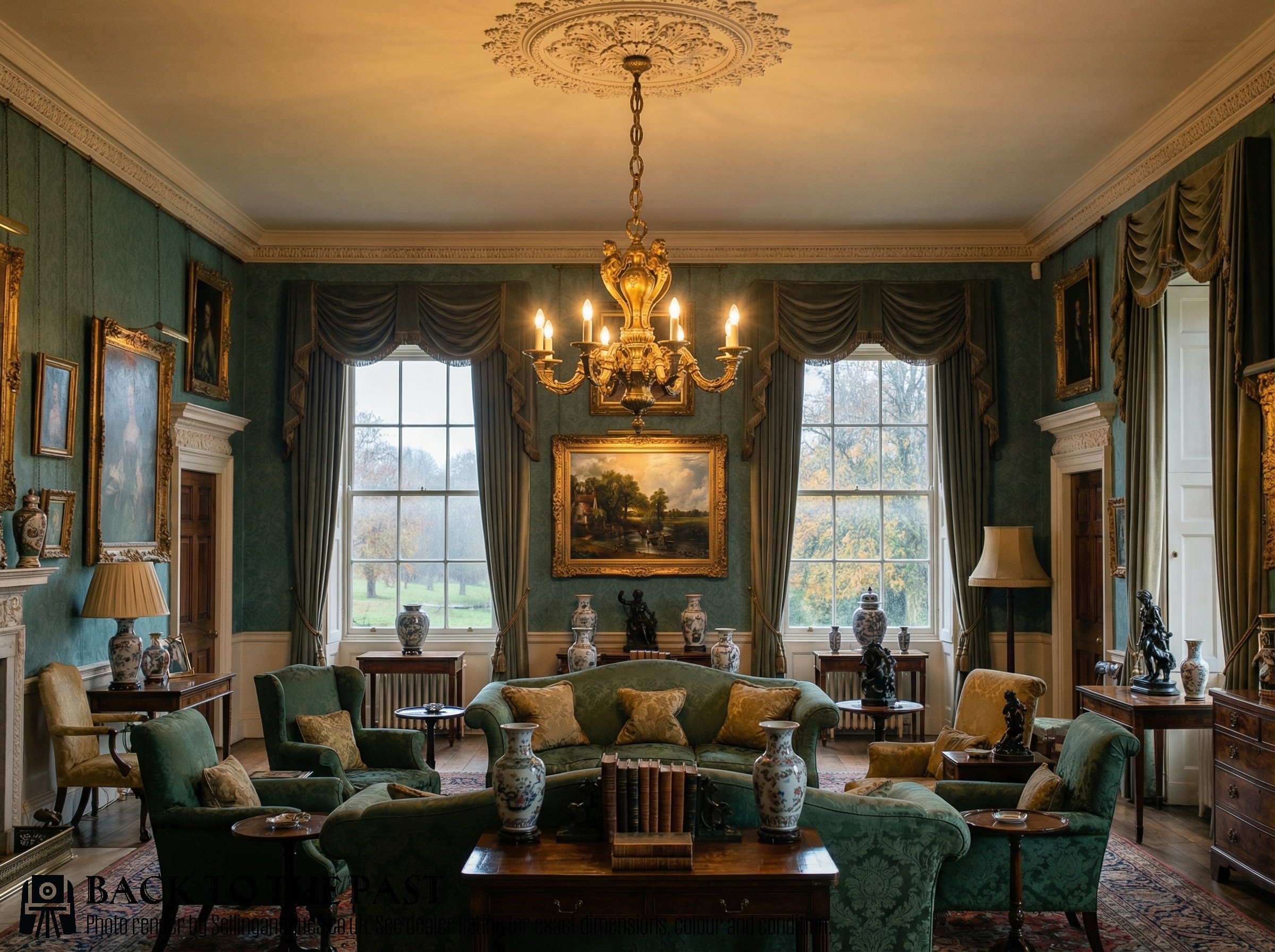
A large multi-tiered chandelier requires a high ceiling and adequate floor space to balance its physical presence and light output. Hallways, formal dining rooms, and high-ceilinged reception rooms provide suitable proportions.
Ensure the ceiling structure can support the combined weight of the bronze frame and crystal components before installation.