



Antique Oriental Artifact
These antique oriental artefact pieces range from ancient bronze mirrors to temple statues, offering collectors tangible fragments of Asian history.
Antique Oriental Artifact
An antique oriental artefact encompasses a diverse array of historical items originating from Asian cultures, spanning decorative objects and sculptures. Buyers searching for an antique oriental artefact frequently encounter items originating from Chinese dynasties, Southeast Asian temple traditions, and tribal workshops.
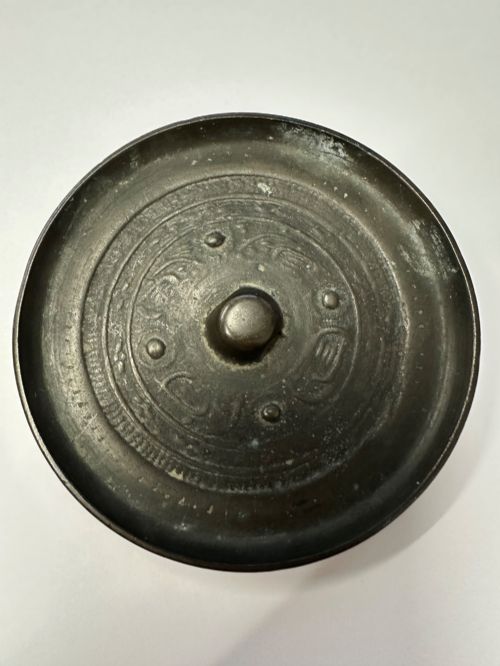
The material evidence on this page reveals forms ranging from ancient bronze mirrors and tripod censers to carved bone opium pipes and stone head rests. Terracotta tomb figures and gilt bronze Buddha statues also appear among the varied offerings.
Objects on this page bridge multiple eras, from pre-sixteenth century pieces like Han Dynasty style terracottas up to nineteenth-century Burmese temple statues and Victorian smoking accessories. Each category reflects specific cultural practices, religious devotion, or domestic customs of its period of origin.
Materials and methods
Metalworking techniques dominate the metallic pieces, utilising cast bronze, patinated metal, and silver repousse framing as seen on Yemeni tribal daggers. Gilt finishes and applied pigments add surface detail to figures and ritual vessels.
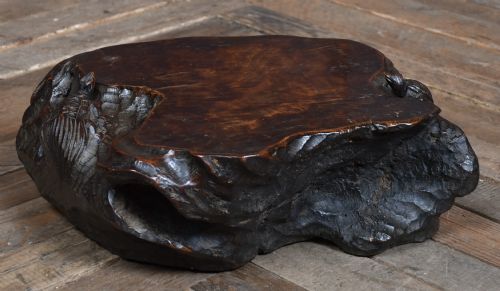
Organic materials receive intricate treatment, demonstrated by carved bone opium pipes and carved hard stone head rests. Wood carving paired with polychrome and pigment finishes brings depth to figures of deities.
Terracotta forming techniques shape early burial items, while marble and carved stone serve for larger sculptural works such as reclining Buddha temple statues.
Antique Oriental Artifact Retail Price Guide 2026
Typical asking prices for oriental artifact among the pieces listed under this phrase on Sellingantiques today, from the lower quarter to the upper quarter. They describe what is for sale here now, not the wider market.
Materials documented across the listings include cast bronze, carved bone, silver, terracotta, and polychromed wood.
Factors of quality
The refinement of carving and casting separates superior examples from simpler pieces. Crisp detail in bronze dragon motifs or delicate linework on carved bone indicates higher skill levels from the maker.
Surface preservation significantly influences the character of each piece. Original patination, remaining pigment, and authentic gilding retain the visual integrity intended by the original creators.
The Antique Oriental Artifact Glossary
- Censer
- A vessel used for burning incense during rituals or domestic ceremonies. These often feature tripod legs and ornate lids shaped like dragons or phoenixes.
- Repousse
- A metalworking technique where the metal is hammered from the reverse side to form a raised design in relief. This method appears on tribal dagger frames.
- Mingqi
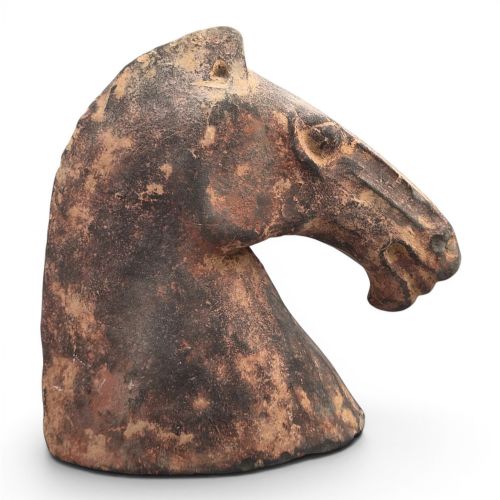
- Burial goods placed in tombs during Chinese dynasties to accompany the deceased into the afterlife. Terracotta horse heads are typical examples of this tradition.
- Polychrome
- The practice of decorating architectural elements or sculpture in a variety of colours. Pigments are applied directly to carved wood or terracotta surfaces.
- Guanyin
- A bodhisattva associated with compassion, frequently depicted in Chinese art. Carvings in bone or wood often represent this revered figure.
Antique Oriental Artifact: Frequently Asked Questions
What is an antique oriental artifact?
An antique oriental artefact is a historical object originating from Asian regions, encompassing sculptures, ritual vessels, and decorative items. These pieces span multiple centuries and cultural traditions.
They reflect the artistic, religious, and domestic practices of societies across Asia, utilising materials such as bronze, terracotta, carved bone, and marble.
How were bronze censers used?
Bronze censers served as ritual vessels for burning aromatic incense in temples or domestic settings. Their tripod designs provided stability on altars.
Lids often incorporated mythological creatures like dragons and phoenixes, holding symbolic meanings within traditional Asian iconography.
What are Mingqi tomb figures?
Mingqi are funerary objects placed inside ancient Chinese tombs to serve the deceased in the afterlife. They include terracotta figures of animals and attendants.
These artefacts offer archaeologists and collectors direct insight into the burial customs and daily life of ancient dynasties.