



Antique Optical Case
These antique optical case pieces are fitted housings for precision lenses and instruments, prized for their fine timber boxes and tactile brass engineering.
Antique Optical Case
An antique optical case protects delicate scientific apparatus such as microscopes, test glass kits, and magnifying lenses. Buyers seeking this phrase encounter sturdy timber boxes alongside fitted brass instruments designed for scientific and medical use.
The selections span the eighteenth century through to the mid-twentieth century, encompassing Victorian and Edwardian examples. Most items originate from established British scientific instrument makers working in London and regional hubs.
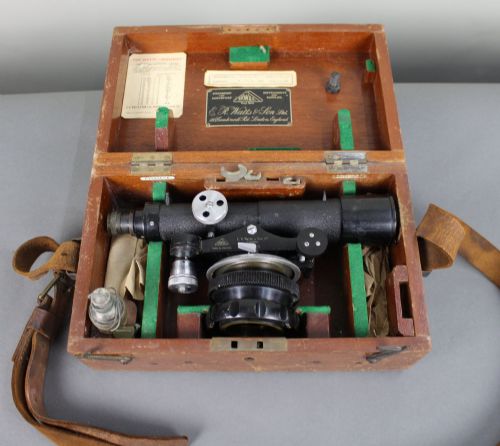
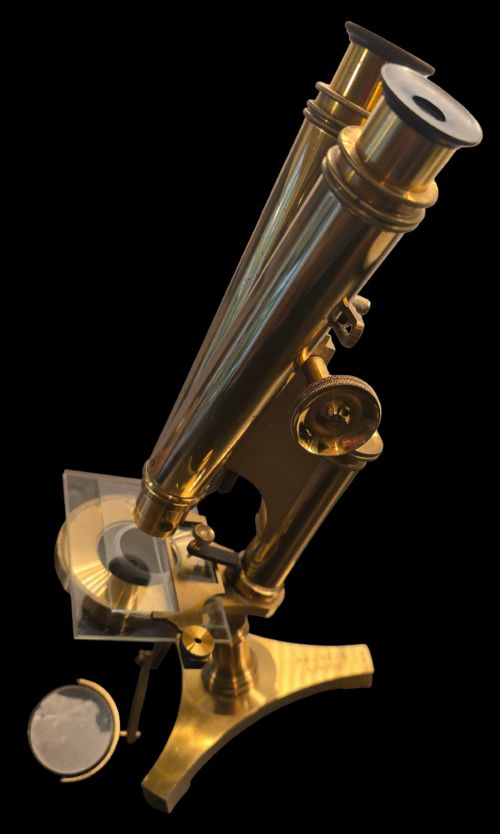
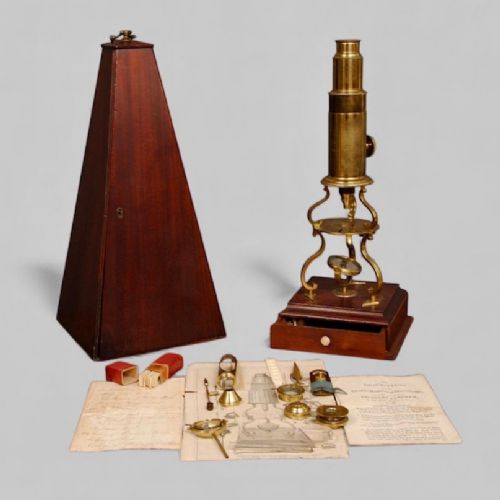
Form follows function closely, resulting in everything from desk magnifiers in celluloid cases to elaborate mahogany boxes housing binocular microscopes and optometrist lens sets. These pieces reflect the rigorous scientific pursuits of their respective eras.
Materials and construction methods
Cabinetmakers constructed the protective housings primarily from solid mahogany and other seasoned woods, often incorporating brass hinges, locks, and inset carrying handles. These boxes demand precise joinery to ensure the delicate glass and brass contents remain secure during transit.
The optical instruments and lenses utilise turned brass, clear glass, and occasionally steel or paper elements. Makers polished the metal components to a high finish and fitted the interior compartments with velvet, leather, or paper linings tailored to each instrument.
Antique Optical Case Retail Price Guide 2026
Typical asking prices for optical case among the pieces listed under this phrase on Sellingantiques today, from the lower quarter to the upper quarter. They describe what is for sale here now, not the wider market.
Judging quality and craftsmanship
Quality rests upon the precision of the mechanical engineering and the integrity of the original housing. Superior examples feature crisp maker signatures, smooth focusing mechanisms, and robust timber boxes that retain their original fitted interiors.
The distinction between standard utility items and finer pieces lies in the choice of materials and the complexity of the instrument. Elaborate binocular configurations and comprehensive optometrist examination sets demonstrate a higher tier of period craftsmanship.
E.R. Watts & Son Ltd·R. & J. Beck London·H Hughes & Son London·Swift & Son·Chadburn Brothers of Sheffield·Francis West·CW Dixey London·WF STANLEY
The Antique Optical Case Glossary
- Binocular microscope
- A microscope utilising two eyepieces for viewing specimens with both eyes. This arrangement reduces eye strain during prolonged examination.
- Test glass kit
- A collection of graduated lenses utilised by opticians to determine corrective prescriptions. These kits are typically housed in fitted wooden cabinets with individual slots for each lens.
- Stanhope lens
- A small cylindrical magnifying glass offering high magnification without requiring complex focusing adjustments. It is named after the inventor, the third Earl Stanhope.
- Campaign telescope
- A portable telescope designed for field use, often featuring multiple draw tubes that collapse into a compact size. They were frequently constructed with protective leather or brass barrels.
Antique Optical Case: Frequently Asked Questions
What is inside an antique optical case?
These housings contain scientific and medical apparatus such as microscopes, telescopes, magnifying glasses, and optician lens kits.
Each instrument is secured within a fitted interior designed to protect delicate brass and glass components from damage.
How are these optical cases dated?
Dating relies upon maker signatures, style of lettering, brass hardware design, and the specific timber used in the cabinet construction.
Makers often stamped their names and trading addresses directly onto the brass barrels or incorporated paper trade labels inside the box lid.
How do you maintain the wood and brass?
Maintain the timber housing with traditional furniture wax applied sparingly to preserve the polished finish. Clean brass components gently with a dry or very slightly damp cloth to avoid disturbing historic patina.
Keep the items away from direct sunlight and excessive moisture to protect internal velvet or paper linings.
Were these cases used in medicine?
Many of these sets served medical and scientific professionals, including optometrists and physicians examining patients or specimens.
Other pieces were produced for navigation, surveying, and general scientific inquiry during the Victorian and Edwardian periods.