



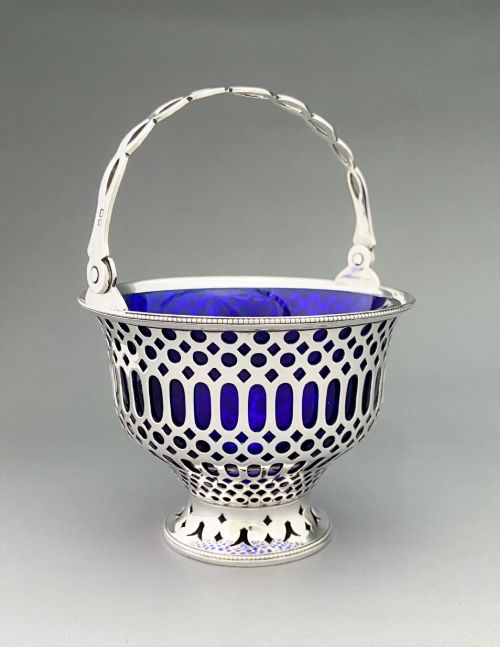

Antique Openwork Silver
These pieces of antique openwork silver combine structural metalwork with negative space, offering intricate decorative patterns that catch the eye on tables and in jewellery collections.
Antique Openwork Silver
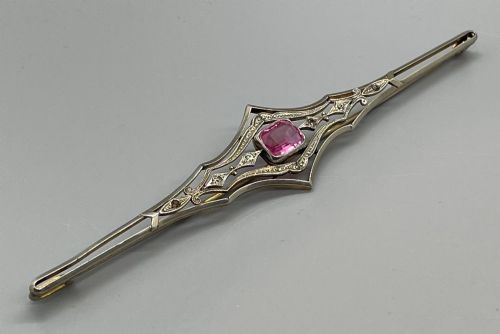
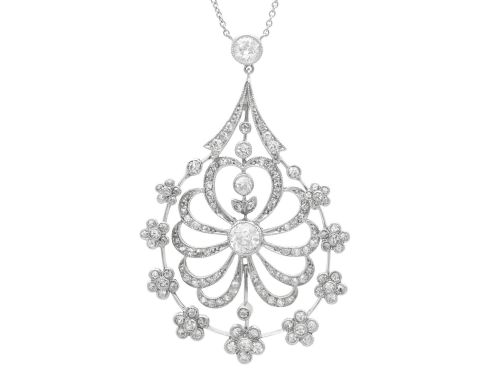
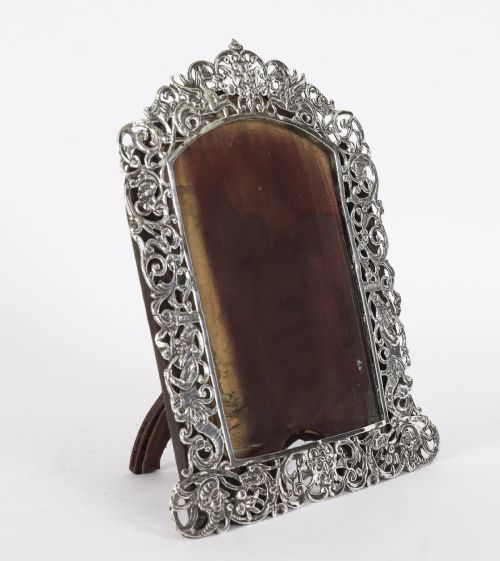
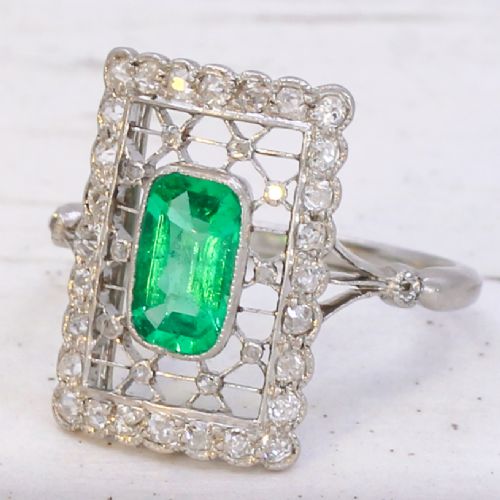
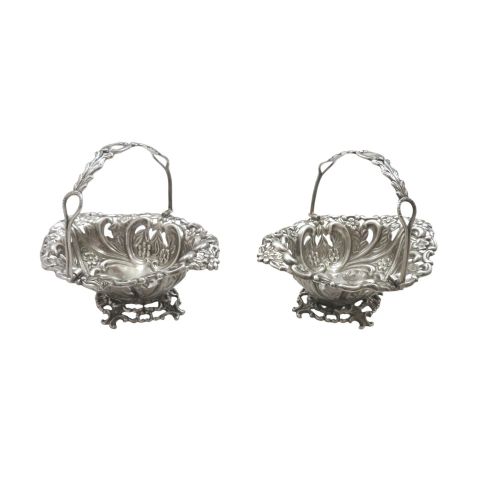
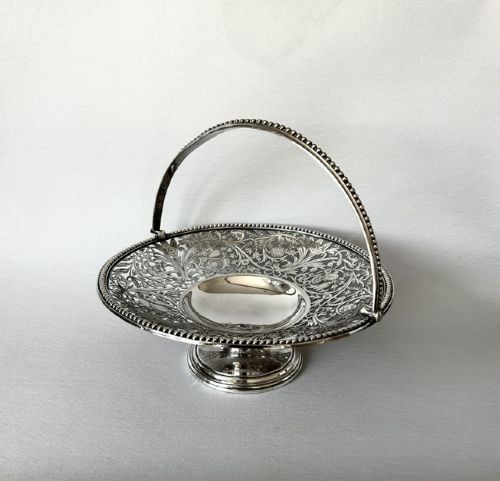
Antique openwork silver encompasses decorative objects, tableware, and jewellery where metal is pierced, cut, or cast into intricate patterns that create open spaces within the design. Pieces appearing in this selection range from Victorian serving dishes and Edwardian fruit baskets to diamond pendants, rings, and brooches.
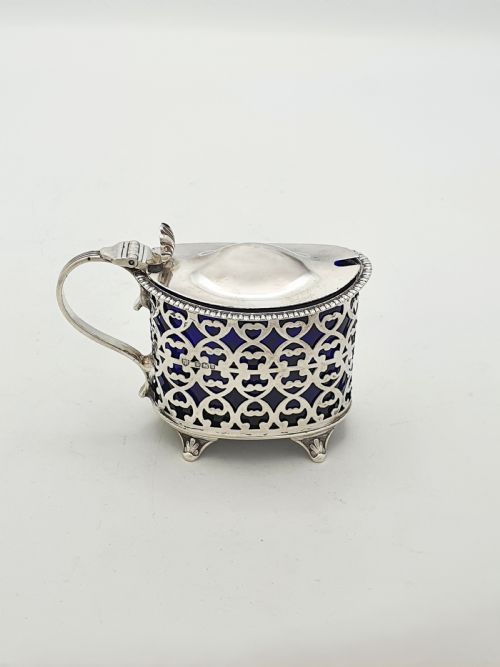
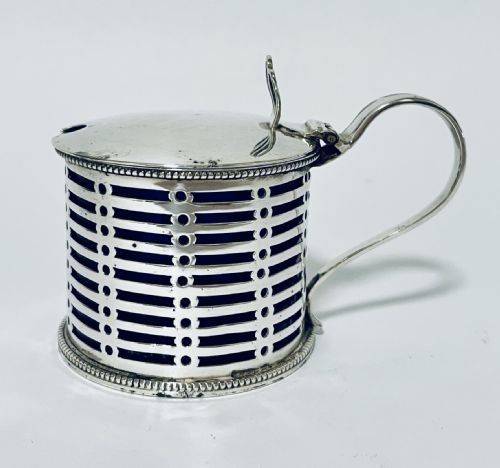
The term bridges functional domestic items and personal ornamentation, spanning small mustard pots and belt buckles alongside larger bowls and decorative baskets. Makers across the nineteenth and early twentieth centuries applied these pierced and lattice techniques to silver, sterling silver, and silver plate.
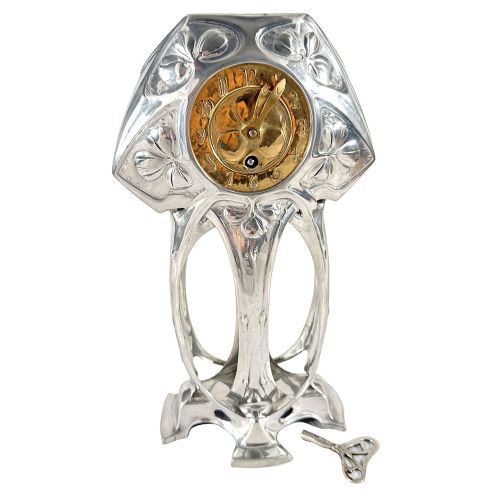
Buyers searching for antique openwork silver will encounter various stylistic influences, including the flowing lines of Art Nouveau, the hand-wrought aesthetic of Arts and Crafts, and traditional Dutch patterns. Many examples incorporate gemstones such as diamonds, sapphires, emeralds, and paste alongside pearls and glass.
Materials and technique
Silversmiths and jewellers utilised sterling silver, silver plate, gold, and platinum as foundational metals, frequently pairing them with diamonds, paste, turquoise, and glass liners for bowls and baskets. The primary technique relied on piercing the metal sheet or casting intricate openwork patterns by hand.
Artisans also integrated secondary materials like enamel and pearls, particularly in bangles, brooches, and pendants originating from continental Europe and Britain. Construction methods varied from hand-pierced silver lattices on mustard pots to complex multi-stone settings mounted over silver and gold backings.
Antique Openwork Silver Retail Price Guide 2026
Typical asking prices for openwork silver among the pieces listed under this phrase on Sellingantiques today, from the lower quarter to the upper quarter. They describe what is for sale here now, not the wider market.
Materials span sterling silver, silver plate, gold, platinum, diamonds, glass, pearls, and paste.
What distinguishes quality
Quality in these items rests upon the precision of the piercing and the crispness of the cast decorative motifs, distinguishing hand-finished work from mass production. The integration of supporting elements, such as fitted glass liners in bowls and secure gemstone settings in jewellery, demonstrates the maker's competence.
The prominence of recognised workshops and the complexity of the design, whether an elaborate floral basket or a multi-stone lavaliere pendant, elevate the standing of individual pieces within their respective periods.
Rosenthal Jacob And Co·Friedrich Adler for Osiris·Rhoda Wager·WH Haseler for Liberty And Co·William Hutton And Sons·Martin Hall·Amy Sandheim·Josiah Williams And Co
The Antique Openwork Silver Glossary
- Piercing
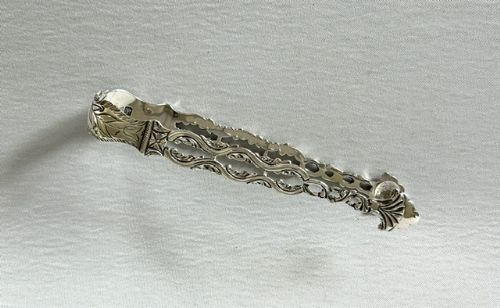
- A metalsmithing technique involving the cutting away of metal sections to create openwork patterns and negative space. This method defines much of the ornamentation on baskets, mustard pots, and dishes.
- Lavaliere
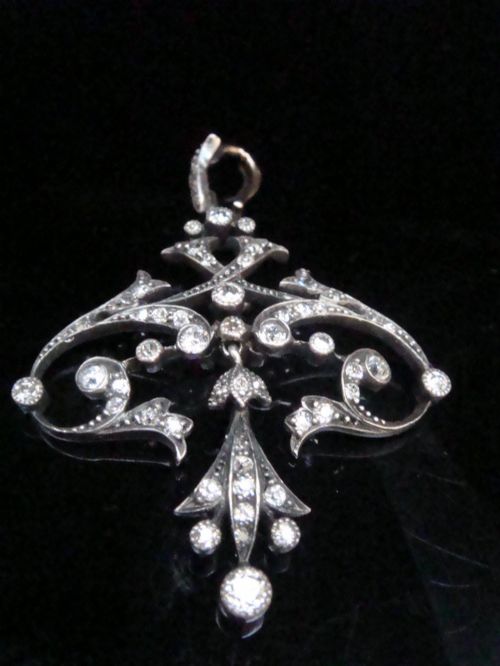
- A pendant featuring a central drop stone or ornament suspended from a necklace. Edwardian examples often pair this form with openwork silver and diamonds.
- Quaich
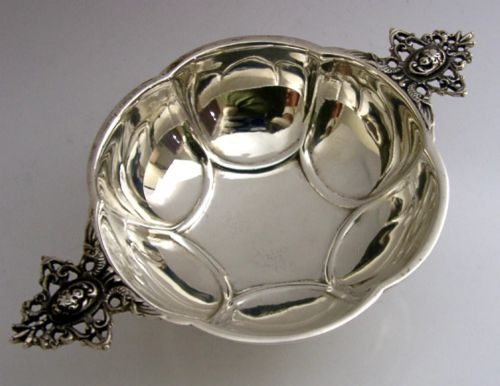
- A traditional two-handled drinking vessel of Scottish origin. These bowls occasionally appear in solid silver with handles suited for barware.
- Paste
- Hand-cut glass used as an affordable substitute for gemstones in antique jewellery. It appears frequently in Georgian and Victorian silver and gold pendants and brooches.
- Bonbon dish
- A small decorative bowl intended for holding sweets or small confectionery. They are frequently encountered in Victorian sterling silver with pierced rims.
Antique Openwork Silver: Frequently Asked Questions
How do I clean antique openwork silver?
Clean delicate pierced silver gently using a soft brush and mild soapy water to avoid damaging intricate lattice patterns or lodging polish in recessed areas.
Dry the item thoroughly with a microfiber cloth immediately afterwards to preserve the finish on sterling silver and silver plate.
Can I wear antique openwork silver jewellery daily?
Wear these items with care, particularly delicate Edwardian lavaliere pendants, Arts and Crafts brooches, and old-cut diamond rings, to prevent catching the open metalwork on clothing.
Store pieces individually in padded boxes when not being worn to protect fragile settings and stones like emeralds and opals.
What periods do these pieces come from?
The inventory spans the Georgian era, the nineteenth century, and the Edwardian period, encompassing Victorian, Arts and Crafts, and Art Nouveau styles.
Dates recorded across the items range from the eighteenth century through the early decades of the twentieth century.
How were silver baskets used originally?
Silver fruit baskets and decorative bowls served as dining table centrepieces for presenting fruit, sweets, or bread during formal meals.
Many larger examples included original glass liners to protect the pierced silver metal from moisture and food acids.