



Antique Onyx Column
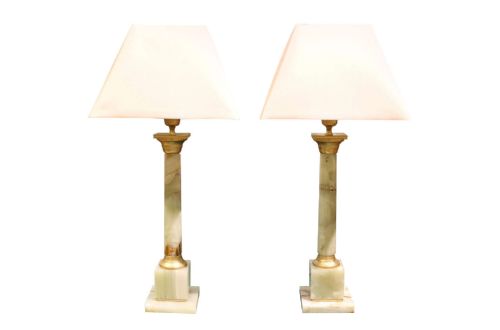
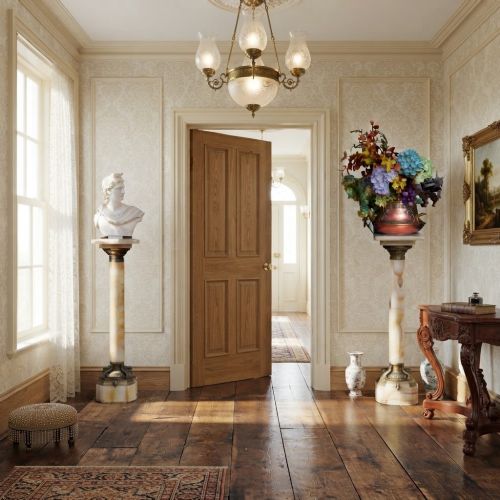
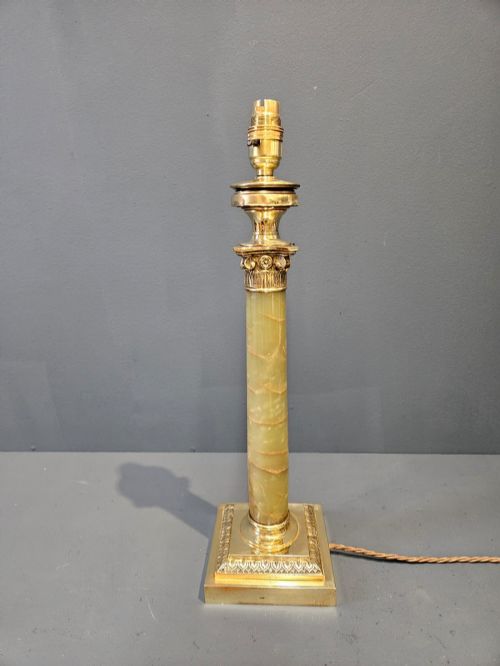
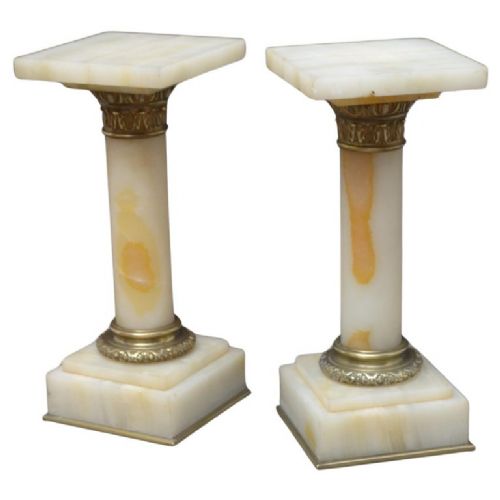
An antique onyx column brings mineral weight and classical line to a room, functioning as a pedestal, torchere or lamp base.
Antique Onyx Column
An antique onyx column appears in domestic interiors through several distinct nineteenth and twentieth-century forms, ranging from tall display pedestals and torchere columns to functional lighting and small tables. The materials recorded across these pieces combine banded stone shafts with cast metals, creating substantial architectural items suited to period settings.
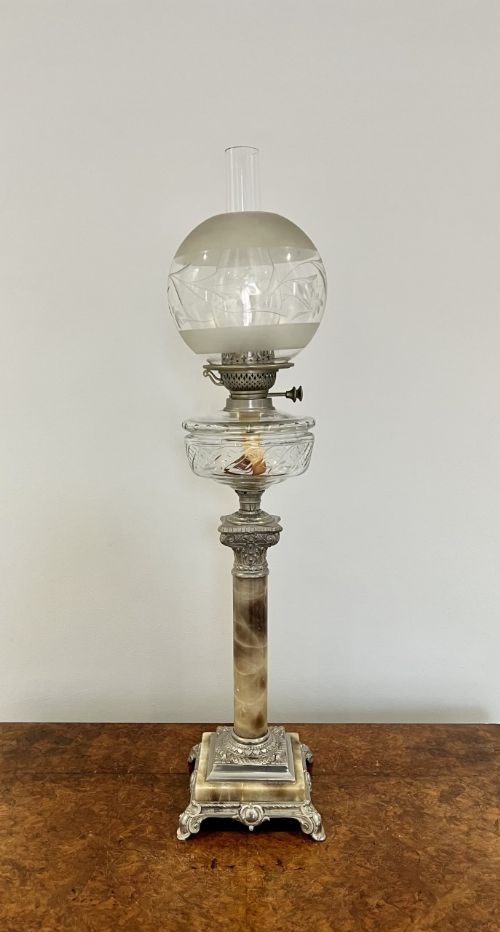
Buyers encountering this selection most frequently meet freestanding display columns, table lamps, and oil lamps that utilise the stone for its decorative figuring. Smaller items such as wine tables, plant stands and clock garnitures also incorporate the characteristic column form within Victorian, Edwardian and Neoclassical vocabularies.
How they were made
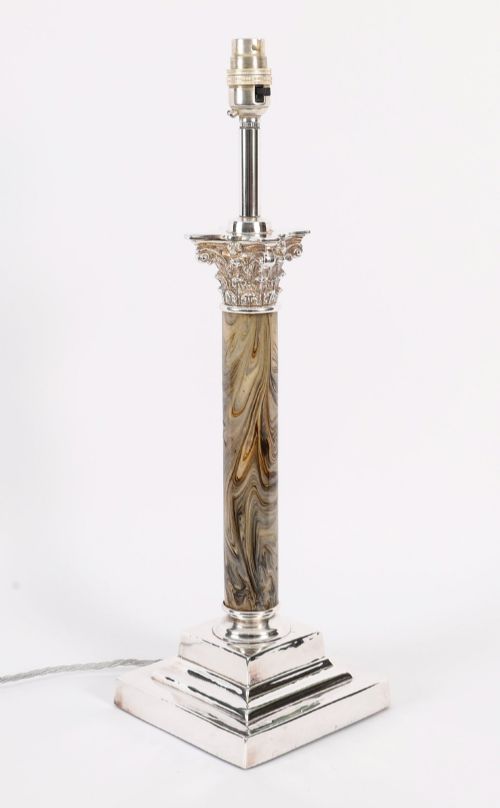
The construction of an antique onyx column relies on turning and shaping natural stone shafts, which are then integrated with cast mounts in brass, ormolu, gilt bronze or silver plate. Metal components such as Corinthian capitals, collars and bases are secured to the stone core using threaded rods or internal fixings.
Decorative detailing on the metal mounts involves chasing, chiseled work and moulding, particularly within French Chateau, Louis XVI Revival and Neoclassical styles. Fabric elements appear solely on associated lighting shades rather than the primary stone and metal structure.
Antique Onyx Column Retail Price Guide 2026
Typical asking prices for onyx column among the pieces listed under this phrase on Sellingantiques today, from the lower quarter to the upper quarter. They describe what is for sale here now, not the wider market.
Materials recorded across the inventory include onyx, brass, marble, ormolu, gilt bronze, silver plate, fabric, and metal.
What varies in quality
Quality in an antique onyx column rests upon the depth of figuring in the stone and the crispness of the cast metal mounts. Finer examples display harmonious banding within the onyx alongside finely chased ormolu or brass collars rather than plain cast substitutes.
The architectural proportion of the shaft relative to its base distinguishes superior turning and design. Pieces that integrate decorative flower mouldings or structural elements like Corinthian capitals with precision demonstrate a higher standard of workshop execution.
The Antique Onyx Column Glossary
- Onyx
- A banded variety of chalcedony or calcite used for ornamental columns and pedestals. Its natural translucent layers provide the distinctive decorative surface seen on these pieces.
- Ormolu
- Gilded bronze applied as mounts, capitals and collars on stone columns. This technique creates a rich contrast against the polished surface of the onyx.
- Torchere
- A tall stand or pedestal designed to support a light or decorative object. In these listings, torchere columns serve as elevated display surfaces.
- Corinthian
- An architectural order featuring ornate capitals decorated with acanthus leaves. This classical motif frequently tops brass and silver-plated columns on lamps.
- Neoclassical
- A style drawing inspiration from classical antiquity, marked by symmetry and restrained ornament. Many pedestals and columns on this page adopt this architectural vocabulary.
Antique Onyx Column: Frequently Asked Questions
What is an antique onyx column used for?
These pieces serve primarily as display pedestals for sculpture and decorative objects, or as structural shafts for table lamps and standard lamps. Their sturdy mineral construction allows them to function as plant stands, wine tables and torchere supports.
In period interiors, they provide height and classical proportion to corners or empty spaces. Their decorative presence relies on the natural figuring of the stone combined with metal mounts.
How do I date an antique onyx column?
Dating relies on stylistic clues, mounting techniques, and material combinations recorded across the Victorian, Edwardian and later twentieth-century periods. Neoclassical revival pieces often feature cast ormolu collars and chiseled brass work typical of the nineteenth century.
Later items from the 1920s and 1930s introduce simplified forms such as two-tier plant stands and standard lamps. Comparing the metal casting style with known period manufacturing helps narrow the decade of production.
Are onyx columns fragile?
Onyx is a relatively soft stone compared to granite, meaning it can scratch or chip if subjected to sharp impacts. The weight of the stone also requires stable placement on level flooring to prevent tipping.
Metal components such as brass or ormolu collars help secure joints, but care is needed when moving taller pedestals or columns. Regular dusting with a soft cloth preserves the polished surface without abrasive cleaners.
What is the difference between marble and onyx columns?
While both materials appear in classical columns, true onyx displays distinctive translucent banding formed by mineral deposits over time. Marble generally shows crystalline structure and veining rather than the layered translucency characteristic of onyx.
Many antique pieces combine both stones, pairing marble bases with onyx shafts or incorporating brass and gilt bronze mounts across both mineral types.