


Antique Officer Portrait Artwork
These works capture the dignity and service of military leaders through centuries of portraiture.
Antique Officer Portrait Artwork
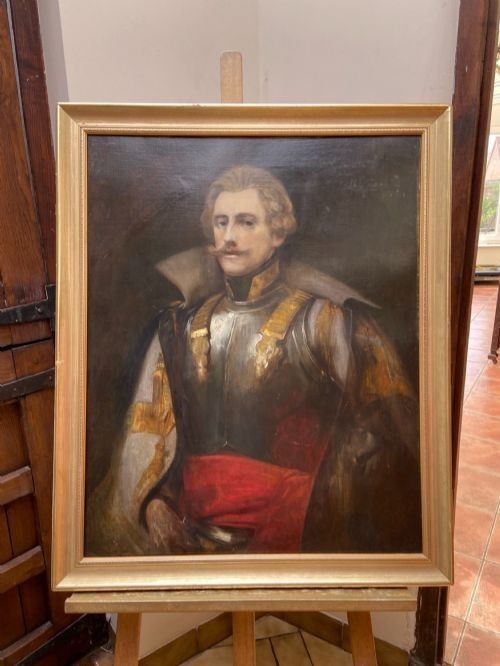
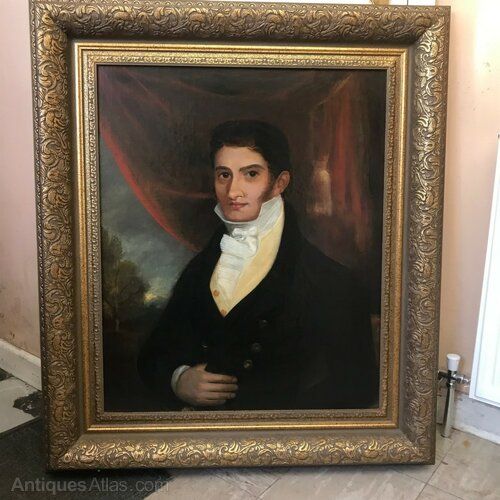
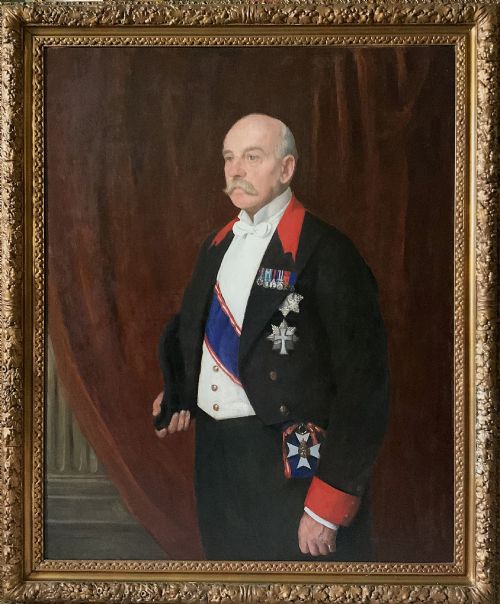
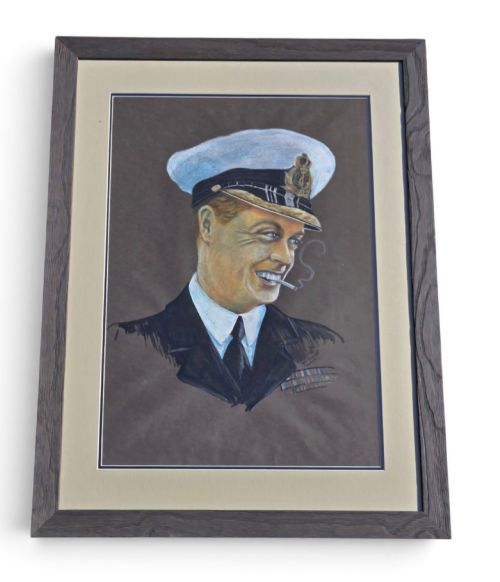
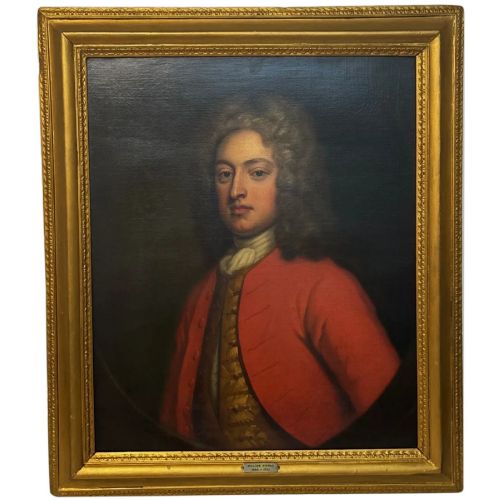
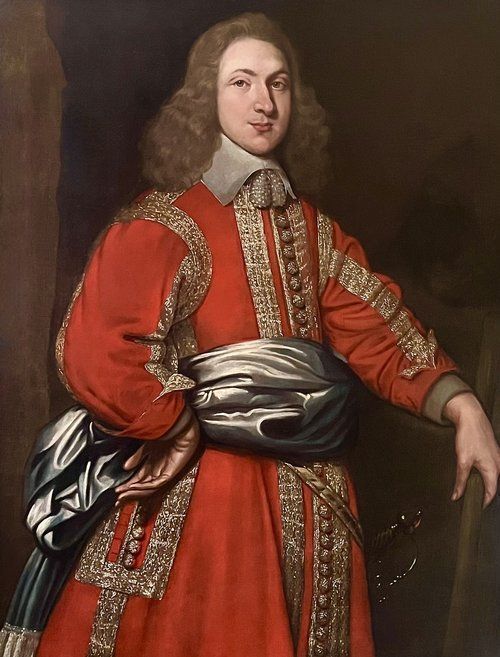
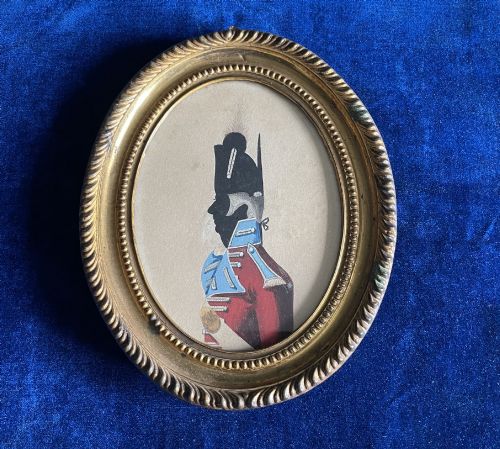
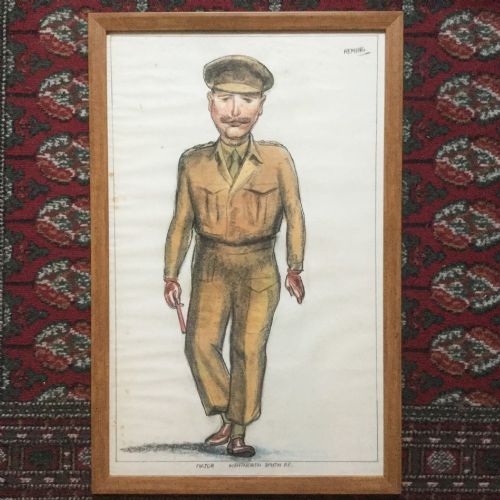
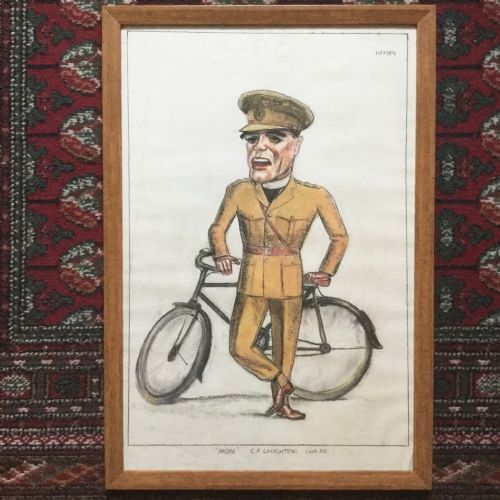
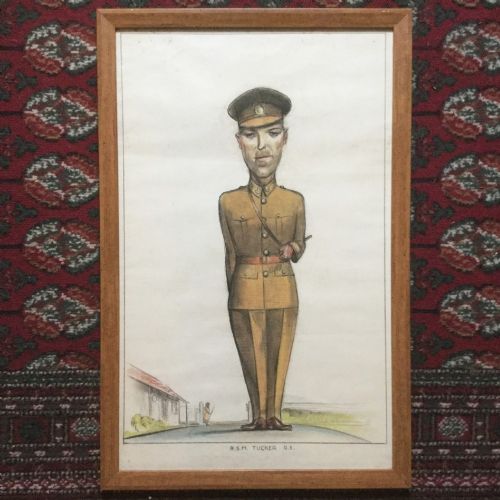
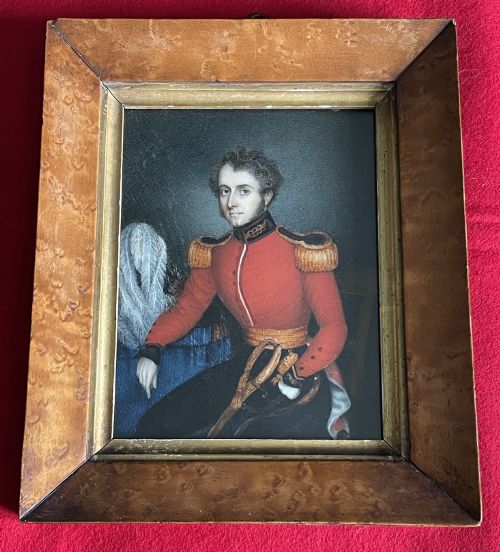
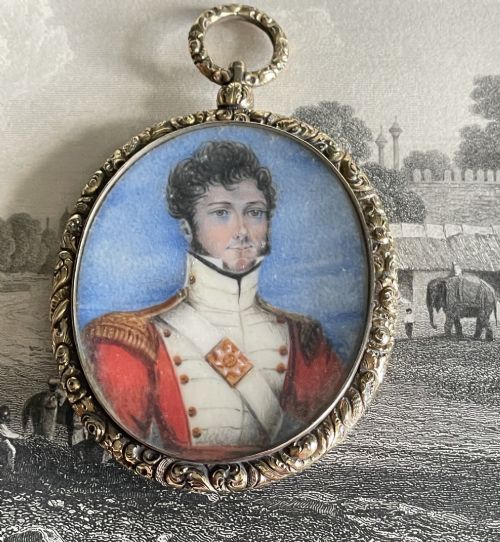
When you search for antique officer portrait artwork, you encounter painted, drawn and printed likenesses of military figures from various campaigns and eras. These pieces record naval and army officers, from junior commanders to high-ranking generals, often depicted in full uniform or ceremonial dress.
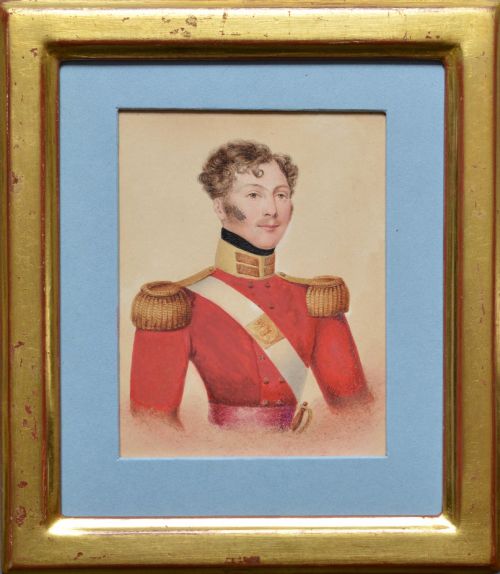
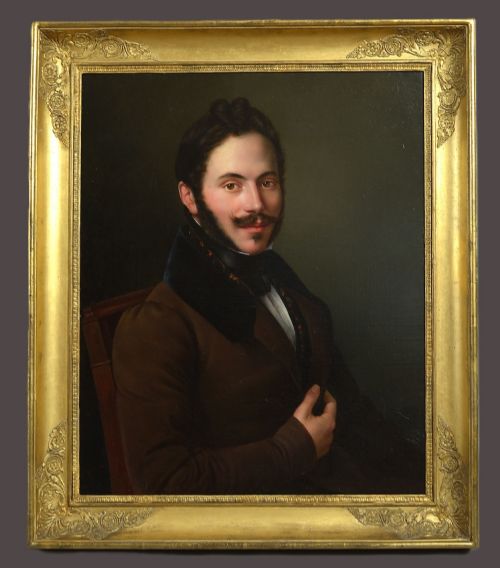
The selections available range from large oil paintings on canvas and monumental military canvases to intimate portrait miniatures and delicate watercolours. You find works produced by British, French, Anglo-Dutch and Anglo-Indian schools across the eighteenth, nineteenth and twentieth centuries.
How They Were Made
Artists worked primarily in oil on canvas, capturing rich colour in military tunics and gold braid, though pastel and gouache were frequently utilised for wartime sketches and drawings. Watercolours on paper and hand-coloured prints offer lighter alternatives, while some delicate miniatures appear set in gold on agate panels.
Traditional framing in giltwood or simple wood surrounds completed these pieces, protecting delicate paper surfaces with glass where necessary. The physical support ranged from heavy woven canvas stretched over wooden frames to thick card, paper and panel.
Listings feature works spanning from the seventeenth century through the Second World War, utilising oil, watercolour, pastel and engraving.
What Varies In Quality
The strength of the likeness and the precision in rendering military insignia, lace and facial structure distinguish the finest works from simpler studio outputs. Master hands command greater presence through confident brushwork and accurate depiction of uniform details specific to regiments and ranks.
Condition and preservation of the original medium, whether oil, watercolour or pastel, play a significant role in the integrity of the piece. Works retaining their original giltwood frames or accompanied by clear provenance regarding the sitter add historical weight.
Edouard Pingret·John Simmons·Sir Thomas Lawrence·Edward Pugh·Albert Ferdinand Le Dru
The Antique Officer Portrait Artwork Glossary
- Oil on Canvas
- Pigment mixed with drying oil applied to a woven fabric stretched across a wooden frame. This medium allowed artists to build rich textures and deep tones suitable for formal military commissions.
- Portrait Miniature
- A small, highly detailed painting, often executed on a tiny panel or card for personal keepsakes. These works demanded immense skill from the artist to capture likeness in a restricted space.
- Giltwood
- Wood carved and coated with a thin layer of gold leaf or metallic gilt powder. It was widely utilised for ornate frames that complemented formal portraiture.
- Gouache
- An opaque water-based paint composed of pigment, water, and a binding agent such as gum. It provided artists with a flat, matte finish useful for military sketches and studies.
- Regiment
- A permanent unit of an army commanded by a colonel. Understanding regiment history helps identify the specific uniforms and historical context of the sitter.
Antique Officer Portrait Artwork: Frequently Asked Questions
What uniforms do these officers wear?
The uniforms reflect the specific military branch and period of the sitter, ranging from eighteenth-century red coats to nineteenth-century naval jackets and twentieth-century service dress. Distinctive details such as lace, epaulettes and medals indicate rank and regimental affiliation.
Studying these garments helps date the artwork and connects the portrait to particular historical campaigns and regiments.
How do I identify the sitter?
Many portraits include inscriptions on the reverse, contemporary labels, or notable family provenance identifying the individual officer. Uniform details, medals and regimental insignia also provide valuable clues for historical research.
When a name is recorded, military archives and service records often reveal the career and campaigns of the officer depicted.
Are these works original or copies?
The selections include original life portraits painted directly from the sitter, alongside period drawings, watercolours and occasional contemporary copies or engravings. Brushwork, medium consistency and paper or canvas age help determine whether a piece is a primary source.
Examining the back of the canvas or frame often uncovers old signatures, dates and attribution notes from the period of creation.
How should I hang and light these portraits?
These artworks require stable indoor conditions away from direct sunlight and excessive humidity to protect vulnerable materials like oil, pastel and paper. Soft, directional lighting helps illuminate dark uniform details without causing heat damage or fading.
Ensuring secure wall fixings is essential, particularly for monumental oil paintings and heavy giltwood frames.