



Antique Officer Miniature
An antique officer miniature captures the likeness of a military commander or soldier in intimate scale, offering a direct window into regimental history.
Antique Officer Miniature
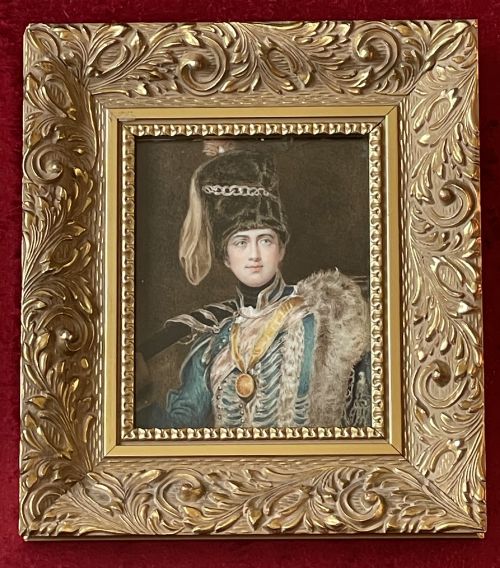
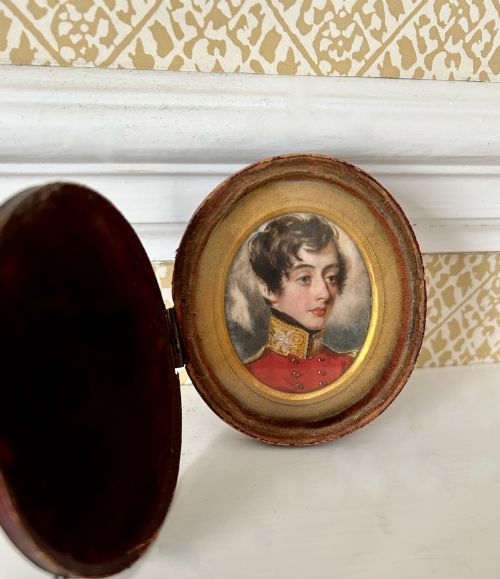
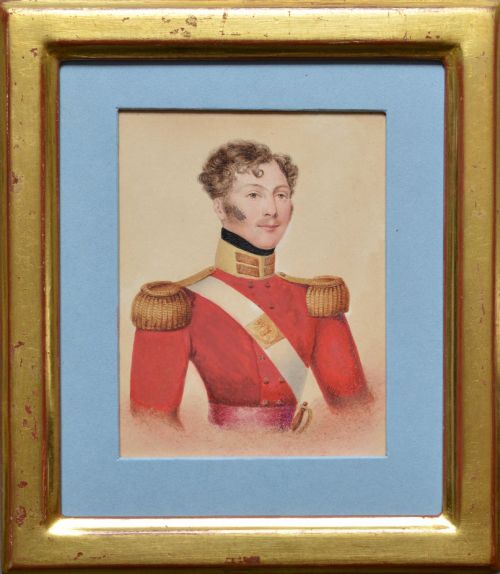
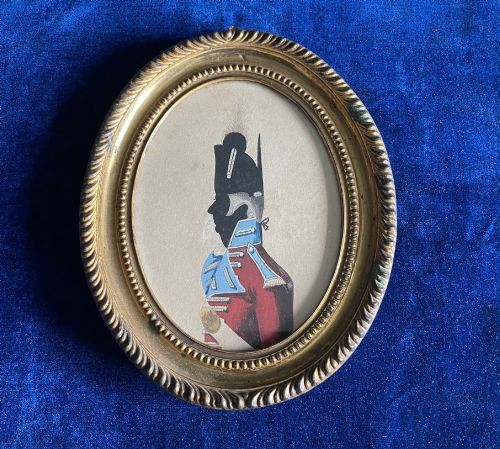
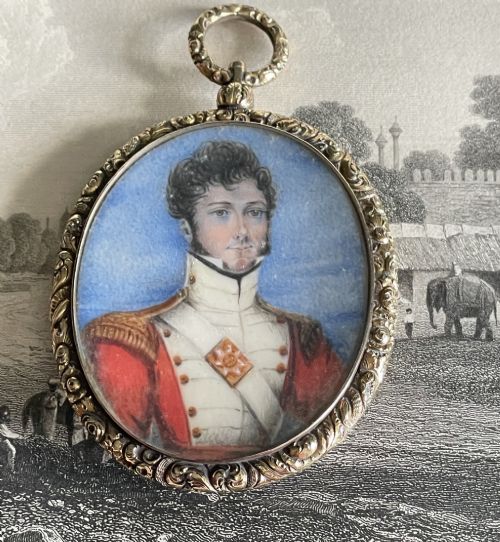
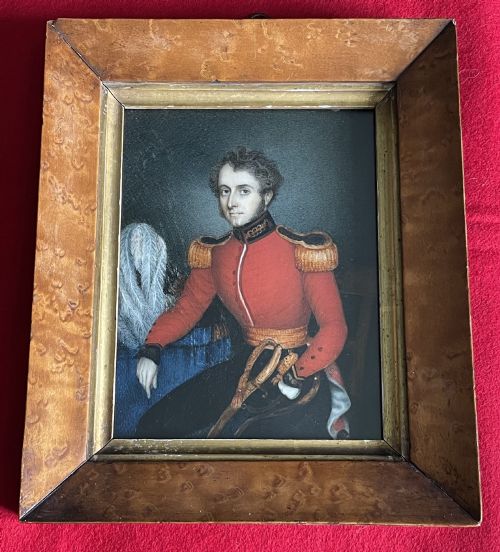
When you search for an antique officer miniature, you encounter hand-painted likenesses of military figures spanning the eighteenth and nineteenth centuries. These works record officers from various regiments, including the Staffordshire Foot, Royal Artillery, and the Dragoons, often depicted in their distinctive red coats or naval uniforms. Portrait miniatures provide a personal record of military personnel from the Georgian, Regency, and Victorian periods.
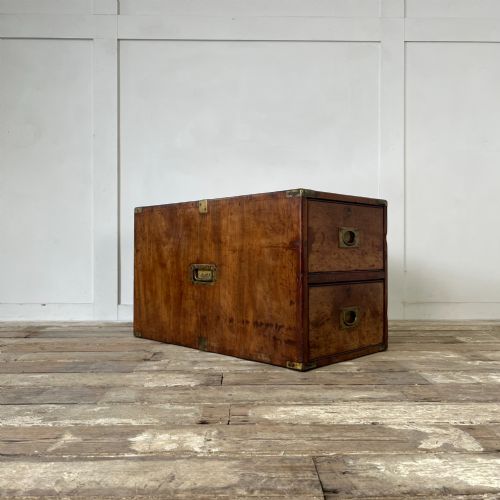
The pieces on this page primarily take the form of portrait paintings on paper, ivory, or agate panels, housed within gilt metal, brass, or gold frames. Alongside traditional hanging portraits, the selection includes desktop campaign storage and novelty silver pin cushions reflecting military subjects. Most surviving examples date from the eighteenth and nineteenth centuries, capturing naval and army commanders of the era.
How they were made
Frames and enclosures utilise materials such as giltwood, brass, gilt metal, and eighteen-carat gold, often fitted with protective glass. These precious mountings were designed to protect the fragile paint surface while allowing the portable portrait to be carried or displayed on a desk.
Antique Officer Miniature Retail Price Guide 2026
Typical asking prices for officer miniature among the pieces listed under this phrase on Sellingantiques today, from the lower quarter to the upper quarter. They describe what is for sale here now, not the wider market.
Materials recorded across the selection include ivory, agate, gold, brass, glass, and watercolour on paper.
What varies in quality
The refinement of the brushwork and the psychological depth of the sitter's expression distinguish accomplished portraitists from lesser hands. Skilled artists capture uniform details and facial anatomy with notable precision.
The quality of the housing, from simple brass frames to heavy eighteen-carat gold settings, reflects the original commission's importance. Intricate framing and the preservation of the delicate paint surface elevate the standing of the piece.
Henry Bone ARA·Edward Pugh·Sir William John Newton·Leslie Moore·Gerrit Schipper
The Antique Officer Miniature Glossary
- Watercolour
- A paint consisting of pigment suspended in a water-based solution. This medium was standard for painting portrait miniatures on paper or ivory surfaces.
- Gilt Metal
- A base metal treated with a gold wash or thin gold leaf coating. It provides the appearance of solid gold while remaining accessible for framing small portraits.
- Campaign Chest
- A form of portable furniture designed for military officers on deployment. These chests separate into sections for ease of transport during campaigns.
- Enamel Miniature
- A portrait painted using vitreous enamel powders fused to a metal support by firing. This technique produces a durable surface resistant to fading.
Antique Officer Miniature: Frequently Asked Questions
How were officer miniatures worn or displayed?
Officer miniatures were often carried personally, kept in campaign chests, or displayed on desks within protective cases. Their portable nature allowed officers to keep likenesses of themselves or their peers close during postings.
Over time, these intimate portraits transitioned into static wall art or collector's cabinet pieces. Their small scale suited the domestic interiors of the nineteenth century.
What uniforms do the sitters wear?
The sitters typically wear the formal attire of their respective regiments, most notably military red coats for infantry and artillery officers. Naval uniforms and general officer regalia also appear across the selection.
Details such as specific facings and medals help identify the regiment and rank of the individual portrayed. These sartorial elements provide key dating clues for the portraits.
Which materials were used for the portrait surfaces?
Painters primarily utilised watercolour on paper or ivory, though some works employ enamel or agate panels. Ivory provided a luminous base that gave skin tones a natural glow.
Glass fronts protected the delicate painted surfaces from dust and handling damage. The choice of ground often reflects the period and the artist's preferred technique.