




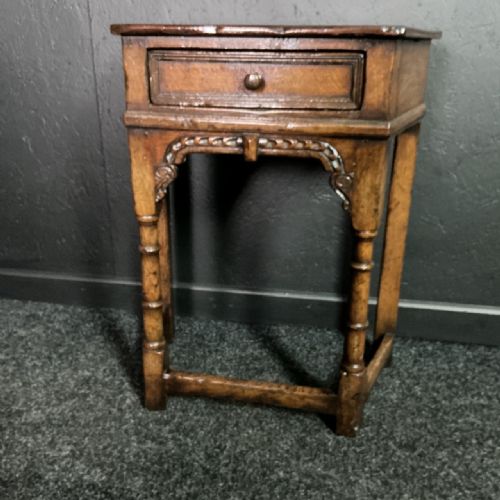
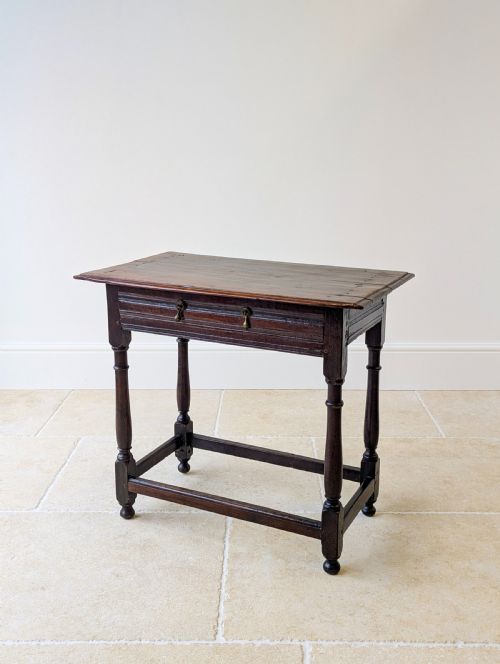


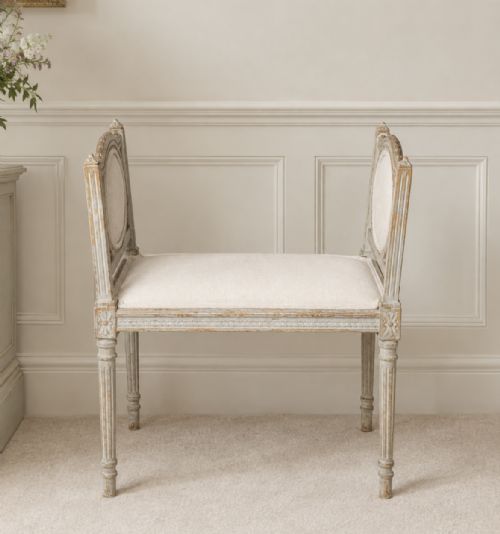
Antique Occasional Stool
An antique occasional stool provides a sturdy, compact seat or stand, bringing practical utility and historical character into domestic spaces.
Antique Occasional Stool
An antique occasional stool encompasses versatile seating and small table forms made across various periods from the seventeenth century to the twentieth century. These pieces often blur the line between seating and small display stands, serving multiple domestic functions in compact footprints.
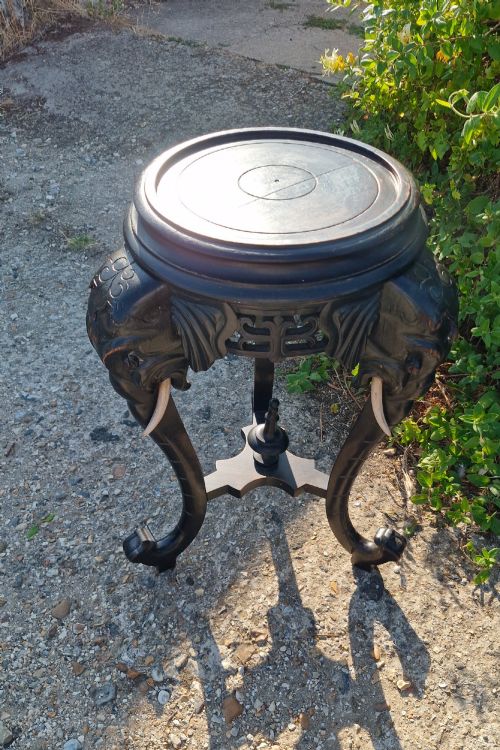
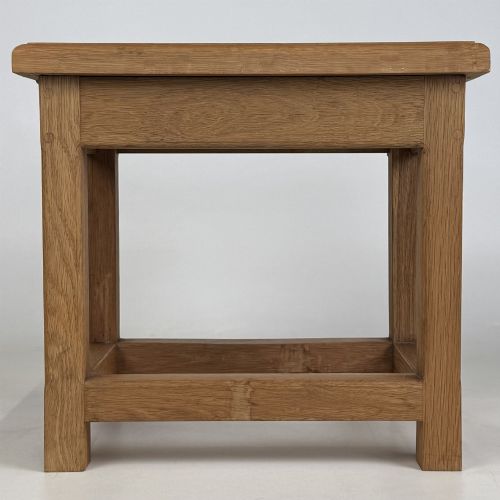
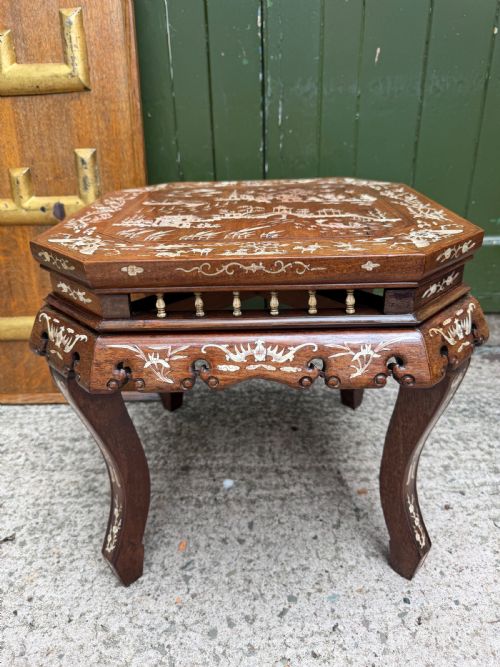
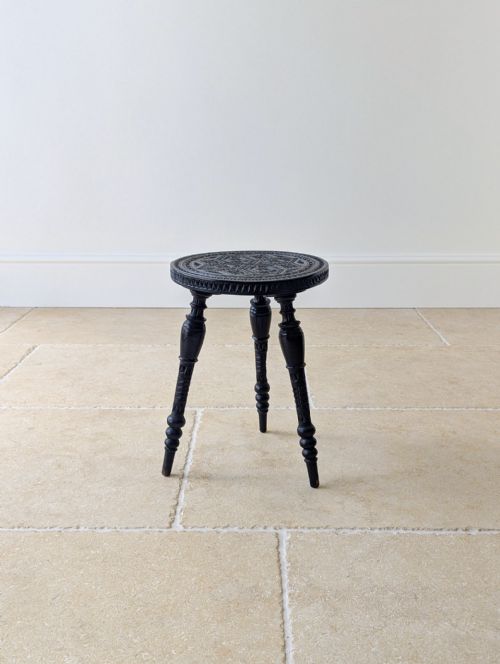
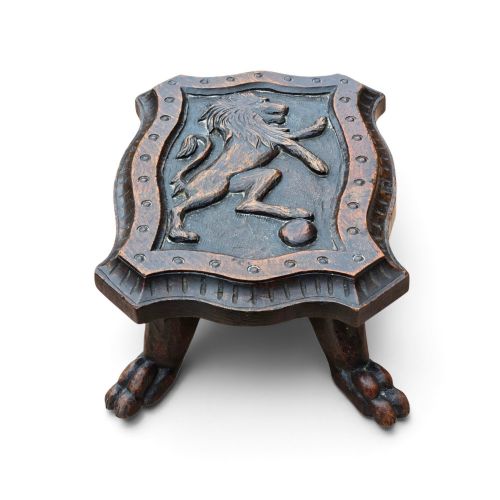
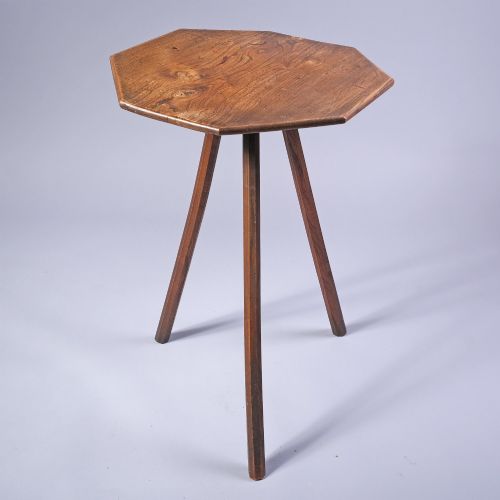
The selection here includes solid oak joint forms, chip-carved designs, box stools, and tripod or four-legged examples alongside diverse international iterations like Anglo-Indian elephant tables and Chinese hardwood stands. Oak and assorted hardwoods dominate the domestic items, while imported pieces introduce exotic timbers and decorative inlays.
Buyers will encounter substantial regional diversity, ranging from rustic English country furniture and Arts and Crafts creations to Qing Dynasty Chinese tables and Burmese carvings. Such variety means pieces adapt readily as bedside supports, lamp stands, or auxiliary seating.
How They Were Made
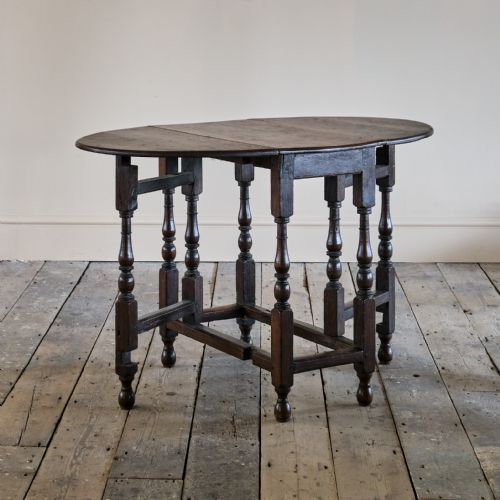
Construction relies heavily on solid timbers such as oak, elm, ash, yew, and diverse hardwoods joined with traditional pegged mortise and tenon joints, particularly visible in joint stools. Turnery, chip carving, and relief work provide structural rigidity and surface ornamentation.
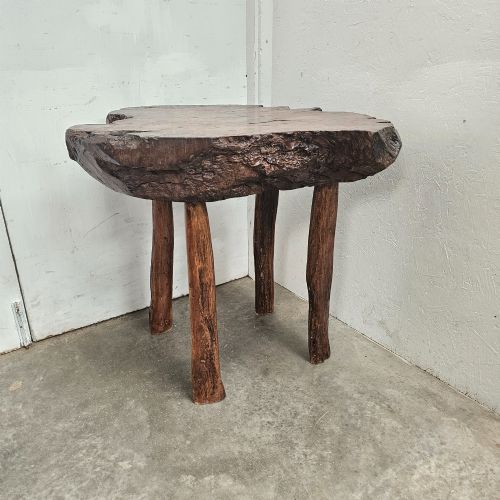
Certain imported items incorporate specialised techniques like bone inlay, ebonisation, or deep rootwood shaping, sometimes paired with inset marble or quartz tops. These varied craft methods reflect both European vernacular traditions and Asian joinery practices.
Antique Occasional Stool Retail Price Guide 2026
Typical asking prices for occasional stool among the pieces listed under this phrase on Sellingantiques today, from the lower quarter to the upper quarter. They describe what is for sale here now, not the wider market.
The inventory combines European vernacular joint stools with Asian occasional tables, plant stands, and carved elephant supports.
What Varies in Quality
Quality differences manifest in the selection of timber and the precision of the joinery, distinguishing heavy, solid construction from lighter or later derivative builds. Superior examples display tight joints, uncompromised structural integrity, and carefully integrated secondary elements like hand-carved details or fitted stone tops.
The depth and execution of decorative work also separate standard utilitarian items from finer examples, whether through crisp chip carving, intricate bone inlay, or balanced proportions. Patina and the natural ageing of timber contribute significantly to the visual standing of each piece.
The Antique Occasional Stool Glossary
- Joint stool
- A sturdy wooden stool constructed with pegged mortise and tenon joints rather than turned legs glued into seats. These items date back to the sixteenth and seventeenth centuries and often served multiple household duties.
- Ebonised
- Timber treated with a finish or stain to imitate ebony. This dark, formal surface treatment appears frequently on nineteenth-century Victorian occasional furniture.
- Sgabello
- An Italian Renaissance wooden chair characterised by a box-like base or three-legged trestle support and an upright back. These pieces often functioned as hall seats.
Antique Occasional Stool: Frequently Asked Questions
How were occasional stools used originally?
These pieces served multiple everyday functions around the home, acting as portable seats for dining or fireside tasks. They also doubled as elevated surfaces for holding small domestic objects or lighting.
Over time, their sturdy builds allowed them to transition easily between seating and auxiliary table duties depending on household needs.
What wood is most common?
Oak appears most frequently across English domestic pieces, particularly in joint and box stool formats from earlier periods. Elm, ash, and yew also feature strongly in regional country furniture.
Imported items introduce denser exotic timbers like Chinese rosewood, hardwood, and rootwood alongside ebonised finishes.
How do I date an old stool?
Dating relies on examining the construction methods, tool marks, and timber characteristics visible on the piece. Pegged joints, hand-cut elements, and the natural wear of the wood indicate earlier craftsmanship.
Stylistic cues such as chip carving or specific regional forms help narrow the period down alongside any recorded provenance.
Can I use these as bedside tables?
Their compact dimensions and flat tops make them suitable for use as bedside supports or small lamp tables. Solid timber construction provides the necessary stability for daily weight.
Placing them in modern interiors adds practical surface space while incorporating historical texture into a room.