
Antique Occasional Side Chair
An antique occasional side chair is a versatile smaller seat designed to move easily between the hall, bedroom and salon.
Antique Occasional Side Chair
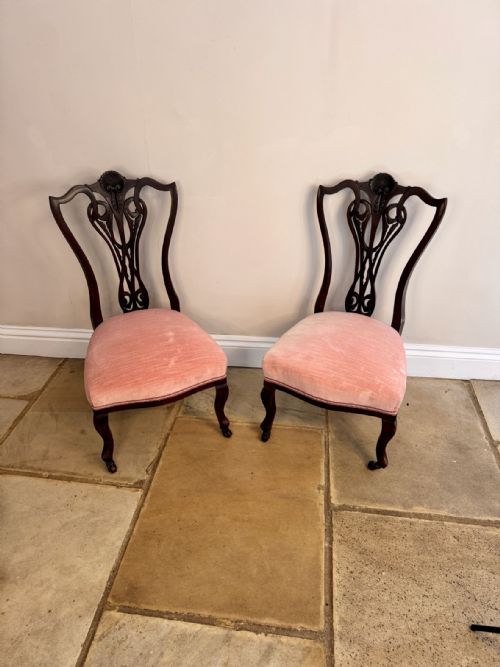
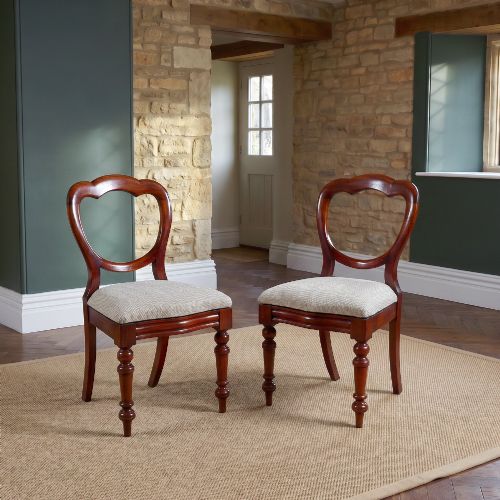
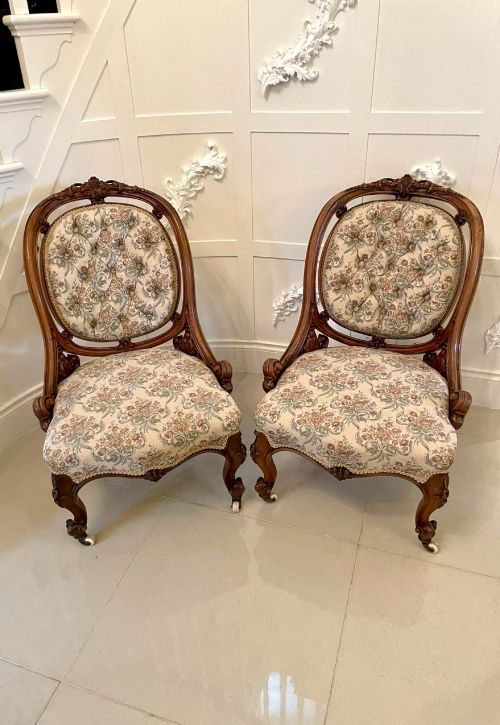
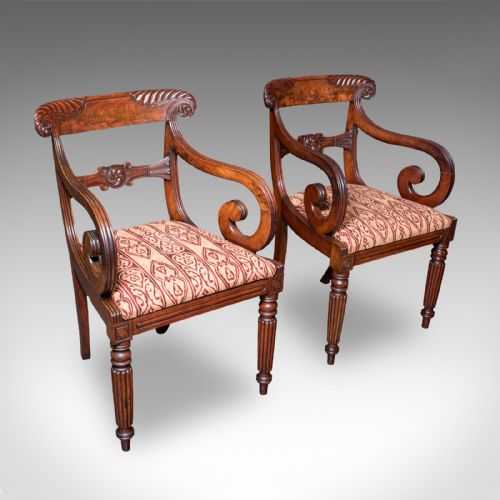
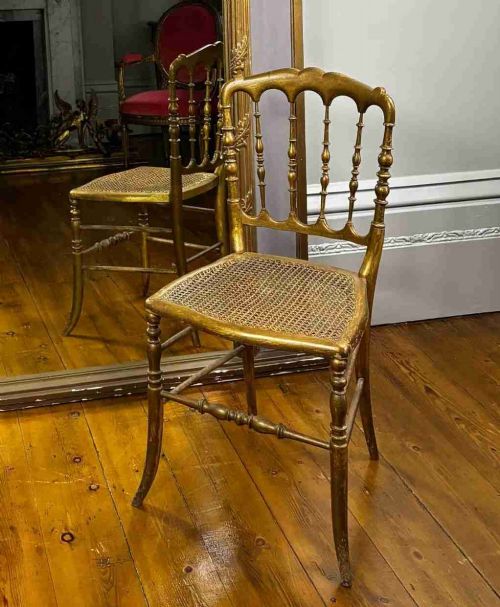
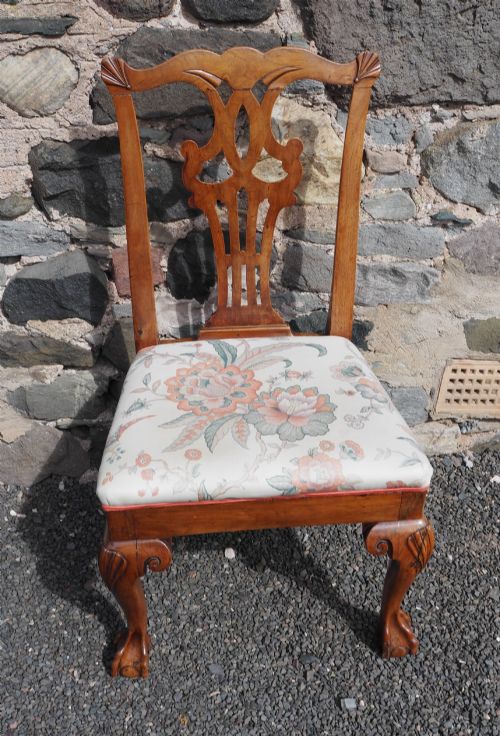
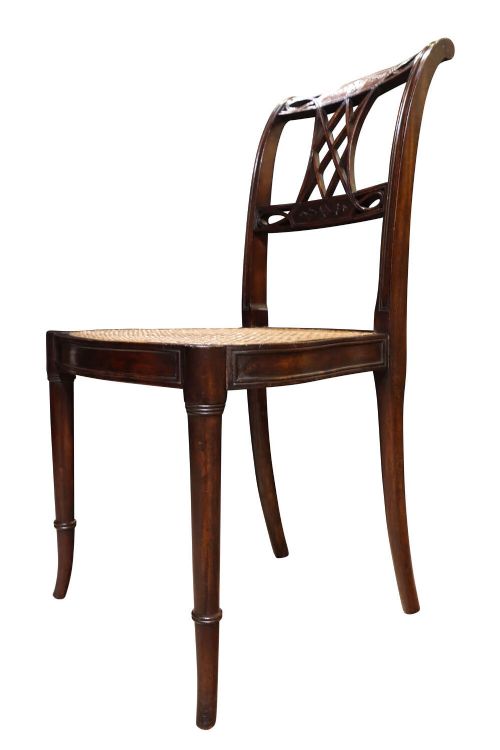
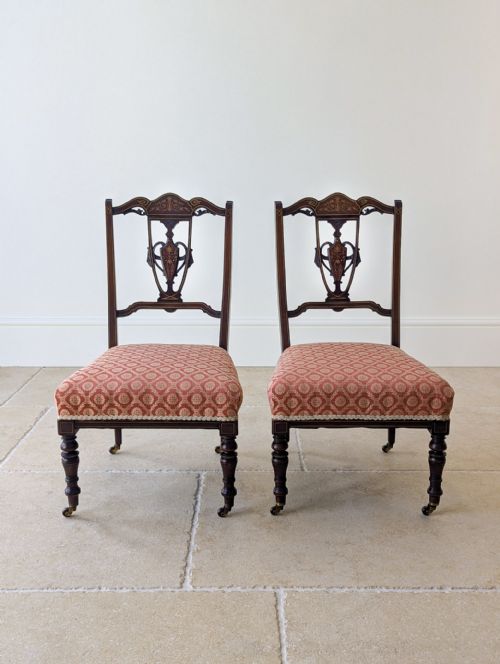
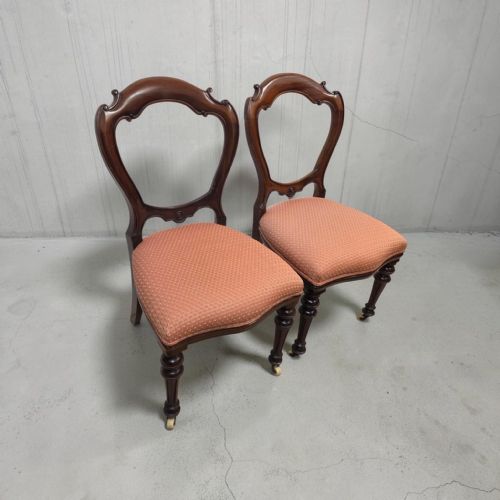
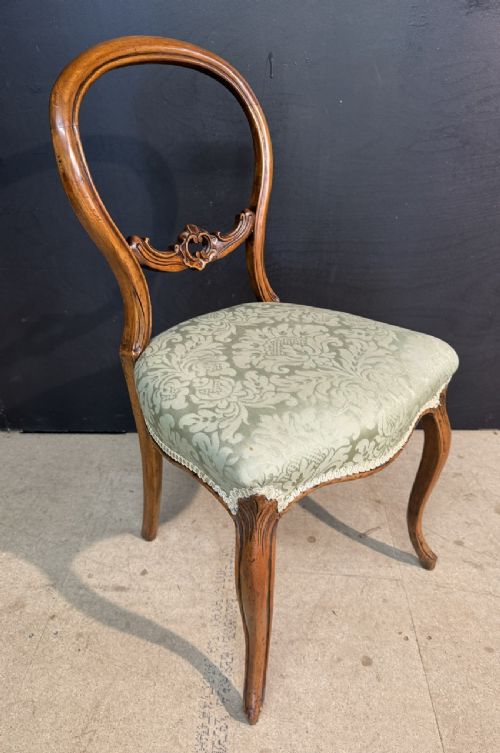
An antique occasional side chair serves as a light, movable seat intended for brief use in rooms such as bedrooms, reception halls and parlours. The pieces found here span multiple periods, with Victorian balloon-back chairs and Edwardian inlaid mahogany models appearing frequently alongside Regency and earlier designs. These seats fulfil practical functions while providing a decorative accent to domestic interiors.
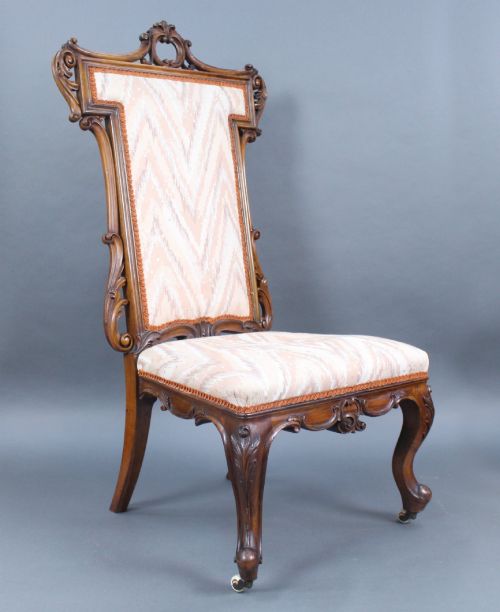
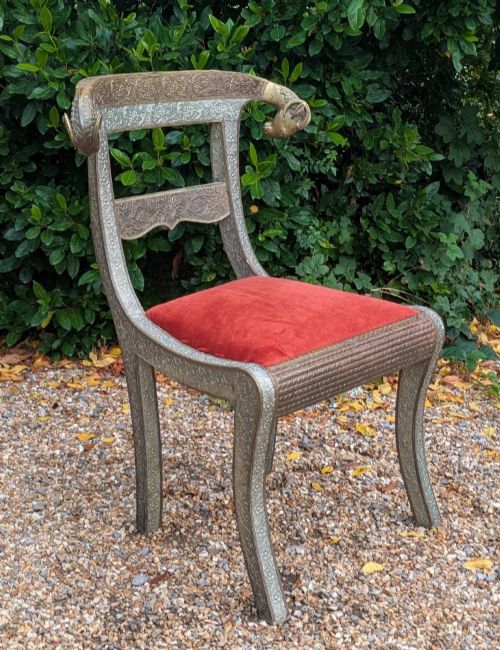
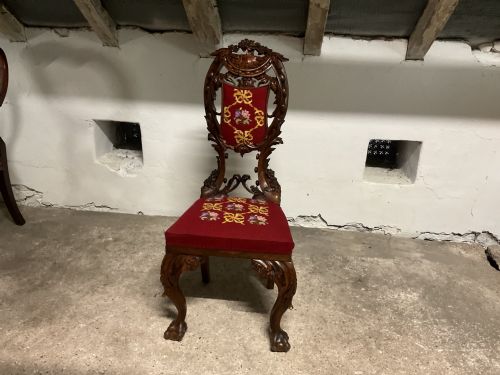
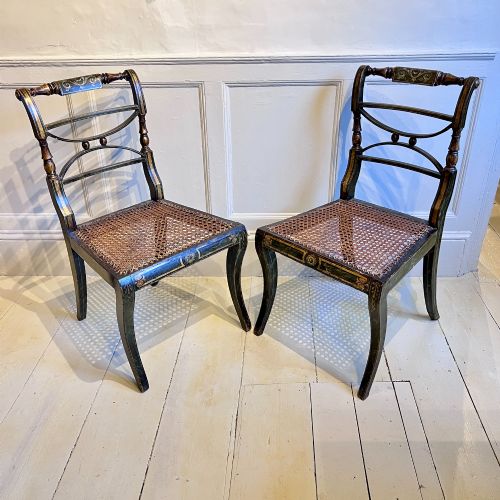
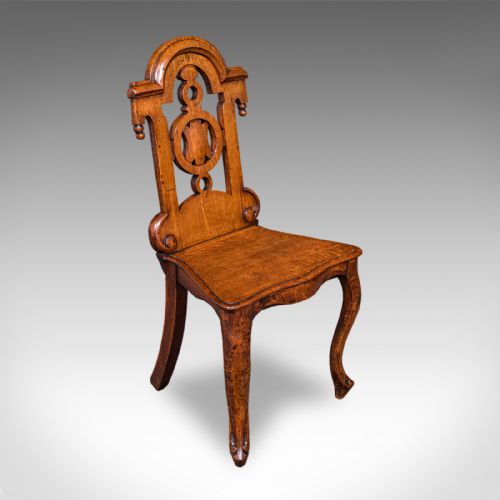
Makers fashioned these chairs in varied regional workshops and larger factories during the 18th, 19th and early 20th centuries. Common forms include bedroom chairs, salon chairs, hall chairs and vanity seats constructed in woods like mahogany, walnut, oak and beech. Upholstery, cane seating and carved wooden splats distinguish the individual examples encountered on this page.
How they were made
Cabinetmakers utilised dense hardwoods such as mahogany, walnut and oak, shaping them with carved details, pierced splats, cabriole legs and string inlay. Beech and birch served for painted, simulated or faux bois finishes.
Craftsmen incorporated woven cane for seating panels and applied traditional textiles, leather, velvet and tapestry for upholstered pads. Structural support relied on joinery techniques suited to each period, from Georgian cabinetwork to Victorian framing.
The listings on this site feature mahogany, walnut and oak woods, alongside cane, velvet and fabric materials across Victorian, Edwardian and Regency periods.
What varies in quality
The degree of fine carving, the selection of timber grain such as figured mahogany or walnut, and the crispness of inlaid stringing distinguish finer examples. Simpler country models contrast with elaborate salon and giltwood pieces.
The integrity of original joinery, the retention of painted or gilded surfaces, and the authenticity of caned or upholstered elements govern the standard of survival across different eras.
Heals
The Antique Occasional Side Chair Glossary
- Balloon back
- A rounded, oval-shaped wooden chair back popular during the Victorian period. This distinctive contour curves outward to support the sitter's spine.
- Caning
- Woven rattan material used for seats and chair backs. It provides a lightweight, resilient surface.
- Cabriole leg
- A furniture leg that curves outward in a convex shape and tapers inward in a concave arc, ending in a pad or foot. This form draws inspiration from animal limbs.
- Splat
- The vertical wooden strip down the centre of a chair back. Pierced and carved variations help define the style of the piece.
- Giltwood
- Timber treated with gold leaf or metallic paint to create a gilded surface. It appears on formal salon and reception seating.
Antique Occasional Side Chair: Frequently Asked Questions
Where were occasional chairs used historically?
These pieces moved freely between domestic spaces, serving as extra seating in reception rooms, bedrooms and hallways when guests gathered.
Their lightweight construction allowed servants or family members to reposition them as needed around the home.
How do I identify a Victorian side chair?
Victorian examples frequently feature balloon backs, walnut or mahogany frames, and carved ornamentation. Many incorporate button-tufted upholstery or turned bobbin legs.
Later Victorian models often display ebonised finishes with gilt details or mother-of-pearl inlay.
What is the difference between a side chair and an armchair?
Side chairs lack armrests, making them compact enough to tuck against walls or slide under desks and dressing tables. Elbow chairs and armchairs include side supports for the arms, offering a more enclosed seat.
Both types functioned as occasional seating in period drawing rooms and bedrooms.
Can I use an antique side chair daily?
Most wooden side chairs remain structurally sound for regular use if the joints are secure. Inspecting the framework ensures stability for everyday sitting.
Cane seats and delicate upholstered cushions benefit from gentle treatment and occasional professional care.