






Antique Oak Unit
An antique oak unit brings practical storage and solid timber character to a room, spanning open bookcases, chests of drawers and display cabinets.
Antique Oak Unit
When you search for an antique oak unit, you encounter pieces designed for utility and display across the nineteenth and early twentieth centuries. The selection spans Victorian and Edwardian periods, stretching from eighteen-eighty into the nineteen-thirties.
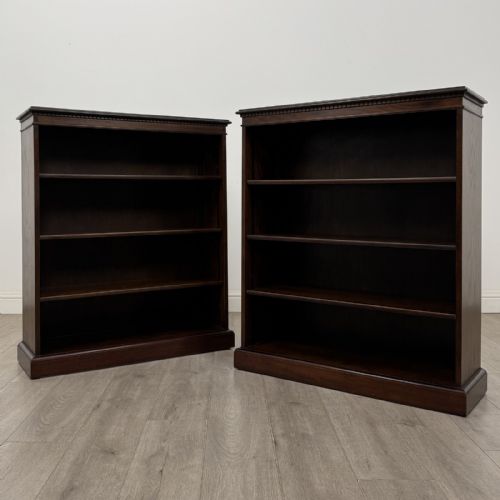
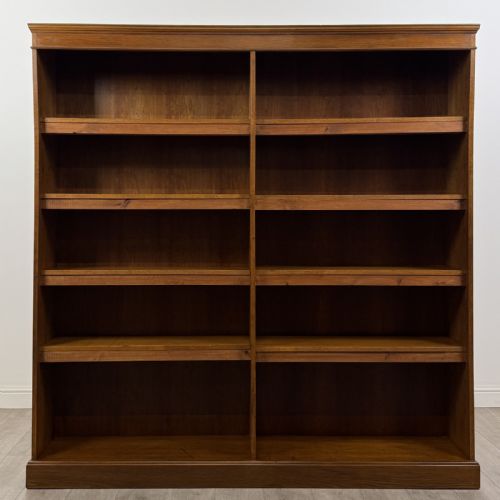
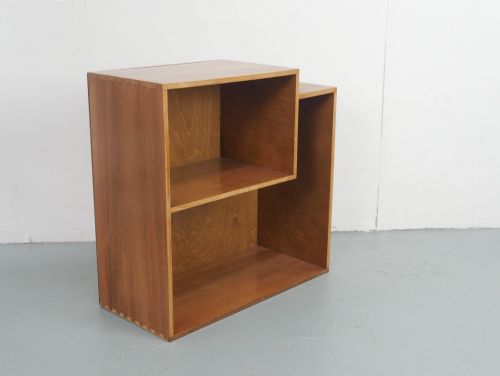
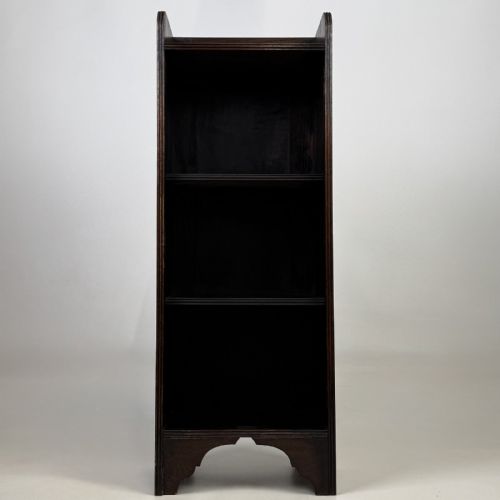
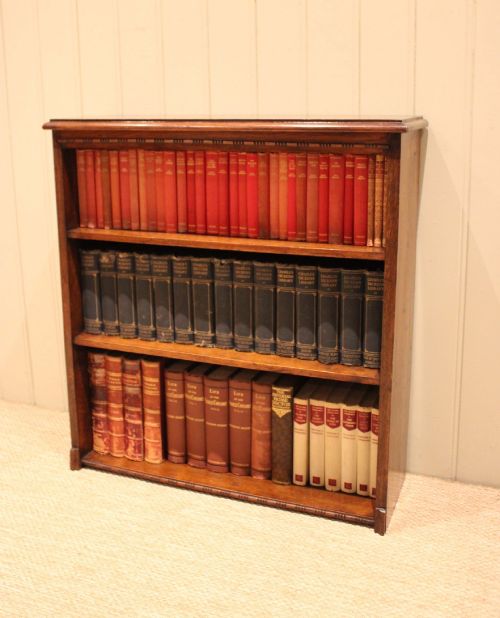
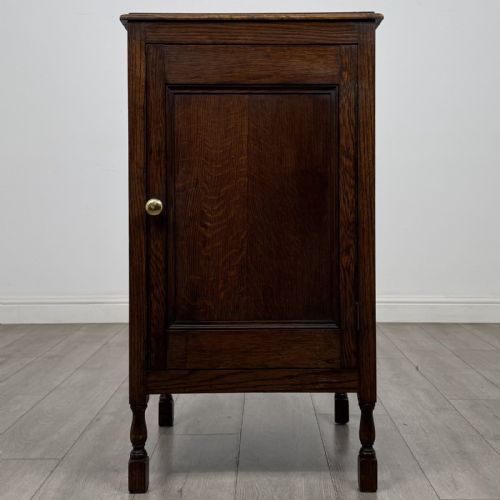
Open bookcases form the most common variety on this page, often featuring adjustable shelves, raised galleries, or dentil cornices. Alongside them sit chests of drawers, display cabinets with leaded glass, and vertical filing cabinets.
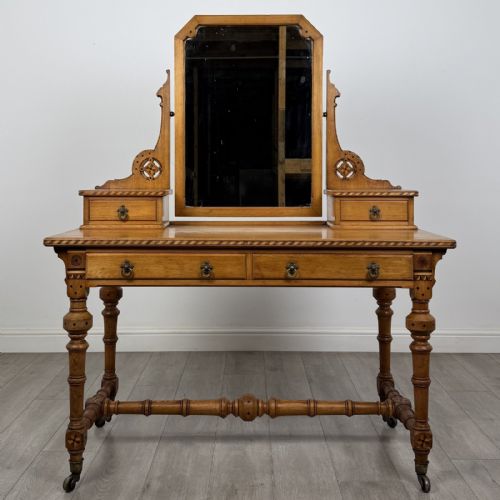
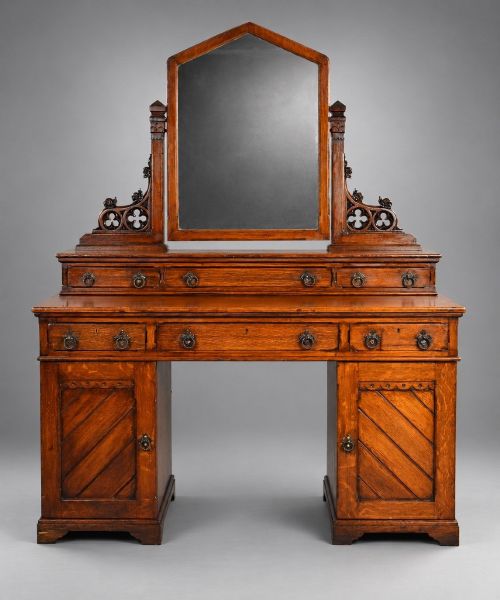
Stylistic influences range from plain utilitarian forms to Arts and Crafts pieces with pegged construction, alongside Jacobean Revival and Aesthetic Movement designs. These items served functional roles in period homes, from studies and libraries to living rooms.
Materials and construction methods
Construction relies predominantly on solid oak, frequently paired with brass hardware, iron fittings, and glass for cabinet doors. Brass handles, sometimes shaped as acorns, and leaded glass accents appear on specific display and storage pieces.
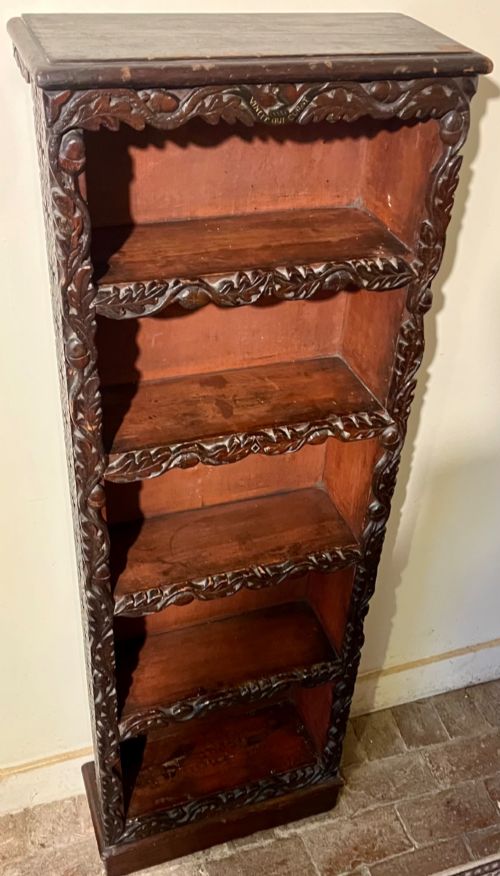
Joinery methods include pegged joints typical of the Arts and Crafts movement, alongside traditional drawer construction in multi-drawer chests and filing cabinets. Ebonised finishes and carved details, such as lion masks, provide decorative contrast to the natural grain of the timber.
Antique Oak Unit Retail Price Guide 2026
Typical asking prices for oak unit among the pieces listed under this phrase on Sellingantiques today, from the lower quarter to the upper quarter. They describe what is for sale here now, not the wider market.
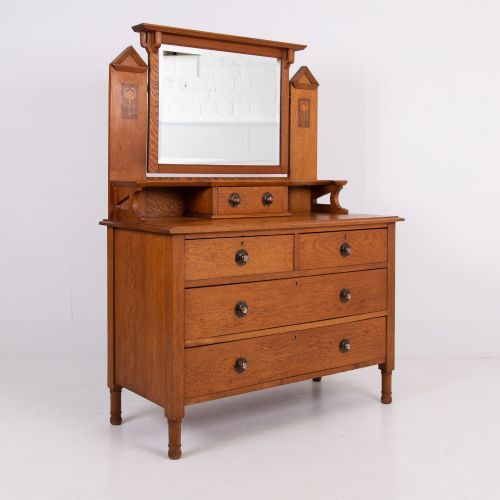
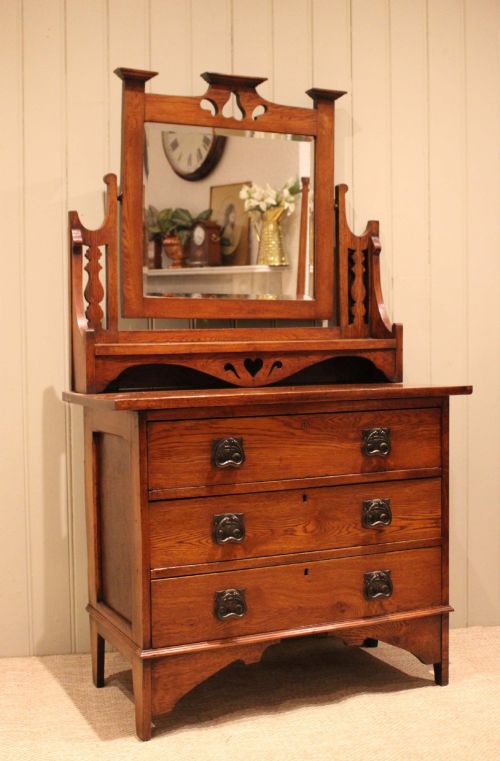
Some chests of drawers come equipped with original brass acorn handles.
Distinctions in quality and execution
Quality separates pieces through the crispness of carved ornamentation and the integration of movement-specific details, such as Aesthetic Movement lines or Arts and Crafts pegged joints. The choice of golden oak or lighter oak tones affects the visual presence of the wood.
Hardware integrity, such as original brass handles and working locks on cabinets and Wellington chests, elevates a piece. Refinements like dentil cornices, shaped sides, and linenfold panelling demonstrate higher standards of cabinetmaking.
John Moyr Smith·Liberty
The Antique Oak Unit Glossary
- Dentil cornice
- A decorative moulding featuring a series of small, rectangular blocks projecting like teeth beneath the top edge of a cabinet or bookcase.
- Raised gallery
- A low decorative upstand along the top rear and sides of a chest of drawers or bookcase, designed to prevent items from sliding off.
- Linenfold
- A style of carved wooden panelling that resembles folded vertical pleats of fabric, common on Edwardian display cabinets.
- Wellington chest
- A tall, slender chest of drawers secured by a hinged locking side bar that is traditionally fastened with a key.
- Ebonised
- Wood treated with a dark stain or chemical finish to imitate the appearance of ebony.
Antique Oak Unit: Frequently Asked Questions
What is an antique oak unit?
An antique oak unit encompasses functional wooden furniture made from solid oak during the Victorian, Edwardian, and early twentieth-century periods. These items include open bookcases, chests of drawers, and display cabinets.
They were built for storage and display, utilising materials such as brass, glass, and iron alongside oak timber to serve domestic and office spaces.
How do I date an oak bookcase?
Dating an oak bookcase involves examining stylistic markers, construction techniques, and materials characteristic of specific eras like the Victorian period or the Arts and Crafts movement. Details such as pegged joints, dentil cornices, and raised galleries point to particular decades.
Cabinetmakers incorporated different design movements over time, shifting from heavy carved Victorian styles to lighter Edwardian formats and pegged vernacular furniture.
Where were these cabinets used?
These cabinets and bookcases functioned primarily in libraries, studies, and hallways of period homes to organise books, linen, and china. Filing cabinets also served early office environments.
Their practical shelving and drawer configurations made them adaptable storage additions for domestic and professional interiors alike.
How do I care for solid oak furniture?
Caring for solid oak furniture requires keeping pieces away from direct heat sources and extreme humidity fluctuations to prevent the timber from splitting. Regular dusting with a dry cloth maintains the finish of the wood.
Avoiding harsh chemical polishes preserves the natural patina and any original ebonised details or brass hardware.