



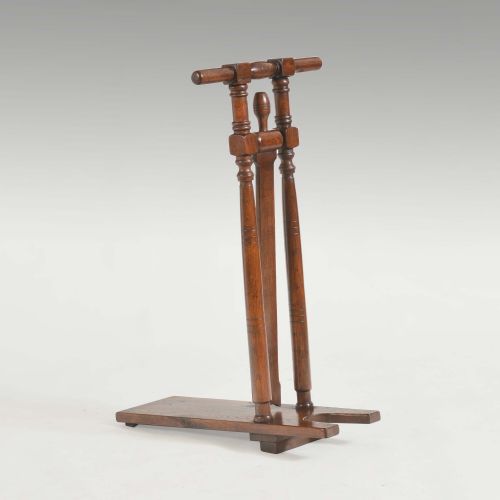


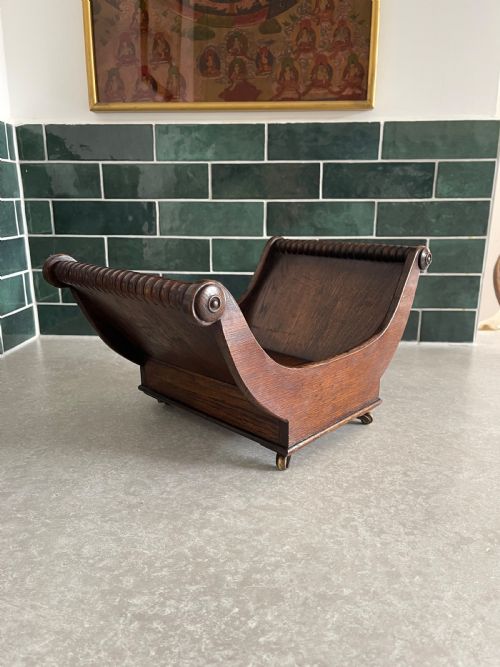
Antique Oak Treen
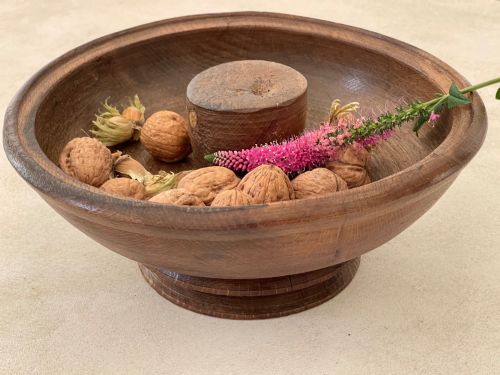
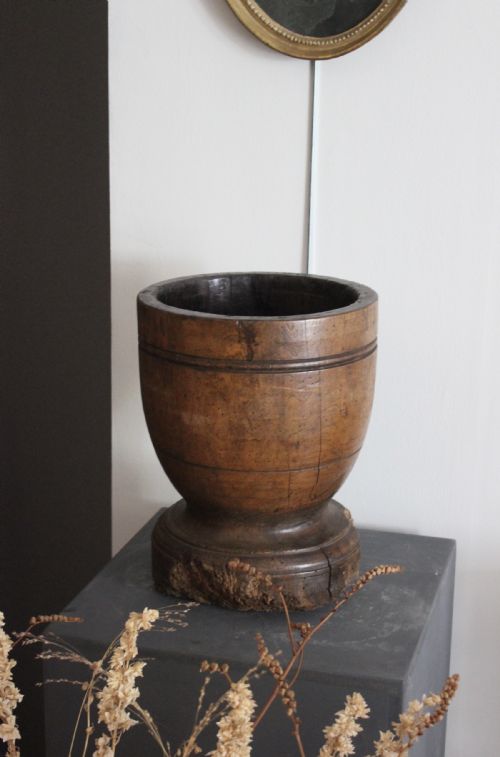
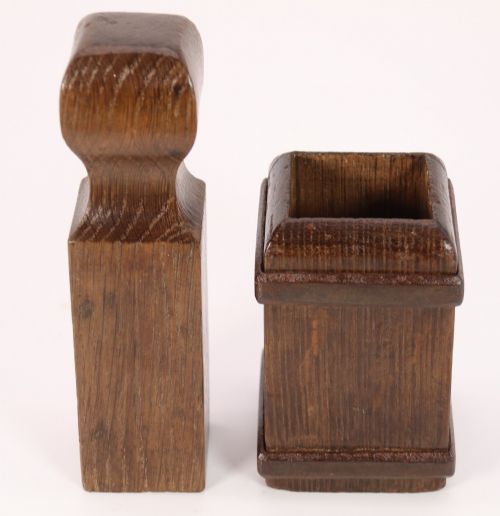
These pieces of antique oak treen are small turned or carved wooden objects that bring domestic history straight into a room.
Antique Oak Treen
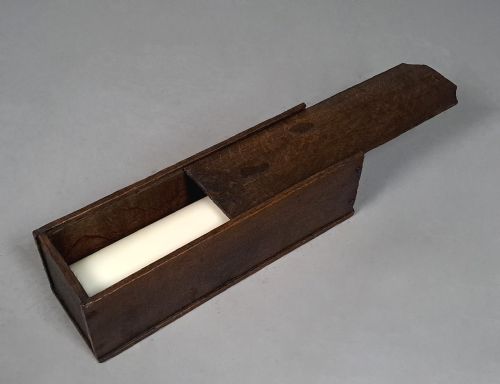
When you search for antique oak treen, you are looking at functional wooden objects made for everyday domestic life across the centuries. The pieces on this page span several eras, appearing in forms such as candle boxes, salt cellars, spoon racks, and spice grinders.
The version you are most likely to meet here is an 18th century or 19th century utilitarian item shaped from native timber. These domestic utensils were worked by hand or turned on a lathe for use in the kitchen, parlour, or buttery.
Regional vernacular pieces, particularly Welsh country items with chip carving or heart inlay, form a distinct strand within this group. Alongside these domestic implements, you will find specialised items like apothecary crushers, tinder boxes, and decanter coasters.
Materials and methods
Makers relied principally on oak, alongside supplementary hardwoods, fruitwood, sycamore, and ash selected for grain and resilience. Wrought iron, brass, and baize appear as functional or decorative mounts on containers, boxes, and coasters.
Objects were shaped using turning on a lathe, coopered stave construction, and direct hand carving. Joinery methods and simple hardware such as brass banding or wrought iron mounts secured the pieces for heavy daily use.
Antique Oak Treen Retail Price Guide 2026
Typical asking prices for oak treen among the pieces listed under this phrase on Sellingantiques today, from the lower quarter to the upper quarter. They describe what is for sale here now, not the wider market.
Listings feature oak combined with fruitwood, sycamore, wrought iron, and brass across Georgian and Victorian periods.
Assessing quality
Quality rests on the crispness of the turning or carving and the honesty of the surface patination. Pieces that retain their original dry, polished finish without excessive restoration hold greater interest.
Proportion and utility dictate the finer examples, where a bolder shape or unusual form elevates a mundane household object into a piece of folk art.
The Antique Oak Treen Glossary
- Treen
- Small handmade wooden objects for domestic use. The word derives from the old English for tree.
- Capstan salt
- A small table salt cellar shaped like a ship capstan. These are typically turned from a single piece of timber.
- Costral
- A small wooden barrel or flask used for carrying liquids. These were often coopered with wooden or metal bands.
- Knitters sheath
- A small carved holder tucked into a belt to support a knitting needle. They are often carved with initials or decorative motifs.
- Vernacular
- Objects made by local craftsmen following regional traditions rather than high style. This work reflects the specific needs of country households.
Antique Oak Treen: Frequently Asked Questions
What is antique treen?
Antique treen encompasses small, functional wooden items made for the home before the age of mass plastics. They were carved or turned for practical tasks rather than mere display.
Over decades of handling, these objects acquire a rich surface patina from handling and use. Collectors value them for their direct connection to historic domestic routines.
How were these wooden items used?
These pieces served daily domestic functions in the kitchen, dairy, parlour, and workshop. Examples include boxes for storing candles, containers for salt, and racks for spoons.
Many items relate to lighting, smoking, dining, and food preparation. Their designs were entirely dictated by their practical utility.
How do I date oak treen?
Dating relies on tool marks, construction methods, and the style of turning or carving. Earlier pieces often show pit-saw marks and hand-forged iron fixings.
Changes in domestic habits also help narrow down a period, such as the evolution of spice grinders and tinder boxes. Timber shrinkage and surface wear provide further clues to age.
How should I care for antique treen?
Keep wooden treen away from direct heat sources and sudden temperature changes to prevent splitting. A light application of appropriate wax maintains the dry finish.
Avoid washing these items with water or harsh modern cleaners. Gentle dusting with a dry cloth preserves the historic surface patination.