

Antique Oak Tea Stand
An antique oak tea stand brings sturdy utility and rich grain to a corner, functioning as a dependable surface for pouring cups or displaying small items.
Antique Oak Tea Stand
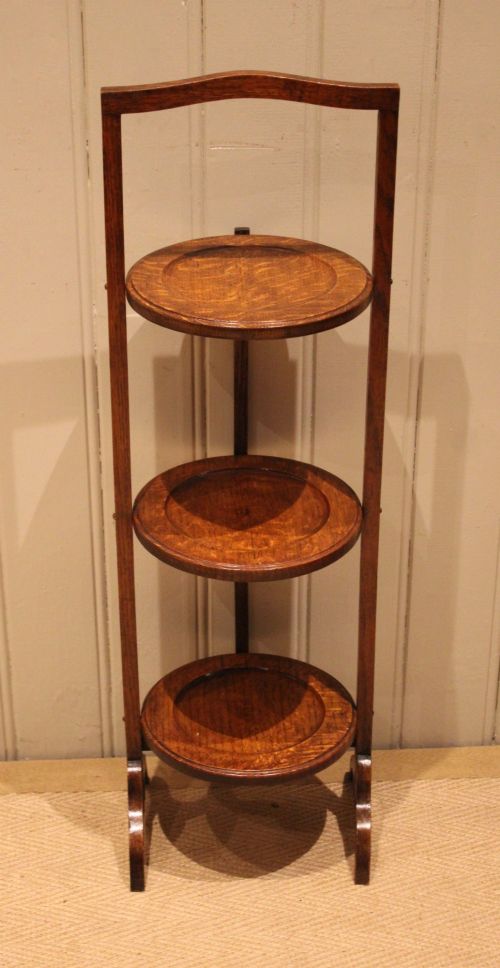
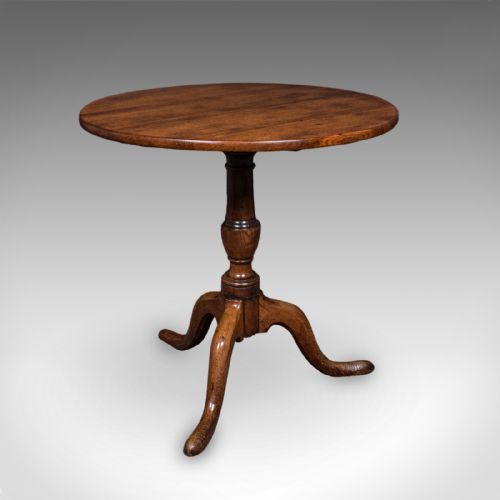
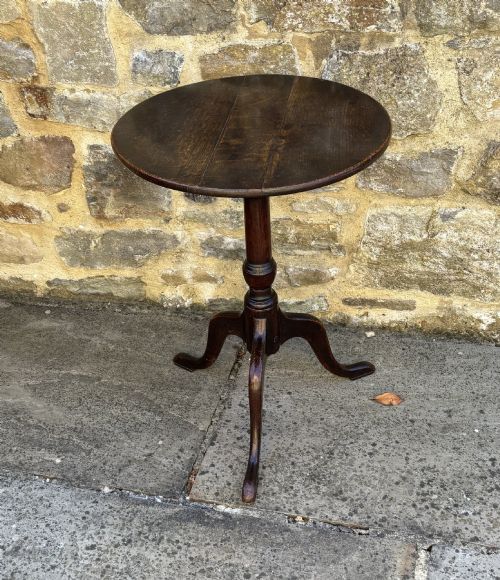
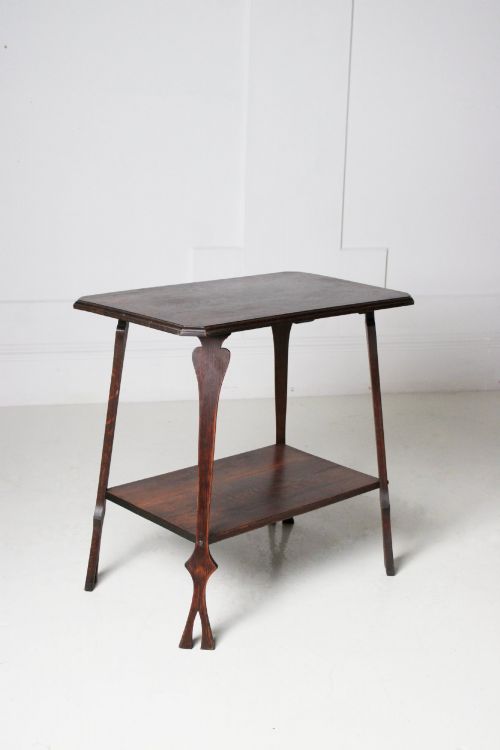
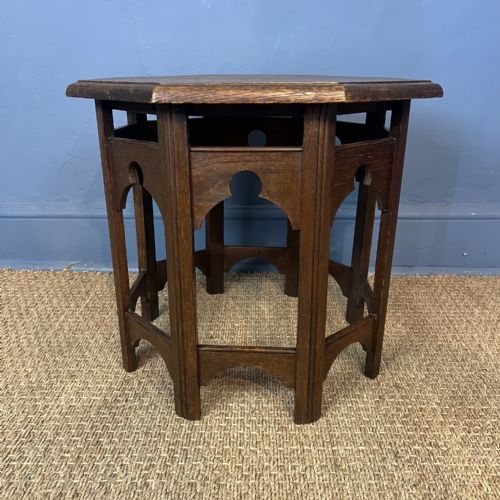
When you search for an antique oak tea stand, you encounter a practical assortment of side tables, occasional pieces, tripod bases, and tiered cake stands designed for serving beverages and light refreshments. These pieces span several centuries, with robust country examples from the Georgian era sitting alongside lighter folding Edwardian and Arts and Crafts variations.
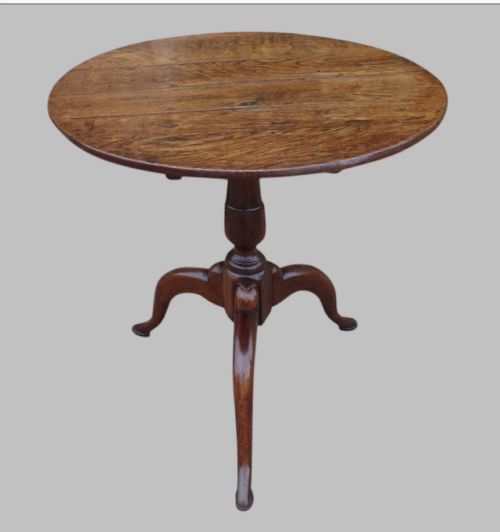
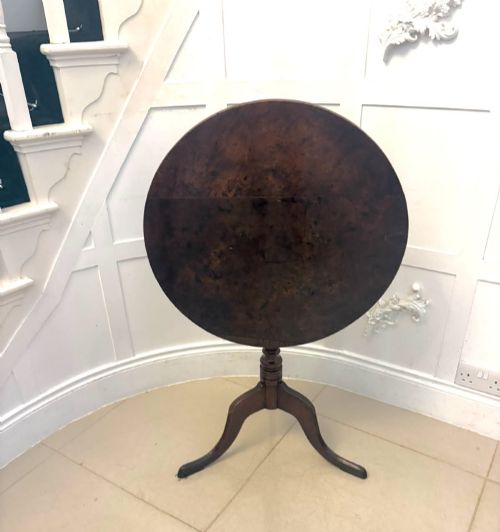
The versions you meet most frequently on this page range from simple three-legged tilt-top tripod tables made around seventeen-eighty to multi-tiered folding cake stands and carved side tables produced in nineteen-ten. Alongside standard oak, you find occasional uses of burr oak, fruitwood, and beech, sometimes accented with ceramic tiles or iron fittings.
Makers and regional joiners utilised this durable timber to create functional furniture for domestic parlours and drawing rooms. Whether configured as a hexagonal occasional table, a butler stand, or a tall tray table, each format reflects the shifting social rituals of tea drinking across the eighteenth, nineteenth, and early twentieth centuries.
Materials and Construction
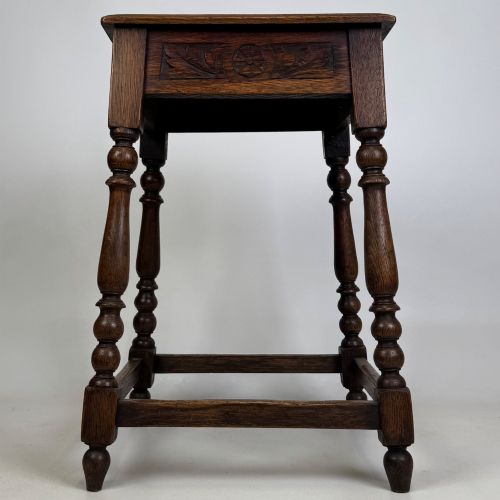
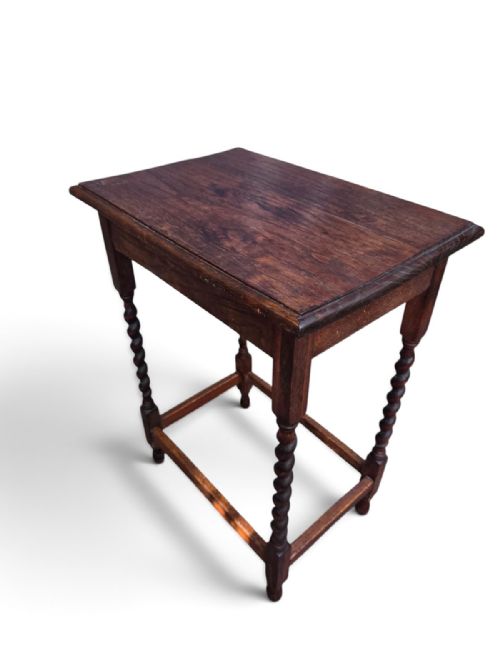
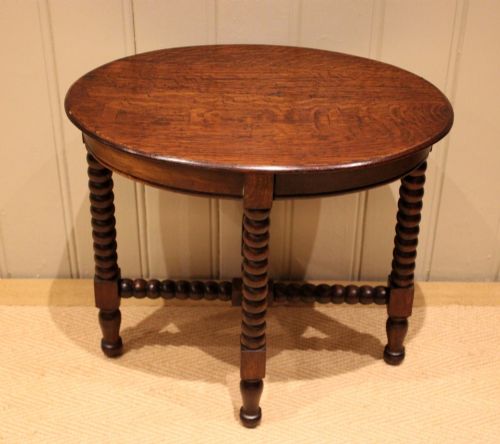
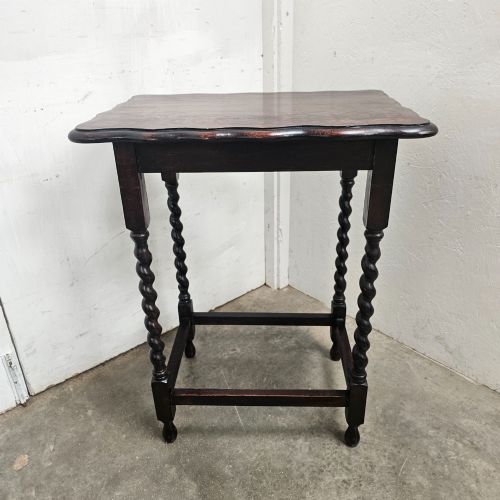
Makers built these pieces primarily from solid oak, frequently selecting burr oak for tabletops to highlight swirling grain patterns, while secondary supports occasionally incorporate beech or fruitwood. Joinery relied on traditional pegged mortise and tenon joints, dovetails for small drawers, and turned components like barley twist legs.
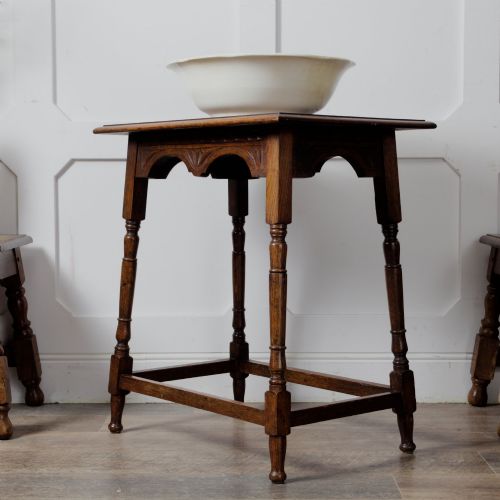
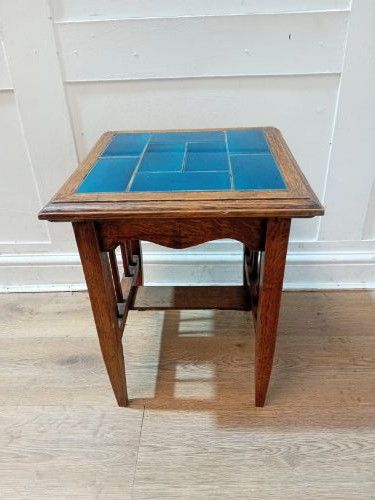
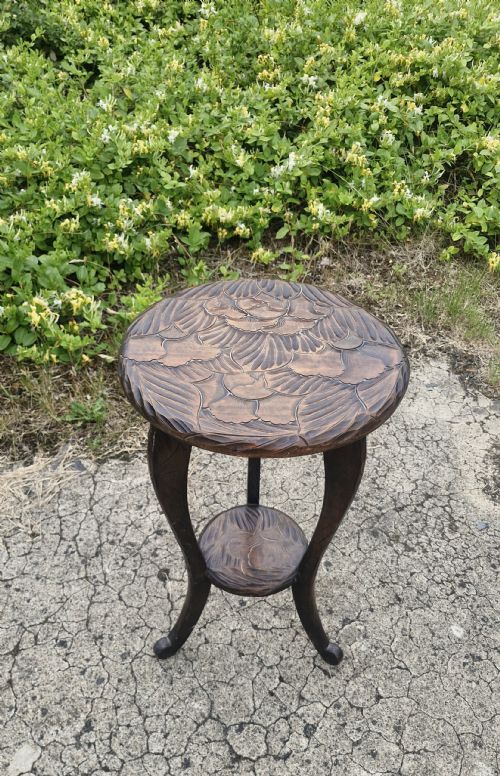
Surface decoration often involved hand carving, particularly in late Victorian and Edwardian iterations featuring leaf motifs, alongside turned tripod pedestals and tilting mechanisms secured by brass catches. Some tables integrate ceramic or Art Nouveau tiles into the surface, fixed within wooden frames to resist moisture and heat from teapots.
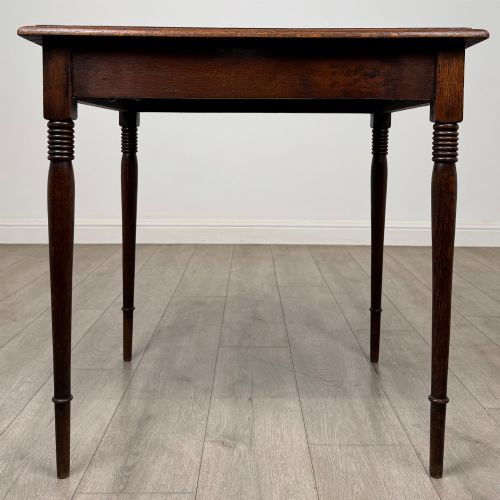
The selection includes folding cake stands, tripod tilt-top tables, and multi-tiered serving furniture spanning the Georgian, Victorian, and Edwardian periods.
Distinctions in Quality
The distinction between ordinary and superior examples lies in the selection of timber and the crispness of the hand carving rather than the mere presence of decoration. Selected burr oak surfaces with rich, unblemished figuring sit at the higher end of the scale, whereas plain, utilitarian boards form the basis of simpler country pieces.
Structural integrity and refinement in turning separate better workshops from mass production. Well-balanced tripod bases with harmonious leg proportions and smoothly operating tilt mechanisms demonstrate superior craftsmanship compared to stiff hinges or clumsy joints.
Gillows·Liberty and Co
The Antique Oak Tea Stand Glossary
- Tripod table
- A small occasional table supported by a central pillar on three legs. This form became popular during the Georgian period for ease of movement around a room.
- Tilt-top
- A tabletop hinged to the pedestal so it can pivot vertically when not in use. This mechanism allowed tables to be stored flat against a wall.
- Barley twist
- A type of turning that resembles a spiralling rope. It appears frequently on the legs of Edwardian side tables and stands.
- Burr oak
- Wood taken from a tree growth where the grain has deformed into swirling patterns. Cabinet makers utilised this timber for decorative tabletops.
- Arts and Crafts
- A design movement prioritising traditional craftsmanship and simple forms. Pieces from this style often feature exposed joinery and minimal ornamentation.
Antique Oak Tea Stand: Frequently Asked Questions
What is an antique oak tea stand used for?
These tables served primarily for holding teapots, cups, and kettles during social gatherings in the parlour or drawing room. Their portable nature allowed servants to move them easily where needed.
Today, they function well as lamp tables, plant stands, or occasional surfaces beside a chair. Their compact footprint makes them practical for small spaces.
How do I date an antique oak tea stand?
Dating relies on examining construction techniques, hardware, and stylistic details. Georgian examples often feature pegged tenons and tilting mechanisms, while Edwardian versions frequently incorporate folding frames or barley twist legs.
Materials also provide clues, as walnut and mahogany gave way to widespread fumed and carved oak during the Arts and Crafts and Edwardian eras. Comparing the piece to documented regional styles helps narrow down the decade.
Are oak tea stands sturdy?
Solid oak is a hard and resilient timber, making these stands inherently durable for daily domestic use. Tripod bases and folding cake stands provide stable support when properly maintained.
However, joints can loosen over decades of use, and tilt mechanisms may require careful handling. Regular inspection of the structural connections ensures they remain reliable.
How do I care for an antique oak surface?
Maintain the wood by dusting with a soft, dry cloth and applying occasional applications of natural beeswax to nourish the grain. Avoid chemical polishes that can build up a cloudy residue over time.
Keep the timber away from direct heat sources and strong sunlight to prevent warping or fading. Using coasters protects the antique finish from moisture rings.