
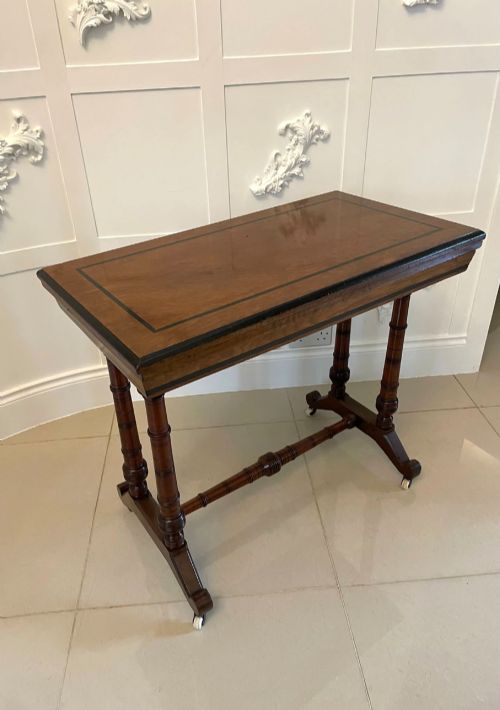
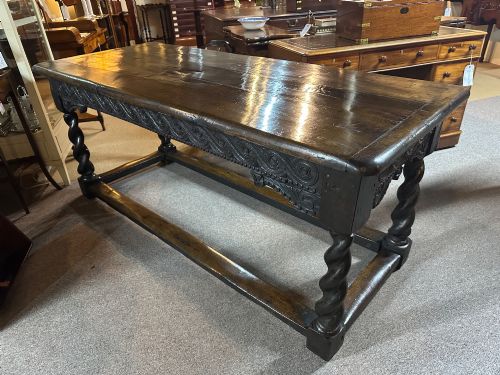
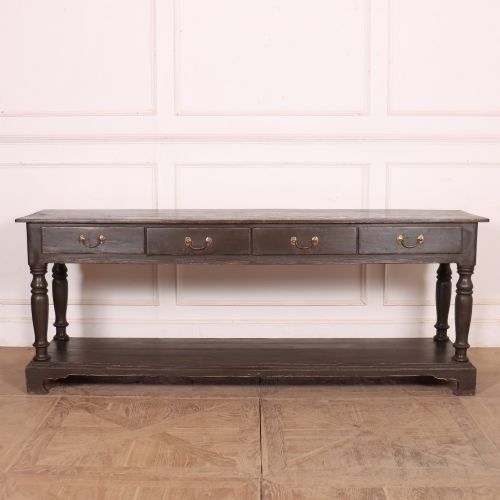
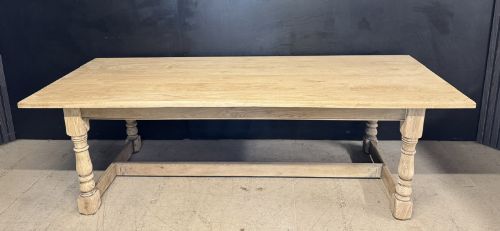
Antique Oak Table Base
An antique oak table base offers robust structural support and enduring character for bespoke dining setups.
Antique Oak Table Base
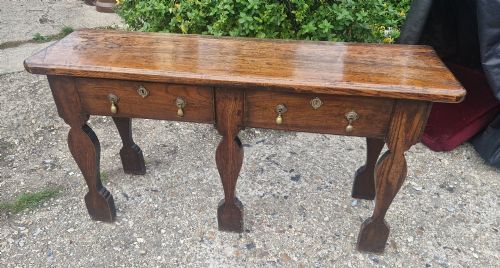
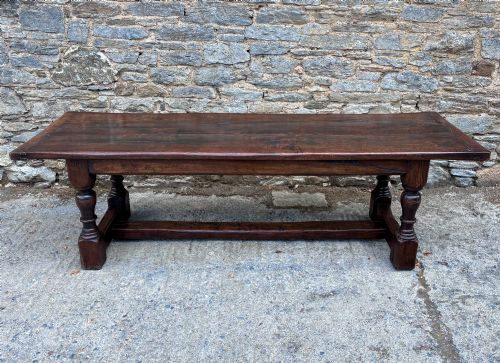
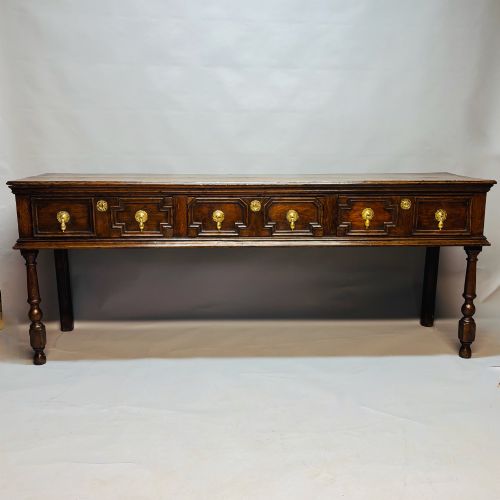
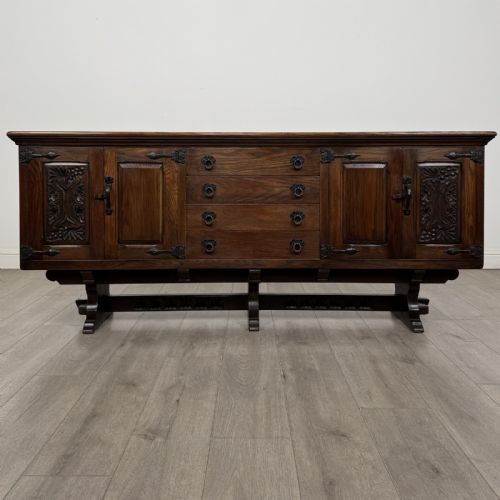
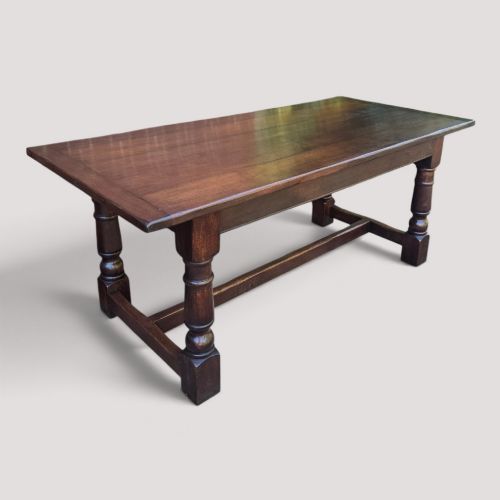
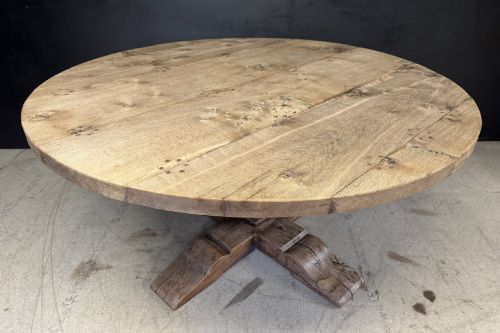
When searching for an antique oak table base, buyers encounter structural supports, stretcher frameworks, and architectural remnants originally designed for refectory dining tables, kitchen boards, and heavy sideboards. These items serve as sturdy foundations for bespoke tabletops or stand alone as sculptural furniture elements.
The selections span centuries of British craftsmanship, ranging from seventeenth-century provincial pieces and eighteenth-century Georgian formats to later nineteenth-century revivals and early twentieth-century rustic farmhouse interpretations. Oak remains the predominant timber across these forms, frequently paired with secondary woods like elm or chestnut.
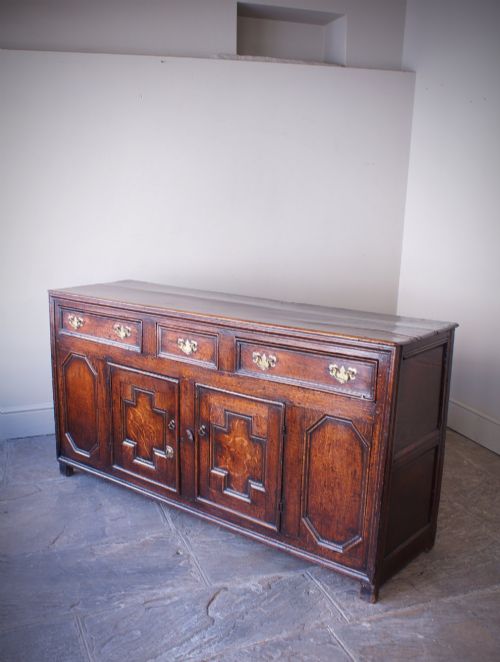
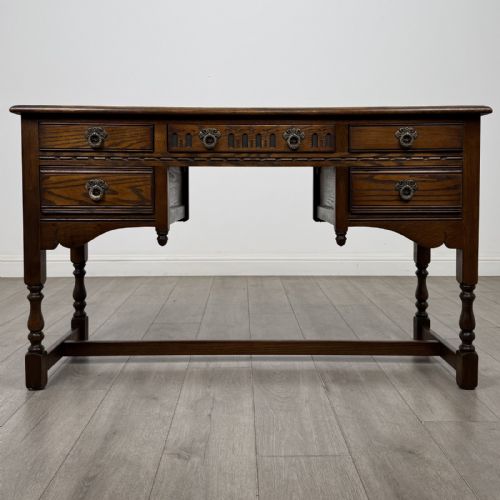
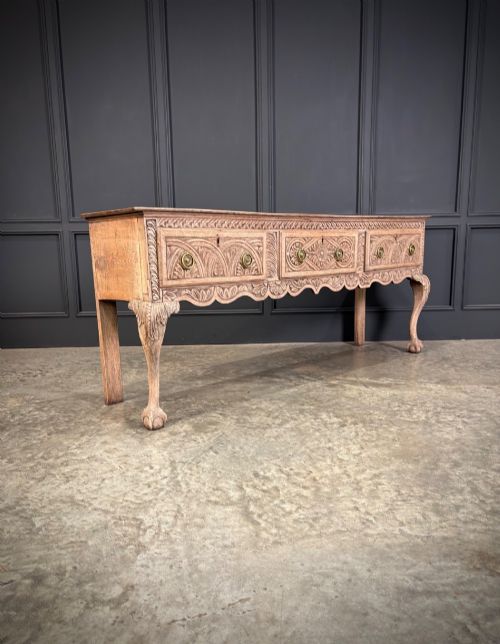
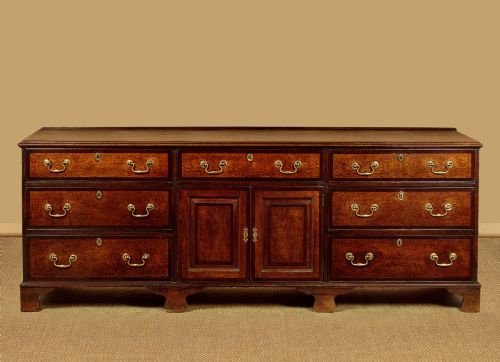
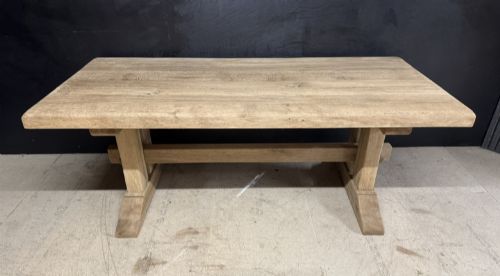
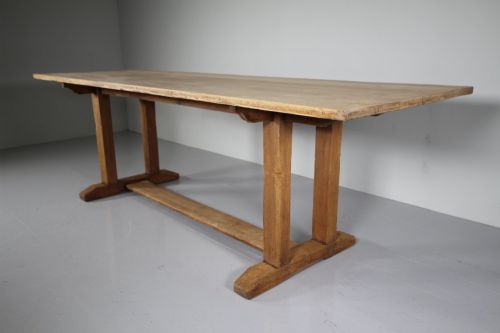
Buyers are most likely to encounter refectory dining table bases, dresser bases, and occasional supports featuring carved stretchers, turned legs, or open potboards. These foundations reflect domestic and country house interiors where heavy timber construction met practical utility.
What varies in quality
The calibre of an antique oak table base depends on the integrity of its original timber and the crispness of any hand-carved ornamentation on the stretchers and friezes. Superior examples retain their original structural proportions and authentic surface patination without excessive timber replacement.
Construction methods also distinguish standard utility pieces from finer country house commissions, evident in the tightness of pegged joints and the weight of the primary oak planks. Bases that have suffered heavy damp exposure or aggressive modern stripping lose the subtle tonal variations valued by discerning collectors.
Listings feature oak furniture spanning the 17th Century, Georgian, Victorian, Edwardian, and 1930s periods.
Heals of London
The Antique Oak Table Base Glossary
- Refectory table
- A long, narrow dining table traditionally used in monastic or large domestic dining halls. These forms rely on low stretcher rails to stabilise the substantial leg posts.
- Dresser base
- A low wooden sideboard featuring drawers and cupboards, often constructed with an open lower shelf known as a potboard. They provide substantial weight and storage utility.
- Stretcher base
- A system of horizontal wooden bars connecting the legs of a table near the floor to prevent spreading. Carved or turned stretchers add both structural rigidity and decorative interest.
- Potboard
- An open slatted or planked lower shelf fitted between the legs of a dresser base or table. Historically, this surface stored heavy ceramic pots and metalware.
- Mortise and tenon
- A traditional woodworking joint where a projecting tongue fits snugly into a matching cavity. This interlocking method secures heavy oak frames together.
Antique Oak Table Base: Frequently Asked Questions
What is an antique oak table base?
An antique oak table base is the structural framework of a historic dining or side table, consisting of legs, rails, and stretchers designed to support a heavy top. These pieces survive from centuries of domestic use, offering sturdy foundations for custom tabletops.
Buyers often source these separate architectural elements to create bespoke dining furniture that blends historic character with modern interior layouts.
How were these wooden bases constructed?
Craftsmen built these frameworks using solid oak timbers joined together with traditional pegged mortise and tenon techniques. Hand tools like adzes and saws left distinct textural marks across the wood surface.
Secondary materials such as elm or iron brackets occasionally appear in regional pieces to reinforce high-stress joints and support heavy timber tops.
How do I date an oak base?
Dating relies on observing construction methods, joinery styles, and timber characteristics. Seventeenth and eighteenth-century examples feature hand-cut pegging and deep patination, while nineteenth-century revivals often display Gothic or Jacobean decorative motifs.
Hardware remnants and tool marks further help specialists place the piece within Georgian, Victorian, or Edwardian production periods.
How do I live with an oak base?
Living with these structural elements involves placing them in stable indoor environments away from direct heat sources that can dry out historic oak. Regular dusting and occasional wax application help preserve the natural timber patina.
Pairing a historic base with a custom glass or wooden top creates a functional dining or display surface that highlights the ancient joinery.